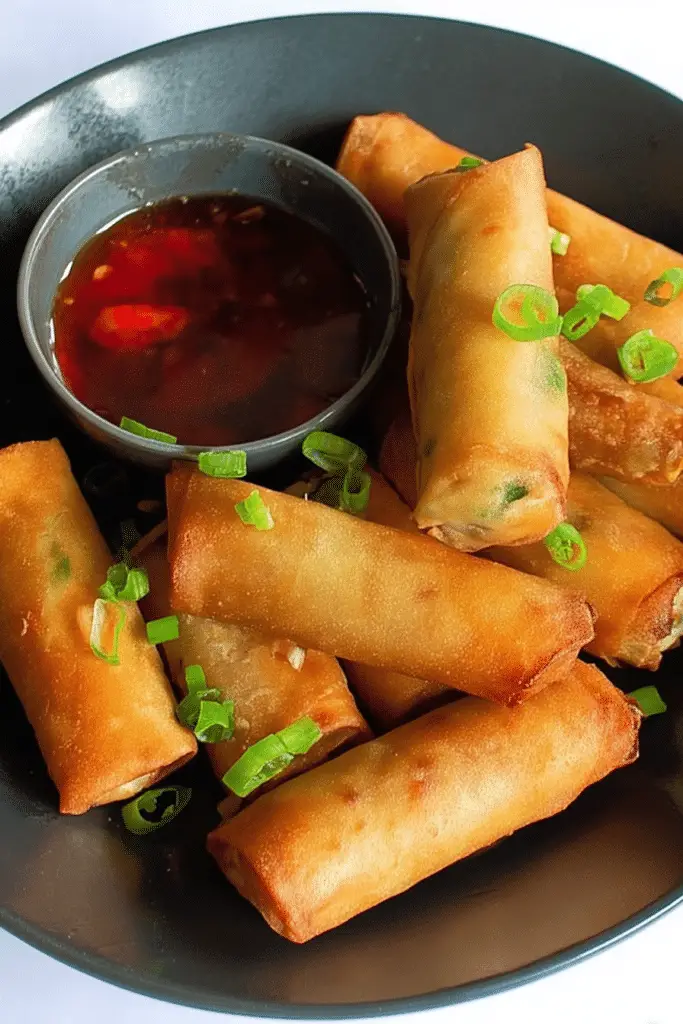
I first learned to make these vegetable spring rolls on a rainy evening when I wanted something crunchy, warm, and a little bit indulgent — but still full of vegetables. After several tests in my own kitchen, tweaking fillings and frying times, I landed on a method that reliably gives thin, crackling wrappers and a savory, slightly sweet/umami vegetable interior. The scent of garlic and fried pastry filled the house; you can hear the gentle sizzle when they hit the oil and see the edges go a deep golden brown in under a minute. These are Indo-Chinese style, so they lean on soy and a touch of chili for balance, but they’re very adaptable.
Spring rolls are popular all across East and Southeast Asia and have been adapted in countless regional ways — from the crisp Filipino lumpia to the fresh Vietnamese rice-paper rolls. They’re perfect for appetizers, party platters, or a quick weeknight snack. If you want to explore regional spring roll traditions, read our Delicious Filipino Lumpia post that showcases a popular Filipino take on fried spring rolls.
Ingredients and Variations
Below I list the elements I use most often. I talk about amounts and technique in the step-by-step section, but here are the building blocks and some creative twists — including ideas for unique vegetable spring roll recipes.
- Spring roll sheets – the thin wrappers that crisp up beautifully when fried; rice-paper or wheat-based wrappers both work, but rice paper gives a lighter, more translucent shell.
- Olive oil (or neutral oil) – a drizzle for sautéing; I often use a neutral oil for frying and extra-virgin olive oil for the quick sauté because I like the flavor it lends to the aromatics.
- Garlic – finely chopped; gives a warm, fragrant base and browns quickly so keep the heat low at first.
- Spring onions (white part) – mild, oniony crunch that softens with a quick sauté and helps build savory depth.
- Cabbage – shredded; gives body, a bit of sweetness when browned, and helps bind the filling as it reduces.
- Carrots – julienned; bright color, slight crunch, and beta-carotene — a classic filling vegetable.
- Capsicum (bell pepper) – julienned for sweetness and texture contrast; red or yellow peppers add color.
- Green beans – finely chopped; add snap and a fresh green note.
- Soy sauce – umami and salt; use tamari to make it gluten-free.
- Chili sauce (like Sriracha) – a spoonful wakes up the filling with mild heat and a touch of sweetness.
- Salt & pepper – adjust to taste; small changes here make the biggest difference to the final flavor.
- Oil for deep frying – a neutral oil with a high smoke point; keeps the exterior crisp.
- Optional proteins & add-ins – tofu, tempeh, avocado, or mango bring new textures and flavors; try tofu for a protein boost or mango for a sweet-tart contrast in unique vegetable spring roll recipes.
Looking for fresh filling ideas? Try our spring roll salad for vibrant vegetables and herbs perfect for rice paper wrappers.
Nutritional Benefits of the Fillings
One reason I make these often is that they pack a lot of vegetables into a compact, handheld form — and you can prioritize nutrition without losing flavor. Here’s what the main players bring to the table if you’re searching for healthy spring roll fillings.
- Carrots – high in beta-carotene, which the body converts to vitamin A; they add natural sweetness and maintain some bite even after a brief sauté.
- Leafy greens (cabbage, spring greens) – rich in vitamins C and K, iron, and fiber; when reduced gently they lose excess moisture and concentrate flavor.
- Bell peppers – excellent vitamin C source and add antioxidants plus visual appeal.
- Green beans – provide fiber, a bit of protein, and a pleasant snap that contrasts the softer cabbage.
- Tofu/chickpeas – plant-based proteins that make these rolls more filling; tofu absorbs the soy/chili seasoning, while chickpeas add creaminess if mashed lightly.
Often other write-ups miss how the cooking technique changes the nutrition balance — for example, overcooking drains nutrients but also avoids a soggy roll. For ideas on adding creamy, protein-packed fillings, see our Chickpea Feta and Avocado Salad for inspiration.
Step-by-Step Preparation Guide
I tested this recipe several times to find a rhythm that’s fast but dependable. The total time from start to finish is about 25 minutes: roughly 10 minutes prep and 15 minutes cook time for a batch of about 15 spring rolls.
- Thaw the wrappers – Transfer the spring roll sheets from the freezer to the fridge or countertop to let them thaw naturally. I let them sit about 30–60 minutes in the fridge; they soften evenly this way and are far less likely to tear. If you’re in a hurry, unwrap them and lay a damp (not wet) towel over them for 10–15 minutes.
- Prepare the filling – Heat a small skillet with a drizzle of olive oil over low heat. Add finely chopped garlic and the white parts of the spring onions; cook only until fragrant — you’ll smell the aroma change from sharp to warm and almost sweet. Add shredded cabbage, julienned carrots, capsicum, and chopped green beans. Cook on medium for about 2 minutes just to loosen the vegetables.
- Season and reduce – Stir in a splash of soy sauce and a squirt of chili sauce plus a pinch of salt and pepper. Turn the heat to low, cover, and let the veg steam for 4–5 minutes so they lose excess moisture. Remove the lid and cook for another 4–5 minutes until the mix reduces and the edges start to brown slightly. You’ll see the moisture evaporate; the filling should be soft but not wet.
- Drain and cool – Transfer the cooked vegetables to a plate lined with kitchen paper and place another paper towel on top. Press lightly to absorb excess oil and moisture — this is key. If the filling is damp, the wrappers will go soggy and tear while frying. I learned this the hard way the first time I skipped the pressing step.
- Roll the spring rolls – Work with one thawed sheet at a time. If using rice paper, gently moisten it to become pliable. Place a strip of filling in the lower third, fold the bottom up, fold the sides in, then roll tightly like a cigar. Don’t overfill — leave a small border so the wrapper seals cleanly. Overfilling causes splitting while frying.
- Fry to golden – Heat oil in a deep pan (or a fryer) to about 350–375°F (175–190°C). Fry in small batches so the oil temperature stays steady; each roll should take less than a minute to turn a deep golden brown. Drain on a wire rack or paper towels. If you don’t have a thermometer, test with one roll: it should sizzle steadily but not smoke; if it browns too fast, lower the heat.
- Serve – Serve hot with your preferred dip. The contrast between the hot, crackling shell and the warm, umami-filled interior is the satisfying payoff of this recipe.
Time-saving hacks: pre-chop vegetables the night before and store them in an airtight container; cook a double batch of filling and freeze half for quick assembly later. Pre-made fillings (like store-bought coleslaw mix) can speed things up, though you’ll want to cook and reduce moisture the same way.
Tips for Perfectly Crispy Spring Rolls
Crispiness is mostly about moisture control and oil temperature. Here’s what I learned after frying dozens of batches.
- Dry filling thoroughly – Pat the cooked filling with paper towels and press to remove oil and water. Damp filling equals soggy wrappers.
- Don’t overfill – Rolls should be snug but not stuffed. Too much filling causes gaps that let oil in and makes the wrapper tear.
- Maintain oil temperature – Fry at a steady 350–375°F (175–190°C). If the oil’s too cool, rolls absorb oil and taste greasy; too hot and they’ll burn outside before the inside warms through.
- Fry in small batches – Crowding the pan drops oil temperature and produces limp rolls. I fry 3–5 at a time depending on pan size.
- Drain properly – I prefer a wire rack over paper towels because it keeps the underside crisp. If you must use paper, change it frequently.
- Bake or air-fry alternative – Brush or spray lightly with oil and bake at 400°F (200°C) for 12–16 minutes, or air-fry for 8–12 minutes, flipping halfway. They’ll be crispy but slightly different in texture than deep-fried ones — still delicious and lighter.
Dipping Sauce Pairing Ideas
Don’t underestimate the power of a good dipping sauce — it lifts simple vegetable spring rolls into something memorable. Here are my favorites and why they work. For more adventurous options, see the bang bang sauce guide below.
- Classic peanut dipping sauce – Peanut butter, soy sauce, lime, a touch of sweetener, and chili. Rich and creamy; great with simple veggie-only rolls.
- Sweet chili sauce – Store-bought or homemade; sweet, sticky, and mildly spicy. My go-to when I want low effort but big flavor.
- Soy-ginger dip – Soy sauce, rice vinegar, grated ginger, sesame oil, and green onion. Bright, salty, and a little sharp; pairs well with fried rolls to cut through oiliness.
- Mango salsa – Diced mango, red onion, lime, and chili. Fruity and fresh; especially lovely with avocado or tofu-filled rolls.
- Tahini-lemon dressing – Tahini, lemon, garlic, and warm water to thin. Creamy and nutty without peanuts; a good nut-free option.
Want a spicy-creamy dip? Our bang bang sauce guide offers quick recipes and tips that pair wonderfully with spring rolls. For searchers: the best sauces for spring rolls range from peanut-based to citrusy soy-ginger blends — pick one that balances the roll’s texture.
Customizations for Dietary Restrictions
Spring rolls are naturally adaptable. Here’s how I handle common dietary requests without losing texture or flavor.
- Gluten-free – Use rice paper wrappers or certified gluten-free wheat wrappers. Swap soy sauce for tamari or coconut aminos.
- Nut-free – Skip peanut sauces and choose soy-ginger, sweet-chili, or tahini (if sesame is ok). Check labels on wrappers and sauces to avoid cross-contamination.
- Vegan – This recipe is naturally vegan; watch for fish sauce in some store-bought sauces and choose plant-based alternatives.
- Higher protein – Add crumbled, pressed tofu sautéed with the vegetables, or include mashed chickpeas as a binder. They both hold up well when cooked and reduce the chance of sogginess.
Frequently Asked Questions
- Are vegetable spring rolls healthy?
Yes — vegetable spring rolls can be a healthy option because they pack a variety of vegetables (fiber, vitamins, and minerals). To keep them lighter, choose fresh/unfried rolls or bake/air-fry instead of deep frying, and use low-sodium soy sauce or a light dipping sauce. - How do I keep spring rolls crispy when frying?
Dry the cooked filling thoroughly (pat with paper towels) and don’t overfill the wrappers. Fry in hot oil (about 350–375°F / 175–190°C) in small batches so the oil temperature stays steady, and drain on a wire rack or paper towels immediately. - Can I make these spring rolls gluten-free or nut-free?
Yes. Use rice paper wrappers or certified gluten-free spring roll wrappers and substitute tamari or coconut aminos for soy sauce. For nut-free dips, avoid peanut-based sauces and try soy-ginger or sweet-chilli instead. - How do I freeze and reheat spring rolls?
For best results, freeze fried spring rolls on a tray in a single layer until solid, then transfer to a sealed container. Reheat from frozen in a preheated oven (about 400°F / 200°C) or air fryer until hot and crisp (8–12 minutes). Fresh (unfried) rolls don’t freeze well. - Can I prepare spring rolls ahead of time for a party?
Yes — prepare and fully cool the filling ahead and roll the spring rolls a few hours before serving. Keep them covered in the fridge with a layer of paper towel to absorb moisture. For best crispness, fry or reheat just before serving.
Conclusion and Serving Suggestions
After testing different veg ratios and wrappers, I usually make a batch of 15 spring rolls when I want to feed a small group or have appetizers for two nights. They’re wonderful hot straight from the fryer, but a set of chilled dipping sauces and a platter of sliced rolls make a gorgeous party spread. Try serving them with fresh herbs (mint, cilantro), pickled carrots, or a little bowl of shredded lettuce to cut through the richness.
Final notes: expect the first roll to be a learning curve. Pay attention to moisture and oil temperature — those are the two things that’ll decide if the batch is show-stopping or disappointing. If you try these, let me know what filling combo you loved most; I keep coming back to a mix of cabbage, carrot, capsicum, and a few crunchy green beans with a little tofu folded in for heft. Happy rolling!
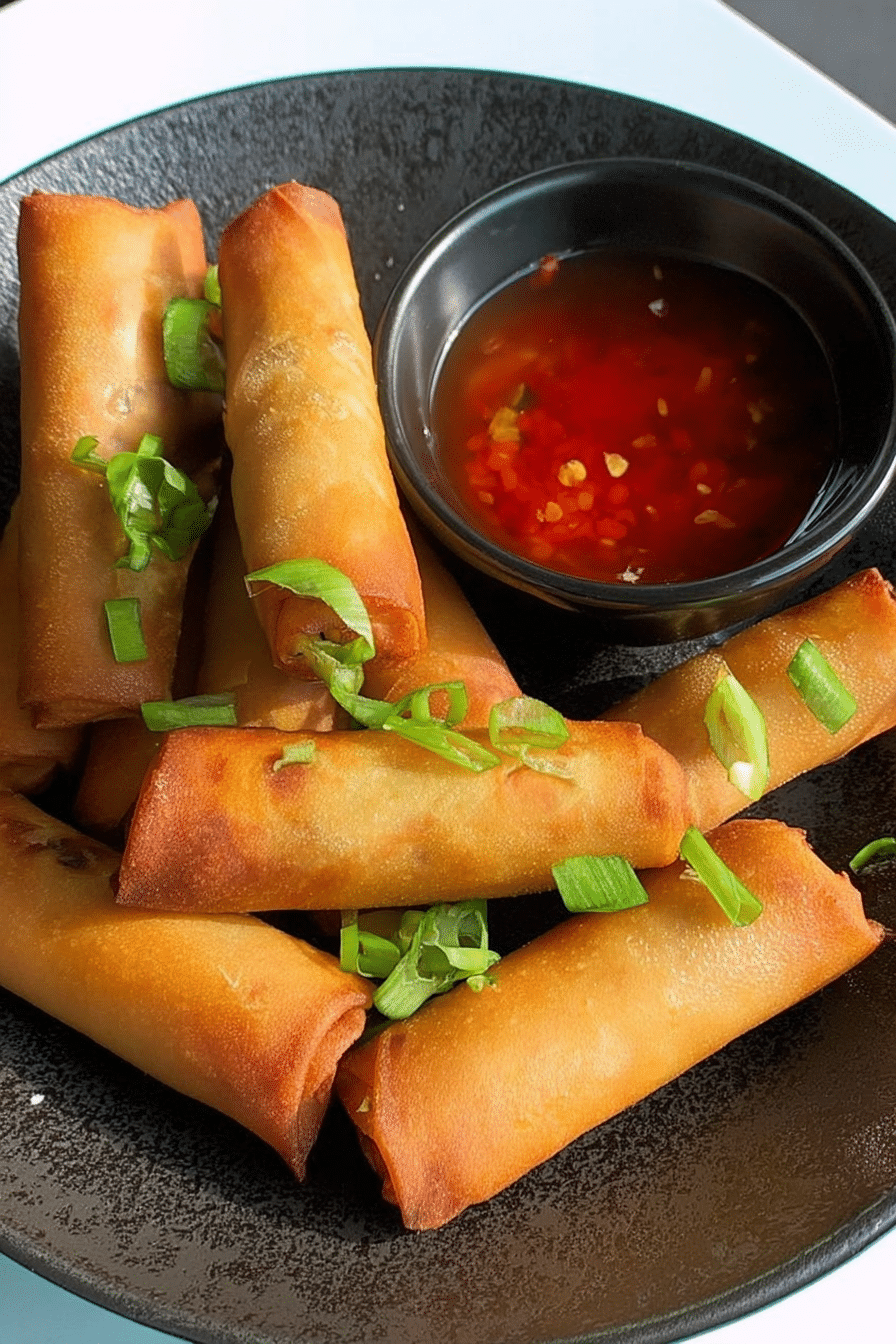
Vegetable Spring Roll
Ingredients
Method
- Transfer the spring roll sheets from the freezer to the fridge/kitchen counter to let them naturally thaw.
- To a non-stick pan, add 2 tbsp olive oil and let this heat over low flame.
- Add onions and garlic and sauté for a few seconds on low flame until they are fragrant.
- Add all of the vegetables and cook on medium flame for 2 minutes.
- Now add salt, pepper, soy sauce and Sriracha. Mix well.
- Turn the flame to low, cover the pan and let the vegetables cook for about 4-5 minutes.
- Take off the lid and stir the vegetables. Let cook for an additional 4-5 minutes until fully reduced and lightly browned.
- Turn off the flame and transfer this mixture to a plate lined with kitchen paper to get rid of excess oil.
- Prepare the spring rolls and deep fry until golden brown.
- Serve hot with dip or chutney or ketchup.