- Prep
- 15 min
- Total
- 15 min
- Serves
- 4
- Calories
- 224 kcal
- Carbs
- 7.00 g
Introduction
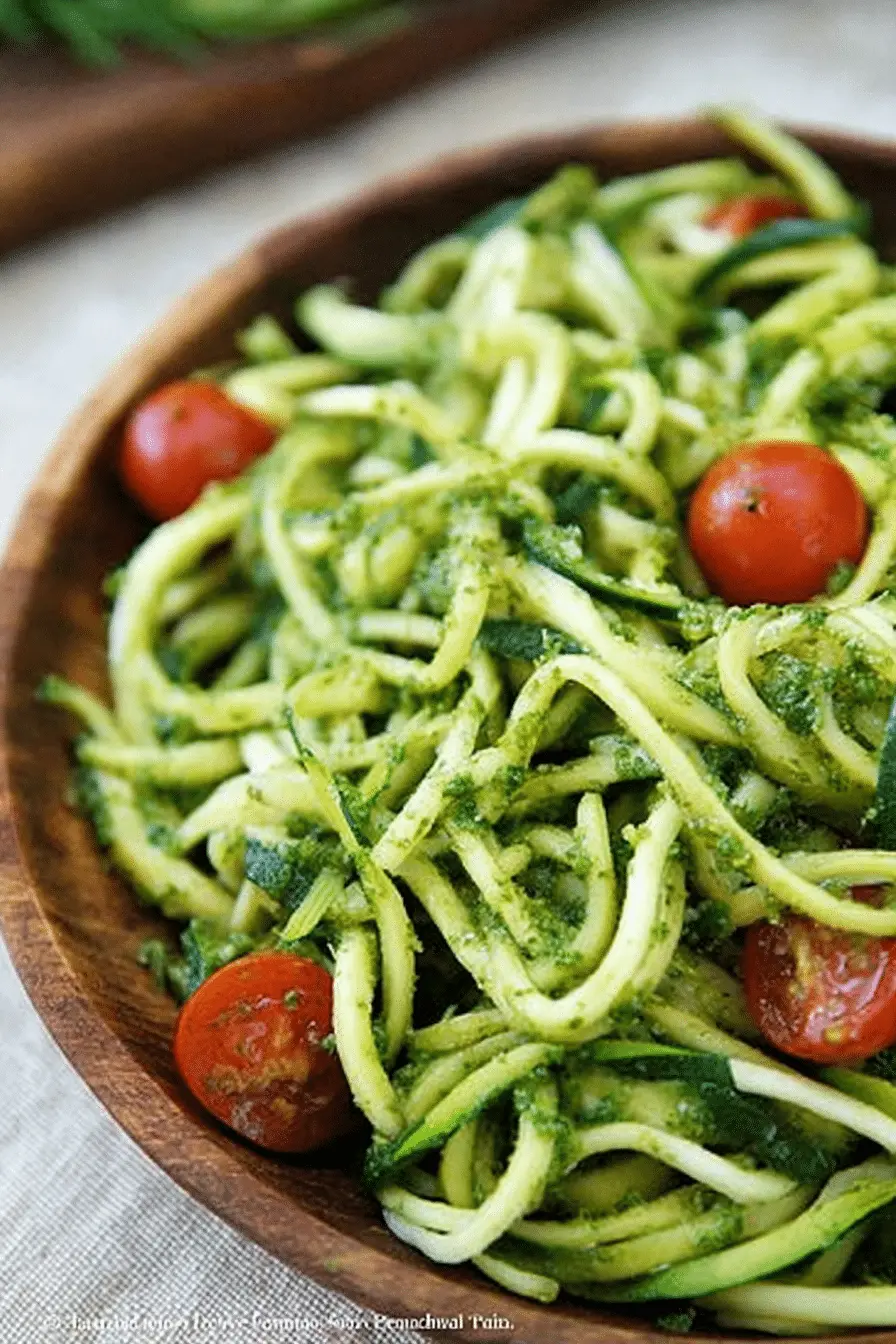
I make this zucchini‑and‑pesto combo several times a month when dinner needs to be fast, fresh, and light. In my kitchen it’s the recipe I pull out when I want something green and satisfying without a lot of fuss. The first time I made it I relied on shortcuts; by the tenth batch I had honed a few small tricks that keep the noodles bright and the pesto vibrant.
I like the way the basil hits the air when I start the food processor — that fresh, herbaceous scent is part of why I reach for this recipe on weeknights. The contrast of a silky, bright green pesto coating crisp zucchini ribbons is exactly what I aim for: bright color, quick prep, and a texture that feels substantial without weighing you down.
Over the years I’ve learned that small technique changes make a big difference. A little salting and drying prevents watery noodles, and finishing the pesto with a splash of lemon keeps it tasting lively even after it chills in the fridge. I’ll point out those simple moves below so your batch comes out the way I make it at home.
Make this on a night when you want something fast but thoughtful — the whole thing takes about as long as boiling water for pasta, but with far fewer carbs and a lot more garden freshness.
Why Zucchini Noodles Are Perfect for Busy, Health-Conscious Dinners
Zucchini noodles save time: they’re quick to prepare, they don’t need long cooking, and they act as a low-calorie stand-in for pasta. Because zucchini has a high water content, the noodles feel light and hydrating on the plate, and their fresh green color makes a meal look like it belongs on a healthy weeknight menu. The aroma of raw basil pesto brings an immediate garden note that makes the dish feel finished even with minimal ingredients.
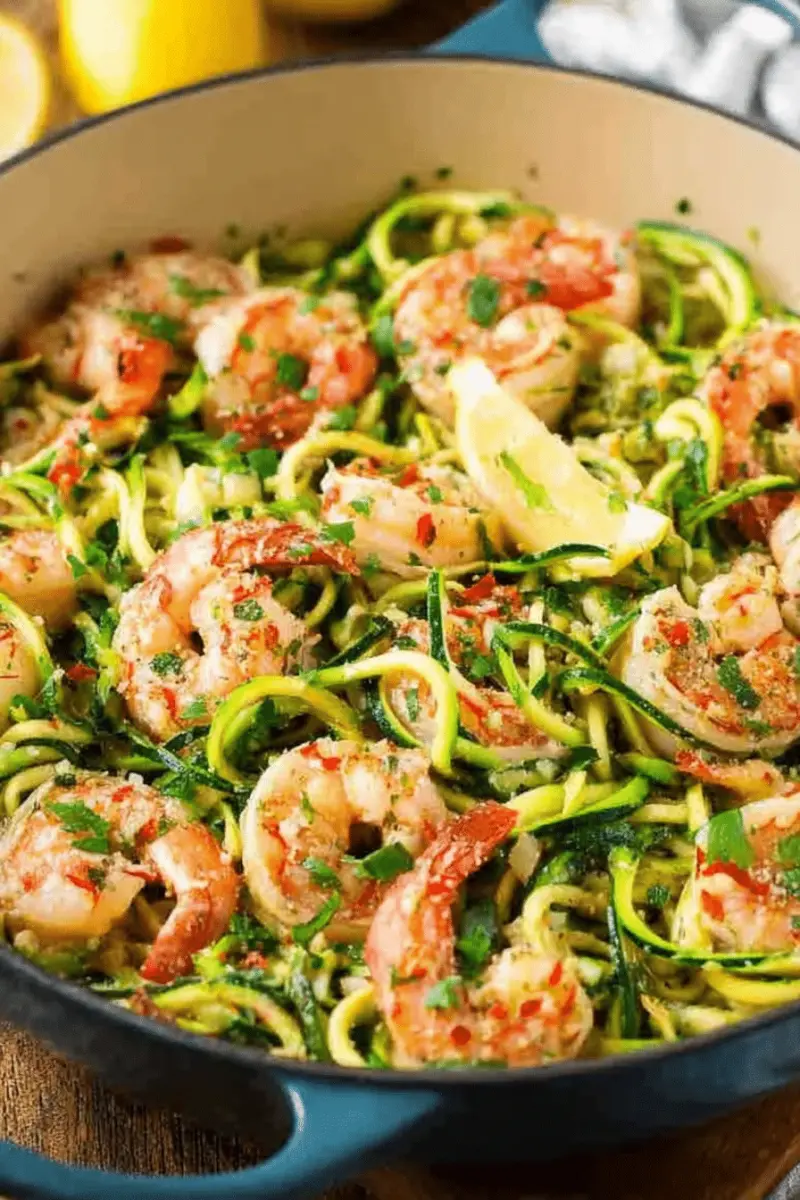
The speed and low calorie count make zoodles ideal for meal prep or a late-evening dinner when you want something that won’t sit heavy. If you want to make the meal a touch more impressive without adding much prep time, I often pair the noodles with a quick seared protein — try pairing these nourishing zucchini noodles with creamy garlic butter lobster tails for a quick and impressive dinner option.
Everything You Need for Zucchini Noodles with Pesto
- Zucchini – The base of your noodles; choose firm, unblemished ones for the best texture.
- Fresh basil – Provides the bright, aromatic backbone of the pesto; avoid pre‑shredded dried basil substitutes.
- Garlic – Adds sharpness and depth; adjust to taste if you prefer milder pesto.
- Olive oil – Use a good quality extra‑virgin olive oil for flavor and silky mouthfeel.
- Lemon juice – Balances the richness and keeps the green color popping.
- Parmesan (or hard cheese) – Adds savory umami and helps the sauce cling to the noodles; swap in Pecorino for a sharper note.
- Salt & pepper – To taste; salt also helps extract moisture from zucchini when prepping.
- Cherry or grape tomatoes (optional) – For a sweet burst and color contrast.
Looking for more pesto inspiration? Try our pesto chicken sandwich for a satisfying meal.
How to Make Zucchini Noodles with Pesto (Step-by-Step)
- Prepare the noodles: Use a julienne peeler or mandoline to turn your zucchini into long, noodle-like ribbons. Set them aside while you make the pesto. If you prefer warm noodles, you can sauté them briefly later.
- Build the pesto: Place the basil and garlic in your food processor and pulse until coarsely chopped. With the processor running, add the olive oil in a slow, steady stream to create a smooth emulsion.
- Finish the sauce: Stop and scrape down the bowl, add the lemon juice and grated Parmesan, then pulse a few times until the pesto is homogenous. Taste and season with salt and pepper.
- Toss and serve: Combine the zucchini noodles and pesto in a large bowl and toss until the noodles are evenly coated. Top with halved cherry tomatoes if you like. Serve at room temperature or chilled; to serve warm, briefly sauté the pesto-coated noodles in a hot skillet for 1–2 minutes.
- Note on texture control: If you sauté, keep the heat at medium and move the noodles constantly to avoid steam-driven sogginess or overcooking.
Noodle Texture: How to Avoid Soggy Zoodles
- Salt to draw moisture: After spiralizing, sprinkle the noodles with salt and let them sit for 10–15 minutes to pull out excess water.
- Drain and press: After salting, place noodles in a colander and press with the back of a spoon or wrap in a clean towel and squeeze gently to remove liquid.
- Dry thoroughly: Pat the noodles dry on a clean kitchen towel or use a salad spinner for a quick, effective dry.
- Choose your serving temp: Serve raw for the firmest bite; sauté only briefly if you prefer warm noodles.
- Avoid covering while hot: Steam trapped under a lid will soften noodles quickly, so keep them exposed or toss immediately with sauce.
Nutrition Breakdown: Zucchini Noodles vs. Regular Pasta
Here are practical comparisons so you can make an informed choice.
- This pesto zucchini noodle recipe (per serving) — roughly 220–230 calories with around 20 g fat, 7 g carbohydrates, and 4–6 g protein (the pesto contributes most of the calories and fat).
- Cooked wheat pasta (typical 1 cup cooked) — about 200 calories, roughly 1–2 g fat, ~40–45 g carbohydrates, and 7–8 g protein.
What this means: swapping pasta for zucchini noodles cuts carbohydrates dramatically and lowers total calories if you keep the sauce light. Zucchini also provides more water, vitamin C, potassium, and a modest amount of fiber. If you need a bit more satiety while keeping carbs down, add a lean protein or a sprinkle of toasted nuts to the pesto.
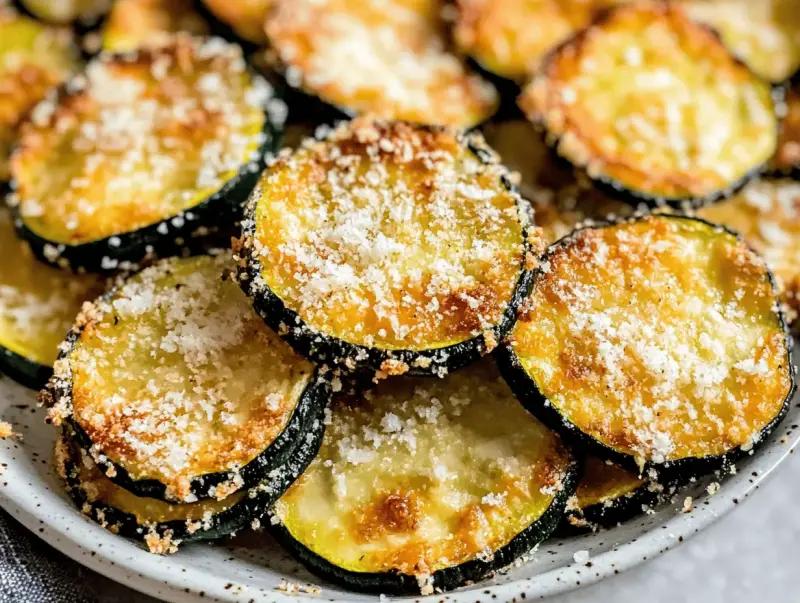
For additional healthy zucchini ideas, consider pairing this with a crunchy side like zucchini corn fritters for variety and texture contrast.
Pesto Tips: Bright, Creamy Sauce Without Heavy Oil
- Use different nuts for flavor: Pine nuts are classic, walnuts give earthiness, and almonds add a clean nuttiness — toast them lightly for extra depth.
- Control oil ratio: Start with less oil and add more only until you reach the texture you like; you can always thin with a tablespoon of water or lemon juice instead.
- Add creaminess without more oil: Stir in a spoonful of Greek yogurt or a bit of mashed avocado at the end for creaminess with fewer added fats.
- Keep it bright: A splash of lemon and a quick pulse of ice water just before serving will keep the basil color vivid and the flavor fresh.
- Emulsify properly: Add oil in a slow, steady stream while the processor runs so the sauce binds and stays glossy rather than oily.
Pro Tip for Zucchini Noodles: Salt, Drain, and Dry to Prevent Sogginess
- I always salt the noodles right after spiraling — it pulls out excess liquid and gives you firmer noodles when you toss with sauce.
- After salting, I put the zoodles in a colander and press them with my hands or a spatula, then pat dry with a clean towel.
- Use a salad spinner if you have one; it’s the quickest way to remove water and keeps your hands clean.
- For storage, dry them thoroughly before refrigerating to avoid a wet container and limp noodles later.
Make-Ahead, Storage & Sauce Variations for Zucchini Noodles
- Make-ahead zucchini – Spiralize and salt the noodles, then store them in a breathable container lined with paper towels for up to 24–48 hours; wait to add pesto until serving to avoid sogginess.
- Storing pesto – Keep pesto in an airtight jar with a thin layer of oil on top to limit browning; it will keep in the refrigerator for several days.
- Reheating – If you want warm noodles, toss the pesto with the zoodles cold, then quickly warm in a skillet for 1–2 minutes; this prevents steaming and overcooking.
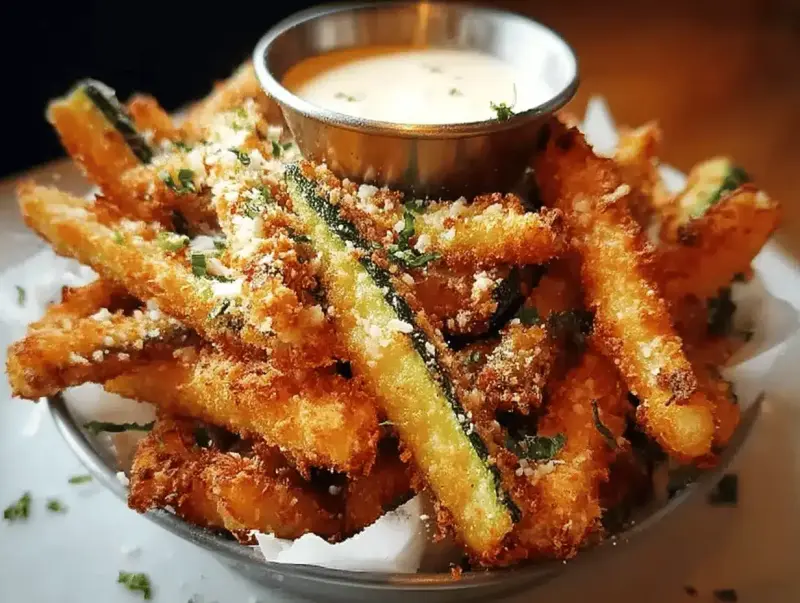
- Sauce variations – Try a simple tomato marinara, a light lemon‑garlic butter, or a white-bean puree for extra protein. For a crowd-pleasing side, prepare parmesan zucchini fries to complement your meal.
- How long they last – Prepped, unsauced zoodles keep best for up to 2 days in the fridge; once dressed with pesto, eat within a day for optimal texture and flavor.
These straightforward steps let you plan ahead without losing the fresh bite that makes zucchini noodles so appealing.
Frequently Asked Questions
What are zucchini noodles?
Zucchini noodles, often called 'zoodles', are thin strands of zucchini that can be used as a low-carb alternative to traditional pasta.
How do I make zucchini noodles?
You can make zucchini noodles using a julienne peeler or a mandoline slicer. Just slice the zucchini into long, thin strips, and you're ready to go!
Can I cook zucchini noodles?
Yes! If you prefer warm noodles, you can sauté them in a skillet over medium heat for a few minutes until they are slightly tender.
How do I prevent my zucchini noodles from being soggy?
To avoid sogginess, it's helpful to salt the noodles to draw out excess moisture, drain them, and dry them before cooking or serving.
How can I store leftover zucchini noodles?
Store any leftover zucchini noodles in an airtight container in the refrigerator for up to 2 days. For best results, wait to add the pesto until you're ready to serve!
Recipe Card
The Zucchini Noodles I Make Every Week — Pesto in 15 Minutes
- Prep
- 15 min
- Total
- 15 min
- Serves
- 4
- Calories
- 224 kcal
- Carbs
- 7.00 g
Ingredients
- 4 smallzucchini ((ends trimmed))
- 2 cupsfresh basil leaves (packed)
- 2 clovesgarlic
- 1/3 cupextra-virgin olive oil
- 2 teaspoonsfresh lemon juice
- 1/4 cupfreshly grated Parmesan cheese
- —Kosher salt ((to taste))
- —freshly ground black pepper ((to taste))
- —Cherry or grape tomatoes ((optional))
Instructions
- 1
Use a julienne peeler or mandoline to slice the zucchini into noodles. Set aside.
- 2
Combine the basil and garlic in a food processor and pulse until coarsely chopped. Slowly add the olive oil in a constant stream while the food processor is on. Stop the machine and scrape down the sides of the food processor with a rubber spatula. Add the lemon juice and Parmesan cheese. Pulse until blended. Season with salt and pepper.
- 3
Combine the zucchini noodles and pesto. Toss until zucchini noodles are well coated. Top with tomatoes, if using. Serve at room temperature or chilled.
- 4
Note: if you want to cook the zucchini noodles, you can. Just add the zucchini pesto noodles to a skillet and sauté them up over medium heat. It only takes a few minutes.
You might also like
Reviews
Be the first to review this.