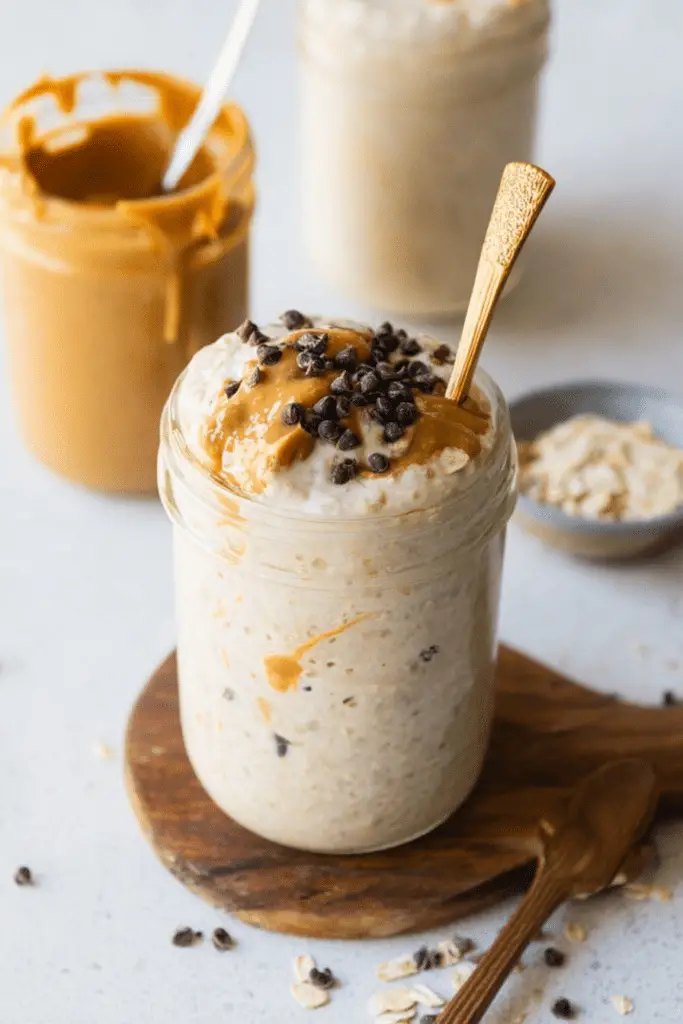
I started making blended overnight oats because I needed breakfasts that behaved: quick to assemble, forgiving in the fridge, and reliably creamy in the morning. These are not jarred cereal — they’re silky, spoonable, and feel like a cross between a chilled pudding and a thick smoothie. I first mixed a blender batch one Sunday evening when I had two sleepy kids and a meeting at 8 a.m., and the bowl I had the next morning tasted like a small, peaceful victory.
In this article I’ll walk you through what blended overnight oats are, why they’re so handy, the ingredients I reach for, the exact steps I use (including the precise ratio I tested for creaminess and protein), troubleshooting tips from my real kitchen mistakes, and ways to make them your own. I’ve tested this recipe multiple times, tweaking milk ratios and blending times until the texture was consistently smooth without being gluey.
Benefits of Overnight Oats
Overnight oats are a weekday lifesaver. They’re the kind of breakfast you can assemble in five minutes and then forget about until morning — but they’re also nutritionally dense. In practice, I’ve found they keep me full through a late-morning meeting and prevent the mid-morning snack attack that used to derail my lunches.
Here’s why I, and many home cooks, make overnight oats a staple:
- Convenience – assemble in 5–10 minutes the night before and you’re done. I often blend a double batch Sunday night and scoop out jars for the week.
- Better digestion – the oats soak overnight which softens them and makes them easier to digest. That softer texture is gentler on my stomach when I’m rushed in the morning.
- Fiber for sustained energy – rolled oats are high in soluble fiber (beta-glucan), which helps steady blood sugar and keeps you feeling full longer. I notice fewer sugar cravings when I pair oats with protein and a little healthy fat.
- Weight-management friendly – because the combination of fiber, protein (when you add Greek yogurt or protein powder), and healthy fats keeps you satisfied, it’s easier to avoid grazing until lunch.
- Meal prep friendly – they stack in the fridge well. If you like make-ahead breakfasts, these healthy blueberry oat bars are a great grab-and-go oat-based option.
Real kitchen note: the first time I made these I thought they’d be too thin after blending. They always thicken overnight — sometimes noticeably — so don’t panic if your blender mixture looks more like a milkshake than a pudding. That said, if you like them particularly silky, blending a bit longer and using a touch more yogurt will get you there.
Key Ingredients You’ll Need
Below is the short, practical ingredient breakdown I use when I’m standing at the counter. I keep the exact recipe and measurements in a notebook, but when I’m chatting with friends I say things like “some oats, some milk, a scoop of yogurt” — because these oats are forgiving. For dairy-free milk ideas, oat milk works wonderfully in blended oats — try it in recipes like our creamy oatmilk latte.
- Rolled oats – the base: they soak and soften overnight but keep a pleasant body. Don’t swap to instant if you want a substantial texture.
- Almond milk – a light, dairy-free liquid that thins the blend; swap for any milk you like (dairy or plant-based).
- Greek yogurt – adds creaminess and tang plus a protein boost; use plant-based yogurt for vegan versions.
- Maple syrup – a natural sweetener that melts into the blend; honey works too if not strictly vegan.
- Vanilla protein powder – optional but handy for extra protein and a thicker mouthfeel; choose plant-based powder to keep it vegan.
- Mini dark chocolate chips – a finishing touch for texture and a little indulgence; stir in or sprinkle on top.
- Creamy peanut butter – for richness and satiety; tastes great swirled in before chilling.
- Fruit, nuts, seeds – optional add-ins for flavor, crunch, and nutrients; fresh or frozen fruit both work.
Step-by-Step Instructions
I always follow the same basic routine — it saves time and reduces the chance of mistakes. The original ratio I landed on after testing is intended to yield 2 servings and result in a creamy, spoonable texture.
- Gather your ingredients and a blender. I use a standard countertop blender and a set of mason jars for storage. With the sizes listed below you should get 2 servings.
- Combine the oats, almond milk, Greek yogurt, maple syrup, and vanilla protein powder in the blender. The exact combination I use when testing is 1 cup rolled oats, 3/4 cup almond milk, 1/2 cup Greek yogurt, 1–2 tablespoons maple syrup, and 1/4 cup vanilla protein powder. That ratio yields a thick, creamy texture after chilling.
- Blend until smooth. For a pudding-like finish blend about 20–45 seconds. If you want tiny bits of oats for chew, pulse for 10–15 seconds instead. If the blender struggles, scrape down the sides and give it another quick burst — wetting the blade area helps the motor spin freely.
- Divide into jars, add any toppings you like (banana slices, berries, a drizzle of peanut butter, or mini chocolate chips), and seal with airtight lids. I always leave a little headspace because the mixture sometimes expands slightly in the fridge.
- Refrigerate overnight (or at least 4–6 hours). In the morning stir once — they’ll thicken up. Add a splash of milk if they feel too dense.
Common pitfalls and how I fixed them while testing:
- If your oats are too thin in the morning: they may have been under-measured or the milk was a little generous. Stir in an extra spoonful of yogurt or let them sit a couple more hours to firm up.
- If they’re too thick or gummy: you probably overblended or used too much protein powder. Add a splash of milk and stir to loosen the texture.
- If they taste flat: taste before sealing. A pinch of salt balances sweetness, and sometimes a drop more maple syrup or a splash of vanilla lifts the flavor.
- If the blender gets stuck: add a tablespoon of milk and pulse — wetting the mixture helps the blades move; smaller blenders sometimes need a bit more liquid.
Customizing Your Blended Oats
My favorite part: making these feel new every week. I keep a base jar in the fridge and then rotate flavors depending on mood and what’s in the fruit bowl. Want to use fruit out of season? Learn the best method for preserving peaches in our guide on how to freeze peaches.
Flavor ideas I regularly make:
- Chocolate peanut butter: add cocoa powder and a spoonful of peanut butter. If you want more depth, swap maple syrup for a little date syrup.
- Berry vanilla: blend in frozen berries and a drop more vanilla extract for a bright, tart note.
- Banana walnut: use a ripe banana (fresh or frozen) for natural sweetness and texture, and top with chopped walnuts for crunch.
- Keto-friendly variation: swap rolled oats for a small amount of ground nuts and flax for a lower-carb version (note: texture and nutrient profile will change significantly).
- Paleo approach: use coconut yogurt and omit protein powder; increase nut butter for protein and fat.
Tips on sweeteners and fruits:
- Natural sweeteners like maple syrup or mashed banana add flavor complexity. I often reduce the added sweetener if I use a very ripe banana.
- Frozen fruit is my go-to because it’s convenient and helps cool the blend immediately; fresh fruit stirred on top keeps its texture and color better for presentation.
- When using highly sugary toppings (like sweetened coconut or chocolate chips), use less sweetener in the base to avoid an overly sweet jar.
Want to swap ingredients? I’ve made this with oat milk, soy milk, and whole milk — each gives a slightly different mouthfeel. Oat milk gives a creamier taste but can make the mixture a tad heavier; almond milk is lighter and brightens the flavors.
Nutritional Breakdown and Health Benefits
Here’s the practical nutrition snapshot I use when planning breakfasts. The recipe as tested yields two servings. Per the recipe data: roughly 293 calories per serving, about 6 g fat, 40 g carbohydrates, and 20 g protein. That combination — moderate carbs, a solid hit of protein, and some healthy fats if you add nut butter — is why these keep me satisfied until lunch.
Why the components matter:
- Oats provide soluble fiber (beta-glucan) which supports gut health and helps steady blood sugar; that’s the bulk of the carbs and the reason you feel fuller longer.
- Greek yogurt and protein powder supply the protein that prevents a quick blood-sugar spike and crash; protein also supports muscle maintenance, which matters if you work out in the morning.
- Healthy fats from nut butter or seeds slow digestion for sustained energy and add a creamy mouthfeel that makes the oats feel indulgent without overdoing the calories.
For a deeper look at oats’ nutrition and tips to maximize creaminess, check out our creamy oatmeal guide.
Practical health notes from my kitchen experiments: when I tested a version with no protein addition, I noticed I reached for snacks sooner. When I added peanut butter or protein powder, I stayed full longer and had more stable energy. If you’re watching blood sugar, pair the oats with proteins and fats and be mindful of high-glycemic toppings like sweetened dried fruit.
FAQs About Overnight Oats
Below are the real questions I get when I bring jars to friends or post photos on a slow morning. I’ve included answers based on repeated testing.
- How long do blended overnight oats keep in the fridge?Store in an airtight jar in the refrigerator for up to 4–5 days. For best flavor and texture, eat within 3 days—especially if you add fresh fruit. Stir before eating and add a splash of milk if they’ve thickened.
- Can I make blended overnight oats vegan or dairy-free?Yes. Swap Greek yogurt for a plant-based yogurt, use almond/soy/coconut milk, and choose a plant-based protein powder (or skip the protein powder). Maple syrup or other vegan sweeteners work fine.
- Will blending the oats change their nutrition or digestion?Blending doesn’t change the calories or macros, but it breaks down the oats so they’re easier and faster to digest. That can be helpful for digestion but may raise blood sugar faster—pair with protein and healthy fat to slow absorption.
- Can I heat blended overnight oats, or do they have to be eaten cold?You can eat them cold or warm. To heat, microwave for 30–60 seconds or warm gently on the stove—add a splash of milk if they become too thick.
- What ratio and blending time gives the creamiest texture?The tested ratio (1 cup rolled oats : 3/4 cup milk : 1/2 cup yogurt + 1/4 cup protein powder for 2 servings) yields very creamy oats. Blend 20–45 seconds for a smooth, pudding-like texture; blend less for a slightly chunkier result.
- Can I double this recipe?Yes. I often double or triple the batch and store jars for the week. Just make sure your blender jar isn’t overfilled — blend in two batches if needed.
Conclusion: Enjoy Your Healthy Breakfast
Blended overnight oats are one of those recipes that reward a little planning with a lot of convenience. From my real kitchen experience: they’re easy to scale, forgiving of measurement slips, and adaptable to whatever’s in your pantry. Expect creamy, spoonable oats in the morning that save you time and give you steady energy through your morning. Try the base ratio once, then tweak milk, yogurt, and sweetener to match your taste. Once you’ve made a batch, you’ll find yourself reaching for these jars on rushed mornings and lazy weekends alike. Give it a go — and if you like to prep, double the batch and enjoy several effortless breakfasts all week long.
Yield: 2 servings. Prep time: 5 minutes. Refrigerate overnight. Nutrition per serving (approx.): 293 kcal, 6 g fat, 40 g carbs, 20 g protein.
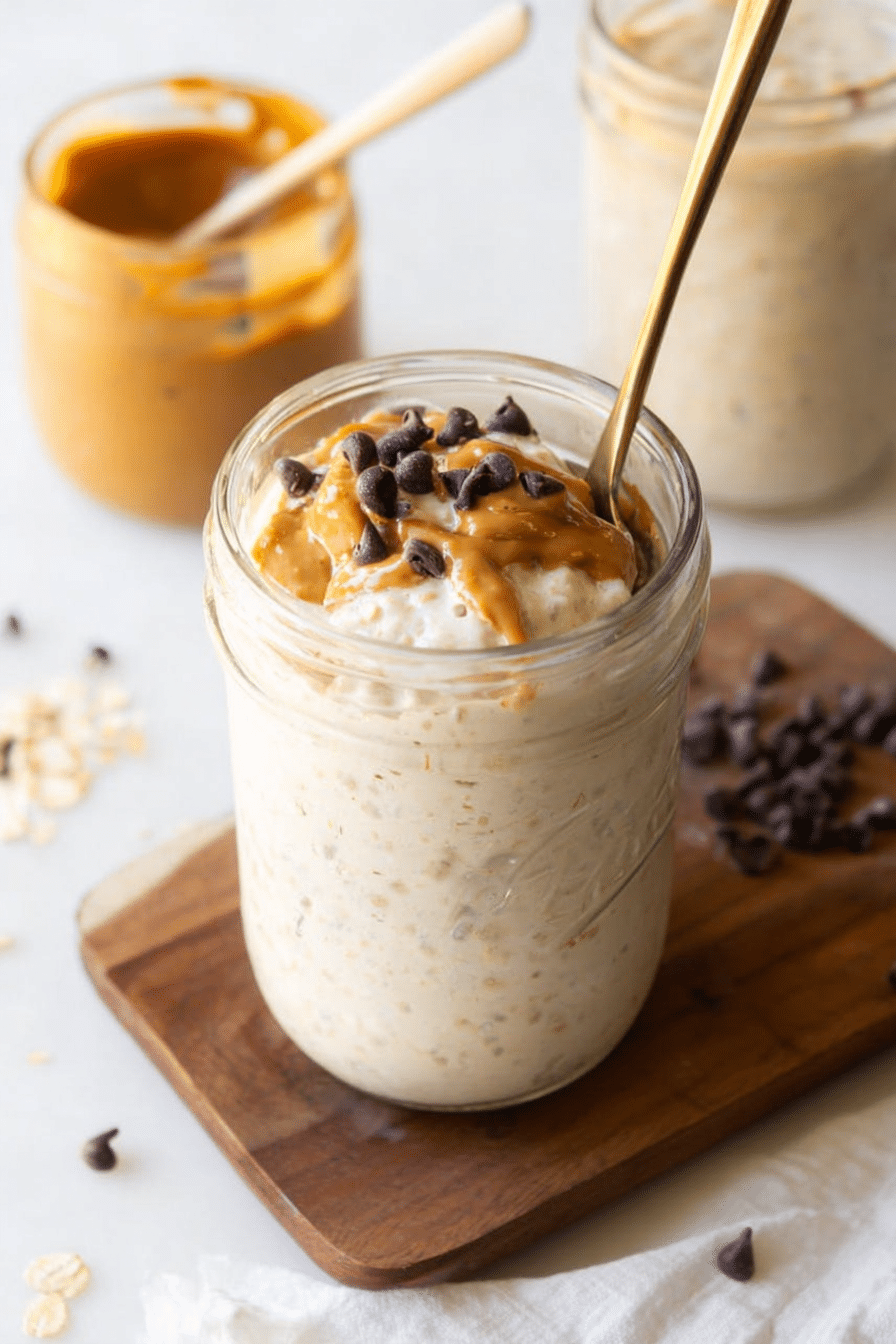
Blended Overnight Oats
Ingredients
Method
- Combine the oats, almond milk, yogurt, maple syrup, and protein powder in a blender.
- Blend until smooth.
- Divide into mason jars, add toppings of choice, and add an airtight lid.
- Refrigerate overnight, then enjoy in the morning!