- Prep
- 20 min
- Cook
- 25 min
- Total
- 45 min
- Serves
- 12
- Calories
- 11 kcal
- Carbs
- 9.00 g
Introduction
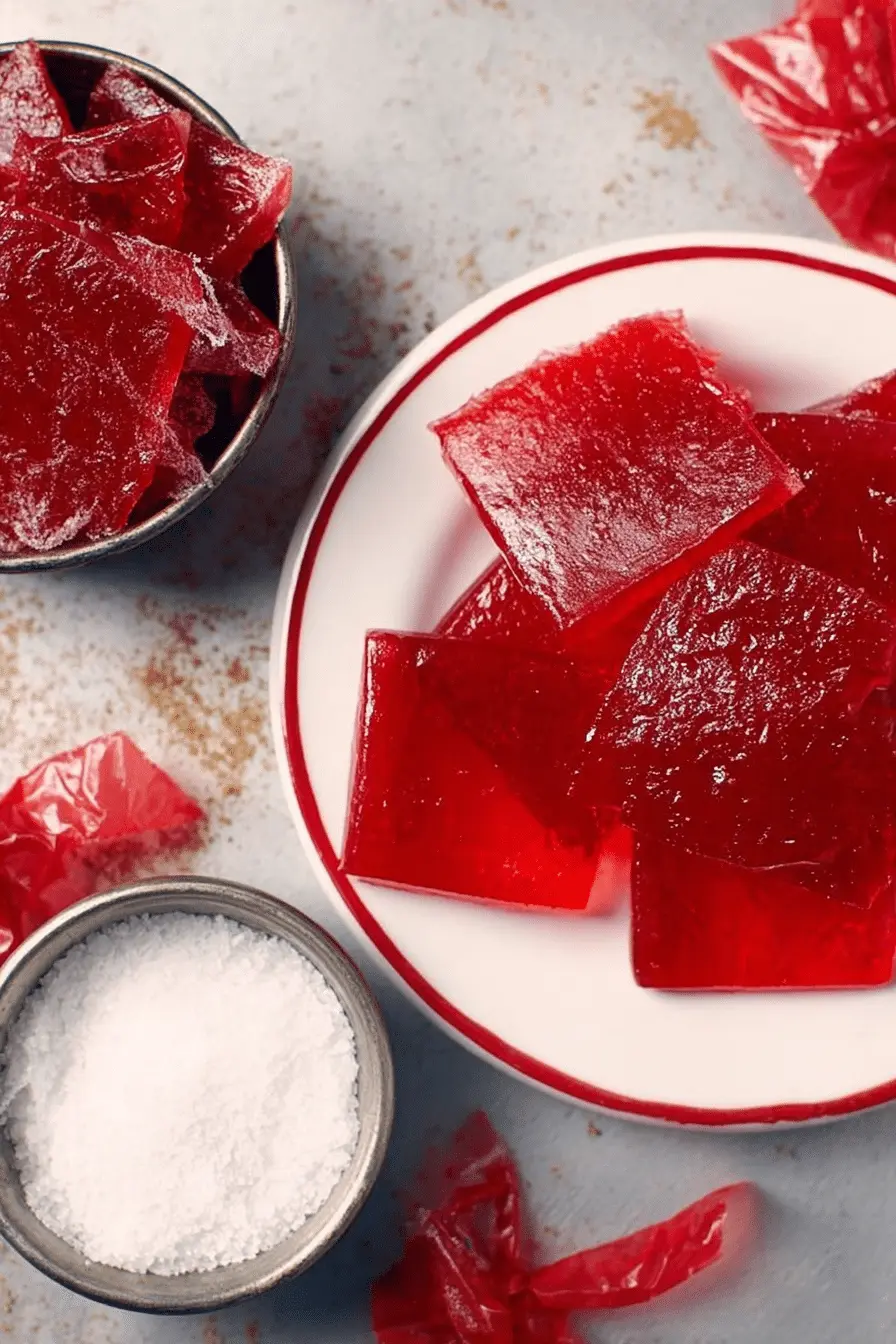
There’s something quietly magical about making candy at home: the way the kitchen smells like warm spice, the bright glossy surface of the finished pieces, and the tiny rush when you crack a piece and hear that satisfying snap. Homemade cinnamon hard candy has been one of my go-to quick projects when I want a small, impressive gift or a spicy topping for ice cream. It’s bold, nostalgic, and oddly grown-up at the same time — exactly the kind of treat I reach for when I want comfort without baking a whole tray of cookies. When I first started making this recipe, the syrup looked impossibly thin and perfectly clear — I worried it would never set. But after it hit the hard-crack stage, the texture turned glassy and brittle in seconds. That quick transition is part of the fun, and it’s also why you need to pay attention. If you enjoy the warm flavor of cinnamon, you might also love our cinnamon roll cake which evokes nostalgic flavors.Ingredients Needed
- Water – dissolves the sugar and controls how quickly the syrup heats.
- Sugar – the main structure of hard candy; creates that glass-like snap when cooked to the right temperature.
- Light corn syrup – helps prevent crystallization and keeps the candy clear and glossy.
- Red liquid food coloring – gives the classic cinnamon-red appearance; use other colors if you want a different look.
- Cinnamon oil – concentrated cinnamon flavor; a little goes a long way, so add it off the heat.
- Confectioners' sugar – used to dust the finished pieces so they don’t stick together and to give a soft finish.
Step-by-Step Instructions
Below I’ve written the process the way I actually cook it in my kitchen, including exact measurements and timing so you can replicate the results. Yield: about 2 pounds. Total time: about 45 minutes (20 minutes prep + 25 minutes cooking, plus cooling).- Prep the pan (5 minutes). Line a 15 x 10 x 1-inch rimmed baking pan with foil and lightly butter the foil. The butter prevents sticking and makes it easier to pry the candy out later. Keep the prepared pan near the stove — you’ll need to pour quickly.
- Combine the base (3–5 minutes). In a large, heavy-bottomed saucepan combine: 1 cup water, 3-3/4 cups granulated sugar, 1-1/4 cups light corn syrup, and 1 teaspoon red liquid food coloring. Stir over medium heat until the sugar dissolves and the mixture is uniform. You want the sugar fully dissolved before any vigorous boiling starts; undissolved crystals can seed crystallization.
- Steam-cover step (3 minutes). Once it’s boiling, cover the pan and let it steam for 3 minutes. This melts any stray sugar crystals on the sides. I always do this because it prevents a grainy finish.
- Cook to hard-crack (about 25 minutes). Uncover and continue cooking over medium-high heat without stirring. Clip a candy thermometer to the pan and watch for 300°F (149°C), the hard-crack stage. This usually takes around 25 minutes, but watch the thermometer — every stove behaves slightly differently. You’ll notice the boil becomes vigorous and the syrup deepens in color and becomes syrupy and slow-moving. Visual cues: very few large bubbles, the surface looks glossy and slightly thicker.
- Remove from heat and add flavor (30 seconds). As soon as the thermometer hits 300°F, remove the pan from the heat. Add 1 teaspoon cinnamon oil and stir quickly but gently to combine. Keep your face away — cinnamon oil fumes are intense and can sting. Adding the oil off the heat preserves its bright aroma; if you leave it on the heat it will evaporate and mute the flavor.
- Pour and cool (about 45 minutes). Immediately and carefully pour the hot syrup into the prepared pan. It will spread quickly; if it looks uneven, tilt the pan gently to level. Let cool completely, about 45 minutes at room temperature. Don’t try to speed-cool it in the fridge — differential cooling can cause cracking patterns you don’t want.
- Break and finish (5–10 minutes). Once cooled, lift the foil out of the pan. Break the candy into pieces using the edge of a metal mallet, a heavy knife, or even the back of a large spoon. Dust both sides lightly with confectioners’ sugar (about 1/3 cup used in the recipe) so pieces won’t stick.
Tips for Beginners: Avoiding Common Mistakes
- Using the wrong thermometer: A candy thermometer is non-negotiable. Oven thermometers or instant-read meat thermometers won’t track the rapid changes. If you don’t have one, the candy won’t reliably reach the hard-crack stage.
- Stirring too much: Once the sugar is dissolved and the mixture is boiling, don’t stir. Stirring can introduce crystals or cause uneven heating. If you see sugar on the sides, cover and let it steam for a few minutes instead.
- Crystallization (grainy candy): If your candy becomes grainy, that often means sugar crystals seeded the syrup. Solution: next time, ensure all sugar is dissolved before boiling and rinse down the sides of the pan with a wet pastry brush while boiling is happening, or cover briefly to let steam melt crystals.
- Not hitting 300°F: If it doesn’t reach the hard-crack stage, the candy will be soft and chewy, not brittle. Continue cooking until the thermometer reads 300°F, and be patient. If you overcook above 310°F, the candy can darken and taste burnt.
- Adding cinnamon oil incorrectly: Cinnamon oil is volatile — it can burn off or create a throat-stinging vapor. Always add it off the heat and step back while stirring it in.
Creative Ways to Package Cinnamon Hard Candy
Packaging is half the fun when you make candy as gifts. I’ve made mason jars filled with mixed-color candy, wrapped small piles in parchment tied with twine, and boxed pieces in small kraft boxes for holiday favors. For an added treat, include homemade chocolate turtles in your candy gift sets to delight your friends.- Mason jars – simple, reusable, and rustic. Layer with tissue or cloth and add a ribbon.
- Glassine bags – they keep the candy from sweating and look classic; seal with a sticker.
- Decorative boxes – line them with parchment and separate layers with wax paper to prevent sticking.
- Eco-friendly options – use recycled paper boxes, biodegradable cellophane, or fabric wraps that can be reused.
Seasonal Variations for Holidays
Holiday versions are my favorite. For Valentine’s Day I tint the candy a deeper red and break it into heart-shaped pieces, while at Halloween I sometimes pour into silicone molds for spooky shapes. Consider creating festive gift sets that include our pumpkin cheesecake truffles for a seasonal treat!- Valentine’s Day: Use red food coloring and break into heart-sized pieces; add a tiny dusting of edible shimmer for a polished look.
- Halloween: Make orange or black candies and use skull or bat silicone molds; pair with spicy pumpkin flavors for a fall box.
- Christmas: Mix red and green swirls by pouring two colors side-by-side and using a toothpick to drag subtle marbling; break into small pieces and wrap in clear cellophane with a festive tag.
- Autumn twist: Add a whisper of ground nutmeg or a drop of apple oil to complement the cinnamon — keep oils minimal so they don’t affect set.
Ideas for Incorporating Unique Ingredients
If you like experimenting, cinnamon candy takes additions well — but there are rules. Essential oils (ginger, lemon, orange) are potent and should be added off the heat. Extracts like vanilla or almond are water-based and can be added carefully; they will be milder.- Ginger oil – adds a warm, lingering bite; use very sparingly or it will overpower the cinnamon.
- Nutmeg or cloves – ground spices are flavorful but can make the candy cloudy; better to infuse a small amount of spice into the water briefly and strain before cooking.
- Citrus oils (lemon, orange) – brighten the flavor and can cut the intensity of cinnamon; add off the heat in tiny amounts because oils are strong.
- Herbal notes – cardamom or star anise can be used but treat them like spices: infuse, strain, then cook the syrup.
Healthier Options for Hard Candy Lovers
Hard candy is still a sugar-forward treat, but there are ways to tweak it if you’re mindful of ingredients. Note that swapping sugars can change the texture significantly — be prepared for softer results unless you use specialized sugar alcohols designed for candy. If you're looking for a sweet alternative, try our cinnamon sugar swirl muffins for a healthier take on indulgence.- Using honey or agave: These liquid sweeteners keep the candy softer and can make the flavor richer, but they won’t form the same brittle snap as pure granulated sugar cooked to hard-crack.
- Sugar-free versions: Require special ingredients like isomalt or erythritol and different cook temperatures; follow sugar-free-specific recipes for best results.
- Smaller portions: One practical approach is portion control — make the classic recipe but pack it into smaller pieces so you enjoy the flavor with less sugar per serving.
- Cinnamon benefits: Cinnamon is high in antioxidants and has been studied for potential blood-sugar effects, but candy is still a treat — don’t rely on it for health benefits.
Troubleshooting Quick Reference
- Sticky candy: Humidity is the enemy. Store in airtight containers with a packet of dry rice or a small desiccant if your climate is humid.
- Too chewy: You didn’t reach the hard-crack stage. Reheat carefully to 300°F if needed, but be cautious — reheating can darken flavor.
- Bitter or burnt taste: You cooked the sugar too long or too hot. Discard and start fresh; burnt sugar is impossible to fix.
FAQ
How long does it take to make cinnamon hard candy? The total time to make cinnamon hard candy is about 45 minutes, which includes 20 minutes of preparation and 25 minutes of cooking. Can I use a different food coloring for the candy? Yes! You can use any food coloring you prefer. Just keep in mind that the color could affect the appearance of your final candy. What can I do if my candy doesn't reach the hard-crack stage? Ensure you are using a candy thermometer to monitor the temperature accurately. If it doesn't reach 300°F, continue cooking while keeping an eye on the temperature. How should I store my cinnamon hard candy? Store your cinnamon hard candy in an airtight container at room temperature to keep it fresh and prevent it from becoming sticky. Can I add other flavors to the cinnamon hard candy? Absolutely! You can experiment with adding flavors like ginger or citrus oils to create unique variations of the cinnamon candy.Conclusion and Final Thoughts
Making cinnamon hard candy at home is quick, satisfying, and a little theatrical. It gives you bright, punchy cinnamon flavor in a format that’s perfect for gift-giving, topping desserts, or stashing in a jar by the stove for an instant pick-me-up. I keep a small bottle of cinnamon oil in my pantry for this exact reason — a tiny drop transforms the candy from sweet to spicy and aromatic. Try the basic recipe a couple of times to get comfortable with the thermometer and the timing. Once you’re confident, experiment with colors, shapes, and complementary oils. I’d love to hear what combinations you try — tag a friend, make a gift set, or write a quick note below telling me whether you prefer a bright citrus twist or a full-on spicy ginger bite.Recipe Card
Delicious Cinnamon Hard Candy Recipe – A Sweet Treat for Any Occasion
- Prep
- 20 min
- Cook
- 25 min
- Total
- 45 min
- Serves
- 12
- Calories
- 11 kcal
- Carbs
- 9.00 g
Ingredients
- 1 cupwater
- 3-3/4 cupssugar
- 1-1/4 cupslight corn syrup
- 1 teaspoonred liquid food coloring
- 1 teaspooncinnamon oil
- 1/3 cupconfectioners' sugar
Instructions
- 1
Line a 15x10x1-inch pan with foil, then butter the foil and set the pan aside.
- 2
In a large, heavy saucepan, combine the water, sugar, corn syrup and food coloring. Bring to a boil over medium heat, stirring occasionally. Cover and cook for an additional three minutes, or until any sugar crystals have dissolved.
- 3
Uncover the pan, and cook on medium-high heat, without stirring, until a candy thermometer reads 300°F (the hard-crack stage), about 25 minutes.
- 4
Remove the saucepan from the heat, and stir in the cinnamon oil. Caution: Keep your face away from the cinnamon oil as you're adding it to the pan.
- 5
Immediately pour the hot liquid into the prepared pan. Let it cool completely, about 45 minutes.
- 6
Break the candy into pieces using the edge of a metal mallet. Sprinkle both sides of the candy with confectioners' sugar.
You might also like
Reviews
Be the first to review this.