- Prep
- 15 min
- Cook
- 18 min
- Total
- 38 min
- Serves
- 12
- Calories
- 52 kcal
- Carbs
- 0.30 g
On this page13 quick jumps
TOC
13 quick jumps
Introduction
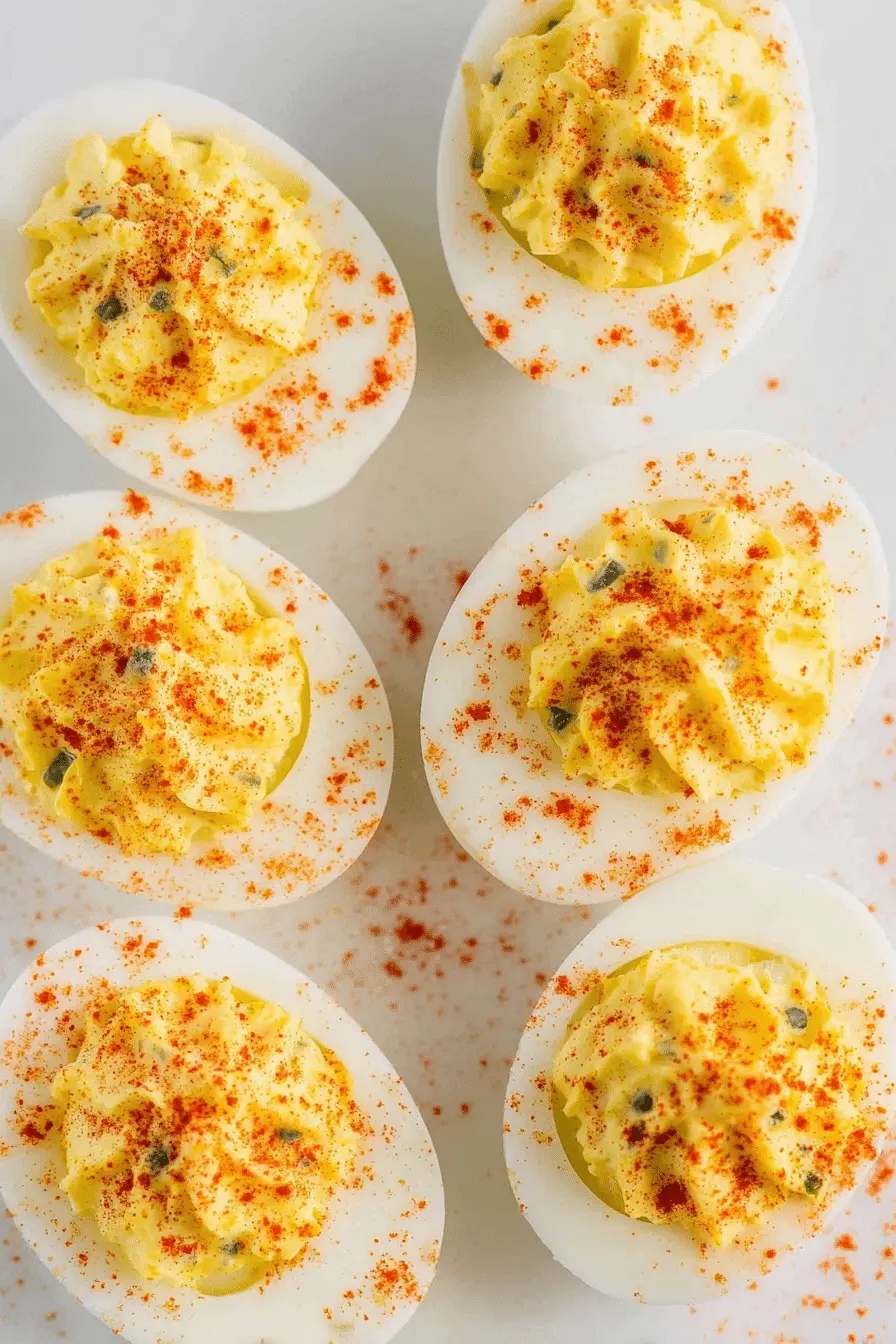
I have a soft spot for deviled eggs — they were the first appetizer I learned to bring to family gatherings, and they still get the same warm, nostalgic nods every time I set a platter down. In my kitchen they mark reunions, holiday tables, and lazy summer picnics; making them well feels like keeping a small, delicious tradition alive. Over the years I’ve learned that the difference between good deviled eggs and memorable ones is small — a tiny adjustment in seasoning, the right mayo, a confident hand when piping the filling. I’ll share the exact little choices I make so you can repeat them in your kitchen. If you want deviled eggs that look as thoughtful as they taste, this is the dependable approach I turn to time and again.Why These Classic Deviled Eggs Are a Timeless Crowd-Pleaser
Deviled eggs carry a bit of domestic history in each half: they show up at baptisms and barbecues, church luncheons and holiday buffets. I remember my grandmother arranging them on a china platter, the paprika dusting looking like a blush on each white crescent — guests always reached for them first. That same mix of simplicity, comfort, and familiar flavor is why they keep returning to menus across generations. Sensory note: picture cool, satin‑smooth whites, a bright yellow filling with a whisper of mustard, and the warm, dry pop of paprika on top. Those contrasts — cool and creamy, bright and savory — are what make deviled eggs so satisfying to eat and easy to love.Everything You Need for Classic Deviled Eggs
Below I describe the role each ingredient plays and offer swap ideas so you can match the recipe to your pantry or preferences. I won’t list measurements here — those belong in the recipe card — but I will tell you exactly what to look for when you shop.- Eggs – Fresh for flavor, but not ultrafresh: eggs that are a few days old peel more reliably. Choose brown or white shells based on what you prefer; yolk color depends on feed, not quality.
- Mayonnaise – The backbone of creaminess. A higher‑fat, good‑quality mayonnaise gives a silkier mouthfeel; for tang, choose one with a touch of lemon or try mixing in a small amount of plain Greek yogurt.
- Mustard – Provides the lift and zip. I use a sturdy yellow or a smooth Dijon for a little more complexity; whole‑grain mustards add texture if you like tiny flecks in the filling.
- Salt & black pepper – Essential seasoning. Fine salt blends more evenly into the yolks; freshly cracked black pepper is the last note that brightens the filling.
- Paprika – For color and a hint of sweet pepperiness. Smoked paprika is a nice variation if you want depth.
- Optional add‑ins – Think diced pickles, chives, capers, a dash of hot sauce, or finely crisped bacon for texture and personality.
- Tools – A medium pot for boiling, a bowl for mixing, a fork for mashing, and a piping bag or small spoon for filling the whites will make assembly smooth and presentable.
A Short History of Deviled Eggs: From Hors d'oeuvre to Holiday Staple
Eggs have been stuffed and seasoned since ancient times; recipes for boiled eggs with savory fillings turn up in Roman texts. The term “deviled” emerged in the 18th century to describe spicy or zesty preparations. In the U.S., deviled eggs migrated from elegant hors d’oeuvres to everyday hospitality food — they’re easy to scale and transport, which helped cement their place at communal tables. Over time regional twists proliferated: Southern versions lean on pickle and pimento, while other variations add seafood or curry. Lately, chefs have reintroduced them on restaurant menus with refined garnishes, but the core appeal remains the same — simple ingredients arranged with care.The Secret to the Perfect Texture: Yolks, Mayo, and Mustard Ratios
The ideal filling is silky, not dry or runny. In practice that means balancing the dense, crumbly yolk solids with enough fat and acid to make them spreadable. Aim for a filling where the mayonnaise slightly exceeds the mashed yolks by volume — roughly a 1:1 to 1.5:1 mayo:yolk ratio — with a small but noticeable thumbprint of mustard for lift. Too little mayo and the mixture is pasty; too much and the filling loses body. When I mash the yolks, I start coarse and then smooth them gradually, tasting as I go: more mayo for silk, a touch more mustard if it needs brightness, and salt at the end to anchor everything. If you want neat presentation, the consistency should hold its shape on a spoon yet be soft enough to pipe through a pastry bag.How to Hard‑Boil and Peel Eggs Every Time
- Place eggs in a single layer in a pot and add just enough cold water to cover them by an inch or so.
- Bring the water to a gentle boil over medium‑high heat. Once boiling, cover the pot, remove it from direct heat, and let the eggs sit undisturbed for the time in the recipe — this gentle finish prevents overcooking the whites.
- Immediately transfer the eggs to an ice water bath to stop carryover cooking; chilling also helps the membrane separate from the shell.
- To peel, gently crack the shell all over and roll the egg under your palm to loosen the shell, then peel under running cold water to help lift stubborn bits.
- If a shell clings, you can peel from the wider end where there’s usually a small air pocket that gives you a starting edge.
Pro Tip for classic deviled eggs: One Simple Trick for Perfect Peeling
- Use eggs that are several days old rather than ones laid that morning — slightly older eggs peel more cleanly.
- Crack the shells gently before placing eggs in the ice bath; tiny fractures let water slip under the membrane, making peeling easier.
- Add a splash of vinegar to the boiling water if you’re worried about clingy shells; it helps the membrane separate from the shell.
- I also find that peeling under cold running water speeds things up and reduces the risk of tearing the white.
How to Make Classic Deviled Eggs (Step-by-Step)
- Slice your cooled, peeled eggs lengthwise so the white halves form neat cups.
- Scoop the yolks into a bowl and mash them with a fork until crumbly, then smooth them out by stirring in mayonnaise and mustard until you reach the consistency described earlier.
- Season gradually with salt and pepper, tasting as you go — a small adjustment can make a big difference.
- Choose how to fill the whites: spoon the mixture in for a rustic look, or transfer to a piping bag fitted with a star tip for a classic, decorative swirl.
- Finish with a dusting of paprika for color, and for a final flourish add a snip of chive, a tiny pickle dice, or a single bacon crumble on top.
- Troubleshooting — If the filling is too dry, stir in a little more mayonnaise one teaspoon at a time until smooth. If it’s too loose, fold in extra mashed yolk or chill the mixture briefly to firm it up. If the eggs taste flat, a squeeze of lemon or a dash of mustard can brighten them instantly.
Easy Variations and Healthy Substitutions to Try
- Smoked paprika and a tiny drizzle of olive oil for a slightly smoky gloss.
- Swap part or all of the mayonnaise with plain Greek yogurt for a tangier, lower‑fat filling.
- Mix in mashed avocado instead of mayo for a green, creamy variation with heart‑healthy fats.
- Add chopped dill, capers, or finely diced pickles for briny contrast.
- For heat, stir in a little sriracha, horseradish, or cayenne — add a little at a time to control the spice.
- Top with crispy shallots or toasted seeds for crunch and texture contrast.
How to Store, Make-Ahead, and Serve Classic Deviled Eggs
- If making ahead, store the cooked, peeled whites in airtight containers and keep the filling in a separate sealed bowl in the refrigerator; fill the whites shortly before serving for the best texture.
- Once filled, deviled eggs are best eaten the same day — they’ll keep in the fridge for up to 24 hours, but the filling can begin to weep if stored long-term.
- Transport tips: keep filled eggs on a flat tray with parchment between layers and cover gently to avoid smudging decorative tops.
- To present, arrange halves on a platter in concentric circles and finish with a light dusting of paprika or a small herb sprig for color and contrast.
Frequently Asked Questions
How do I hard-boil eggs perfectly? To hard-boil eggs perfectly, place them in a pot covered with water, bring to a boil, then cover and remove from heat. Let them sit for 15 minutes before cooling in an ice bath for easy peeling. Can I make classic deviled eggs ahead of time? Yes! You can prepare the filling in advance and store it in the fridge. Just fill the egg whites right before serving for the best texture. What can I use instead of mayonnaise? If you're looking for a healthier option, you can substitute Greek yogurt or avocado for mayonnaise in the filling. How do I get the egg shells to peel off easily? A pro tip for easy peeling is to use slightly older eggs, as fresh eggs are more difficult to peel. Also, make sure to cool them in an ice bath after boiling. What are some variations I can try with deviled eggs? You can add ingredients like chopped herbs, bacon bits, or even a touch of hot sauce for a twist. Experimenting with different spices can also enhance the flavor!Ingredients
- 12 largeeggs
- 1/4 cupmayonnaise
- 1 tablespoonmustard
- 1/2 teaspoonblack pepper
- 1 pinchsalt
- —Paprika (optional garnish)
Instructions
- 1
In a medium pot, place the eggs with just enough water to cover them.
- 2
Bring to a boil over medium-high heat and boil for 3 minutes. Then cover and remove from heat and let sit for 15 minutes, covered.
- 3
Remove the eggs from pan and place in an ice water bath for at least 5 minutes. Then remove the shell from each egg and set aside on a paper towel.
Taste as you go. Recipes are a guide, not a contract.
- 4
Slice the eggs the long way and scoop the yolk out and place in a medium sized bowl.
- 5
Mash the cooked egg yolks slightly with a fork until crumbly.
- 6
Add mayo, mustard, salt and pepper and stir until smooth.
- 7
Spoon the mixture into the egg halves and top with paprika.
Recipe Card
The Classic Deviled Eggs My Guests Always Ask For
Keep it handy for later, send it to someone cooking with you, or open the clean print view.
- Prep
- 15 min
- Total
- 38 min
- Serves
- 12
You might also like
The Salad My Guests Always Ask For: Strawberry Watermelon & Burrata
May 23, 2026
The Smashed Asian Cucumber Salad I Make for Hot Weeknights
May 23, 2026
The Kid-Approved Orange-Honey Fruit Snacks That Boost Immunity
May 21, 2026
How I Stash Summer in Jars: Watermelon Jelly (Quick & Easy)
May 21, 2026
Reviews
Be the first to review this.