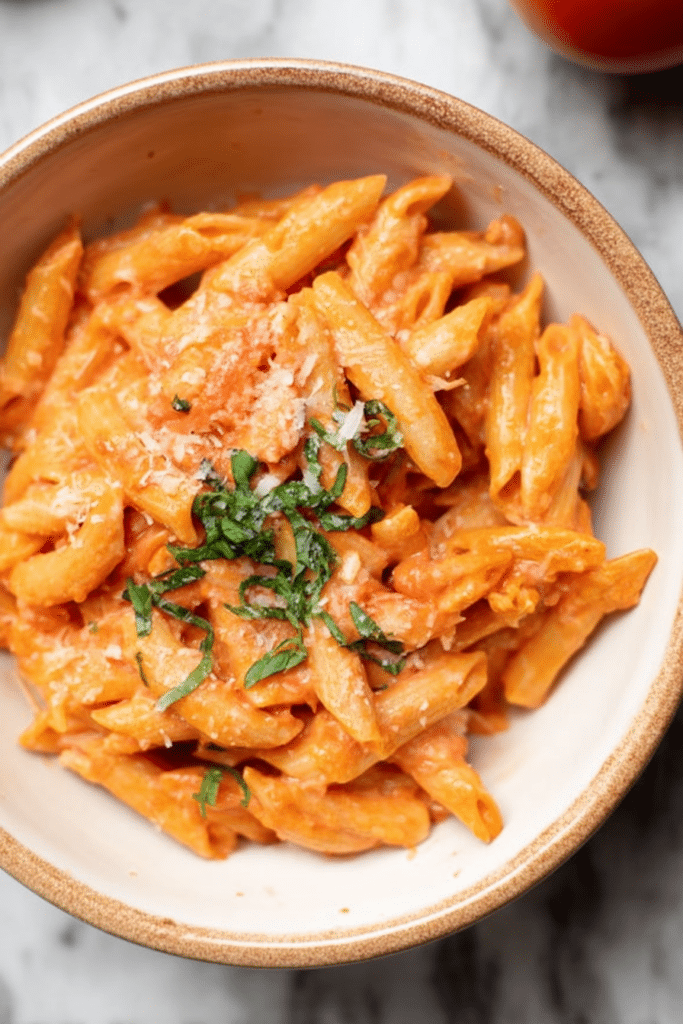
I remember the first time I made this creamy tomato pasta: it was a rainy Thursday, I had a cold bottle of wine and a tired appetite, and I wanted something that felt like a hug but didn’t demand a sink full of pans. The sauce began as a humble can of tomato sauce and a dab of butter, but five minutes later it was glossy and velvety, clinging to each forkful of pasta. The smell in the kitchen changed from sharp tomato to warm, slightly sweet and buttery — exactly what I wanted on a night in.
This version is the one I come back to when I want something reliable: a small stash of pantry staples, a couple of fresh ingredients if I have them, and about 25 minutes. I first adapted it when I had leftover cream from making mashed potatoes and a nearly-empty can of tomato sauce. The sauce tightened up beautifully and I learned to trust the simple step of finishing it with cream — it mellows the acidity and gives the pasta a silky mouthfeel that sticks to every twist of fusilli or penne.
Ingredients You’ll Need
- Pasta – any short or medium shape that holds sauce well (penne, fusilli, rigatoni work great).
- Butter – for richness and to carry the garlic flavor; it helps the sauce finish silky.
- Garlic – minced to perfume the butter; it should smell warm and slightly sweet after a minute in the pan.
- Tomato paste – concentrates tomato flavor and gives color and body to the sauce.
- Tomato sauce – the base; canned is convenient and consistent, but fresh can be used (see FAQs).
- Heavy/whipping cream – makes the sauce creamy and luxurious; dairy alternatives can stand in for a vegan version.
- Italian seasoning – a simple blend of dried herbs to add depth without fuss.
- Salt & pepper – essential for balancing flavors; salt in particular lifts the tomato and cream.
- Parmesan cheese – freshly grated at the end for nutty, savory finish and to thicken the sauce slightly.
- Optional additions – red pepper flakes for heat, a splash of pasta water to loosen the sauce, or fresh basil for brightness.
For a richer flavor, try making your own homemade roasted tomato sauce using fresh tomatoes.
Step-by-Step Instructions
- Bring a large pot of salted water to a rolling boil. Add 8 ounces of your chosen pasta and cook according to package directions until al dente. I usually set my timer for 1 minute less than the package suggests and test a piece — al dente should be tender but with a slight bite. Save about a cup of starchy pasta water before you drain.
- While the pasta starts cooking, heat a skillet over medium-high and add 2 tablespoons of butter. Watch carefully: butter foams and then settles; when the foam subsides and the pan smells nutty, it’s time to add the garlic. Toss in the minced 2 to 3 cloves of garlic and stir constantly for about 30–60 seconds. You should smell the garlic go from sharp to sweet — if it browns too quickly, lower the heat. Burnt garlic tastes bitter and will ruin the sauce.
- Add 2 tablespoons of tomato paste to the pan and let it toast briefly, stirring. This deepens the tomato flavor — you’ll notice the paste darken and the aroma become more concentrated. Then pour in a 14-ounce can of tomato sauce and stir until combined and smooth.
- Pour in 3/4 cup heavy (whipping) cream and add 1/4 teaspoon Italian seasoning. Turn the heat down to medium-low so the sauce barely simmers; you want gentle movement, not a vigorous boil. Let the sauce simmer for about 5 minutes, stirring occasionally. It will thicken slightly and become glossy. If it looks too thin at first, be patient — after a couple of minutes on low it will coalesce and coat a spoon.
- Season with salt and freshly ground black pepper to taste. I tend to be generous with salt here because tomatoes can taste flat without it. If the sauce tastes too bright or tangy, add a small pinch of sugar and taste again; a little sugar balances acidity without making the sauce sweet.
- Drain the pasta and return it to the pot or a warm bowl. Pour the sauce over the pasta and toss to combine. If the sauce feels too thick, add a splash of reserved hot pasta water — that starchy water emulsion helps the sauce cling to the pasta and create a silky coating. Finish with a handful of freshly grated parmesan and toss again. Serve immediately so the sauce stays creamy and glossy.
Yield: about 4 servings. Total time: roughly 25 minutes from start to finish.
Tips for Enhancing Flavor
- Toast the tomato paste – browning the paste for 30–60 seconds before adding sauce brings out a deeper, roasted tomato flavor.
- Use pasta water – it’s liquid gold. A spoonful or two of hot starchy water will rescue a sauce that’s gone too thick and helps emulsify the cream and tomato for a glossy finish.
- Taste and season in layers – add a little salt after the sauce comes together and taste again after the pasta is in. Salt is the final arbiter of flavor.
- Don’t overcook garlic – it should be fragrant and pale golden; once it browns it turns bitter and ruins the sauce’s sweetness.
- Finish with acid if needed – a tiny splash of lemon juice at the end brightens the cream without adding acidity that competes with the tomato.
- Parmesan versus cheese alternatives – a few tablespoons of freshly grated parmesan melt into the sauce and thicken it gently. If you only have pre-grated cheese, add it off the heat to avoid graininess.
- Adjust sweetness sensibly – if the tomatoes are aggressive, a pinch of sugar or a grated carrot cooked with the garlic can calm them without tasting sweet.
Unique Dietary Adaptations
I test this recipe in different households, so I know it’s easy to adapt without losing the core comforting texture.
- Vegan – swap the butter for olive oil and use a plant-based cream such as canned coconut cream (use sparingly to avoid coconut flavor) or a cashew cream made by blending soaked cashews with water. Omit the parmesan or stir in nutritional yeast for a cheesy note.
- Gluten-free – any gluten-free pasta works fine; cook according to package directions since cooking times vary. Rice-based or chickpea pastas are great for protein boost, but drain them a little earlier if they risk getting mushy.
- Lower-fat – use half-and-half instead of heavy cream, or a milk + a teaspoon of flour whisked together to thicken. The sauce will be lighter but still creamy when finished with a bit of butter or olive oil and parmesan.
- Extra vegetables – add sauteed mushrooms, roasted bell peppers, or baby spinach for more texture and nutrition. Toss them into the sauce at the end so they don’t overcook.
- Protein additions – shredded rotisserie chicken, sautéed shrimp, or browned Italian sausage integrate well. If adding shrimp, finish them in the pan for just a few minutes so they stay tender.
Serving Suggestions
For a delightful combination, consider pairing your creamy tomato pasta with creamy garlic butter shrimp.
Serve this pasta in shallow bowls so the sauce pools slightly and each forkful captures sauce, cheese, and pasta. I like to finish with a scattering of torn fresh basil and extra parmesan at the table — basil adds a bright herbal note that cuts through the cream, and the cheese gives a savory finish. A drizzle of good olive oil just before serving deepens the flavor and adds a silky sheen.
Pair with a simple green salad dressed in lemon vinaigrette, or roast some cherry tomatoes and toss them on top for texture. For wine, pick a medium-bodied red like a Sangiovese or a chilled Pinot Noir; both have acidity to stand up to the tomato without overpowering the cream.
As a light addition, serve your creamy tomato pasta alongside an easy Mediterranean orzo salad.
FAQs about Creamy Tomato Pasta
- Can I use fresh tomatoes instead of canned for this recipe?
Yes, you can use fresh tomatoes! Just make sure to peel and chop them before adding to the sauce. You’ll need about 2-3 cups of fresh tomatoes to substitute for the canned variety. - How do I store leftovers of creamy tomato pasta?
Store any leftovers in an airtight container in the fridge for up to 3-4 days. Reheat in a microwave or on the stovetop, adding a splash of cream or pasta water to loosen the sauce if needed. - Can I make this dish vegan?
Absolutely! You can use plant-based cream like coconut cream or cashew cream and skip the cheese or use nutritional yeast for a cheesy flavor. - Is it possible to freeze creamy tomato pasta?
Yes, you can freeze the pasta and sauce separately for up to 3 months. Thaw before reheating and add a bit of liquid to bring back the creamy texture. - What type of pasta works best for creamy tomato pasta?
Any pasta works well, but shapes like penne or fusilli are great for holding onto the sauce. Feel free to choose your favorite! - My sauce is too thin — what do I do?
If the sauce is too thin, simmer gently on low until it reduces and thickens. You can also stir in a handful of parmesan off the heat to help thicken it, or add a tablespoon of tomato paste to intensify and thicken. - My sauce is too acidic — how do I balance it?
A small pinch of sugar often works. Alternatively, a little extra cream or a pat of butter will mellow sharp acidity. Taste as you go — add very small adjustments until the balance feels right.
Conclusion and Final Thoughts
This creamy tomato pasta is the kind of recipe I keep in heavy rotation because it’s forgiving, fast, and deeply satisfying. It teaches you a few small techniques — toasting tomato paste, minding the garlic, using pasta water — that make weeknight cooking feel a bit more grown-up. Most importantly, it’s a recipe you can personalize: more heat, more herbs, a protein here or extra veg there.
If you love creamy textures, you might also enjoy our garlic parmesan pasta for its rich flavor and comfort.
Make it your own. Try it with a different herb, swap the cream for a vegan alternative, or add roasted veggies when tomatoes are at their best. When I serve this, I watch people pause after the first bite — the silence a good sign — and I always feel rewarded for choosing something simple and honest. If you try it, note what you changed and how it turned out; that’s the best part of cooking at home.
Leftovers generally taste even better the next day, and this recipe scales easily if you need to feed a crowd or save portions for lunches. Enjoy the process and the small moments — the way the sauce clings to the fork, the scent that fills the kitchen, and the easy warmth it brings to the table.
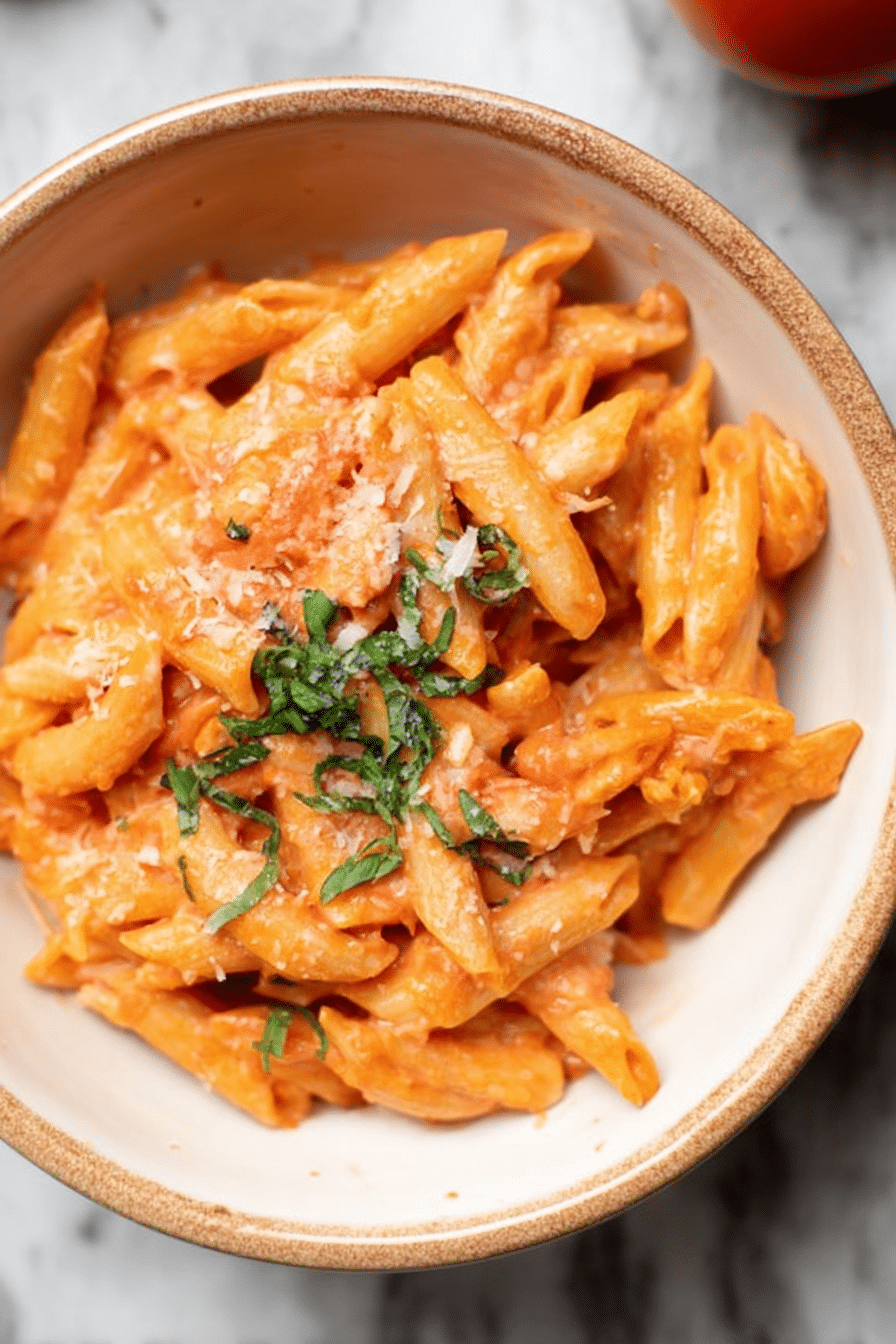
Creamy Tomato Pasta
Ingredients
Method
- Boil a large, salted pot of water for your pasta and cook it al dente according to package instructions.
- Meanwhile, add the butter to a skillet over medium-high heat. Once it melts, add the garlic and sauté for about a minute, stirring constantly.
- Add in the tomato paste, tomato sauce, cream, and Italian seasoning. Stir until it's nice and smooth. Let the sauce cook for about 5 minutes or until it's thickened to your liking.
- Season the sauce with salt & pepper as needed. If the sauce is a little too acidic/tangy for your liking, add in a pinch of sugar.
- Drain the pasta and toss with the sauce (add a splash of hot pasta water if the sauce gets too thick). Serve immediately with plenty of parmesan cheese over top.