Tags
- Prep
- 20 min
- Cook
- 25 min
- Total
- 55 min
- Serves
- 3
- Calories
- 300 kcal
- Carbs
- 40.00 g
Introduction
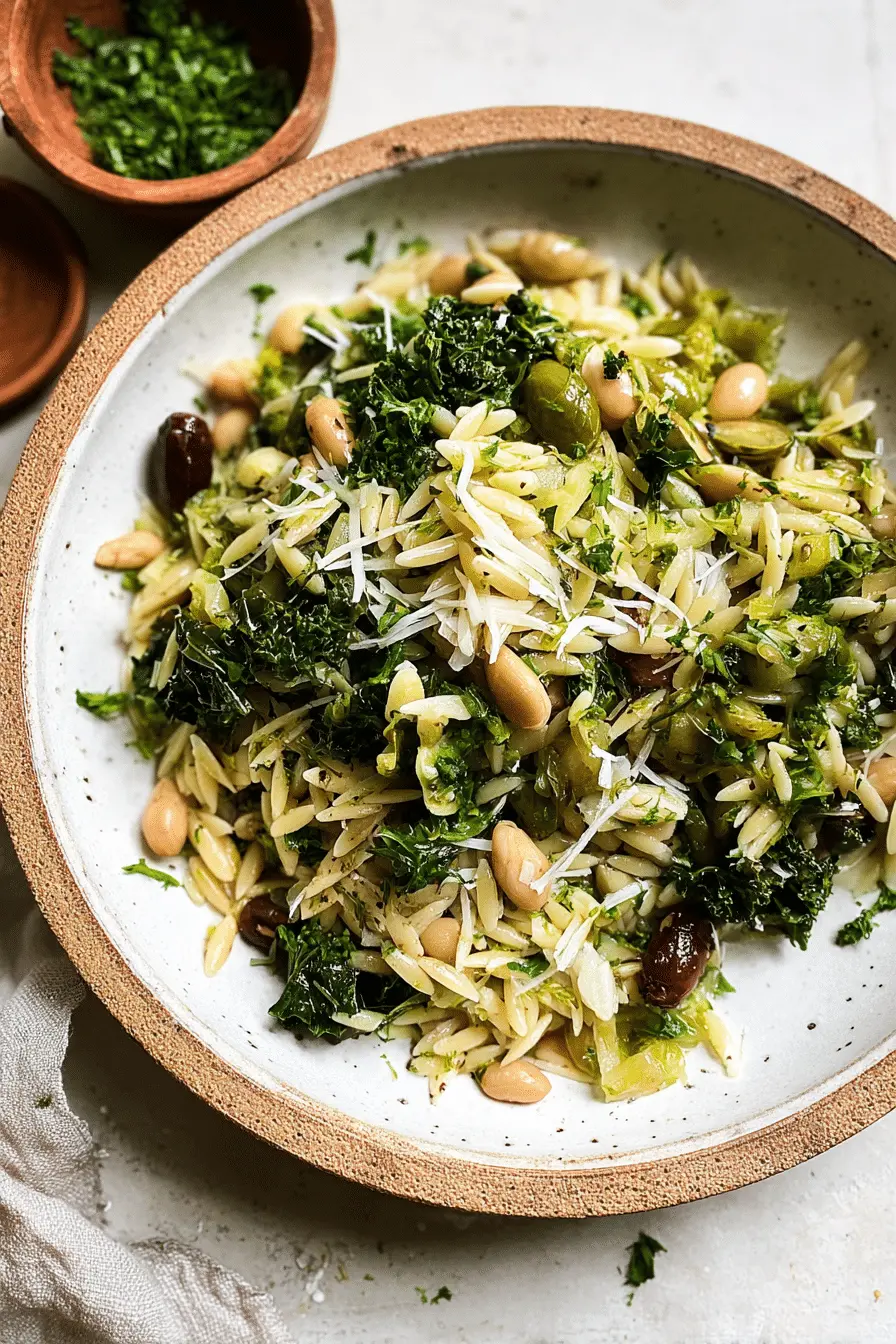
I made this spring orzo salad three times in a week the first time I tested it — once for a thrown-together weeknight dinner, once to bring to a friend’s potluck, and once because I woke up craving the bright lemony tang. The first thing that hits you is the smell: lemon, fresh herbs and warm roasted asparagus. The asparagus gives a gentle charred note while the artichokes and olives add a briny counterpoint. Orzo is the perfect base here because it stays tender and soaks up that vinaigrette without getting gummy. This salad is exactly the kind of spring dish I cook when I want something that’s both light and satisfying — a little lemon, a little honey in the dressing, the soft pop of butter beans, herbs that cut through everything. It’s versatile, forgiving, and works warm or chilled. Below I’ll walk you step-by-step through how I roast the asparagus so it keeps some bite, how I cook orzo so it never sticks, and how to balance the vinaigrette so it sings instead of being flat.Ingredients You'll Need
This section breaks the recipe into easy categories and gives tips on picking the freshest produce. I describe the ingredients conversationally rather than listing strict measurements — use the amounts from the recipe if you need exact quantities, but these descriptions will help you swap and adapt.- Orzo – tiny rice-shaped pasta that soaks up dressing; swap for gluten-free orzo or cooked quinoa for a gluten-free option.
- Asparagus – the star spring vegetable here; pick firm, bright green stalks with closed tips so they roast up sweet and slightly charred.
- Butter beans – creamy and filling, they add body and protein without overpowering the salad.
- Green olives – bring briny, savory bursts; I like roughly chopped ones so you get little pops of flavor in every bite.
- Artichoke hearts – tender and slightly tangy; jarred marinated artichokes work great when fresh aren’t available.
- Parsley – bright and grassy; finely minced to spread its flavor evenly through the salad.
- Dill – adds a light anise-like lift that feels very springy; use less if you’re not a big dill fan.
- Lemon – both juice and zest; the zest adds a perfume that juice alone doesn’t provide.
- Extra-virgin olive oil – the backbone of the dressing; a fruity oil works best here.
- Honey – a touch of sweetness to balance the lemon; maple syrup is a fine plant-based substitute.
- Garlic – minced or grated for a smooth, even garlicky note without rough chunks.
- Salt & freshly cracked black pepper – essential for bright, balanced flavor; taste and adjust rather than adding more lemon or honey first.
Step-by-Step Instructions
This is how I cook this salad in my kitchen. The recipe yields about three servings if you’re using it as a main for light eaters, or 4–6 as a side. Timing note: I roast the asparagus and cook the orzo at the same time so everything’s hot and ready together.- Preheat your oven to 450°F and line a sheet pan with parchment. High heat gives the asparagus a quick caramelization without drying it out.
- Rinse the asparagus, trim the woody ends, and chop into roughly 1-inch pieces. Toss on the sheet pan with a drizzle of olive oil and a pinch of salt. Roast for about 20–25 minutes until the pieces are browned at the tips and slightly charred — you want some chew left, not a limp steamed texture. In my oven 22 minutes is the sweet spot.
- While the asparagus roasts, bring a pot of salted water to a boil and cook the orzo according to package directions. Make sure the water is properly salted — it should taste like the sea — because pasta absorbs seasoning while it cooks.
- In a large bowl combine the drained butter beans, chopped olives, halved artichoke hearts, and the minced parsley and dill. This way you’re not over-handling the cooked components; they’ll keep their texture better.
- When the orzo is al dente, drain it and run briefly under cold water if you plan to serve the salad chilled — this stops cooking and prevents the orzo from turning gluey. If serving warm, reserve a cup of the hot orzo to help loosen the dressing if needed.
- Make the vinaigrette in a small saucepan: lemon juice, olive oil, honey, lemon zest, grated garlic and cracked pepper. Warm it gently on medium-high just until it starts to froth, then remove — warming the dressing mellows the garlic and helps the honey dissolve evenly. If your dressing separates, whisk in a spoonful of warm water or a pinch of mustard as an emulsifier.
- Add the roasted asparagus and cooked orzo to the bowl with the beans and artichokes. Pour the warm vinaigrette over everything and toss gently. Taste and adjust: if it tastes flat, add salt; if it’s too assertive, a teaspoon of honey will round it out.
- Let the salad sit 5–10 minutes before serving so the flavors marry. You can serve it warm right away or chill for a more classic pasta salad texture.
Benefits of Fresh Seasonal Ingredients
Spring produce is often slimmer in calories but richer in vitamins and delicate flavors since it hasn’t been stored for months. Using seasonal ingredients here — asparagus, fresh herbs, early artichokes or peas — gives the salad a brightness that frozen or out-of-season produce can’t match. Nutritionally, asparagus is high in folate and vitamins A and K; herbs like parsley and dill deliver vitamin C and antioxidants; butter beans add fiber and plant-based protein. Fresh ingredients change the texture and mouthfeel: roasted asparagus has a slight resistance that feels satisfying against pillowy orzo; fresh dill and parsley add a soft grassy chew rather than the muted flavor you get from dried herbs. Buying from farmers’ markets or a good produce counter often means less watery vegetables and more pronounced flavor, which lets you use a lighter dressing and still have a bold-tasting salad. For inspiration on using fresh spring peas and bright herbs like mint and lemon in pasta salads, see our pea pasta with mint and lemon recipe.Creative Variations of Orzo Salad
I’ve played with this base a lot. Here are tested swaps and add-ins that keep the same spirit but change the meal:- Grilled chicken – slice and toss on top for a protein-forward dinner; great when you’ve marinated the chicken in lemon and oregano.
- Chickpeas – canned and rinsed, they’re a simple vegan boost that adds chew and satiety.
- Shrimp – quickly seared and added warm makes this a dinner-worthy plate.
- Mint or cilantro – swap one of the herbs for a brighter flavor profile; mint plays especially well with peas and lemon.
- Radishes – thinly sliced for a peppery snap; adds great color and crunch in spring.
- Roasted beets or grilled zucchini – change textures and colors depending on what’s abundant at the market.
Homemade Dressings to Elevate Your Salad
The vinaigrette in the base recipe is straightforward and bright, but I like to rotate dressings depending on how I’ll serve the salad. All of these store well for a few days in the fridge; warm them slightly before tossing if you want a silky texture again.- Lemon-honey vinaigrette (base) – lemon juice, olive oil, honey, grated garlic, lemon zest, salt and pepper. Warm briefly so the honey dissolves and the garlic softens.
- Creamy tahini dressing – tahini, lemon juice, a splash of warm water, garlic, salt, and a drizzle of olive oil. Whisk until glossy. Tahini adds a nutty creaminess that pairs beautifully with artichokes and olives.
- Zesty yogurt sauce – plain Greek yogurt thinned with lemon juice and a little olive oil, seasoned with garlic and dill. This gives a cooling, tangy finish and is lovely if you add spicy grilled chicken.
- Balsamic reduction – reduce balsamic vinegar over medium heat until syrupy and intense; drizzle a little over the salad for a sweet-sharp counterpoint. Use sparingly — it’s concentrated.
Meal Prep Tips for Busy Weekdays
I meal-prep this salad often. Here’s how I keep it tasting fresh all week:- Batch-cook the orzo and store it dry in the fridge in an airtight container for up to 3 days; toss with a thin film of olive oil to prevent sticking.
- Roast a large tray of asparagus and store it separately; roasted asparagus can become soft if dressed too soon, so keep it apart until serving.�
- Prep the beans, olives, and artichokes ahead and keep them in a mixing container in the fridge. Keep herbs dry and only chop them right before assembling if you want the brightest flavor.
- Portion dressing into small jars so you can dress individual servings — this helps the salad not get soggy and keeps textures bright.
Serving Suggestions and Pairings
This salad is a terrific spring side or a light main. I like it with something simple and grilled so flavors don’t compete. Try serving ideas that complement its lemony, herbal notes:- Grilled fish – lemon-herb grilled salmon or white fish keeps things bright and light.
- Roasted vegetables – a tray of roasted reds or squash if you want a warm, rustic contrast.
- Crusty bread – for scooping up stray dressing and boosting comfort-factor.
- Chilled white wine – a crisp Sauvignon Blanc or a dry rosé pairs nicely.
- Non-alcoholic – sparkling water with a lemon slice or iced green tea with mint is refreshing.
Common Mistakes and Troubleshooting
Here are problems I’ve run into and how to fix them:- Gummy orzo – usually from overcooking or not rinsing when chilling. Fix: cook one minute less than package directions and rinse with cold water if chilling.
- Blah flavor – often means not enough salt. Always taste and adjust salt before adding more lemon or honey.
- Soggy asparagus – either over-roasted or dressed too early. Roast at high heat and toss with dressing just before serving.
- Separated dressing – warm it slightly and whisk or add a pinch of mustard as an emulsifier.
Conclusion and Call to Action
To sum up: this spring orzo salad is bright, easy to adapt, and forgiving in the kitchen. Roasting the asparagus, salting the pasta water, and warming the dressing are small steps that make a big difference in flavor and texture. Make it warm the first time so you notice the contrast between the hot orzo and the cool herbs; next time try it chilled for lunches. Try this recipe, tweak the herbs and add-ins, and let me know what you swapped. Share your favorite variation or a photo in the comments — I love seeing how readers make it their own. If you enjoy seasonal dishes like this, consider subscribing for more recipes that celebrate spring produce.FAQ
Is this orzo salad gluten-free? Traditional orzo is wheat-based. For a gluten-free version, use gluten-free orzo (rice or corn-based) or swap in cooked quinoa; follow package cooking instructions. How long will the salad keep in the refrigerator? Stored in an airtight container, the salad keeps 3–4 days. For best texture, store the dressing (or roasted asparagus) separately and toss just before serving. Can I make this ahead for meal prep? Yes — cook the orzo and roast the asparagus ahead. Keep components separate (orzo, veggies, dressing) and combine when ready to eat for the freshest results. What proteins work well in this salad? Great options include grilled chicken, shrimp, canned tuna, or plant-based choices like chickpeas or extra butter beans for added protein. Can I serve the salad warm, or should it be chilled? Either works! Toss and serve warm right after mixing (the warm vinaigrette is lovely), or chill for 30+ minutes for a classic cold pasta salad.Recipe Card
Delicious Spring Orzo Salad Recipe with Fresh Veggies & Herbs
- Prep
- 20 min
- Cook
- 25 min
- Total
- 55 min
- Serves
- 3
- Calories
- 300 kcal
- Carbs
- 40.00 g
Ingredients
- 1 bunchyoung asparagus, chopped
- 3/4 cuporzo, dry (cooked according to package instructions)
- 1 canbutter beans (drained and rinsed)
- 1/2 cupgreen olives, pitted and roughly chopped
- 6-7 piecesartichoke hearts, halved
- 1/2 cupparsley, finely minced
- 1/2 cupdill, finely minced
- 1/4 cuplemon juice
- 1/4 cupextra virgin olive oil
- 2 tbsphoney
- 2 tsplemon zest (about 1 lemon)
- 1 clovegarlic, finely minced or grated
- 1 tspfreshly cracked black pepper
Instructions
- 1
Preheat your oven to 450°F and line a baking sheet with parchment paper.
- 2
Rinse the asparagus and chop into small pieces. Add to the baking sheet, drizzle with olive oil and salt, then bake for 20-25 minutes until browned.
- 3
Cook the orzo according to package instructions, remembering to salt the water.
- 4
In a large bowl, combine the butter beans, olives, artichoke hearts, parsley, and dill.
- 5
Once cooked, add the roasted asparagus and orzo to the bowl.
- 6
In a saucepan, combine all vinaigrette ingredients, heat on medium-high, and whisk until bubbly. Remove from heat.
- 7
Pour the vinaigrette over the salad and toss to combine. Adjust salt as needed and let sit for 5-10 minutes before serving.
You might also like
Reviews
Be the first to review this.