- Prep
- 10 min
- Cook
- 15 min
- Total
- 25 min
- Serves
- 4
- Calories
- 200 kcal
- Carbs
- 26.00 g
On this page14 quick jumps
TOC
14 quick jumps
Introduction
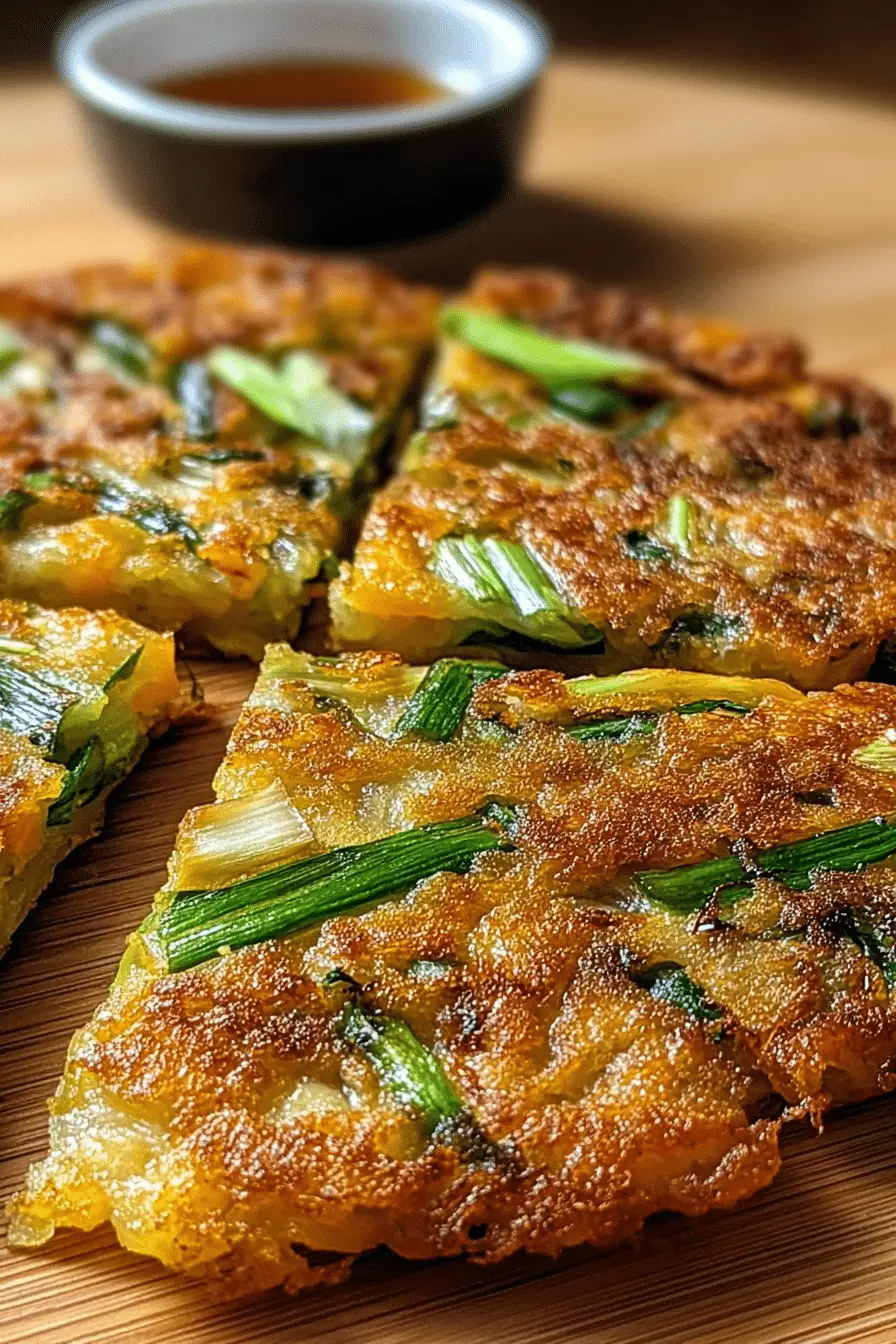
I fell in love with pajeon the first time I bit into one straight from a smoking-hot skillet: a golden shell that snaps at the edges and gives way to a tender, onion-studded interior. I make these pancakes when I need a fast, crowd-pleasing appetizer that still feels a little special. They’re one of those recipes where a tiny change in technique makes a huge difference in texture, and I’ll walk you through what I’ve learned in my kitchen. The smell of hot oil and fresh spring onions is one of the best kitchen smells — sweet, bright, slightly toasty. I like to make a double batch and serve a few while the rest stay warm in a low oven. They’re forgiving, family-friendly, and a great platform for additions like shrimp or shredded vegetables when you want something heartier. If you’re the sort of cook who appreciates a quick prep and concrete tips, you’re in the right place. Below I cover what to buy, how to handle the batter, the exact moves that give you a shatteringly crisp edge, and a bunch of variations and dipping sauces so you can make these pancakes your own.Why You'll Love This Crispy Korean Spring Onion Pancake
These pancakes combine a crunchy exterior with a soft, savory interior — that contrast is everything. The spring onions bring fresh, oniony brightness and a little sweetness when they toast, while the batter is simple enough that you can mix it up in minutes. Pajeon is a fixture in Korean home cooking and street food: it’s served at gatherings, rainy-day suppers, and as a snack to share with friends. I always think of it as comfort food with personality — quick to make, easy to share, and endlessly customizable.Everything You Need for Crispy Korean Spring Onion Pancake
- All-purpose flour – Gives structure and a light chew; swap in a gluten-free flour blend for a GF version.
- Cold water – Keeps the batter cool and helps the exterior crisp up in the pan.
- Spring onions (scallions) – The star flavor; their green tops add color and a delicate onion note.
- Salt – Balances and enhances the whole pancake.
- Neutral oil – For frying; a neutral, high-smoke oil helps you get a golden, crispy crust.
- Optional add-ins – Things like thinly sliced carrots, bell pepper, or cooked seafood if you want extra texture and flavor.
- Equipment – A non-stick or well-seasoned skillet and a thin spatula for flipping make this easy.
How to Make Crispy Korean Spring Onion Pancake (Step-by-Step)
- Whisk the flour and salt in a bowl until even; then pour in cold water gradually while stirring so you end up with a smooth, slightly loose batter. Aim for a consistency that coats but still runs off a spoon.
- Fold the chopped spring onions into the batter so they’re evenly distributed; don’t overmix once everything is combined.
- Heat your skillet over medium-high heat and add enough oil to coat the surface. The pan should be hot enough that a drop of batter sizzles immediately.
- Pour a ladleful of batter into the skillet and quickly spread it thin with the back of the ladle or a spatula — thinner pancakes get crispier edges.
- Cook undisturbed until the underside is deep golden and crisp, listening for a steady sizzle that signals the right temperature; then flip carefully and cook the second side until equally crisp.
- Transfer to a wire rack or a paper-lined tray in a warm oven while you cook the rest; this keeps them crisp and prevents steam from softening the bottom.
The Secret to Getting the Perfect Crisp
The key is temperature control and batter thickness. Too cool a pan means greasy, limp pancakes; too hot and the edges brown before the inside cooks. You want a steady sizzle when the batter hits the pan and a thin spread so moisture can escape quickly.- Use a thin layer of oil and re-add a little between pancakes so each one fries in hot oil.
- Spread the batter thinly — thinner pancakes crisp faster and more evenly.
- Keep a medium-high heat but reduce slightly if the edges brown too fast; moderate heat gives you a crisp crust and a tender center.
- If steam builds up under the pancake, lift it briefly with a spatula to let moisture escape before flipping.
Troubleshooting
- If your pancakes turn out soggy, I’d first check that the pan is hot enough and that you spread the batter thinner next time.
- If the edges burn before the center cooks, lower the heat slightly and give the batter a thinner spread.
- If flipping causes breakage, let the pancake cook a touch longer so it sets more firmly; a thin metal spatula helps support the flip.
- If the interior feels gummy, you may be overmixing the batter — stir just until combined to avoid developing gluten.
Why Using Cold Water Matters in the Batter
Cold water slows gluten development and keeps the batter relaxed. That translates to a tender interior while the hot pan does the heavy lifting of creating a crispy exterior. Also, when cold batter hits hot oil it creates a quick temperature contrast that encourages steam to form and escape, helping the outer layer puff and crisp rather than soak up oil. Keep the batter cool before cooking and avoid overworking it — you want a loose, smooth texture that flows easily into the pan.Pro-Tip for Making the Crispiest Korean Pancakes
- Use an extra tablespoon of oil in the pan for the first pancake to season the surface; it helps the rest crisp up faster.
- Rest the batter briefly (a few minutes) before cooking to let air bubbles settle — it improves spread and texture.
- Try adding a small amount of starch (like a neutral potato or rice starch) for extra snap at the edges.
- Experiment with thin add-ins — very thinly sliced carrots, small shrimp, or finely shredded cabbage all work well.
Serving Suggestions and Creative Dipping Sauces
These pancakes are wonderful with a simple soy-based dip, but mixing and matching sauces lets you play with sweet, sour, and spicy notes. Try a classic dipping sauce of soy and vinegar, a soy-gochujang blend for heat, or a sesame-ginger dressing for nuttiness. For a creamy contrast, a spicy mayo pairs nicely with the crisp edges.- Classic soy dipping sauce — soy sauce with a splash of vinegar and a pinch of sugar.
- Spicy gochujang mix — gochujang with a little soy and rice vinegar.
- Soy-sesame dressing — soy sauce, toasted sesame oil, and thinly sliced scallion.
- Sweet chili or honey-soy for a sweeter finish.
- Spicy mayo — mayonnaise mixed with a little gochujang or sriracha.
Storage Tips
Store leftovers in an airtight container in the refrigerator for a couple of days. To bring back crispiness, reheat pancakes in a dry skillet over medium heat for a few minutes per side or use a hot oven on a wire rack. If you freeze batches, separate layers with parchment and reheat from frozen in a hot oven until heated through and crisp on the outside.Variations to Try
- Vegan version – Keep the batter plant-based by using cold water and add shredded vegetables or sliced mushrooms for body and flavor; a plant-based egg substitute can add extra binding if you prefer.
- Gluten-free version – Use a gluten-free flour blend that includes a little starch for crispness; rice flour or a blend made for frying works well to mimic the texture.
- Seafood pajeon – Add small cooked shrimp or thinly sliced squid for a coastal twist.
- Regional spins – Mix in finely shredded kimchi for a tangy, savory pancake or add chopped herbs and chili for a bolder aroma.
Frequently Asked Questions
What ingredients do I need to make crispy Korean spring onion pancakes? You'll need all-purpose flour, cold water, fresh spring onions, a pinch of salt, and vegetable oil. How do I ensure my pancakes are crispy? To achieve maximum crispiness, make sure to use cold water in your batter and cook the pancakes in hot oil. Flip them carefully to avoid losing that crunch! Can I store leftover pancakes? Yes! Store leftover pancakes in an airtight container in the refrigerator. To reheat, simply heat them in a skillet for a few minutes to bring back their crispiness. What dipping sauces go well with these pancakes? These pancakes are delicious with soy sauce, but you can also try a mixture of soy sauce and vinegar or spicy gochujang sauce for added flavor. Are there any variations for this recipe? Absolutely! You can add other vegetables like carrots or bell peppers, or even try adding seafood for a different twist. Enjoy experimenting!Ingredients
- 1 cupall-purpose flour
- 1 cupcold water
- 5-6fresh spring onions, finely chopped
- 1 pinchsalt
- 3 tablespoonsvegetable oil
Instructions
- 1
In a mixing bowl, combine flour and salt. Gradually add cold water while stirring until you achieve a smooth batter.
- 2
Fold in the chopped spring onions until evenly distributed.
- 3
Heat 2 tablespoons of vegetable oil in a non-stick skillet over medium heat.
Taste as you go. Recipes are a guide, not a contract.
- 4
Pour half of the batter into the skillet and spread it evenly; cook for 3-4 minutes until golden brown.
- 5
Flip carefully and cook for another 3-4 minutes until crispy on both sides.
- 6
Remove and keep warm while repeating with the remaining batter. Serve immediately with soy sauce or your choice of dipping sauce.
Recipe Card
Crispy Korean Spring Onion Pancake
Keep it handy for later, send it to someone cooking with you, or open the clean print view.
- Prep
- 10 min
- Total
- 25 min
- Serves
- 4
You might also like
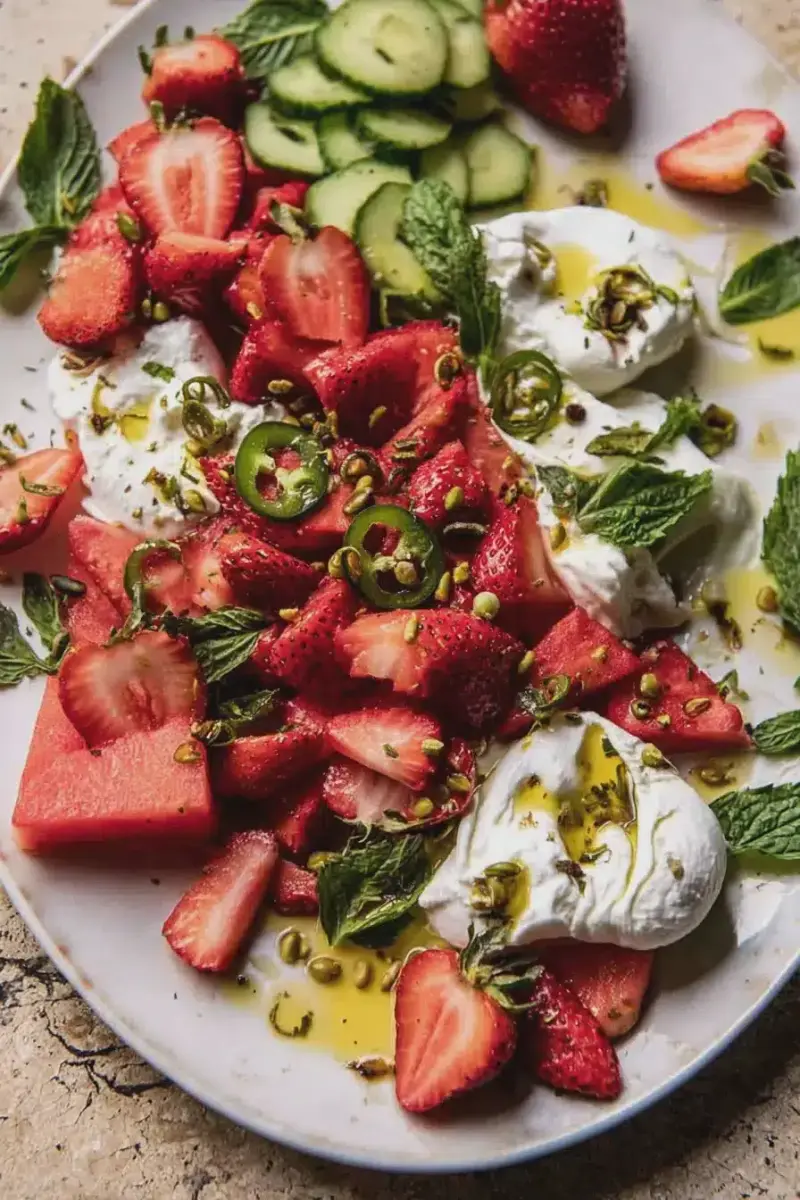
The Salad My Guests Always Ask For: Strawberry Watermelon & Burrata
May 23, 2026
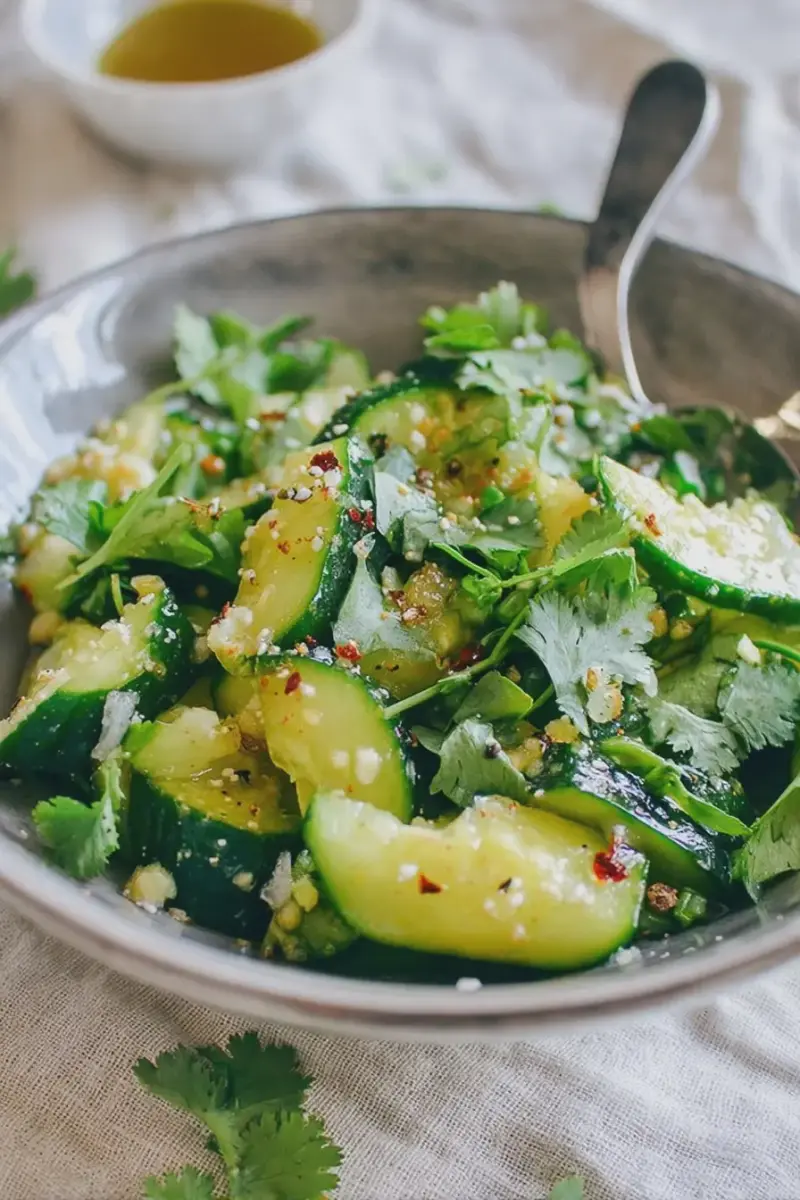
The Smashed Asian Cucumber Salad I Make for Hot Weeknights
May 23, 2026
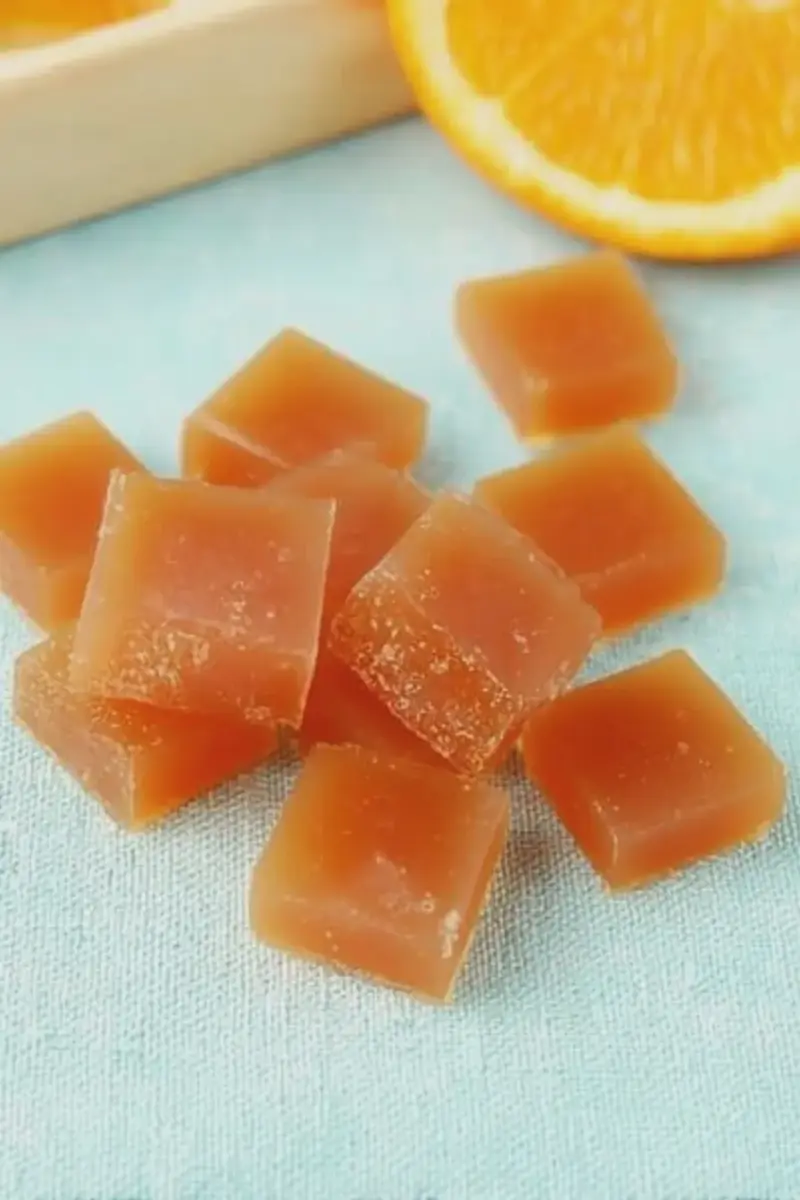
The Kid-Approved Orange-Honey Fruit Snacks That Boost Immunity
May 21, 2026
How I Stash Summer in Jars: Watermelon Jelly (Quick & Easy)
May 21, 2026
Reviews
Be the first to review this.