- Prep
- 120 min
- Cook
- 30 min
- Total
- 160 min
- Serves
- 4
- Calories
- 350 kcal
- Carbs
- 10.00 g
Introduction
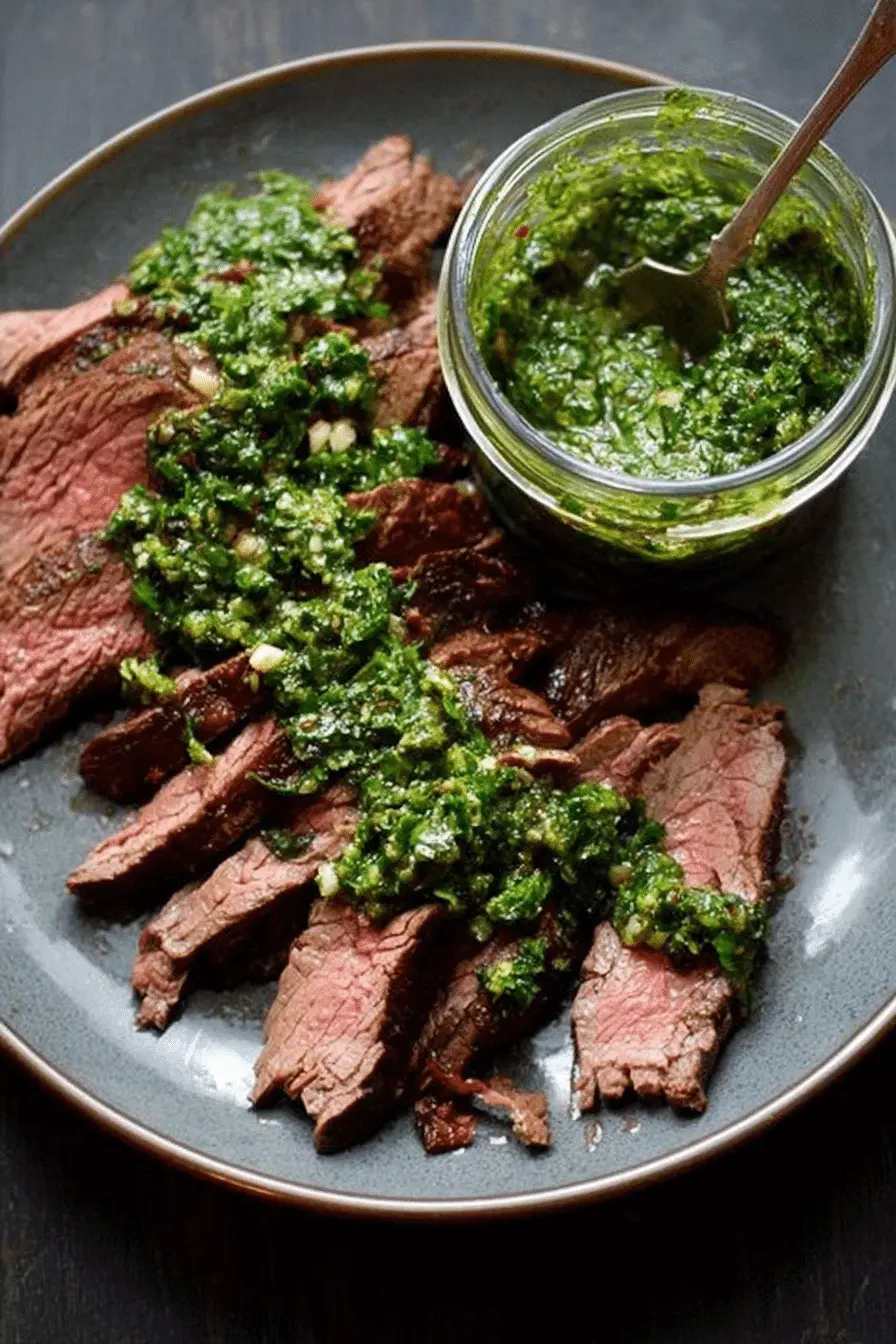
I first made this garlic brown sugar flank steak with chimichurri on a crowded Tuesday night when the fridge held a lonely flank steak and a head of garlic crying out to be used. The smell in my kitchen while it marinated — brown sugar caramelizing with garlic and olive oil — was almost indecent. The surface turned glossy, a little tacky, and when it hit the broiler the sugars began to sing: those tiny pops and the quick sweet smoke that tells you caramelization is happening. This dish is a sweet-and-savory conversation: the brown sugar gives a slight crust and counterpoint to the savory, garlicky meat, and the chimichurri cuts through with fresh, herbaceous zip that wakes up every bite. I’m sharing not just a list of steps, but the little things I discovered while testing this recipe multiple times: when to salt, how long to marinate so the sugar doesn’t burn, how to slice against the grain so the steak is tender instead of stringy. If you like bold, bright sauces and meat with a little caramelized chew, this one’s for you — and it’s absolutely doable on a weeknight.Why Flank Steak is Perfect for Grilling
Flank steak is a lean, long-muscle cut with a pronounced grain that loves bold marinades. Because it’s thin and relatively flat (compared with a thick ribeye), it cooks fast and develops a beautiful sear without a long time on the heat. The fibers respond nicely to acids and salt in a marinade, which is why a garlic-and-sugar marinade makes the surface both flavorful and slightly glossy. It’s also an economical choice — you can feed a family without breaking the bank. If you're a fan of steak, check out our garlic butter steak bites that showcase the great flavor and texture of steak on the grill. Practical note from experience: because flank is lean, don’t overcook it. The difference between medium-rare and medium-well on this cut is huge for texture. Also, if you plan to grill, give the steak a quick pat dry before it hits the grates so the surface caramelizes instead of steaming.Ingredients You'll Need
Below is what I keep on hand when I make this. I list them conversationally so you can prep and shop easily.- Flank steak – the star of the show; thin, flavorful, and great at absorbing marinades.
- Garlic – fresh minced garlic provides that bright, pungent backbone; garlic powder works in a pinch but won’t be as fresh.
- Brown sugar – adds caramelization and balances the garlic; feel free to swap with maple syrup for a more liquid glaze.
- Olive oil – binds the marinade and helps the garlic bloom; use a good extra-virgin for flavor.
- Salt & pepper – basic seasonings that make everything pop; sea salt or kosher salt preferred.
- Fresh parsley, cilantro, oregano – the chimichurri herbs; adjust the mix depending on what you like or have in the garden.
- Red wine vinegar – the acid in chimichurri; lemon juice can substitute but changes the profile.
- Crushed red pepper flakes – a little heat in the chimichurri to balance the sweet steak.
Step-by-Step Instructions
I’m going to walk you through what I actually did, including the little detours I took and why. This is the version I make when I want reliable results without fuss.- Season and marinate: Lay the flank steak in a baking dish and sprinkle salt and pepper across both sides. In a bowl whisk together olive oil, brown sugar, and minced garlic until the sugar starts to dissolve. Pour it over the steak, massaging the mixture into the meat so every inch gets a glaze. Cover and refrigerate — I usually do at least 2 hours, but overnight is fine if you want deeper flavor. Note: if you marinate too long at room temperature, the sugar will start to break down the surface; keep it in the fridge.
- Bring to near room temp: About 30 minutes before you cook, take the steak out of the fridge. Letting it come closer to room temp helps the center cook more evenly; a cold steak will toughen at the edges while the middle heats up.
- Cook: I usually broil because it’s easy — preheat the broiler and move the oven rack to the top position. Place the steak on a broiler pan or rimmed baking sheet and broil for roughly 4–6 minutes per side for medium-rare to medium (time varies with your oven). If grilling, get the grates screaming hot and cook 3–5 minutes per side. For pan-searing, use a heavy skillet over high heat and watch closely so the sugars don’t burn.
- Rest: This step saves you every time. Let the steak rest at least 10 minutes tented loosely with foil. The juices redistribute; if you slice it right away they’ll spill out and the meat will be dryer.
- Slice and serve: Slice thinly against the grain — that shortens the muscle fibers so each bite feels tender. Spoon chimichurri over the slices just before serving so the herbs stay bright.
How to Make Chimichurri Sauce Variations
Chimichurri is forgiving and loud in flavor — that’s why it pairs so well with a sweet-savory steak. The base is herbs, garlic, acid, oil, salt, and pepper; from there you can riff.- Classic chimichurri – lots of parsley, a good handful of cilantro, oregano, garlic, red wine vinegar, olive oil, salt, pepper, and red pepper flakes. Pulse until small pieces remain; you want texture, not puree.
- Spicy chimichurri – add extra crushed red pepper flakes or a diced fresh chile like jalapeño or serrano. The heat cuts through the brown sugar crust and brightens each bite.
- Fruity chimichurri – blend in some diced mango or pineapple for a tropical-sweet contrast; reduce brown sugar in the marinade if you go fruity so the overall sweetness stays balanced.
- Herb-forward chimichurri – lean heavily on basil instead of cilantro for a sweeter, Italian-leaning sauce that still complements the garlic-brown-sugar profile.
Cooking Techniques for Perfect Steak Doneness
Good technique is the difference between a chewy steak and a tender, juicy one. Here’s what I’ve learned from testing this recipe dozens of times. First, resting matters. Let the steak rest under foil for about 10 minutes — it continues cooking (carryover cooking) and juices settle. Don’t skip it. Second, high heat is your friend for flank steak — you want a quick sear to develop flavor, but not so long that sugars burn. If you see blackened spots that smell acrid, you’ve gone too far. For more steak inspiration, try our cajun garlic butter steak bites that also highlight excellent cooking techniques for steak.- Doneness guide (use an instant-read thermometer):
- Rare: 120–125°F — bright red center, soft and tender.
- Medium-rare: 125–130°F — warm red center, recommended for flank for tender mouthfeel.
- Medium: 135°F — warm pink center, firmer texture.
- Medium-well: 145°F — mostly brown, can be dry on a lean cut like flank.
- Common mistakes to avoid:
- Over-marinating with sugar at room temp — sugar starts to break down and can make the surface soggy.
- Cooking straight from fridge — causes uneven cook and tougher texture.
- Slicing with the grain — results in stringy, tougher bites; always slice across the grain.
- Skipping the thermometerm — guessing often leads to overcooked flank.
Nutritional Benefits of Garlic and Steak
Flank steak is a dense source of protein and offers minerals like iron and zinc, making it a satisfying main that helps with satiety and muscle repair. Garlic, beyond its flavor, contains compounds that have been studied for potential antioxidant and heart-healthy benefits. Together they make a meal that’s not just tasty but nourishing when paired with vegetables and whole grains. For another delicious way to enjoy the health benefits of garlic, try our garlic butter chicken recipe that is both flavorful and nutritious. Serving size and balance tips: I usually serve a thin 4–6 ounce portion of steak alongside a heap of grilled vegetables or a bright salad to balance the richness. Leftovers keep well and the steak slices are great tossed into salads or sandwiches for a protein boost.Serving Suggestions and Side Dishes
This steak plays well with lots of sides — think simple, bright, and textural contrasts that complement the sweet crust and herby chimichurri.- Grilled vegetables – bell peppers, zucchini, and red onion char and echo the grill flavor in the steak.
- Rice pilaf or herbed couscous – soak up the chimichurri and steak juices deliciously.
- Fresh salad – something with crisp lettuce, cherry tomatoes, and a lemony vinaigrette brightens the plate.
- Roasted potatoes – crunchy edges and soft centers are a comforting counterpoint to the tender steak.
Make-Ahead, Storage, and Leftovers
This is a forgiving recipe for meal prep. Marinate the steak overnight, cook it the next day, and slice it thin for salads and bowls. Leftovers stored in an airtight container keep in the fridge for about 3 days. Reheat gently (low oven or skillet) to avoid drying it out — or enjoy cold in a salad where the chimichurri keeps everything lively.Variations and Troubleshooting
If the crust is burning before the inside reaches your desired doneness, reduce heat slightly and finish in a cooler part of the grill or slide the pan to a lower oven rack. If the chimichurri tastes too oily, it usually means it needs more acid or chopped herbs to balance; add a splash of vinegar and more parsley or cilantro. Short on herbs? Use a mix of parsley and basil; the flavor will still be bright.FAQ
Is chimichurri good with flank steak? Absolutely! Chimichurri adds a fresh, zesty contrast to the sweet and savory flavors of the garlic brown sugar flank steak. It's a perfect pairing! Do you put chimichurri on steak before or after cooking? It's best to serve chimichurri after cooking. Drizzle it over the sliced steak for a burst of flavor that enhances the dish! What is the best cooking method for flank steak? Flank steak is versatile! You can grill, broil, or pan-sear it. For a quick and easy option, broiling is usually the best choice. How long should I marinate flank steak? Marinate your flank steak for at least 2 hours, but if you have time, letting it sit overnight will really deepen the flavors. What are some good side dishes to serve with garlic brown sugar flank steak? Some great sides include grilled vegetables, rice pilaf, or a fresh salad. They all complement the flavors of the steak nicely!Conclusion
This garlic brown sugar flank steak with chimichurri is one of those recipes I go back to when I want big flavor without fuss. It’s forgiving, economical, and perfect for weeknights when you want something a little special. The sweet, slightly sticky crust paired with the bright herb sauce is a combo that keeps showing up on my table — and on hungry friends’ plates. Try it once, and you’ll find little tweaks you like: more heat, a different herb mix, or serving it over rice bowls. If you do make it, I’d love to hear what you changed or which chimichurri variation became your favorite — leave a comment or tag a photo. And if you want more recipes, consider subscribing — there’s always another quick, tasty dinner to try.Recipe Card
Garlic Brown Sugar Flank Steak with Chimichurri: A Flavorful Family Favorite
- Prep
- 120 min
- Cook
- 30 min
- Total
- 160 min
- Serves
- 4
- Calories
- 350 kcal
- Carbs
- 10.00 g
Ingredients
- 2 poundsflank steak ((about 1-inch thick))
- 1/2 teaspoonsalt
- 1/2 teaspoonpepper
- 1/3 cupolive oil (for marinade)
- 3 tablespoonsbrown sugar
- 4 clovesgarlic ((minced for marinade))
- 1 cupfresh cilantro
- 2/3 cupfresh parsley
- 1/4 cupfresh oregano
- 2 clovesgarlic ((minced for chimichurri))
- 1/4 cupred wine vinegar
- 2/3 cupolive oil (for chimichurri)
- 1/2 teaspoonsalt (for chimichurri)
- 1/2 teaspoonpepper (for chimichurri)
- 1/4 teaspooncrushed red pepper flakes
Instructions
- 1
Place the flank steak in a large baking dish and season it with salt and pepper. In a bowl, whisk together olive oil, brown sugar, and minced garlic, then cover the steak with this mixture and refrigerate to marinate for 2 hours to overnight.
- 2
When ready to cook the steak, grill, broil, or pan sear it as desired. Preheat the broiler and adjust the oven rack to the highest position. Put the steak on a broiler pan or baking sheet and broil each side for about 5 minutes, achieving medium to medium-well doneness.
- 3
Let the steak rest for 10 minutes before slicing it thinly against the grain. Serve immediately with the chimichurri.
- 4
To prepare the chimichurri, combine parsley, cilantro, oregano, and garlic in a food processor and pulse until small pieces remain. Add the vinegar and pulse again. While processing, stream in the olive oil and mix until just combined. Stir in salt, pepper, and red pepper flakes, adjusting seasoning to taste. Store in the fridge sealed for up to a week.
You might also like
Reviews
Be the first to review this.