- Prep
- 10 min
- Cook
- 20 min
- Total
- 30 min
- Serves
- 4
- Calories
- 643 kcal
- Carbs
- 48.00 g
On this page13 quick jumps
TOC
13 quick jumps
Introduction
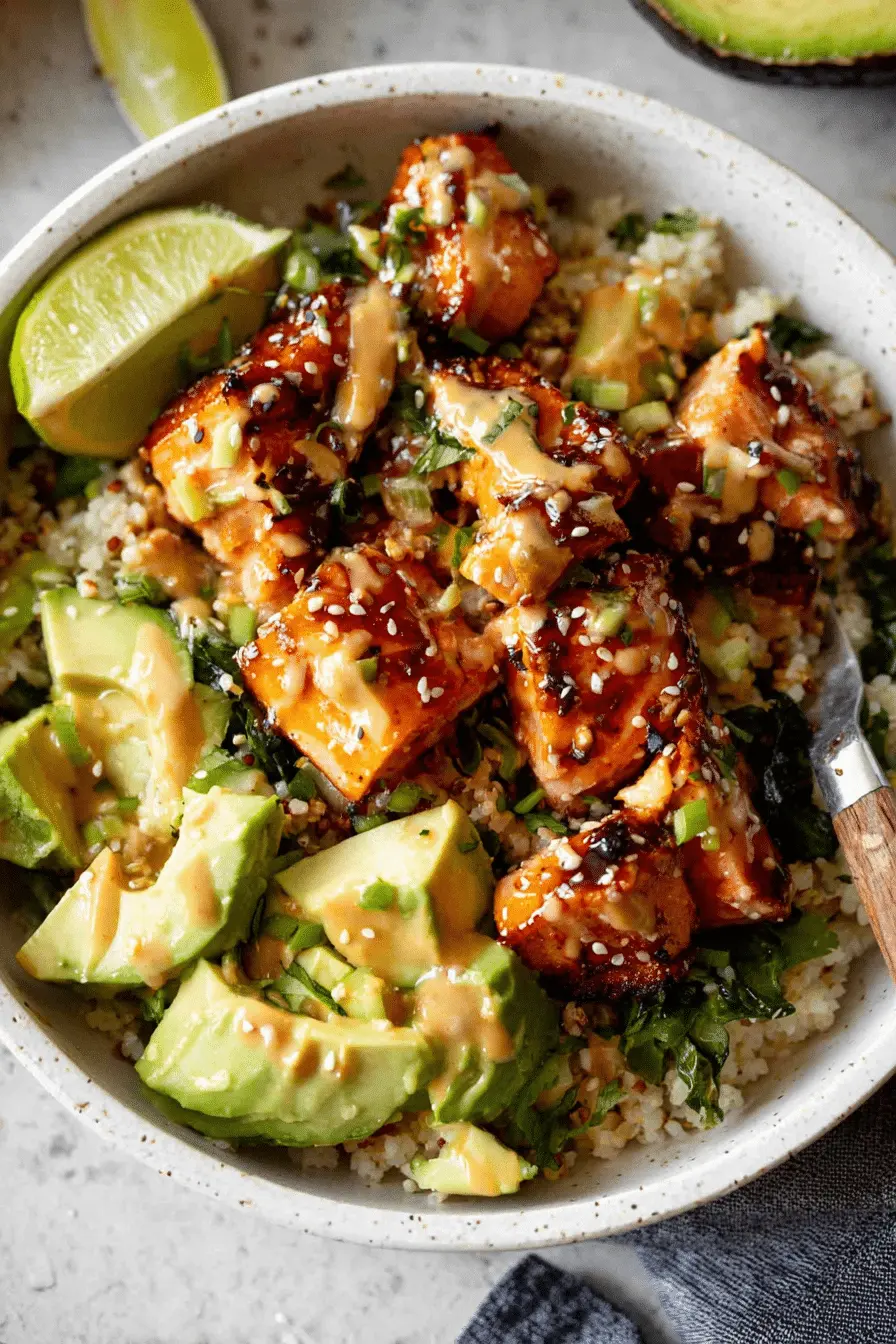
I make these honey glazed salmon rice bowls at least once a week when I’m short on time but craving something that feels thoughtful. The first thing that hits you is the smell: warm honey and soy, brightened by lime and cilantro, then the roast of salmon coming through. The salmon gets just caramelized enough that the edges crisp and the inside stays tender and buttery. This recipe is forgiving, but there are a few little things I pay attention to that keep it from drying out — like cutting the salmon into cubes so it cooks evenly and finishing under the broiler to get a quick, shiny glaze. These bowls are the kind of meal that’ll carry you from rushed weeknight to relaxed Sunday and still feel right. Serve them for a family dinner, divide them into meal-prep containers, or bring the components to a potluck — they travel well and the flavors only get better after a day in the fridge. In this post I’ll walk you step-by-step through how I make them, what to watch for, and how to tweak the bowl depending on what you’ve got in the fridge.Ingredients You'll Need
- Salmon – the star: rich, fatty, and satisfying; I use skinless fillets cut into cubes so they cook fast and evenly.
- Avocado oil – used for tossing the salmon before roasting; it has a high smoke point and a neutral flavor.
- Honey – gives the glaze its glossy sweetness and caramelizes lightly under heat.
- Soy sauce (or tamari) – adds umami and salt to balance the honey’s sweetness; tamari is a good gluten-free swap.
- Sriracha – optional but recommended for a touch of heat that cuts the sweet and keeps the bowl interesting.
- Brown rice – a hearty, nutty base that stands up to the saucy salmon; jasmine or white rice works too if you prefer a softer texture.
- Avocado – creamy and cooling; I cube it and add it right before serving so it stays vibrant.
- Cucumber – adds crunch and a fresh, watery counterpoint to the rich fish.
- Olive oil – used in the cucumber-avocado toss for a light sheen and mouthfeel.
- Cilantro – bright herbal lift in the salad and pairs beautifully with lime.
- Lime – acidity wakes up the bowl; I squeeze lime juice into the cucumber salad and the finishing sauce.
- Light mayo – base for the paprika-lime drizzle that finishes the bowl with creaminess and a little tang.
- Paprika & cumin – warm, smoky spices for the mayo drizzle; they add color and subtle depth.
Step-by-Step Instructions
Below is the straightforward method I follow every time. The recipe yields 4 bowls and takes about 30 minutes total — 10 minutes active prep, about 20 minutes cooking (including rice if you start it first), and a quick broil at the end for that glossy finish.- Preheat and prep (5–10 minutes): Preheat your oven to 425°F (218°C). If you’re cooking rice fresh, start 2 cups of brown rice on the stove or in a rice cooker so it’s ready when the salmon is done. While the oven comes up, cube the salmon into even 1–1½" pieces so they cook at the same rate. Even cuts are the single easiest way to avoid overcooking some pieces while others are underdone.
- Make the glaze and toss the salmon (3–5 minutes): In a mixing bowl whisk together the honey, soy sauce (or tamari), avocado oil, and sriracha. The amounts I use in testing worked best when the glaze is sticky but not syrup-thick: enough honey to coat and caramelize, a splash of soy for salt, and a little heat. Toss the cubed salmon in the glaze so every piece has a thin coat. Don’t drown the fish — too much liquid on the baking sheet steams it instead of roasting it.
- Roast the salmon (10 minutes): Arrange the salmon in a single layer on a rimmed baking sheet lined with parchment or a lightly oiled sheet. Roast at 425°F for 10 minutes. At this point the pieces will be cooked through but not deeply caramelized. The glaze should look glossy and slightly thickened. You’ll see a color change: the outside turns deeper pink and the surface starts to bubble slightly.
- Broil to finish (2–3 minutes): Switch the oven to broil and move the sheet to the upper rack. Broil for 2–3 minutes — this is when the honey darkens and gets shiny. Watch it closely; honey can go from caramelized to burnt in under a minute. I usually open the oven and watch through the gap so I can pull it the moment the glaze blisters and edges get a touch of crisp.
- Make the cucumber-avocado salad (while salmon roasts — 5 minutes): Combine cubed avocado, diced cucumber, a drizzle of olive oil, chopped cilantro, a squeeze of fresh lime juice, and a little honey to brighten. Toss gently so the avocado holds its shape. The bright acidity and crunch contrast the warm, syrupy salmon — that textural play makes the bowl feel complete.
- Whisk the paprika-lime mayo: In a small bowl, whisk together light mayo, a splash of lime juice, a teaspoon of honey, smoked paprika (or regular), and a pinch of cumin. Texture should be thick but pourable — if it’s too stiff, thin it with a teaspoon or two of water or extra lime juice. Taste for balance: you want a gentle heat from the paprika and a clean tang from the lime.
- Assemble the bowls: Divide the cooked rice between four bowls. Top with the roasted, broiled salmon, then spoon on the avocado-cucumber salad. Finish with a generous drizzle of the paprika-lime mayo. I also add an extra squeeze of lime and a few cilantro leaves for garnish.
- Serve and enjoy: These bowls are best eaten warm. The salmon flakes easily and pairs with the creamy avocado, the crisp cucumber, and the tangy-sweet mayo. If you let them sit, note that the rice will soak up more sauce and the avocado might soften; still delicious, but best fresh if you can manage it.
Nutritional Benefits of Salmon
Salmon is one of those foods I recommend keeping in the rotation for good reason. It’s a concentrated source of high-quality protein and omega-3 fatty acids (EPA and DHA), which are associated with heart health and cognitive support. A typical bowl like this — built on the recipe proportions I use — lands around 600–650 calories per serving, with roughly 34 grams of fat (much of it the beneficial kind), about 48 grams of carbohydrates from the brown rice, and roughly 38 grams of protein. Omega-3s in salmon help reduce inflammation, support cardiovascular health, and are linked to improved brain function. The protein helps with satiety and muscle repair, while the rice and avocado provide steady energy and healthy monounsaturated fats. In short: it’s a balanced plate that feels indulgent without being heavy.Variations and Customizations
I test a lot of variations depending on pantry contents and who I’m cooking for. Swap maple syrup for honey if you want a deeper caramel note. Substitute teriyaki sauce for a more savory, slightly thicker glaze. For a spicier profile, add more sriracha or a teaspoon of chili garlic sauce. For another delicious option, try our teriyaki salmon bowls as a flavorful alternative. If you need to make the bowl gluten-free, use tamari instead of soy sauce and double-check your sriracha. For a lower-carb or keto version, replace the rice with cauliflower rice and skip the honey in the glaze — instead use a sugar-free sweetener like a small amount of allulose or just a touch of extra soy and lime to keep that gloss. Some of my favorite swaps I’ve actually cooked and liked: swapping brown rice for jasmine if you want a softer, more fragrant base; adding pickled red onion for brightness; or finishing with a handful of toasted sesame seeds for crunch. I’ve also made this with skin-on salmon fillets; the skin crisps up beautifully if you pan-sear first, then finish in the oven, though the timing changes slightly.Serving Suggestions for Different Diets
These bowls are modular — that’s what makes them so reliable for weeknight cooking. For a Mediterranean twist, swap the cilantro for parsley and add chopped tomatoes and olives. If you’re serving it to kids, skip or reduce the sriracha and serve the mayo on the side for dipping. Complement your meal with grilled chicken skewers for additional protein options. For meal prep, assemble components separately: rice and salmon in one container, avocado-cucumber salad in a smaller container so it stays fresh, and the mayo in a tiny cup. Reheat the salmon gently (covered in the microwave for 30–45 seconds or in a low oven) and add the salad cold for textural contrast.Tips for Selecting the Best Salmon
Pick fillets that are bright in color and firm to the touch. The smell should be clean and slightly briny, not fishy. If possible, buy salmon the same day you plan to cook it. When cubing for these bowls I look for uniform thickness so pieces cook evenly; thin edges will overcook before the center is done. There are choices between wild-caught and farmed salmon: wild tends to be leaner and more intensely flavored, while farmed is often fattier and milder. Both can make excellent bowls — choose based on price and availability. For cooking tips, check out our recipe for baked lemon garlic butter salmon, which highlights how to select the best fish.Cooking Methods: Grilling vs. Baking
I primarily roast and broil the salmon for this bowl because it’s fast and consistent; roasting at 425°F cooks through the cubes while the short broil crisps and caramelizes the glaze. But if you prefer grilling, the smoky char is a lovely contrast and I’ve grilled this a dozen times at backyard barbecues. Grilling pros: you get a subtle smoky flavor and crisp edges. Cons: it’s easier to overcook small cubes on a grill unless you use a grill basket or skewer them. Baking pros: predictable, even heat and less hands-on; broiling at the end concentrates the glaze. Con: you won’t get the same smoky char as a grill. If you love a bit of a kick, try our sweet & spicy honey sriracha baked salmon as a grilled option! Timing notes: Baking at 425°F for 10 minutes then broiling 2–3 minutes is the timeline I rely on for cubed fillets. If you grill skewers, aim for about 3–4 minutes per side on medium-high heat, watching carefully — fish cooks fast.Tips, Troubleshooting, and Personal Notes
Problem: glaze looks too thin and watery when you pull the salmon. Fix: let it roast a few extra minutes before broiling, and when broiling watch for bubbling and darker color; that’s the sign it’s caramelizing. Also: don’t overcrowd the sheet pan — crowded pieces steam and won’t brown. Problem: salmon tastes flat. Fix: add a squeeze of lime and a pinch of flaky sea salt right before serving — acid and salt wake up the flavors more than sugar does. Texture cues: the salmon should be tender and slightly springy in the center. If it flakes apart and feels dry, it’s overcooked. Keep an instant-read thermometer handy if you like precision—about 125–130°F (52–54°C) for medium, up to 140°F for well done. Make-ahead: the glaze can be mixed a day ahead and stored in the fridge. Cooked salmon keeps for up to 3 days in an airtight container. The avocado-cucumber salad is best made same day; if you must prep earlier, hold back the avocado and add it fresh.Conclusion: Enjoy Your Healthy Meal!
This honey glazed salmon rice bowl is one of those dependable recipes I come back to because it balances speed, flavor, and comfort. The sweet-salty glaze yields a glossy, slightly sticky finish, the avocado brings creamy relief, and the cucumber keeps each bite bright. Try the variations, swap out grains or herbs based on what you have, and don’t be afraid to tweak the heat. I’d love to hear how you made it your own — leave a note about your swaps or how the broiled glaze turned out.FAQ
How can I adjust the sweetness in the honey glazed salmon? You can easily adjust the sweetness by adding more or less honey to the marinade according to your taste. Additionally, using a spicier sauce like sriracha can balance the sweetness while adding some heat! Can I use other types of fish instead of salmon? Absolutely! While salmon is the star of this recipe, you can substitute it with other firm fish like trout or halibut. Just adjust the cooking time based on the type of fish you choose. What can I use in place of brown rice? If you're looking to switch up the base, consider using quinoa, cauliflower rice, or jasmine rice. Each option offers a different flavor and texture that pairs well with the honey glazed salmon. How long can I store the leftovers? Leftovers can be stored in an airtight container in the fridge for up to 3 days. Just be sure to reheat them gently to avoid drying out the salmon. Is this recipe suitable for meal prep? Yes! These honey glazed salmon rice bowls are perfect for meal prep. Just prepare the ingredients in advance and assemble them in bowls for quick meals throughout the week.Ingredients
- 4 ouncesskinless salmon filets (cut into cubes) (4-6 ounce pieces)
- 2 Tablespoonsavocado oil
- 3 Tablespoonshoney
- 1 Tablespoonsoy sauce (or tamari)
- 1 Tablespoonsriracha
- 2 cupscooked brown rice
- 1 mediumavocado (cubed)
- 1 cupdiced cucumber
- 1 Tablespoonolive oil
- 1/2 cupfinely chopped cilantro
- 1 Tablespoonfresh lime juice
- 2 teaspoonshoney
- 1/3 cuplight mayo
- 1 Tablespoonlime juice
- 1/2 teaspoonpaprika (smoked or regular)
- 1/4 teaspooncumin
- 1 teaspoonhoney
Instructions
- 1
Preheat the oven to 425 Fahrenheit.
- 2
Toss the cubed salmon with avocado oil, honey, soy sauce (or tamari), and sriracha.
- 3
Add in a single layer to a baking sheet and roast for 10 minutes. Then switch the oven to broil and broil for just 2-3 minutes to crisp it up.
- 4
Meanwhile, whisk together all ingredients for the sauce and set aside.
- 5
Combine the avocado, cucumber, olive oil, cilantro, lime juice, and honey. Toss to combine.
- 6
When the salmon is done, assemble your bowls with a base of rice, then layer on the salmon and cucumber salad and drizzle with the paprika mayo sauce. Enjoy!
Recipe Card
Delicious Honey Glazed Salmon Rice Bowls: A Quick 30-Minute Recipe
Keep it handy for later, send it to someone cooking with you, or open the clean print view.
- Prep
- 10 min
- Total
- 30 min
- Serves
- 4
You might also like
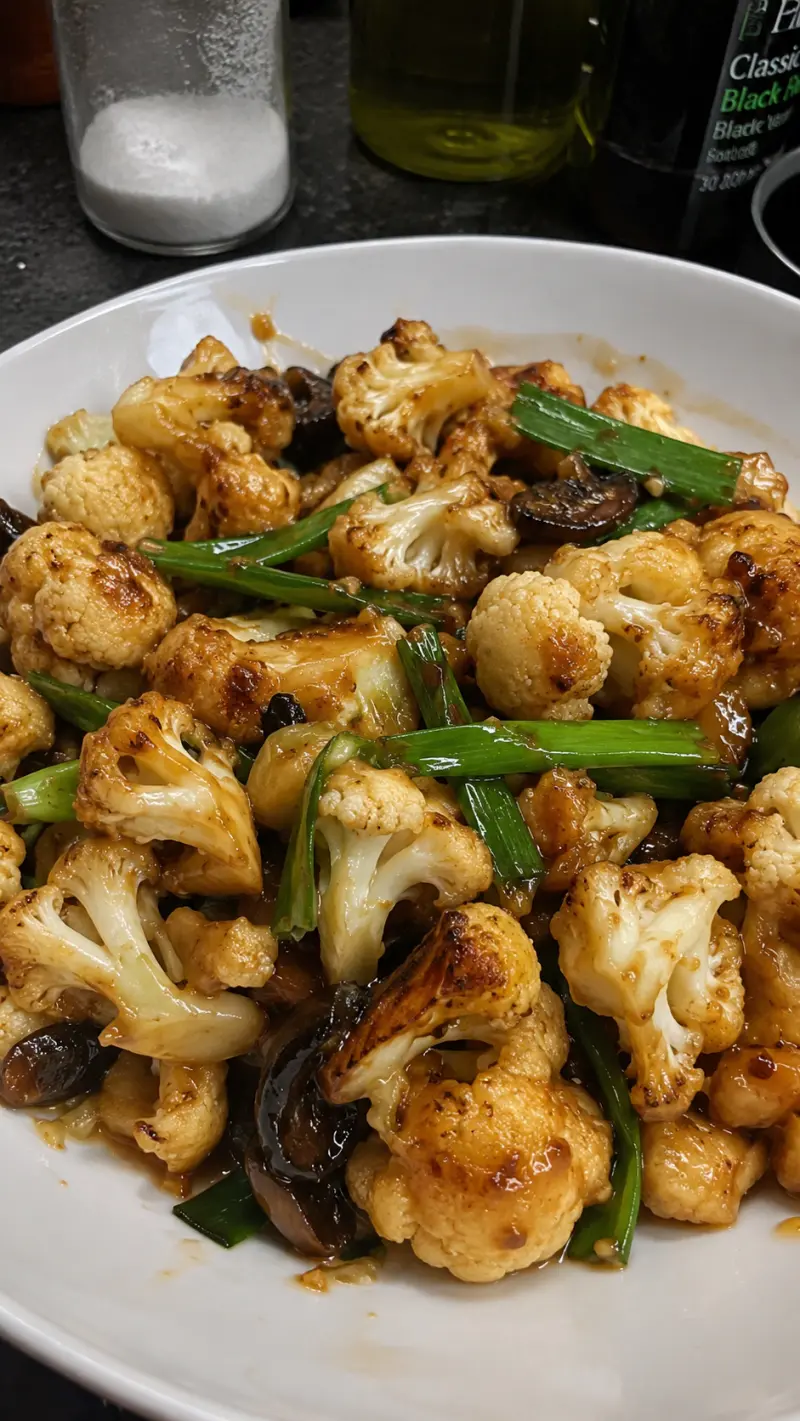
Quick and Easy Cauliflower Stir Fry
This quick Cauliflower Stir Fry is ready in 30 minutes, perfect for busy weeknights! Fresh veggies and a savory sauce make it a must-try.
Aug 26, 2026
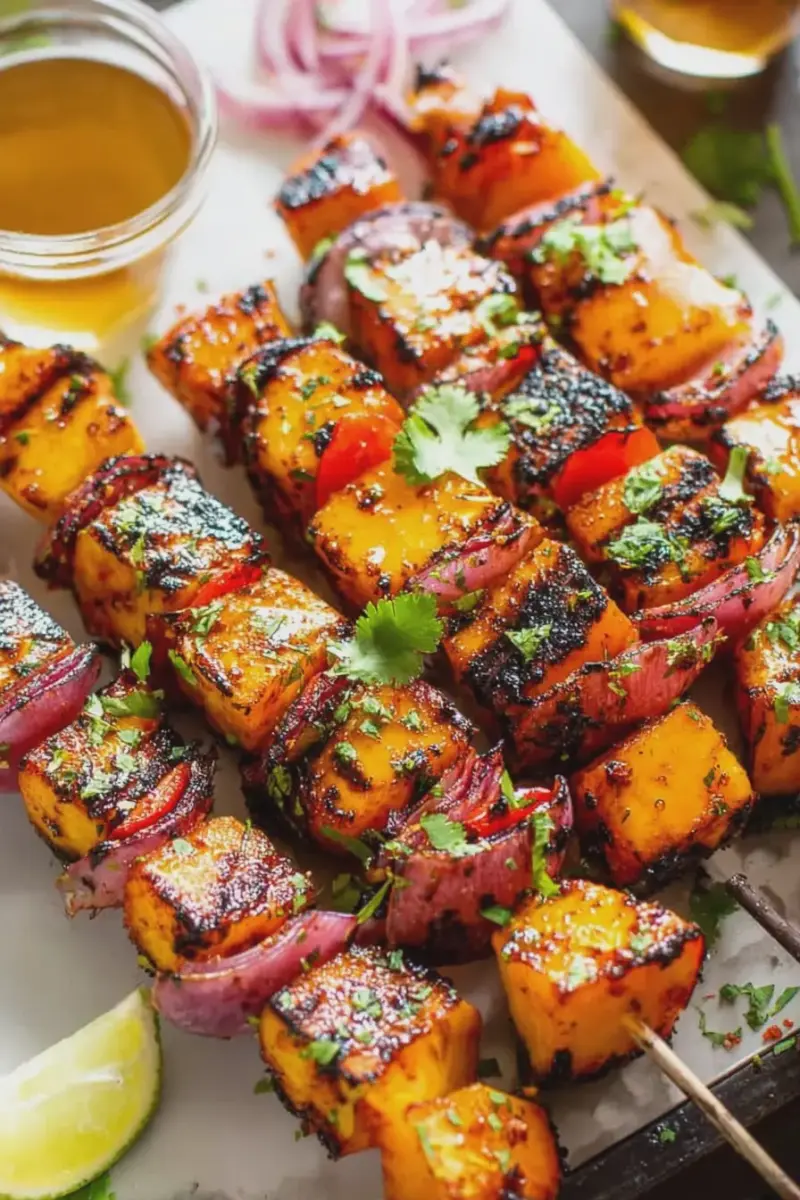
The 30-Minute Chili-Lime Tofu and Peach Skewers for Busy Summer Grills
May 14, 2026
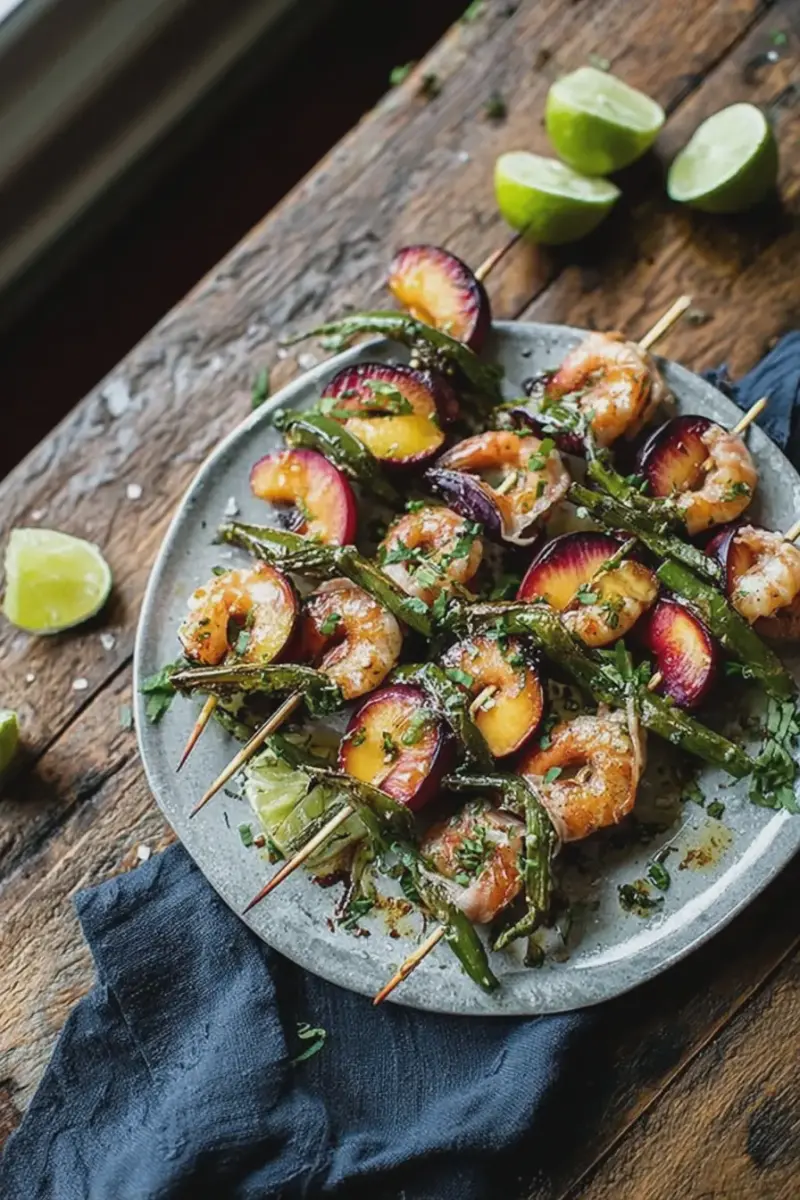
How I Make Summer Skewers with Shrimp, Jalapeño & Plums
May 14, 2026
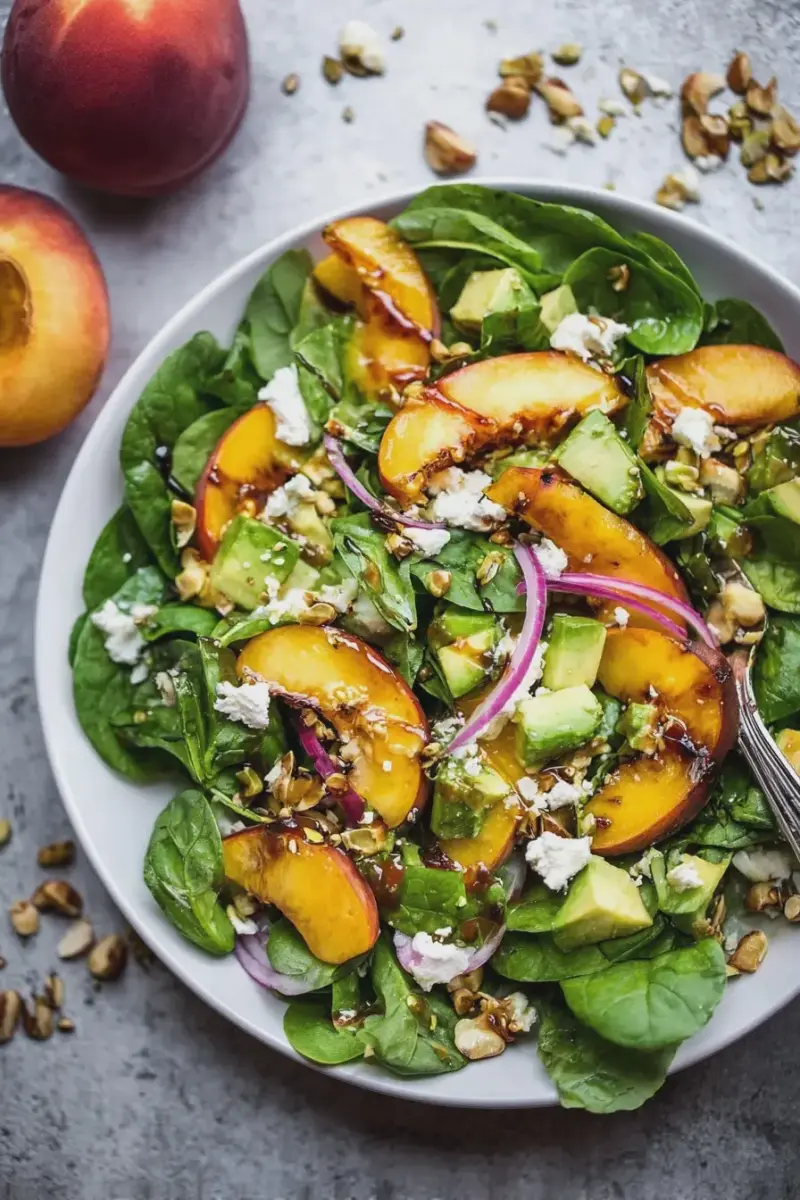
The Summer Peach Spinach Salad I Make Almost Every Week
May 14, 2026
Reviews
Be the first to review this.