- Prep
- 15 min
- Cook
- 240 min
- Total
- 255 min
- Serves
- 6
- Calories
- 809 kcal
- Protein
- 57.00 g
- Carbs
- 33.00 g
- Fat
- 50.00 g
Introduction
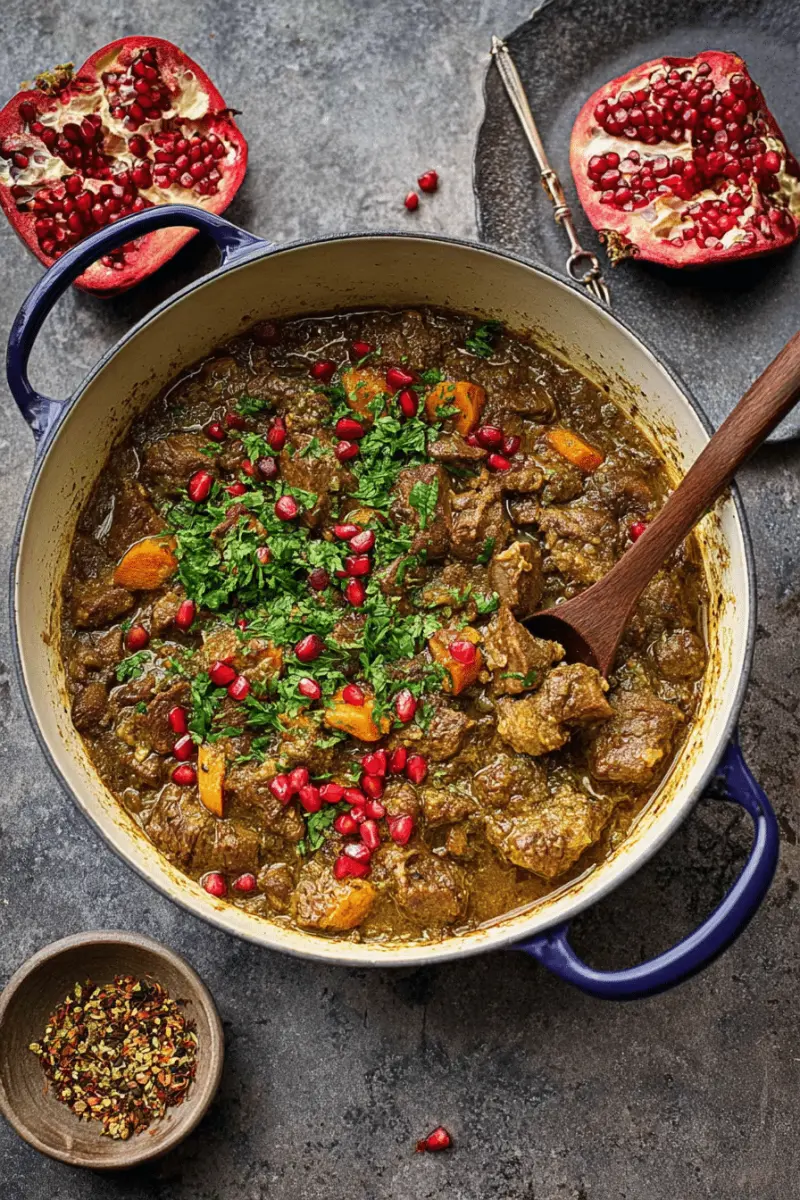
There are dishes that feel like a hug from the oven and lamb tava is exactly one of them — dark, tomatoey juices, soft potatoes that have soaked up lamb fat and spice, and meat that falls apart with the lightest prod. Lamb Tava (Cypriot-style) is a centuries-old comfort dish from the eastern Mediterranean, traditionally baked in a deep pan until everything melts together into one cozy, fragrant mess. It’s the kind of meal you make when you want to feed a crowd and come away with leftovers that somehow taste even better the next day. At its heart, lamb tava is simple: a well-marbled cut of lamb, potatoes, onions, garlic and a tomato base slow-roasted until the flavors concentrate. The dish sits at the intersection of rustic village cooking and celebratory family tables across Cyprus and neighbouring regions. It’s not fussy — there’s no frantic plating — but the slow oven time builds deep savory notes that are unmistakable. If you're interested in exploring more lamb dishes, check out our Persian lamb stew for another cultural take.Ingredients You’ll Need for Lamb Tava
Below I list the ingredients as I use them when I make lamb tava. This is the conversational pantry-style list I talk through at the stove — later in the recipe I include the measured ingredients and exact method so you can follow precisely.- Lamb shoulder or leg – the star of the dish; choose a well-marbled cut for the best flavor and tenderness.
- Potatoes – peeled and quartered so they soak up juices and roast into soft, flavorful wedges.
- Onions – quartered; they sweeten as they roast and help build the base.
- Whole garlic – just the cloves, left uncrushed so they roast creamy and mellow into the sauce.
- Olive oil – a drizzle to coat the meat and vegetables and carry the spices.
- Salt & black pepper – seasoning backbone; salt brings out the lamb’s natural sweetness.
- Ground cinnamon & cumin – warm, aromatic spices that give tava its subtle Eastern Mediterranean character.
- Fresh tomatoes or canned tomatoes – blended into a sauce; they give acidity and a silky body to the cooking liquid.
- Aluminium foil and wet parchment – small equipment notes: wet parchment prevents the foil from sticking to the stew while trapping steam for even cooking.
Step-by-Step Instructions for Cooking
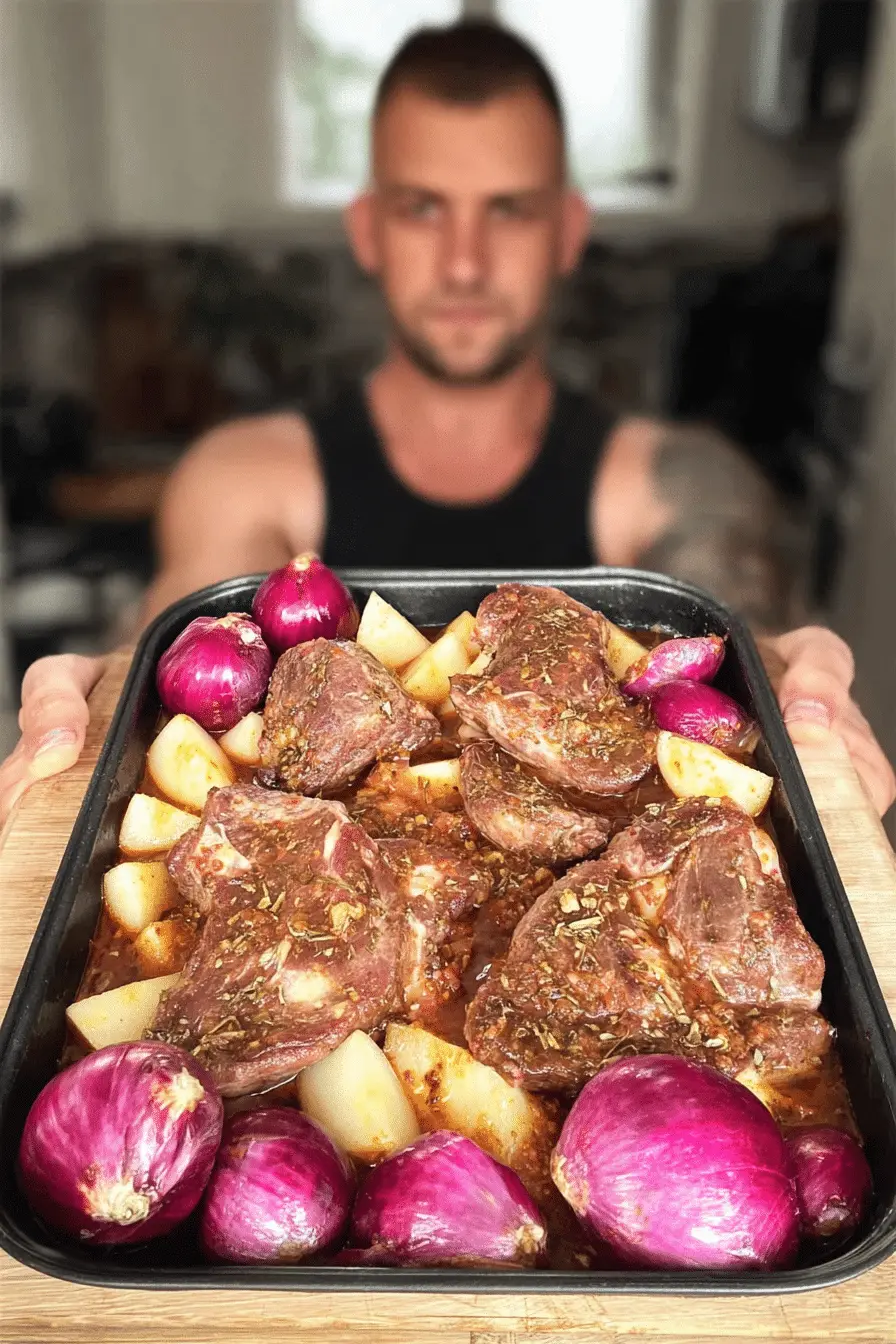
I always prep everything before I heat the oven: chop, blend the tomatoes, and have the foil and parchment ready. Once the oven is on, this recipe mostly stews itself — but the little checks while it’s baking make a big difference.- Prepare the dish: Arrange the lamb shoulder pieces in a deep baking dish and tuck the quartered potatoes, onions, and the cleaned whole garlic cloves around the meat. When I first tried this, I crowded the pan; the result steamed rather than roasted. Give space so heat can circulate and the edges brown lightly.
- Season and coat: Drizzle a generous amount of olive oil over everything, then sprinkle in salt, black pepper, ground cinnamon, and ground cumin. Mix gently with your hands or a spoon so every piece has a thin coating — this helps the spices stick and the oil carry their aroma into the meat.
- Add the tomatoes: Blend whole tomatoes until smooth and pour the purée over the lamb and vegetables. Stir to distribute. At this stage the mixture looks loose and watery; that’s fine. As it bakes the liquid reduces and concentrates, turning syrupy and glossy.
- Cover the dish: Lay a sheet of wet, wrung-out parchment paper directly over the top (this keeps the foil from touching the food), then seal tightly with aluminium foil. The seal is important — if steam escapes early the dish will dry out and the meat won’t become as tender.
- Bake: Place the dish in a preheated oven at 180°C (fan-forced) and bake for 4 hours. In my kitchen the oven’s fan setting keeps the temperature steady; if you use a conventional oven increase the temperature slightly or tent the dish with extra foil to avoid over-browning. After roughly 2½ to 3 hours I take a peek — the smell at this point is rich and tomato-forward, the garlic has turned soft and fragrant, and the meat should jiggle slightly when the pan is nudged.
- Rest and serve: Remove from the oven and let it rest for at least 10 minutes before serving. The juices settle and the meat firms just enough to slice or pull apart. Serve hot with crusty bread, rice, or a simple salad.
- 2.5 kg Lamb shoulder, cut into chunks
- 4 Potatoes, peeled and quartered
- 2 Onions, peeled and quartered
- 1 whole garlic, cleaned into cloves
- 1 cup Olive oil
- 37.5 grams Salt
- 7.5 grams Black pepper
- 1 tsp Ground cinnamon
- 1 tsp Ground cumin
- 4 Tomatoes, blended until smooth
- Preheat oven to 180°C (fan-forced). Bake covered for 4 hours. Yield: serves 6. Prep time ~15 minutes; cook time ~240 minutes; total ~255 minutes.
Tips for Achieving Perfect Tenderness
I’ve made this dish dozens of times and a few things consistently change the outcome. Tenderness is about cut, fat, time, and temperature more than magic.- Choose the right cut: Shoulder or leg are best because they have connective tissue and fat that break down into gelatin with low, long cooking. Lean cuts will dry out.
- Fat matters: A little fat equals big flavor. If your cut is too lean, spoon in an extra tablespoon or two of olive oil and don’t be afraid of the rendered lamb fat — it keeps the potatoes tender.
- Low and slow: The 180°C fan oven for 4 hours produces a steady simmer in the pan. If you rush with higher heat, the exterior will toughen before the inside softens. Conversely, using a slow cooker on low for 6–8 hours produces the same fork-tender result (see FAQ).
- Sealing matters: Wet parchment under foil prevents the surface from sticking and creates a steaming environment that tenderizes the meat. If your lid or foil leaks, the dish can dry and the lamb will be chewy.
- Resting time: Let it rest for 10 minutes after the oven. The juices redistribute — cut right away and you’ll lose them to the plate.
- Fixing tough lamb: If after 4 hours the meat is still firm, it needs more time — return to the oven for 30–45 minute increments. If it’s dry, stir in a splash of stock or water, re-cover, and continue cooking gently to rehydrate the meat and potatoes.
Nutritional Information and Dietary Modifications
Per the tested recipe this version is rich and hearty — a satisfying meal for cooler weather. The nutrition here is approximate per serving (serves 6):- Calories: ~809 kcal
- Protein: ~57 g
- Fat: ~50 g
- Carbohydrates: ~33 g
- Gluten-free: The classic recipe is naturally gluten-free, but double-check spice blends and canned tomatoes for cross-contamination if you’re sensitive.
- Low-carb / Keto: Reduce or omit the potatoes and add extra roasted vegetables like eggplant or cauliflower to keep the bulk without the starch.
- Paleo: Use whole tomatoes and unprocessed spices; omit any processed seasoning mixes.
- Lower-fat: Trim some surface fat from the lamb and reduce the olive oil — the dish will still be flavorful but slightly less rich. Keep in mind that fat contributes to tenderness and mouthfeel.
Creative Variations of Lamb Tava
I tinker with this recipe all the time depending on the season and what’s in my pantry. Here are tested variations that work:- Vegetable-forward: Add bell peppers and eggplant for summer; they roast down into the sauce and add natural sweetness.
- Spice swaps: Swap the cinnamon and cumin for oregano and lemon zest for a Greek-leaning version, or add smoked paprika and coriander for a slightly smoky edge.
- Grilled finish: For a charred note, transfer the roasted lamb and potatoes under a hot grill for a few minutes to crisp the top before resting.
Serving Suggestions and Plating Techniques
When I serve lamb tava for guests I think about contrast: something bright to cut the richness and a textural element for interest.- Starches: Crusty bread is classic because you can sop the sauce. Rice or a simple pilaf also work well — the rice soaks up the juices.
- Greens: A crisp salad with lemon and parsley gives a fresh counterpoint. A cucumber-tomato salad dressed with olive oil and red wine vinegar is exactly the kind of foil this needs.
- Garnish: Scatter chopped parsley, a few torn mint leaves, or a sprinkle of pomegranate seeds for color and a tart pop.
- Plating: Spoon a pile of potatoes and onions onto the plate, top with shredded lamb and spoon over plenty of the tomato-lamb jus. A little pool of sauce around the edge looks rustic and inviting.
User Stories and Cooking Memories
I first made this for a weekend family dinner when a storm kept us all indoors. The house filled with the smell of roasting tomatoes and garlic, and by the time the oven timer rang everyone was circling the dish like it was a bonfire. My mother complained that I hadn’t added enough cinnamon — I added a touch more the next time and she conceded. Once, I forgot to seal the foil properly and we ended up with a drier top layer; lesson learned: seal tightly and use wet parchment. Other cooks’ stories I’ve heard include: a reader who swaps in sweet potatoes for a winter version; a college student who made the recipe in a small roasting pan for friends; and a busy parent who adapted it to their slow cooker with perfect results. These are the kinds of things that make a recipe feel lived-in: small adjustments that keep it working in different kitchens.FAQ
What type of lamb is best for Lamb Tava? The best cuts for Lamb Tava are typically lamb shoulder or leg, as they are flavorful and become tender when slow-cooked. Can I make Lamb Tava in a slow cooker? Yes! You can adapt the recipe for a slow cooker. Cook on low for about 6-8 hours, ensuring the lamb is tender and flavorful. How do I ensure my lamb is tender? To ensure tenderness, choose a well-marbled cut of meat, cook it low and slow, and allow it to rest after cooking. What are some good side dishes to serve with Lamb Tava? Lamb Tava pairs well with crusty bread, rice, or a fresh salad. You could also serve it with roasted vegetables for a complete meal. Can I substitute any ingredients for dietary restrictions? Yes! For gluten-free options, ensure the spices are certified gluten-free. You can also adjust the recipe for low-carb diets by reducing potatoes or using alternatives.Conclusion and Final Thoughts
Lamb Tava is one of those dishes that rewards patience. The hands-on time is short, but the slow oven does the heavy lifting; when you open the foil after a few hours you’ll be greeted by a deep, fragrant sauce and fork-tender meat. I keep this recipe in my rotation for Sunday dinners and for feeding a crowd — it’s forgiving, comforting, and reliably delicious. Try it once exactly as written, then make it your own: play with the spices, add seasonal vegetables, or adapt it for a slow cooker. If you make it, come back and tell me what you changed and how it turned out — I love hearing reader stories and small triumphs from home kitchens. Notes on storage: leftovers keep well for 3–4 days in the fridge and the flavours meld even more. Reheat gently in the oven at 160°C (covered) or in a skillet with a splash of water or stock to loosen the sauce. Freezing is possible — cool completely and freeze in an airtight container for up to 3 months.Recipe Card
Lamb Tava Recipe: A Comforting Cypriot Classic with Potatoes
- Prep
- 15 min
- Cook
- 240 min
- Total
- 255 min
- Serves
- 6
- Calories
- 809 kcal
- Protein
- 57.00 g
- Carbs
- 33.00 g
- Fat
- 50.00 g
Ingredients
- 2.5 kgLamb shoulder (cut into chunks)
- 4 wholePotatoes (peeled & quartered)
- 2 wholeOnions (peeled & quartered)
- 1 wholeWhole garlic (cleaned)
- 1 cupOlive oil
- 37.5 gramsSalt
- 7.5 gramsBlack Pepper
- 1 tspGround cinnamon
- 1 tspGround cumin
- 4 wholeTomatoes (blended)
Instructions
- 1
Place the lamb shoulder into your baking dish along with the potatoes, onions, and cleaned garlic cloves.
- 2
Pour in the olive oil, then add the salt, pepper, cinnamon, and cumin while mixing to ensure the lamb and vegetables are evenly coated.
- 3
Blend the tomatoes until smooth and pour them over the lamb and vegetables. Mix again to distribute the tomato sauce evenly.
- 4
Cover the baking dish with wet parchment paper and tightly seal with foil to retain moisture.
- 5
Bake at 180°C (fan-forced) for 4 hours.
- 6
Allow to rest for 10 minutes before serving.
You might also like
Reviews
Be the first to review this.