- Prep
- 20 min
- Cook
- 90 min
- Total
- 110 min
- Serves
- 8
- Calories
- 845 kcal
- Protein
- 35.00 g
- Carbs
- 54.00 g
- Fat
- 55.00 g
Introduction
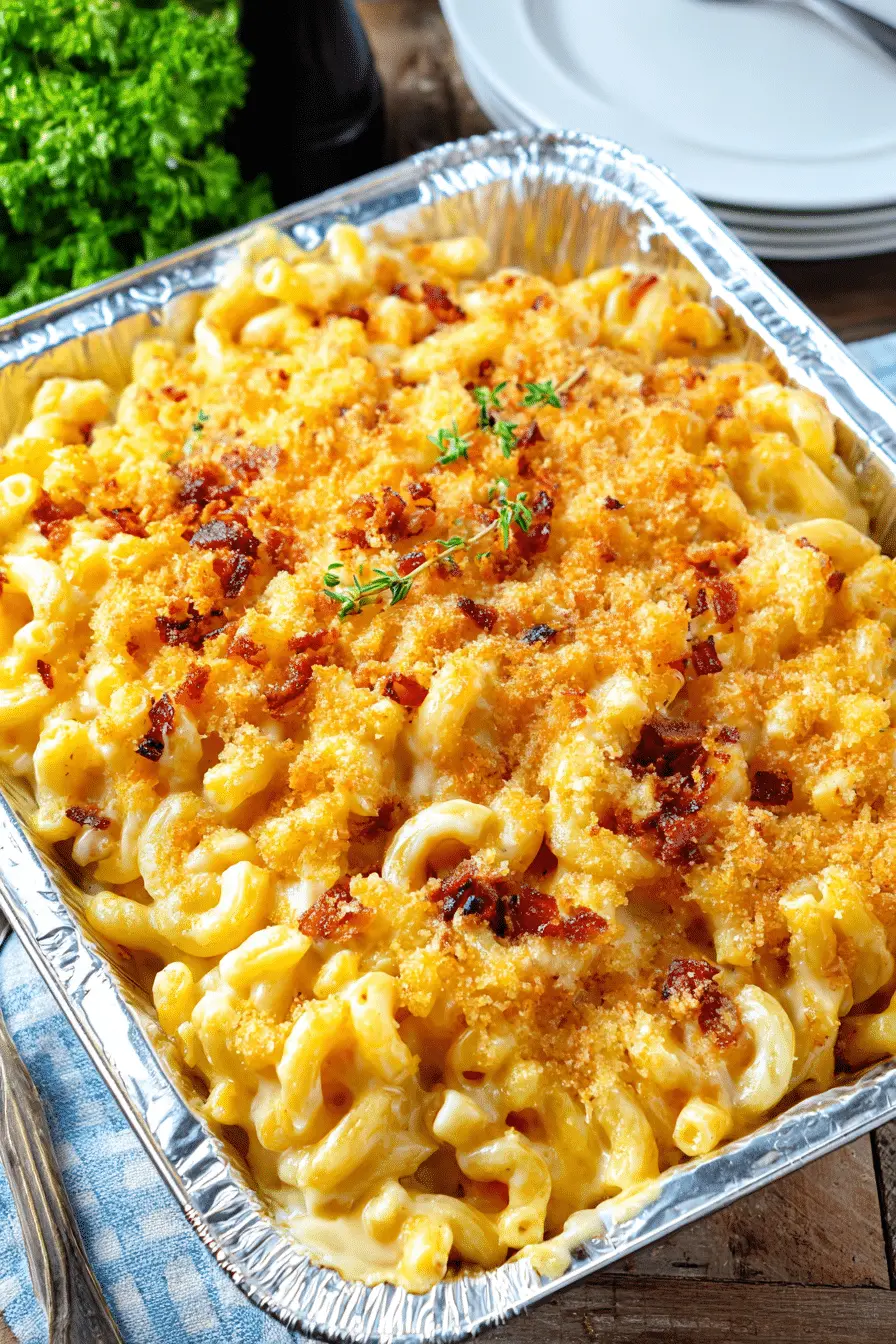
I make this pellet grill mac and cheese whenever I need a guaranteed crowd-pleaser — it’s the dish that draws everyone to the picnic table. After years of testing temperatures, cheese blends, and finishing techniques in my kitchen and on the back patio, I landed on a method that gives you deep smoke flavor without a watery sauce and a golden, slightly crisp top that people fight over. I love watching the smoke ribbon across the grill as the cheese starts to soften; it smells like home and weekend plans. In my kitchen I pay special attention to texture — everything from how the pasta is cooked to the order you add the cheeses affects the final silkiness. The low smoke stage infuses the whole pan with that subtle oak-kissed note, and the hot finish locks in a thick sauce and a bronzed top. When I bring this out at a barbecue, the smell of smoke mixed with melting cheese always gets compliments. Read on and I’ll walk you through why this pellet grill mac and cheese works every time, what to buy and pack before you start, and a handful of tweaks I use when I need to feed a crowd or adapt for dietary needs.Why This Pellet Grill Mac and Cheese Is a Backyard Party Must
This recipe balances smoky notes with a rich, creamy base so it feels familiar but special — perfect for a backyard spread where people want comfort plus a little wow. The smoke doesn’t overpower; it threads through the dairy and cheese so each bite tastes rounded and layered. Visually, it’s a showstopper: bubbling cheese, golden edges, and a thin top crust that crackles when spooned. Sensory note: imagine the warm, slightly sweet smoke lifting from the pan while the top browns to a mottled gold-brown — that aroma draws people in before you even call dinner.Everything You Need for Pellet Grill Smoked Mac and Cheese
Gathering the right ingredients and gear avoids last-minute scrambles. Quality cheese and the right pellet choice make a noticeable difference, and having the right pan and tools keeps the process smooth on the grill.- Elbow or short pasta – Classic shape that holds sauce; any short pasta will work if you prefer a different mouthfeel.
- Whole and evaporated milk – Provide body and creaminess; evaporated milk adds richness without thinning the sauce.
- Butter – Builds a silky sauce and helps the cheese emulsify.
- Cream cheese – Adds stability and extra creaminess so the finished sauce isn’t loose.
- Muenster and Colby Jack (or similar melts) – Melt well and give that oozy, stretchy texture; see the cheese section below for alternatives.
- Seasonings (salt, mustard powder, pepper) – Simple aromatics that lift dairy and cut richness.
- Pellet grill or smoker – Any pellet grill works; choose pellets that pair with dairy (oak, apple, or hickory are solid choices).
- Thermometer – Helps you manage grill temp when you switch from low smoke to a high finish.
- Aluminum serving pan and foil – A shallow, wide pan encourages evaporative finishing and a golden top; foil traps moisture when needed.
- Mixing bowls and a sturdy spoon – For combining hot pasta and cheese without breaking up the pasta shapes.
The Secret to the Perfectly Gooey, Not-Watery Texture
- Use a layered-dairy approach: richer dairy (like evaporated milk and cream cheese) stabilizes the sauce so it won’t separate when smoked.
- Grate or shred your own cheese when possible — pre-shredded cheese often contains anti-caking agents that hinder smooth melting.
- Don’t overcook pasta at the boil; slightly undercook so it finishes in the sauce and soaks up flavor without releasing excess starch into the sauce.
- Watch the smoking time — too long at low temps lets moisture accumulate and can make the sauce thin. The fix is to finish hot, uncovered, to concentrate the sauce.
Why Temperature Matters: Smoke Low, Finish Hot
- Start low (around the smoky stage) so the cheese melts gently and the smoke flavor infuses without forcing oils out of the dairy.
- Limit the low smoke window — think of it as flavored steam. Too long and you’ll trap extra moisture; I typically smoke just long enough to scent the cheese.
- Finish at high heat to evaporate extra moisture and brown the top. This step seals the texture and creates the classic browned crust.
- Use a thermometer to confirm grill zones. When you raise the temp, move the pan as needed so it browns evenly without scorching the edges.
Which Cheeses to Use (and Why I Love Muenster + Colby Jack)
Muenster gives a buttery, mild melt while Colby Jack brings color and a creamy, slightly tangy backbone — together they create stretch and flavor without being greasy. Mixing cheeses with different melting points and strengths gives complexity and keeps texture stable.- Muenster – Melts to a silky, mild base with a pleasant pull.
- Colby Jack – Adds creaminess, mild tang, and that inviting orange hue.
- Good alternatives – Sharp cheddar for bite, fontina for extra melt, or Gruyère for a nuttier profile; blend rather than using only one variety.
- Avoid super-dry aged cheeses as the primary component; they add flavor but can make the sauce grainy if used alone.
How to Make Pellet Grill Mac and Cheese (Step-by-Step)
- Cook your pasta to just shy of al dente, drain, and rinse briefly with cold water to stop carryover cooking; this prevents over-soft noodles in the smoker.
- In a large bowl, combine the warm pasta with the milks, cubes of butter and cream cheese, and the shredded cheeses, reserving some cheese for topping; mix until mostly combined.
- Season with salt, ground mustard, and black pepper, then transfer the mixture to a lightly sprayed aluminum pan so it spreads evenly.
- Place the pan on the pellet grill set low for smoke (I use oak or apple pellets); smoke just long enough for the cheese to start softening and pick up smoke — typically under an hour depending on how bold you want the flavor.
- Stir the pan to incorporate any surface melt, sprinkle the reserved cheese on top, cover with foil, then increase grill temp to a high finish to thicken the sauce and brown the top.
- Remove foil for the last 10–15 minutes so the top bronzes; rest briefly before serving so the sauce sets slightly for cleaner scoops.
Pro Tip for pellet grill mac and cheese: Prevent Overcooking & Manage Smoke
- Watch for separation signs: a thin, oily layer on top means the cheese is overheating — pull it off the heat and rest covered to let it re-emulsify.
- Stir gently partway through smoking to prevent the edges from setting more quickly than the center.
- Use a shallow, wide pan for even cooking and faster moisture evaporation during the high-heat finish.
- Spray the pan lightly with cooking spray to avoid sticking, especially if you use a disposable foil pan.
- Control smoke intensity by pellet choice and duration — oak for steady, neutral smoke; fruit woods like apple for a sweeter, lighter note.
Gourmet Toppings and Mix-Ins to Take It Next Level
Think beyond plain crumbs: layered textures and contrasting flavors make each bite more interesting. Add crunchy, salty, or spicy elements just before serving so they retain their bite and color.- Crispy smoked bacon or pancetta pieces for salt and crunch.
- Charred jalapeños or pickled peppers for bright heat contrast.
- Toasted breadcrumbs tossed with browned butter and herbs for a nutty crunch.
- Caramelized onions or roasted garlic folded in for savory depth.
- For a creative twist, serve alongside cheesy garlic bread sloppy joes to add a hearty, saucy companion to the creamy mac and cheese.
How to Store, Reheat, and Make Ahead for Crowd Feeding
- Make-ahead: assemble the pan, cover tightly, and refrigerate up to one day; allow the pan to come closer to room temperature before smoking so it heats evenly.
- Storage: cool to room temp, cover tightly, and refrigerate; use within 3–4 days for best texture and safety.
- Reheat: use a moderate oven or smoker set to a warmer temp and cover until the interior is hot, then uncover for the last few minutes to re-crisp the top; avoid microwave reheating if you want to preserve the texture.
- For large crowds: double the recipe across two pans so each pan finishes evenly without crowding the grill; two shallower pans are better than one very deep pan.
Vegan and Gluten-Free Variations
- Gluten-free: use certified gluten-free short pasta and confirm that all other ingredients (especially processed cheeses or seasonings) are labeled gluten-free.
- Vegan dairy swap: use a blend of sturdy melting plant-based cheeses and a thick plant milk or a cashew cream to mimic the body of dairy; add a little nutritional yeast for cheesiness.
- Texture tip for vegan versions: add a small amount of tapioca starch or a thickener to boost stretch and help the sauce cling to pasta.
- Smoke considerations: plant-based cheeses can pick up smoke quickly; shorten the low-smoke window to avoid overpowering the delicate base.
Pairing Suggestions for Meals That Go Well with Smoked Mac and Cheese
This dish loves big-flavored mains and saucy sides — think grilled proteins and saucy comfort dishes that can stand up to the cream. A rich, savory chicken pairs beautifully, and a saucy entree adds contrast to the creamy pasta. For a complete meal, consider pairing it with creamy garlic chicken that complements the flavors perfectly. If you want something with a Southern-smoke vibe, serve alongside creamy smothered chicken and rice for double-comfort appeal. For a bright contrast, try it with salsa verde chicken enchiladas — the tang and spice cut through the richness.Frequently Asked Questions
Can I use different types of pasta for this recipe? Absolutely! While elbow macaroni is traditional, you can use any pasta shape you like. Just be sure to adjust the cooking time as needed. How can I make this recipe gluten-free? You can simply use gluten-free elbow macaroni and ensure all other ingredients, including the cheeses, are certified gluten-free. What can I do if my mac and cheese is too watery after cooking? If your mac and cheese is watery, try cooking it a bit longer uncovered to evaporate excess moisture. Also, using the right ratio of cheese and pasta can help! Can I prepare this mac and cheese ahead of time? Yes! You can assemble the dish, cover it, and refrigerate it for up to a day before cooking. Just allow it to come to room temperature before smoking. What are some good toppings for smoked mac and cheese? Consider adding crispy bacon, breadcrumbs, or even jalapeños for a little heat! You can also mix in cooked vegetables for extra flavor and nutrition.Recipe Card
How I Finally Nailed Pellet Grill Mac and Cheese for Big Gatherings
- Prep
- 20 min
- Cook
- 90 min
- Total
- 110 min
- Serves
- 8
- Calories
- 845 kcal
- Protein
- 35.00 g
- Carbs
- 54.00 g
- Fat
- 55.00 g
Ingredients
- 16 ozElbow Macaroni or Gluten-Free Elbow Macaroni
- 2.5 cupsWhole Milk
- 12 ozEvaporated Milk
- 0.5 cupUnsalted Butter, Cubed
- 8 ozCream Cheese, Cubed
- 8 ozMuenster Cheese (Shred)
- 16 ozColby Jack Cheese (Shred)
- 2 tspKosher Salt
- 2 tspGround Mustard
- 0.5 tspGround Black Pepper
Instructions
- 1
Boil pasta in salted water according to package directions, then drain and rinse in cold water to stop cooking process.
- 2
Start your pellet grill and set the temperature to 180°F. Any pellets can be used, we used oak pellets.
- 3
In a large bowl, combine the cooked pasta, whole milk, evaporated milk, cubed butter, cubed cream cheese, Muenster and Colby Jack cheeses, reserve a little cheese for topping.
- 4
Sprinkle seasonings on top and mix in well.
- 5
Lightly spray a square foil pan with cooking spray and transfer the mac and cheese to the aluminum square pan.
- 6
Place the pan on the pellet grill and smoke for 30-45 minutes depending on how smoky you want the cheese to be.
- 7
Stir to blend the melted mac and cheese and sprinkle the reserved cheese on top.
- 8
Cover with foil.
- 9
Increase the temperature to 400°F and cook until the sauce is thickened about 20-30 minutes, then remove the foil and cook for an additional 10-15 minutes until the top is browned.
- 10
Remove from the smoker and let rest for 10 minutes before serving.
- 11
Store leftovers in the fridge.
You might also like
Reviews
Be the first to review this.