- Prep
- 15 min
- Cook
- 35 min
- Total
- 50 min
- Serves
- 4
- Calories
- 731 kcal
- Carbs
- 5.00 g
Introduction
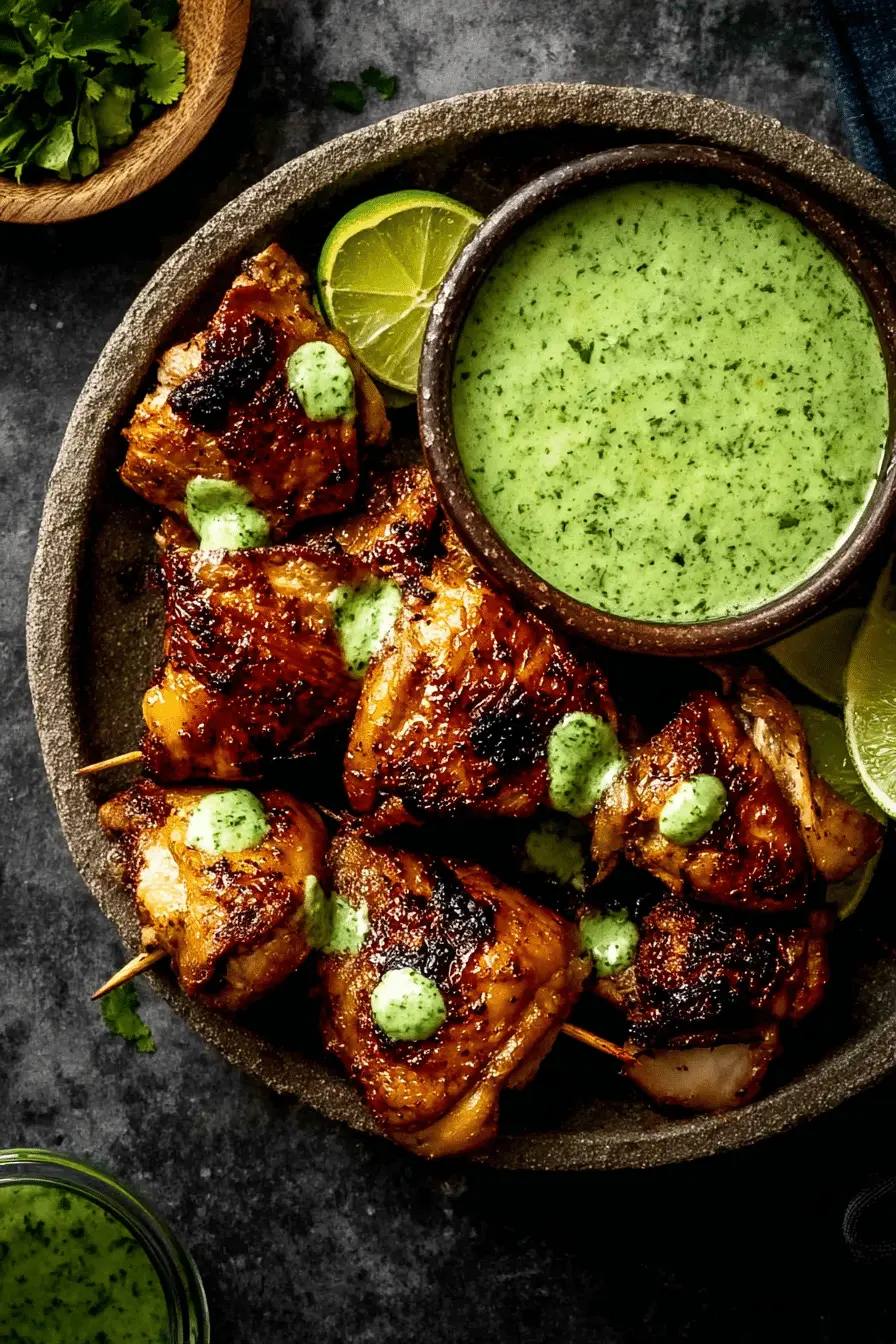
Pollo a la Brasa — Peruvian chicken — is that smoky, garlicky roast chicken that makes weeknight dinners feel like a celebration. Think dark, sticky edges, an aromatic garlic-soy-lime marinade, and a cooling, herby green sauce on the side. It’s wildly popular in Peru (every city has pollerías—rotisserie shops), and the same flavor profile has become a favorite around the world because it is simple to make at home and deeply satisfying. I cooked this the first time on a humid summer evening and remember the marinade hitting the grill and spitting little bursts of soy-scented steam — that smell alone will get people to the table. I make a version of this whenever I want something that’s both hands-off and impressive: throw the chicken in the marinade the night before, then grill or roast the next day. The skin (or surface, if you use skinless thighs) picks up that slightly sweet, savory crust while the inside stays juicy. You’ll notice the garlic mellow and the citrus brightness come through as you rest the meat — those are the little wins that tell you it’s working.Ingredients for the Recipe
- Chicken thighs – the workhorse here; boneless, skinless thighs stay juicy and cook quickly.
- Garlic – sharp at first, it mellows in the marinade and becomes nutty and warm.
- Soy sauce – adds saltiness and that deep umami color to the marinade; use tamari if you need gluten-free.
- Lime juice – brightens the marinade and helps tenderize the meat.
- Olive oil – binds the marinade and helps the chicken brown.
- Cumin – earthy and aromatic, it’s one of the key flavor notes in Peruvian seasoning.
- Paprika – adds color and gentle smokiness; smoked paprika deepens that charred flavor.
- Dried oregano – a background herb that supports the other spices.
- Black pepper – for a subtle heat and sharp finish.
- Jalapeños – used in the green sauce for a peppery bright heat; remove seeds for milder sauce.
- Cilantro – fresh and grassy; the green sauce relies on it for brightness.
- Green onions – a mild onion flavor for the sauce without overpowering it.
- Mayonnaise – gives the sauce its creamy body and mouthfeel.
- Greek yogurt – adds tang and thins the mayo a bit; swap with dairy-free yogurt if needed.
- Salt – essential; it’s what makes the flavors pop in the end.
Step-by-Step Preparation Instructions
I test this version on both the grill and in the oven. The flavor is the same; the texture shifts slightly — grill gives char and smoke, oven gives even browning and a slightly softer crust. I’ll walk you through both methods so you can pick what works for your weeknight or weekend timing.- Make the marinade:In a blender or food processor, puree peeled garlic, soy sauce, lime juice, a drizzle of olive oil, cumin, paprika, oregano, and a pinch of black pepper. The mixture should be smooth and slightly viscous — not watery. If it looks way too thin, that’s okay; the oil and soy will emulsify a bit as you blend and sit. I usually pulse the garlic first so it doesn’t turn into a bitter paste from over-blending.
- Marinate the chicken:Place chicken thighs in a large zip-top bag or a shallow container and pour the marinade over them. Press out excess air and seal. Refrigerate to marinate for 8 to 24 hours. I prefer at least 12 hours — the acid and salt penetrate the meat and make it noticeably more tender and flavored. Don’t go over 24 hours or the texture can begin to get a little mushy from too much acid.
- Prep for cooking:Remove the chicken from the fridge 30 minutes before cooking so it comes closer to room temperature. This helps it cook more evenly. Shake off excess marinade — you want flavor left behind, but too much marinade dripping will cause flare-ups on the grill and prevent good surface browning in the oven. Important safety note: discard any leftover marinade that touched raw chicken; don’t use it as a sauce unless you boil it first.
- Grill method (preferred for char):Preheat your grill to medium-high (about 350°F). Oil the grates lightly so the chicken releases. Place the thighs on the grates with the cover closed. Cook for 5 to 6 minutes, flip once with tongs, and cook another 5 to 6 minutes. Aim for an internal temperature of 165°F. Look for those dark edges and slight crust — that’s the marinade caramelizing. If you get flare-ups, move the chicken to indirect heat and close the lid until things calm down.
- Oven method (reliable, great for rainy days):Preheat the oven to 500°F. Arrange the marinated chicken pieces in a 13x9-inch roasting pan and add 1 cup of water to the pan (this keeps the bottom from burning and creates a moist environment). Bake uncovered for 30 minutes, then tent with foil and continue cooking for another 15 minutes, or until the internal temperature reaches 165°F. If you want a crispier top, finish under the broiler for 1–2 minutes, watching closely.
- Rest and serve:Let the chicken rest for 5 to 10 minutes after cooking so the juices redistribute. Slice or shred and spoon the creamy green sauce alongside. I like to garnish with extra cilantro and lime wedges for freshness. Expect the meat to be tender and moist with a slightly sticky, glossy exterior — that’s the marinade doing its job.
Tips for Perfect Grilling
- Preheat the grill thoroughly — 350°F is a good target. A hot grill sears quickly and prevents sticking.
- Use indirect heat for thicker pieces — if the outside is darkening too fast while the middle is raw, move the thighs to the cooler side of the grill and close the lid to finish cooking through.
- Keep an eye on flare-ups — the soy in the marinade can drip and cause flames. If you see flames licking the chicken, lift it to a cooler spot or close the lid until the flames die down.
- Flip once — flipping too often prevents a good crust from forming. One flip at the midway point is plenty.
- Use a thermometer — guesswork is the enemy of juicy chicken. Pull the meat at 165°F; it will rise a few degrees while resting.
- Wood chips for smoke — if you want more smoke, toss a small handful of soaked wood chips (like hickory or mesquite) onto the coals or in a smoker box. They add a subtle smoky layer that complements the paprika and soy without overpowering the citrus.
- Prevent dryness — if you accidentally overcook the chicken and it’s dry, slice it thin and toss with a few spoonfuls of reserved (boiled) marinade or a splash of chicken stock to moisten before serving.
Spicy Green Sauce Recipe (Aji Verde)
This creamy, herby sauce is indispensable with Peruvian chicken — it cuts the richness and adds a bright, spicy contrast.- Jalapeños (seeded, ribs removed and roughly chopped) – bring the heat; adjust amount for your taste.
- Fresh cilantro leaves – the green backbone of the sauce.
- Green onions (green parts only) – mild onion flavor without sharpness.
- Garlic – two cloves add pungency; roast a clove for a milder, sweeter profile.
- Mayonnaise – creates the creamy base and carries flavor across the palate.
- Greek yogurt – adds tang and lightens the texture.
- Lime juice – acid to brighten and balance the fat.
- Salt and black pepper – essential finishing seasonings.
- Extra virgin olive oil – emulsified in to give a glossy, silky finish.
- Combine 3 seeded jalapeños, 1 cup fresh cilantro leaves, the green parts of 2 green onions, and 2 peeled garlic cloves in a blender.
- Add 1/2 cup mayonnaise, 1/4 cup Greek yogurt, 1 tablespoon lime juice, 1/2 teaspoon salt, and 1/4 teaspoon black pepper. Blend until mostly smooth.
- With the blender running, drizzle in 2 tablespoons extra virgin olive oil until the sauce becomes glossy and slightly thickened. Taste and adjust salt, acid, or heat — add more lime for brightness or another jalapeño for heat.
- Transfer to a bowl and refrigerate until ready to use. The sauce keeps for 3–4 days in a sealed container. If it separates slightly, stir or give it a quick pulse in the blender before serving.
Dietary Variations and Adaptations
I often adapt this depending on dietary needs. Here are practical swaps that keep the flavor profile intact:- Gluten-free – use gluten-free tamari or coconut aminos instead of regular soy sauce. Everything else in the recipe is naturally gluten-free.
- Dairy-free – swap Greek yogurt with a plain dairy-free yogurt (coconut or almond-based) and use an olive oil–based aioli instead of mayonnaise if you want plant-based fat. The green sauce will be slightly less tangy but still creamy.
- Vegan option – replace chicken with thick slabs of cauliflower, portobello mushrooms, or extra-firm tofu pressed and marinated the same way. Grill over indirect heat until tender and charred. For the sauce, use vegan mayo and plant yogurt.
- Lower-sodium – reduce the soy sauce or swap for low-sodium tamari and increase lime juice and a small pinch of extra salt at the end if needed. Acid often helps perceived saltiness, so a touch more citrus can trick the palate into feeling saltier.
Cultural Significance of Peruvian Chicken
Pollo a la Brasa is more than a dish in Peru — it’s a communal experience. Pollerías (rotisserie chicken shops) are gathering places where families and friends pick up whole birds or plates of shredded chicken, often accompanied by crispy roasted potatoes and aji verde. The dish’s flavors — garlic, cumin, paprika, citrus — reflect Peru’s melding of indigenous, Spanish, African, and Asian influences. Over the decades it has become a national favorite, prized for being affordable, shareable, and deeply comforting. When I eat or cook Peruvian chicken, I think about those bright, smoky contrasts and the way the green sauce cools and brightens each bite — it’s a simple, delicious example of how a few bold ingredients can define a culinary tradition.Pairing Suggestions
Sides and beverages bring the meal together. Here are tried-and-true pairings that I reach for:- Roasted potatoes – traditional and crispy; toss with salt and a little paprika.
- Cilantro-lime rice – a fragrant bed for the chicken that soaks up sauce and juices.
- Simple green salad – something bright and vinegary to cut the richness.
- Pickled red onions – the acid and crunch are unbeatable with the creamy sauce.
- Beverages – chilled chicha morada (non-alcoholic purple corn drink), a cold lager, or a citrus-forward pisco cocktail.
Conclusion and Serving Suggestions
Pollo a la Brasa at home is attainable: blend a garlicky, cumin-forward marinade, let the chicken soak overnight, and grill or roast to juicy perfection. Serve with that vibrant aji verde and a few simple sides for a meal that looks like you worked harder than you did. Expect bright citrus notes, savory caramelized edges, and a cool, herbaceous counterpoint from the sauce. When you slice into the thighs, the juices should be clear and the meat tender — that’s your cue the chicken is done. Presentation tips: slice the thighs on a wooden board, spoon sauce in a small bowl on the side, and scatter chopped cilantro and lime wedges around the plate. For larger gatherings, serve whole roasted pieces and let guests carve their portions. For another flavorful chicken dish, check out our honey mustard chicken recipe!FAQ
What is Peruvian chicken seasoning? Peruvian chicken seasoning typically includes cumin, paprika, garlic, vinegar, salt, black pepper, and olive oil. These ingredients create a flavorful marinade that enhances the chicken. Can I marinate the chicken overnight? Absolutely! Marinating the chicken for 8 to 24 hours will enhance the flavors even more, making it tender and delicious. What should I serve with Peruvian chicken? Peruvian chicken pairs wonderfully with salsa verde (ají verde), roasted potatoes, fresh salads, and beverages like chicha morada or pisco cocktails. Is Peruvian chicken gluten-free? Yes, as long as you use gluten-free soy sauce, the recipe is gluten-free. You can enjoy it without any gluten concerns! How can I make the green sauce less spicy? You can reduce the heat in the green sauce by using fewer jalapeños or opting for milder peppers, like bell peppers, instead.Final Notes from My Kitchen
I’ve tested this recipe a handful of times and it’s the version I come back to when friends pop over unexpectedly. The trick that saved me the first time was not to over-marinate beyond 24 hours and to always rest the meat a bit before cutting — that little pause makes the difference between dry and dreamy. If you’re trying this on your first go, grill one piece to check timing and flavor before cooking the whole batch. Then sit back, listen for that satisfying sizzle, and enjoy a dish that’s equal parts approachable and deeply rewarding.Recipe Card
Delicious Peruvian Chicken: Easy Recipe with Creamy Green Sauce
- Prep
- 15 min
- Cook
- 35 min
- Total
- 50 min
- Serves
- 4
- Calories
- 731 kcal
- Carbs
- 5.00 g
Ingredients
- 2 poundschicken thighs (boneless, skinless)
- 5 clovesgarlic (peeled)
- 1/3 cupsoy sauce
- 2 tablespoonslime juice
- 1 tablespoonextra virgin olive oil
- 2 teaspoonscumin
- 1 teaspoonpaprika
- 1/2 teaspoondried oregano
- —Black pepper
- 3jalapeños (seeded, ribs removed and roughly chopped)
- 1 cupfresh cilantro leaves
- 2green onions (chopped, green parts only)
- 2 clovesgarlic (peeled)
- 1/2 cupmayonnaise
- 1/4 cupGreek yogurt
- 1 tablespoonlime juice
- 1/2 teaspoonsalt
- 1/4 teaspoonblack pepper
- 2 tablespoonsextra virgin olive oil
Instructions
- 1
Puree garlic, soy sauce, lime juice, oil, cumin, paprika, oregano, and a pinch of black pepper in a blender.
- 2
Place chicken in a large ziplock bag and add marinade. Refrigerate to marinate for 8 to 24 hours.
- 3
In a blender, combine all ingredients except the olive oil and process until smooth. With the motor running, gradually add olive oil. Transfer to a bowl and refrigerate until ready to use.
- 4
Preheat grill to medium-high heat (about 350 degrees). Remove chicken from marinade and shake off any excess. Place on grill grates. Cook for 5 to 6 minutes with the grill cover closed. Use tongs to flip the chicken thighs and cook for an additional 5 to 6 minutes. Check that internal temperature reaches 165°F.
- 5
Alternatively, preheat the oven to 500 degrees. Arrange chicken pieces in a 13x9 inch roasting pan and add 1 cup water. Bake uncovered for 30 minutes, then tent with foil and continue cooking for another 15 minutes, until chicken is fully cooked (internal temperature should reach 165°F).
You might also like
Reviews
Be the first to review this.