- Prep
- 10 min
- Cook
- 60 min
- Total
- 70 min
- Serves
- 6
- Calories
- 109 kcal
- Protein
- 3.10 g
- Carbs
- 10.40 g
- Fat
- 7.30 g
- Sodium
- 250.00 mg
On this page25 quick jumps
TOC
25 quick jumps
Roasted Vegetable Medley
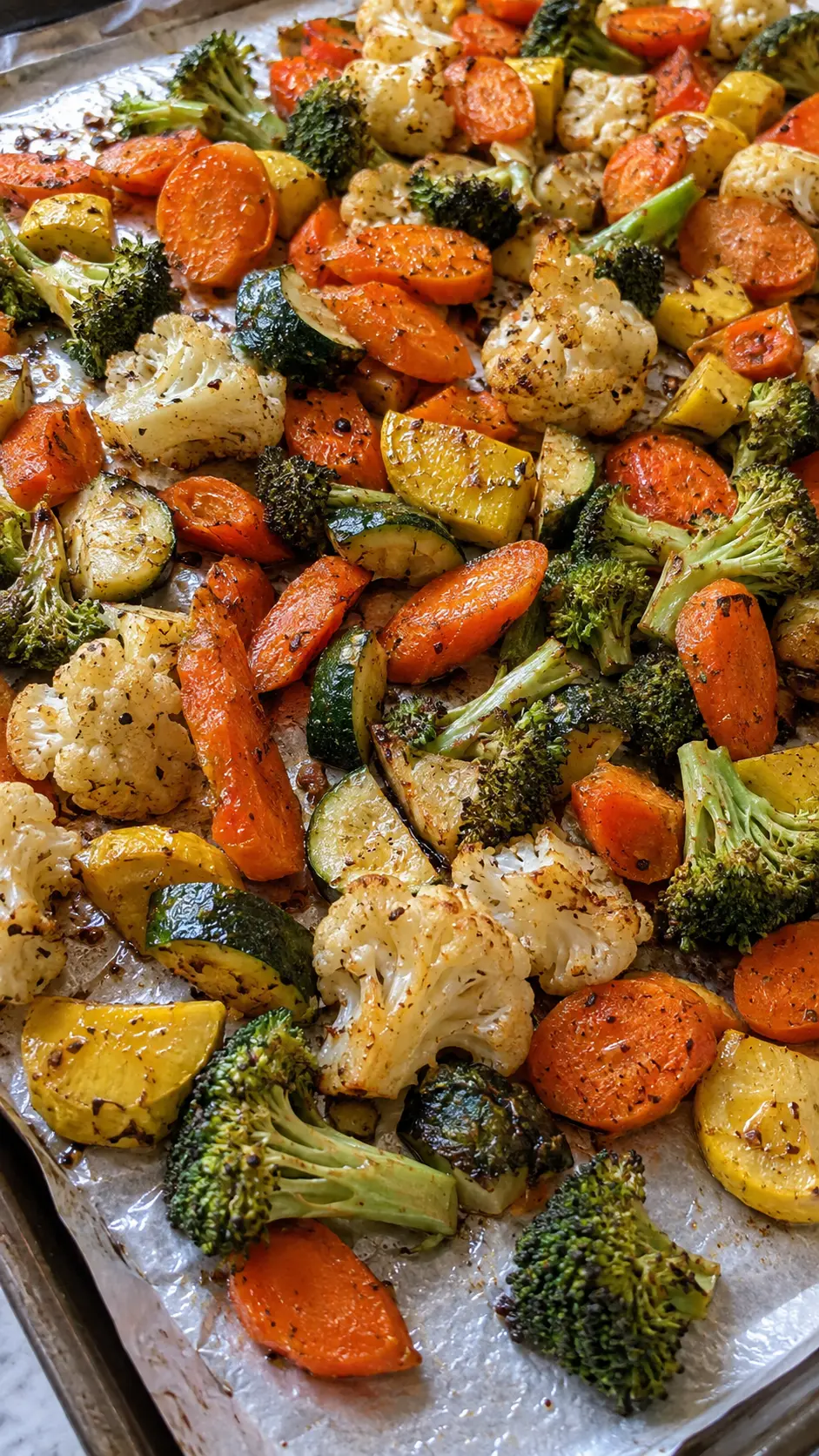
This roasted vegetable medley is one of the easiest ways to turn a collection of everyday vegetables into a colorful, flavorful side dish that works with almost any meal.
Broccoli, cauliflower, carrots, zucchini, and yellow squash are lightly coated with olive oil and seasoning, then roasted until the vegetables are tender in the middle with caramelized edges and plenty of browned spots.
The beauty of this recipe is its flexibility.
You don't need exactly the same vegetables every time. Once you understand how to cut vegetables according to how quickly they cook, you can use the same roasting method with whatever is already in your refrigerator.
Carrots can be swapped for sweet potatoes. Zucchini can become bell peppers. Cauliflower can share the tray with Brussels sprouts. A handful of mushrooms, onion, or garlic can easily join the mix.
The seasonings can change just as easily.
Keep things simple with salt and pepper, go savory with Italian herbs, add smoky spices, use lemon pepper, or turn the vegetables into a completely different side dish with taco seasoning.
What matters most isn't following one exact combination forever.
It's learning how to get different vegetables to finish roasting at roughly the same time.
Your Roasting Game Plan
Match the Cut to the Vegetable
How to Create Real Browning
The Single-Layer Rule
Why Tender and Firm Vegetables Behave Differently
Reading Doneness Without a Timer
Four Seasoning Directions
Vegetable Swap Map
How to Roast a Bigger Batch
Turning One Tray Into Several Meals
Sauces That Change the Whole Dish
Rescue Guide for Roasting Problems
Reheating Without Losing All the Texture
Frequently Asked Questions
Match the Cut to the Vegetable
The most important part of roasting a mixed tray of vegetables happens before the pan ever enters the oven.
Different vegetables cook at different speeds.
A thin slice of zucchini can become soft long before a thick piece of carrot is tender.
That means cutting every vegetable to exactly the same size isn't always the best strategy.
Instead, think about density.
Firm vegetables should generally be cut smaller.
Tender vegetables can stay larger.
Carrots
Carrots are dense and take time to soften.
Cutting them into relatively thin coins or diagonal slices allows their centers to cook while the outside caramelizes.
Very thick carrot chunks may still be firm when your broccoli is already deeply browned.
Cauliflower
Cauliflower is firmer than broccoli, so keep the florets moderate in size.
Large cauliflower florets can remain quite firm near the stem.
Smaller florets expose more surface area to the hot pan, which means more opportunity for golden edges.
Broccoli
Broccoli cooks relatively quickly.
Keep the florets slightly larger so the crowns don't dry out before the carrots and cauliflower finish.
Don't throw away the stems, either.
Peel particularly tough outer skin and cut the tender interior into pieces for the roasting tray.
Zucchini and Yellow Squash
Summer squash contains a lot of water and softens faster than root vegetables.
Keep the pieces relatively substantial.
If they're sliced paper-thin, they can turn very soft while the other vegetables continue roasting.
The goal isn't to make every piece identical.
The goal is to manipulate the sizes so that a carrot, broccoli floret, and piece of zucchini all have a reasonable chance of reaching their ideal texture around the same time.
How to Create Real Browning
Roasted vegetables should look roasted.
That means some caramelization, browned edges, and darker little spots where vegetables have been in direct contact with the hot pan.
If everything comes out uniformly pale, the vegetables may technically be cooked, but you're missing much of the flavor that makes roasting worthwhile.
Three factors control browning more than almost anything else:
Heat, space, and moisture.
Heat
The oven needs to be fully preheated before the tray goes in.
Putting vegetables into an oven that's still gradually warming gives them more time to soften and release water before strong browning begins.
Space
Vegetables need exposed surface area.
Crowding them into a thick pile traps steam.
Steam cooks vegetables, but it doesn't create the same caramelized exterior.
Moisture
Wet vegetables are harder to brown.
After washing, let them drain and dry before adding oil.
You don't need every broccoli floret completely moisture-free, but vegetables that are dripping wet are more likely to steam.
The Single-Layer Rule
One of the easiest improvements you can make to roasted vegetables is using a large enough pan.
Spread the vegetables into a single layer.
Some pieces can touch, but avoid stacking vegetables on top of one another.
If your pan looks completely buried beneath several layers of broccoli, squash, and carrots, divide the mixture between two pans.
It may seem inconvenient, but two properly spaced trays usually produce better results than one overcrowded tray.
The vegetables need hot air around them and direct contact with the baking sheet.
That contact is especially important for browning.
The existing method works well with the vegetables directly on the baking sheet rather than insulating them from the metal with parchment.
Don't Drown Vegetables in Oil
Oil helps with browning, flavor, and seasoning distribution.
More oil, however, does not automatically create crispier vegetables.
You want enough to lightly coat the surfaces.
The vegetables should look slightly glossy rather than sitting in visible puddles.
Too much oil can make the finished medley feel greasy and heavy.
A large mixing bowl makes coating easy.
Add the vegetables, drizzle with oil, sprinkle over the seasonings, and toss thoroughly.
Use your hands if needed.
You're looking for an even, thin coating across as many surfaces as possible.
Why Tender and Firm Vegetables Behave Differently
A mixed vegetable tray is essentially a timing puzzle.
Carrots and cauliflower need time.
Broccoli and squash need less.
One solution is adjusting the size of each vegetable before roasting.
Another solution is simply paying attention during cooking.
If the broccoli becomes beautifully browned before the carrots are ready, remove the broccoli.
There's no rule saying every vegetable has to stay on the sheet pan for the entire cooking time.
Move the finished broccoli to a plate, allow the slower vegetables to continue roasting, then return the broccoli for the final few minutes to warm through.
This is much better than leaving a perfectly cooked vegetable in the oven until it becomes dry simply because another vegetable isn't ready yet.
Reading Doneness Without a Timer
Cooking times are helpful, but vegetables themselves tell you more than the clock.
A roasted vegetable medley is ready when you have a balance between tenderness and browning.
Check the carrots first
Because carrots are among the firmest vegetables on the tray, they're a useful indicator.
Pierce a thick piece with a fork or small knife.
It should be tender without feeling mushy.
Look at the broccoli
Broccoli crowns should have some darkened, crisp-looking tips.
The stalks should still have structure rather than becoming limp.
Check the cauliflower
Cauliflower should be tender enough to pierce easily, with golden brown areas along the flatter surfaces.
Look at the squash
Zucchini and yellow squash should be tender but recognizable as individual pieces.
A few browned surfaces are ideal.
If the squash has collapsed into very soft pieces, it has gone farther than necessary.
Flip, Stir, or Leave Them Alone?
Vegetables need contact with the baking sheet to brown.
If you're constantly stirring them, no surface stays against the hot metal long enough to develop much color.
Allow them to roast undisturbed during the first portion of cooking.
Around halfway through, flip or toss the vegetables.
That gives additional surfaces a chance to contact the hot pan.
Then let them finish without excessive stirring.
Roasting is more about patience than constant movement.
Four Easy Seasoning Directions
One reason this vegetable medley is so useful is that the vegetables themselves are relatively neutral.
You can change the seasonings depending on whatever else you're serving.
1. Italian Herb Medley
Try:
Italian seasoning
Garlic powder
Black pepper
Salt
After roasting, finish with fresh parsley or basil.
This version works well beside pasta, grain dishes, or Italian-inspired meals.
2. Smoky Roasted Vegetables
Combine:
Smoked paprika
Garlic powder
Onion powder
Black pepper
Salt
Add a pinch of chili powder or cayenne if you want heat.
This version is particularly good in grain bowls and wraps.
3. Lemon Pepper Vegetables
Use lemon pepper seasoning before roasting.
After cooking, finish with a squeeze of fresh lemon juice.
The fresh acidity makes the roasted flavors taste brighter.
4. Taco-Style Vegetable Medley
Season with:
Chili powder
Ground cumin
Garlic powder
Smoked paprika
Salt
Use the vegetables inside tacos, burritos, quesadillas, or rice bowls.
Add lime and cilantro after roasting for even more flavor.
Vegetable Swap Map
You don't need to buy the exact vegetables in the original medley.
Use this recipe as a template.
Firm vegetables
These generally need more roasting time:
Carrots
Sweet potatoes
Parsnips
Beets
Butternut squash
Potatoes
Cut them smaller than tender vegetables.
Medium vegetables
These usually fall somewhere in the middle:
Cauliflower
Brussels sprouts
Bell peppers
Onions
Mushrooms
Tender vegetables
These tend to cook faster:
Broccoli
Zucchini
Yellow squash
Asparagus
Green beans
Keep tender vegetables somewhat larger or add them later when pairing them with very firm vegetables.
What About Potatoes?
Potatoes are excellent in a roasted vegetable medley, but they need enough time to become tender.
Cut them into relatively small pieces.
Baby potatoes can be halved or quartered depending on their size.
If you're combining potatoes with quick-cooking vegetables such as zucchini, consider giving the potatoes a head start in the oven.
Roast them for 15 to 20 minutes before adding the softer vegetables.
That way the squash doesn't have to spend an hour waiting for a potato to cook.
What About Beets?
Beets are delicious roasted but they have one unusual characteristic: color.
Red beet juice can stain nearly every vegetable on the tray.
There's nothing wrong with eating purple cauliflower, but if you want the colors to remain visually distinct, roast red beets separately.
Golden beets are much easier to mix into a colorful vegetable medley without dramatically changing the appearance of everything around them.
Adding Onion and Garlic
Onion becomes sweeter and softer in the oven.
Cut it into larger wedges or chunks rather than tiny pieces so it doesn't burn.
Whole peeled garlic cloves can also be scattered around the tray.
Roasted garlic becomes soft, sweet, and much milder than raw garlic.
For even stronger garlic flavor, add garlic powder to the seasoning as well.
How to Roast a Bigger Batch
A large batch of roasted vegetables is one of the easiest meal-prep shortcuts.
But scaling up requires more pan space, not just more ingredients.
If you double the vegetables, use two large sheet pans.
Don't double the vegetables and force everything onto one tray.
Rotate the pans during cooking if your oven has noticeable hot spots.
You can also switch the position of the trays halfway through roasting so the vegetables cook more evenly.
Allow the finished vegetables to cool before transferring them to storage containers.
Turn One Tray Into Several Meals
A big batch of roasted vegetables doesn't have to feel like the same side dish four nights in a row.
Use the leftovers differently each time.
Night 1: Simple side dish
Serve the vegetables straight from the oven with your favorite main dish.
Day 2: Grain bowl
Layer cooked quinoa, rice, or farro with roasted vegetables.
Add chickpeas, tofu, beans, avocado, and a flavorful sauce.
Day 3: Wrap or pita
Chop leftover vegetables slightly smaller and tuck them into flatbread with greens and hummus.
Day 4: Pasta
Toss reheated vegetables with cooked pasta, olive oil, herbs, and Parmesan or a plant-based alternative.
Breakfast
Fold chopped roasted vegetables into eggs or a tofu scramble.
Quick soup
Add leftover vegetables to vegetable broth with beans, lentils, or cooked grains.
A tray of roasted vegetables can become several completely different meals with very little additional preparation.
Sauces That Change the Whole Dish
The simplest way to make roasted vegetables feel new is to add a sauce after cooking.
Lemon Tahini
Tahini adds creamy richness while lemon provides acidity.
This is especially good with broccoli and cauliflower.
Tzatziki
A cool yogurt-based sauce creates contrast with hot roasted vegetables.
Romesco
Romesco brings peppers, nuts, and smoky flavor.
It's excellent with cauliflower and carrots.
Pesto
A spoonful of pesto turns a neutral vegetable medley into something much more herb-forward.
Hummus
Use roasted vegetables as a warm topping for a bowl of hummus and serve with pita.
Yogurt Herb Sauce
Combine yogurt with lemon, herbs, salt, and garlic for a fresh, creamy topping.
Sauce is best added after roasting rather than before.
That way you preserve the browned vegetable surfaces.
Finishing Touches After Roasting
Seasonings don't have to stop when the tray leaves the oven.
A finishing ingredient can completely change the dish.
Try:
Fresh lemon juice
Lemon zest
Chopped parsley
Fresh basil
Thyme
Dill
Grated Parmesan
Crumbled feta
Toasted nuts
Pumpkin seeds
Chili flakes
Balsamic glaze
Freshly cracked black pepper
Adding something acidic such as lemon juice or vinegar is especially useful because it provides contrast to the sweet, caramelized flavors created during roasting.
Rescue Guide for Roasting Problems
The vegetables are watery
The tray was probably overcrowded, or the vegetables had a lot of surface moisture.
Next time, dry them better and use a larger baking sheet.
If they're already watery, spread them out and give them additional time in the oven.
Everything is soft but pale
The vegetables cooked, but they didn't brown.
Possible causes include overcrowding, too much moisture, or insufficient direct contact with the pan.
Give them more space and allow them to sit undisturbed against the baking sheet.
The broccoli burned before the carrots cooked
This is a timing problem.
Next time, leave the broccoli pieces larger and cut the carrots thinner.
You can also remove finished broccoli early and return it at the end.
The zucchini is mushy
Summer squash was probably cut too small or roasted longer than necessary.
Use larger chunks, or add squash later when roasting it with slow-cooking root vegetables.
The vegetables stuck to the pan
Use enough oil to lightly coat them and loosen vegetables carefully with a thin metal spatula after they have browned.
Sometimes food releases more easily once a proper crust has developed.
The vegetables taste bland
Roasting develops flavor, but vegetables still need seasoning.
Add a little more salt, pepper, herbs, lemon juice, or your favorite spice blend after cooking.
Always taste before adding more salt, especially when using premixed seasonings that may already contain plenty.
The seasoning burned
Some seasoning blends contain sugar or very finely ground herbs that can darken quickly.
If you're using a blend with sugar, keep a closer eye on the vegetables during the final part of cooking.
Reheating Without Losing All the Texture
Refrigerated roasted vegetables naturally soften somewhat.
You can restore some of their roasted texture by reheating them with dry heat.
Oven
Spread the vegetables on a baking sheet and warm them in a hot oven until heated through.
This is one of the best methods for a larger batch.
Air fryer
The air fryer is excellent for smaller portions.
The circulating hot air helps dry the surfaces and bring back some browning.
Skillet
A hot skillet is another useful option.
Add the vegetables and leave them undisturbed long enough for a few surfaces to brown again.
Microwave
The microwave is fastest, but it produces the softest texture.
It works when convenience matters more than crispness.
Can You Eat Roasted Vegetables Cold?
Absolutely.
Cold roasted vegetables are excellent in salads and grain bowls.
Try combining them with leafy greens, cooked grains, beans, feta, seeds, and vinaigrette.
Because roasted vegetables are sweeter and more flavorful than many raw vegetables, they can make a simple salad feel much more substantial.
Meal-Prep Tips
Allow roasted vegetables to cool completely before sealing them in a storage container.
Trapping hot steam can create extra condensation.
Keep sauces separate until serving.
This prevents the vegetables from sitting in additional moisture during storage.
If you're preparing vegetables specifically for meal prep, consider roasting them just until tender rather than extremely soft.
They will soften slightly again during reheating.
Stored properly in an airtight container, the original recipe recommends refrigerating the vegetable medley for up to four days.
Build Your Own Roasted Vegetable Medley
The best thing about a roasted vegetable medley is that it doesn't really need to become one fixed recipe.
Think of it as a method.
Start with a mixture of vegetables.
Cut dense ingredients smaller and tender ingredients larger.
Dry everything well.
Use just enough olive oil to create a light coating.
Season generously.
Give the vegetables plenty of room on the baking sheet.
Then roast until the firmest vegetables are tender and the exposed surfaces have developed the browned, caramelized areas that give roasted vegetables their flavor.
From there, change the seasonings, sauces, vegetables, and finishing ingredients according to the rest of your meal.
One week it can be a simple lemon-pepper side dish.
The next it can become smoky vegetables for burrito bowls.
Add Italian herbs and serve them with pasta, or top them with lemon tahini and turn them into the foundation of a grain bowl.
Once you understand the relationship between vegetable density, cut size, pan space, and browning, you can turn almost any collection of vegetables in your refrigerator into a useful, flavorful tray of roasted vegetables.
Ingredients
- 3 cupsbroccoli florets
- 3 cupscauliflower florets
- 3 cupschopped carrots (cut into ¼-inch thick coins)
- 3 cupschopped summer squash (like zucchini and yellow squash)
- 3 tbspolive oil (mL)
- 1 tbspseasoning*
- —½ tsp salt
Instructions
- 1
Prep: Preheat the oven to 400°F (204°C). Chop all the vegetables and mix the seasoning together.
- 2
Assemble: In a large bowl or directly on the baking pan, drizzle the seasoning over the chopped vegetables and toss to coat evenly. Arrange the veggies in a single layer on a baking sheet.
- 3
Cook: Bake for 45 to 60 minutes, flipping the vegetables once during cooking, until the carrots are tender. If the broccoli starts to brown too quickly, remove it from the pan, let the rest cook fully, and then add the broccoli back for the last few minutes to heat it through. Serve warm.
FAQs
What temperature is best for roasted vegetables?
Do I need parchment paper?
Should I cover vegetables when roasting?
Can I use frozen vegetables?
Should I boil vegetables before roasting?
Can I roast vegetables without oil?
Why aren't my vegetables crispy?
Can I make the vegetable medley spicy?
Can I add fresh herbs before roasting?
Can I add cheese?
How do I know when carrots are done?
Can I prepare the vegetables the night before?
Can I roast two trays at once?
What vegetables taste best together?
Recipe Card
Quick Roasted Vegetable Medley
Keep it handy for later, send it to someone cooking with you, or open the clean print view.
- Prep
- 10 min
- Total
- 70 min
- Serves
- 6
You might also like
Easy Sun-Dried Tomato, Spinach and Quinoa Salad
Make this easy Sun-Dried Tomato, Spinach and Quinoa Salad in under 30 minutes for a quick, healthy meal.
Aug 30, 2026
Quick and Easy Zucchini and Corn Fritters
Crispy zucchini and corn fritters that come together in 30 minutes, perfect for a quick meal any night of the week.
Aug 26, 2026
The Lemon Honey Salad Dressing I Make for Microgreens
May 23, 2026
The Salad I Make All Summer — Peach Avocado Green Salad
May 23, 2026
Reviews
Be the first to review this.