- Prep
- 15 min
- Cook
- 20 min
- Total
- 35 min
- Serves
- 4
- Calories
- 458 kcal
- Carbs
- 12.00 g
Introduction
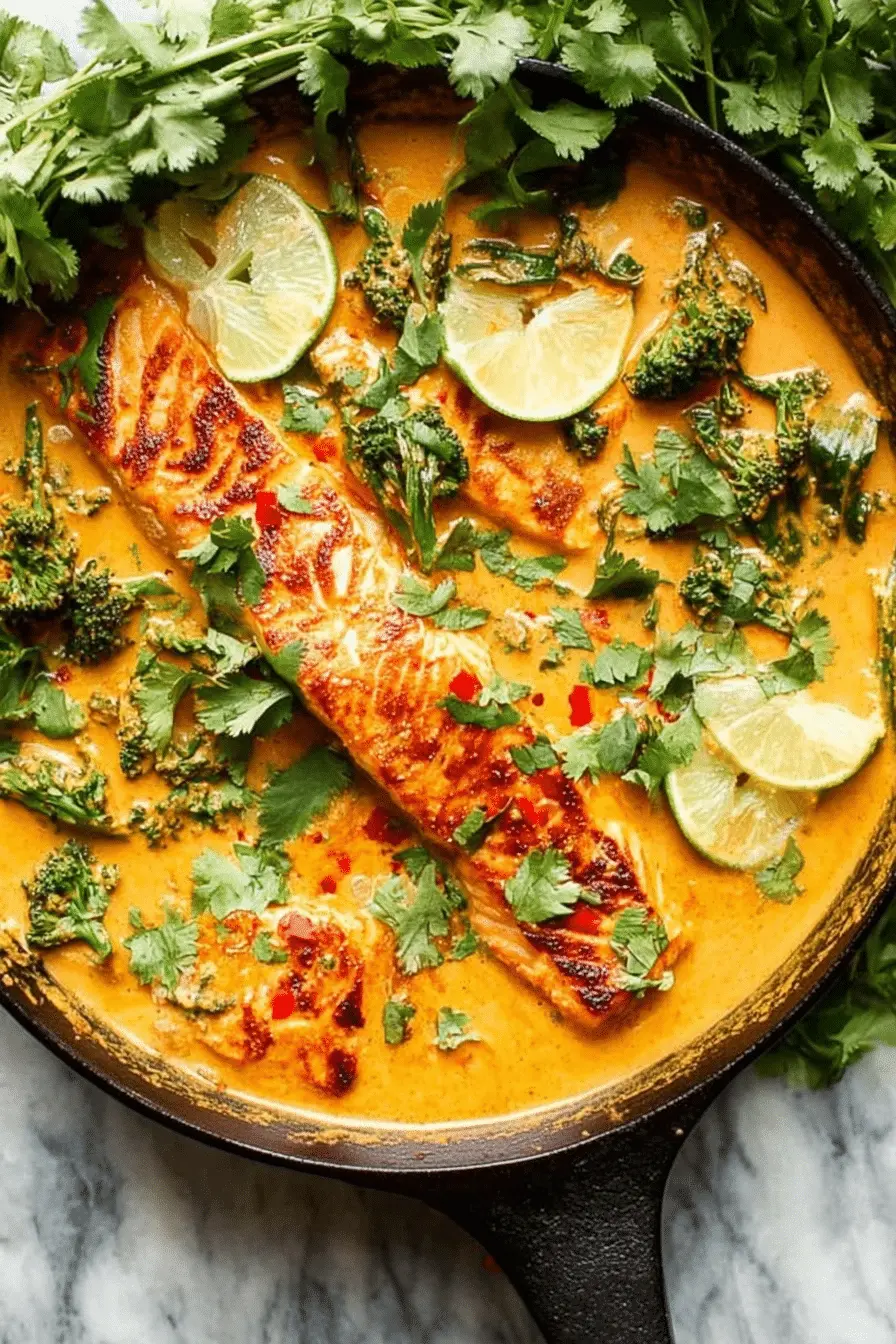
I make this salmon coconut curry at least once a month — sometimes on sleepy Sundays when I want something comforting, and sometimes midweek when I need dinner on the table fast. It's a Thai-inspired bowl of pan-seared salmon nestled in a silky red curry and coconut milk sauce with bright herbs and crisp-tender vegetables. The first thing that hits you is the aroma: warm coconut and red curry paste, then that citrusy lift when the lime hits the pan. It serves about four people and is forgiving enough to tweak depending on what’s in your fridge. In my kitchen this is comfort food with a little lift — rich coconut, a bright squeeze of lime, and flaky salmon with a barely-charred edge. I’ve tested small changes (searing the fish longer, using light coconut milk, skipping the fish sauce) and settled on the version below because it delivers the best balance of creaminess, heat, and freshness without adding fuss.Ingredients You'll Need
- Fresh salmon – the centerpiece; I use fillets skin-on so the skin crisps and helps the fish hold together while cooking.
- Olive oil & butter – a drizzle of olive oil and a pat of butter help with browning and flavor; butter gives a richer finish.
- Onion – provides a sweet, savory base when softened.
- Garlic – adds aromatic depth; cook until fragrant but not burnt.
- Thai red curry paste – the primary source of curry flavor and heat; adjust for spice tolerance.
- Coconut milk – makes the sauce creamy and slightly sweet; full-fat gives the best mouthfeel.
- Fish sauce – optional but recommended for that savory umami lift; a little goes a long way.
- Brown sugar – balances the curry's acidity and brings out the coconut sweetness.
- Carrots & broccolini – tender-crisp vegetables that add color, texture, and sweetness; swap or add bell peppers or spinach as desired.
- Lime juice – brightens the whole dish and cuts through the richness.
- Fresh basil & cilantro – scattered over the finished curry for fresh, herbal notes.
- Salt & pepper – simple seasoning to taste; salt enhances and balances the flavors.
- Vegetarian substitutions (tofu or chickpeas) – use firm tofu or chickpeas in place of salmon for a plant-based version; press tofu well so it sears nicely.
Step-by-Step Cooking Instructions
- Prep the salmon and vegetables. Cut the salmon into four portions, pat each piece dry with paper towels, and season both sides with salt and pepper. Trim and julienne carrots into matchsticks and chop broccolini into bite-size pieces. Chop the onion and mince the garlic. Having everything ready makes the sauce cook quickly and avoids overcooking the fish.
- Heat the pan. Add a drizzle of olive oil and a small knob of butter to a large skillet over medium-high heat. Let the pan heat up for a couple of minutes until the butter foams and the oil shimmers. A hot pan is key for a good sear — if the pan is too cool the salmon will stick and won’t get that golden edge.
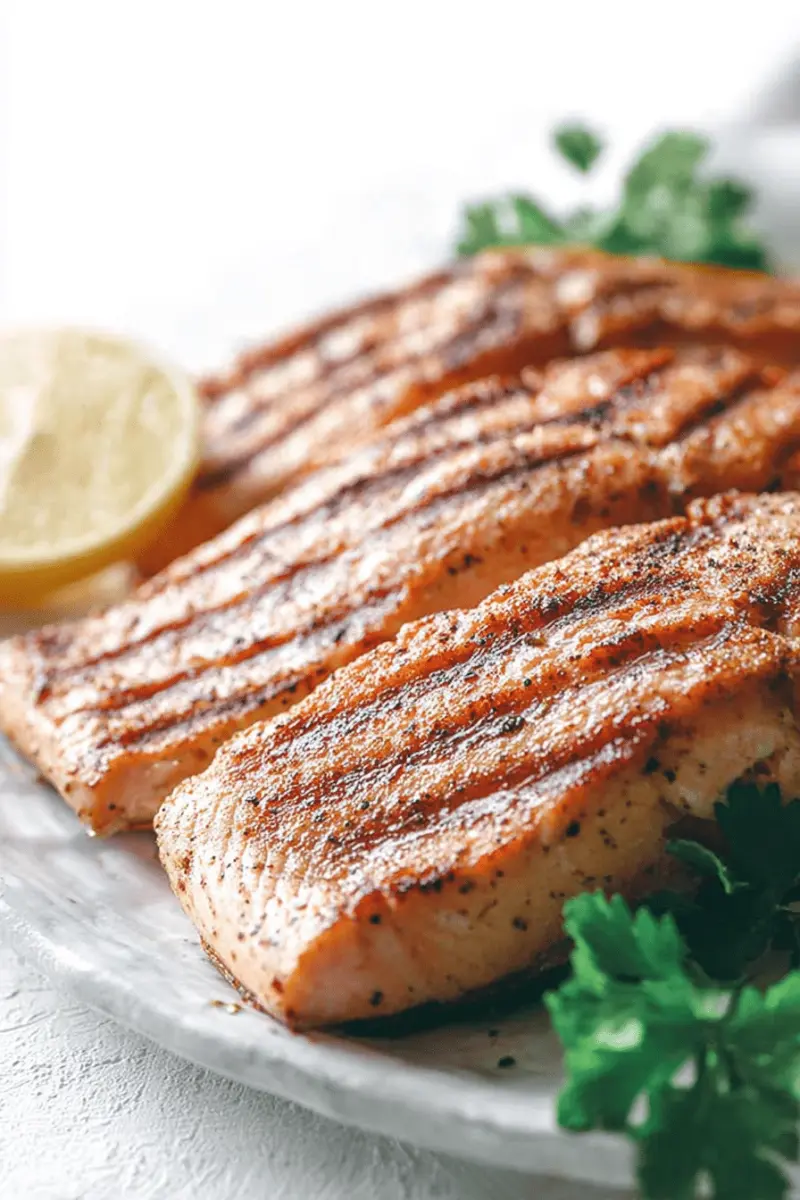
- Sear the salmon. Place salmon in the skillet skin-side down and press gently for the first 10–15 seconds so the skin makes even contact. Cook skin-side down for 5 minutes, then flip and cook an additional 2–3 minutes: the fish will be almost done but still tender. If it’s sticking when you try to flip, give it another 30 seconds — it will release naturally when the crust has formed. Overcooking is the easiest mistake here; remove the fish when it’s still slightly under on the inside because it will finish in the sauce.
- Remove the salmon and save the fond. Transfer the salmon to a plate. If you prefer not to eat the skin, you can gently slide it off once the fish cools for a minute. Spoon out most of the oil from the pan but leave roughly a tablespoon and any brown bits (fond) — that browned flavor is the backbone of the curry sauce.
- Sauté the aromatics. Add the chopped onion to the skillet and sauté for about 3 minutes until it begins to soften and take on light brown edges. Stir in the minced garlic and the red curry paste and cook for 1 minute until fragrant — the paste should bloom in the hot oil so its flavors open up. If you taste the paste raw, it will be sharp; a minute of cooking mellows it and intensifies the curry notes.
- Build the sauce. Stir in the fish sauce (if using), then pour in the coconut milk and add the brown sugar. Scrape the bottom of the pan to incorporate the browned bits. Bring it to a gentle bubble over medium-low heat. A simmer, not a rolling boil, keeps the coconut milk from splitting and maintains a smooth sauce.
- Add the vegetables and simmer. Add the carrots and broccolini to the pan and let the sauce gently bubble for about 5 minutes. The goal is tender-crisp vegetables — they should give easily with a fork but still have some snap and bright color. If you like softer vegetables, simmer a few minutes longer.
- Finish the curry and return the salmon. Stir in lime juice, then nestle the seared salmon back into the pan and spoon the sauce over the fillets. Let everything warm together for 2–3 minutes so the salmon finishes cooking and absorbs some sauce. Taste and adjust seasoning with salt, pepper, more lime, or a pinch more sugar if it needs balance. Scatter torn basil and chopped cilantro over the top and serve immediately.
Flavor Variations and Substitutions
This curry is a flexible canvas. I’ve swapped spices and proteins many times and each version brings its own personality. If you're looking for similar flavors, try our coconut curry chicken meatballs for a unique twist.- Make it spicier – add extra Thai red curry paste, a pinch of cayenne, or a chopped fresh chili. I often toss in a sliced serrano for a sharp, immediate heat.
- Make it milder – reduce the curry paste and balance with a touch more coconut milk and sugar; lime will keep the flavors bright.
- Different aromatics – add a teaspoon of grated fresh turmeric or a few slices of lemongrass when sautéing the onions for citrusy, earthy depth.
- Alternative proteins – use firm tofu (pressed and pan-fried) or chickpeas for a vegetarian version. I press tofu, toss in a little curry paste, and sear until golden before adding it back to the sauce.
- Spice palette swaps – try cumin, coriander, or a touch of garam masala for a different warmth profile; they change the curry’s character toward South Asian flavors rather than Thai.
- Herbs – cilantro and Thai basil are my go-tos, but regular basil or even mint can be interesting and fresh on top.
- Coconut milk brands – full-fat coconut milk from different brands can vary in sweetness and creaminess. Thai-style cans tend to be thicker and richer; light coconut milk thins the sauce and reduces calories but also reduces that luxurious mouthfeel.
Meal Prep and Storage Tips
Prep as much as you can a day ahead: chop your carrots and broccolini, mince the garlic, and measure out the curry paste and coconut milk. If you’re short on time, sear the salmon just until it loses its raw look and finish in the sauce when you reheat. For a vibrant meal prep option, include our honey glazed roasted Brussels sprouts as a perfect side.- Fridge storage – store leftover curry in an airtight container for up to 3 days. The flavors actually deepen overnight, though the salmon will firm up a bit.
- Freezing – you can freeze portions for up to 2 months. I recommend freezing the sauce separately from rice if possible; seafood textures change a bit when frozen and thawed, so use frozen portions for quick lunches where texture is less critical.
- Reheating – reheat gently on the stovetop over low-medium heat so the coconut milk doesn’t separate. Add a splash of water or extra coconut milk if it looks too thick, and finish with fresh lime juice and herbs to revive brightness.
Best Sides to Serve with Curry
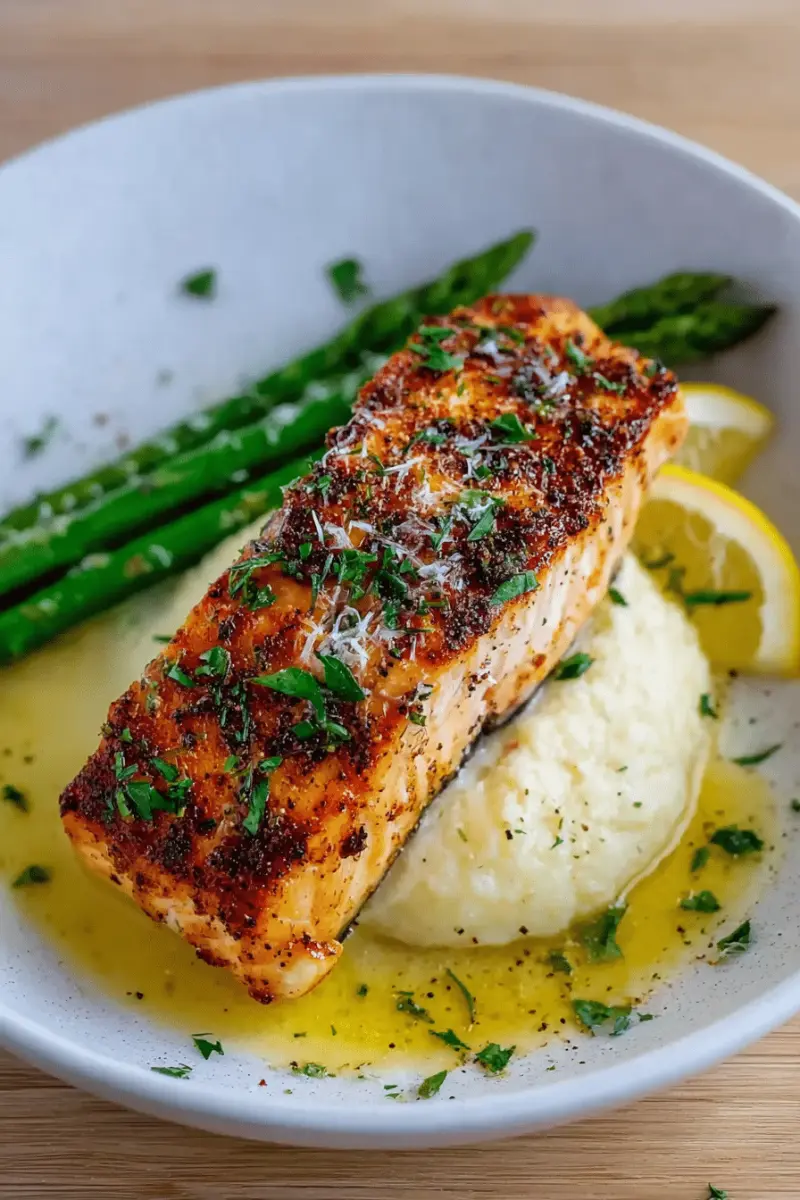
Simple sides that can stand up to the creamy sauce are best. Hot steamed rice is my default, but I often mix it up depending on mood and pantry items. Pair your salmon coconut curry with our delicious garlic butter salmon for an indulgent meal.- Jasmine rice – fragrant and soft, it soaks up the sauce and keeps each forkful balanced.
- Brown rice or quinoa – for a nuttier texture and more fiber; quinoa adds a slightly crunchy bite that I like for contrast.
- Naan or flatbread – use to mop up the sauce; warm naan brushed with butter is a hit with guests.
- Light salad – a quick cucumber and lime salad or pickled shallots cuts the richness nicely with acidity and crunch.
Nutritional Information
This recipe yields about four servings. Per serving (approximate): 458 calories, 35 g fat, 12 g carbohydrates, 27 g protein. Salmon brings heart-healthy omega-3 fatty acids and high-quality protein; coconut milk provides medium-chain triglycerides and a creamy texture, while the vegetables add fiber, vitamins, and color. Dietary notes: this dish is naturally gluten-free and dairy-free if you skip or replace the butter used for searing (use extra oil instead). To reduce calories and saturated fat, use light coconut milk but expect a thinner sauce and less luxurious mouthfeel.Frequently Asked Questions
- Can I use frozen salmon for this recipe? Yes, you can use frozen salmon! Just make sure to thaw it completely before cooking to ensure even cooking and great flavor.
- What can I substitute for coconut milk? If you don't have coconut milk, you can use almond milk or cashew cream for a lighter alternative, but it will slightly change the flavor and texture.
- Is this dish suitable for meal prep? Absolutely! Salmon coconut curry stores well in the fridge for a couple of days, and you can also freeze portions for later meals.
- Can I add other vegetables to the curry? Yes! Feel free to customize the recipe by adding your favorite vegetables like bell peppers, zucchini, or spinach for more variety.
- How can I make the curry spicier? To increase the spiciness, add extra Thai red curry paste or a chopped fresh chili pepper during the cooking process.
Conclusion and Final Thoughts
This salmon coconut curry is one of those recipes I keep returning to because it’s comforting, adaptable, and — most importantly — regularly successful. Expect a creamy, aromatic sauce, tender salmon with a crisp edge, and bright herbal notes at the finish. If something goes wrong (fish overcooks, sauce separates), you can usually fix it quickly: pull the fish early and finish in the sauce, whisk the sauce back together over low heat, or add a splash of coconut milk to bring back creaminess. Try it once as written, then feel free to swap vegetables, adjust the heat, or make it vegetarian with tofu or chickpeas. I’d love to hear how you make it your own — leave a note about your swaps or favorite sides so others can try them too.Recipe Card
Quick and Easy Salmon Coconut Curry – A Flavorful Thai Delight
- Prep
- 15 min
- Cook
- 20 min
- Total
- 35 min
- Serves
- 4
- Calories
- 458 kcal
- Carbs
- 12.00 g
Ingredients
- 1 poundfresh salmon
- to tastesalt & pepper
- 1 tablespoonolive oil
- 1 tablespoonbutter
- 1/2 mediumonion, chopped
- 2 clovesgarlic, minced
- 2 tablespoonsThai red curry paste
- 1/2 teaspoonfish sauce (optional)
- 1 can (13.5 ounce)full-fat coconut milk
- 1/2 teaspoonbrown sugar
- 1/2 cupmatchstick cut carrots
- 1 heaping cupchopped broccolini
- 1 teaspoonlime juice
- 2 tablespoonstorn/chopped fresh basil
- 2 tablespoonschopped fresh cilantro
Instructions
- 1
Cut the salmon into 4 equal pieces. Pat both sides dry with paper towel and season with salt & pepper.
- 2
Add the oil and butter to a skillet over medium-high heat. Let the pan heat up for a few minutes.
- 3
Cook the salmon, skin-side down, for 5 minutes. Flip it and cook for another 2-3 minutes (the fish should be almost done).
- 4
Take the salmon out of the pan and transfer it to a plate.
- 5
Spoon some of the oil out of the skillet so you have about a tablespoon left in there.
- 6
Add the onion to the skillet and sauté for about 3 minutes, then stir in the garlic and curry paste.
- 7
Add in the fish sauce, coconut milk, sugar, carrots, and broccolini. Let it bubble for about 5 minutes.
- 8
Stir in the lime juice, then add the fish back to the pan. Let it warm through for a couple of minutes.
- 9
Season with more salt & pepper as needed. Sprinkle with the basil and cilantro and serve immediately.
You might also like
Reviews
Be the first to review this.