- Prep
- 20 min
- Cook
- 640 min
- Total
- 660 min
- Serves
- 6
- Calories
- 384 kcal
- Protein
- 9.00 g
- Carbs
- 71.00 g
- Fat
- 5.00 g
Introduction
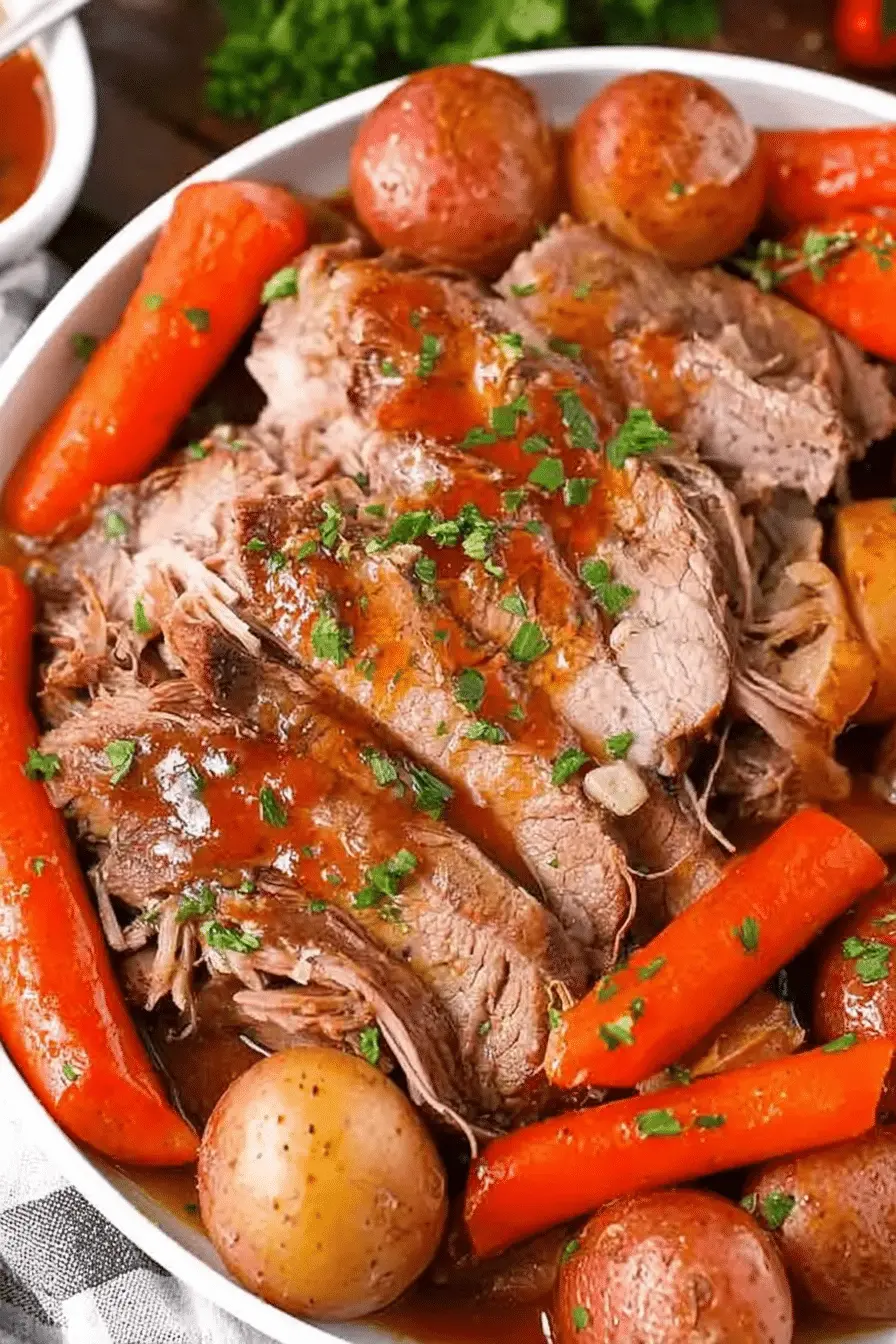
When I want the house to smell like home, I turn on the slow cooker and make this Yankee pot roast. It’s the kind of dinner that pulls everyone into the kitchen without a single invitation — the roast simmers away while the carrots and potatoes soften, and by evening the gravy has a deep, comforting color that makes people sit up straighter. I grew up with pot roast nights on Sundays; the ritual of searing a hunk of beef and letting it slow-cook until it’s falling-apart tender is one of those small, steady comforts I still keep in my weeknight rotation. I remember the first time I didn’t rush the sear and thought the slow cooker would do all the work — the meat never quite hit that melting-soft texture I love. After a few tries, I learned the small things that make the biggest difference: a good sear, a respectable splash of wine or broth for depth, and patience while the connective tissue quietly breaks down. Those little choices make the gravy richer and the meat more tender than any shortcut ever could. There’s something quietly ceremonial about plating this roast: the glossy gravy pooling around the vegetables, the shine on the carrots, and that first forkful of beef that almost dissolves. I cook this when I want something familiar and generous, the kind of meal that keeps conversation warm long after plates are cleared.Everything You Need for Slow Cooker Yankee Pot Roast
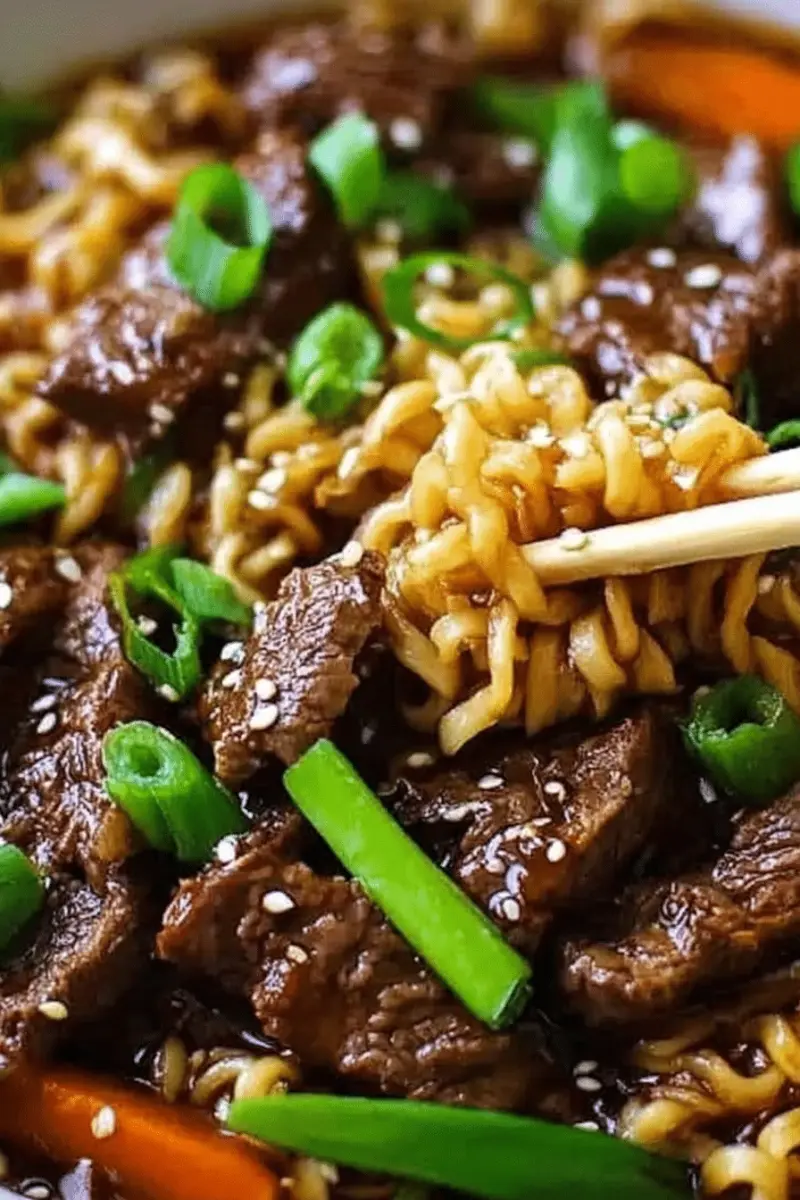
This dish works best when each ingredient does its job. Quality meat, aromatic herbs, and a liquid with a little personality are the backbone. If you like hands-off comfort food, you might also enjoy another slow-cooker favorite I keep in rotation: If you're a fan of slow cooking, check out our slow cooker beef ramen noodles for another comforting dish that's easy to prepare.- Top round / chuck roast / round tip – The centerpiece. Choose one with some marbling if you want richer flavor; leaner cuts work but need patience so they don’t dry out.
- Salt & pepper – Simple seasoning that brings out beefy flavors; season generously before searing.
- Vegetable oil – For a hot pan sear; it helps form that browned crust we all love.
- Red wine or beef broth – Adds depth; wine brings acidity and complexity while broth keeps the profile more straightforward.
- Low-sodium beef broth – The slow-cooker liquid base so the meat stays moist and the vegetables cook gently.
- Onion, carrots, potatoes – Aromatics and sturdy vegetables that hold up to long cooking and soak up the gravy.
- Garlic, thyme, rosemary – Small amounts add big aroma; dried herbs are fine, but fresh herbs at the end brighten the dish.
- Diced tomatoes – They add acidity and body to the gravy without making it taste like tomato sauce.
- Worcestershire sauce – A secret-sided depth builder; it rounds the savory notes and deepens color.
- Cornstarch – The thickening agent for the gravy; mixed into a slurry at the end so you don’t over-thicken the sauce.
- Fresh parsley – A final fresh lift for brightness when serving.
The Secret to the Perfect, Melting-Soft Texture
The slow cooker does the heavy lifting, but a few technique points make the difference between merely tender and truly melt-in-your-mouth. The science is simple: collagen turns to gelatin when cooked low and slow, which gives that silky texture and rich mouthfeel.- Sear first to build fond — that browned crust is flavor you’ll want in the gravy.
- Keep enough liquid to just cover the base of the cooker but not drown the roast — steam + low heat is the tenderizing combination.
- Cook on low when time allows; the gentler heat gives connective tissue time to break down without drying the meat.
- Resist the urge to lift the lid frequently — every peek steals heat and adds time to reach tenderness.
- Finish with a rest off the heat for a few minutes so juices redistribute before slicing or shredding.
Choosing the Best Cut for Traditional Flavor: Top Round vs. Chuck
Not all roasts are created equal. I often choose based on what I want from the final dish: a robust, deeply flavored outcome or something a bit leaner and sliceable. Look for good color and even marbling — that thin white web of fat means flavor and tenderness after slow cooking. If you want more ideas on cuts and similar slow-cooked beef dishes, try this companion recipe: If you're looking for more ideas on great cuts of beef, don’t miss our recipe for slow cooker beef stew, which also highlights flavorful cuts.- Top round – Leaner, slices nicely. It rewards patience and a long, gentle cook; you’ll get a classic, sliced pot roast texture but it needs careful timing so it doesn’t dry.
- Chuck roast – My go-to when I want rich, fall-apart meat. The extra marbling melts into gelatin, giving a more unctuous gravy and tender bite.
- Round tip – A good middle ground: decent flavor and a bit leaner than chuck. Choose this when you want a balance between slicing and shredding.
- What to look for – Bright color, slight sheen, and some marbling. Avoid meat with a gray tint or overly large patches of fat; ask your butcher for a roast suited to slow cooking if you’re unsure.
How to Make Slow Cooker Yankee Pot Roast (Step-by-Step)
- Season the roast well with salt and pepper — be generous so the flavor penetrates the exterior.
- Heat a heavy pan until very hot, add oil, and sear the roast on all sides until deeply browned; scrape and deglaze the pan with a splash of wine or broth to lift the fond.
- Place the roast into the slow cooker and add the onions, carrots, potatoes, garlic, herbs, diced tomatoes, Worcestershire, and the remaining liquid around (not necessarily over) the roast so the vegetables cook evenly.
- Cover and cook on Low for the long option or High if you’re short on time; keep the lid on as much as possible to maintain steady heat.
- In the last portion of cooking, stir together a cornstarch slurry and add it to the cooker to thicken the gravy; cook a short while longer until the sauce reaches the consistency you like.
- Remove the roast to a cutting board and let it rest; skim any excess fat from the gravy and taste for seasoning before serving.
The One Move That Makes the Gravy Rich and Full-Bodied
The single, most impactful move is incorporating the fond from the searing step into your slow-cooker liquid. That dark, caramelized layer sticking to the pan is concentrated flavor — do not waste it.- After searing, deglaze the pan with wine or a splash of broth and scrape up the fond into the deglazing liquid — pour that into the slow cooker.
- Add Worcestershire and a little diced tomato for acidity; these coax out savory notes and deepen the color.
- Use a cornstarch slurry at the end to thicken gently — add gradually and taste between additions so you don’t over-thicken.
- Finish with a knob of butter or a drizzle of good-quality oil off the heat for sheen and mouthfeel, and a pinch more salt to balance.
Pro Tip for Slow Cooker Yankee Pot Roast: Timing, Slurry & Doneness
- I prefer Low for 8–9 hours if my schedule allows; the slow, patient heat gives the best texture.
- If you need to use High, aim for roughly a shorter total time (about 5 hours) and check for tenderness early so you don’t overcook.
- Add the cornstarch slurry during the last 30 minutes so the gravy thickens without losing shine or becoming pasty.
- Test doneness by probing with a fork — the roast should pull apart easily rather than feel springy.
- Don’t skip the rest period — it helps the juices redistribute and keeps the meat moist when you slice or shred it.
Troubleshooting
- If the meat is still tough after the recommended time: return it to low heat and give it more time — connective tissue needs time, not higher temperature.
- If the gravy is thin after adding slurry: make a fresh slurry and add a little at a time until you reach desired thickness.
- If vegetables are falling apart: add them later in the cook or use heartier varieties that hold shape better.
- If the roast tastes flat: check seasoning at the end and add a splash of acid (vinegar or a squeeze of lemon) to brighten the sauce.
- When the exterior looks pale: make sure your pan is hot enough before searing; you want that deep brown crust for flavor.
How to Store, Reheat, and Repurpose Leftovers (Soups, Hashes & Sandwiches)
Leftovers are a joy with pot roast — they only get better overnight as flavors meld. Store cooled roast and gravy in airtight containers and keep in the refrigerator for up to three days, or freeze portions for up to three months. When reheating, do it gently over low heat so the meat doesn’t dry out; add a splash of broth if the gravy looks stiff. For fresh ideas, try these repurposing options — they keep weeknight dinners interesting and avoid waste. If you want an easy and hearty meal from leftovers, this pairs nicely with other comfort recipes: For an easy and hearty meal from leftovers, try turning them into crock pot chicken and dumplings!- Hearty soup – Shred the roast, add extra broth and vegetables, and finish with herbs for a quick, warming bowl.
- Skillet hash – Chop roast and pan-fry with diced potatoes and onions; top with a fried egg for a comforting breakfast-for-dinner.
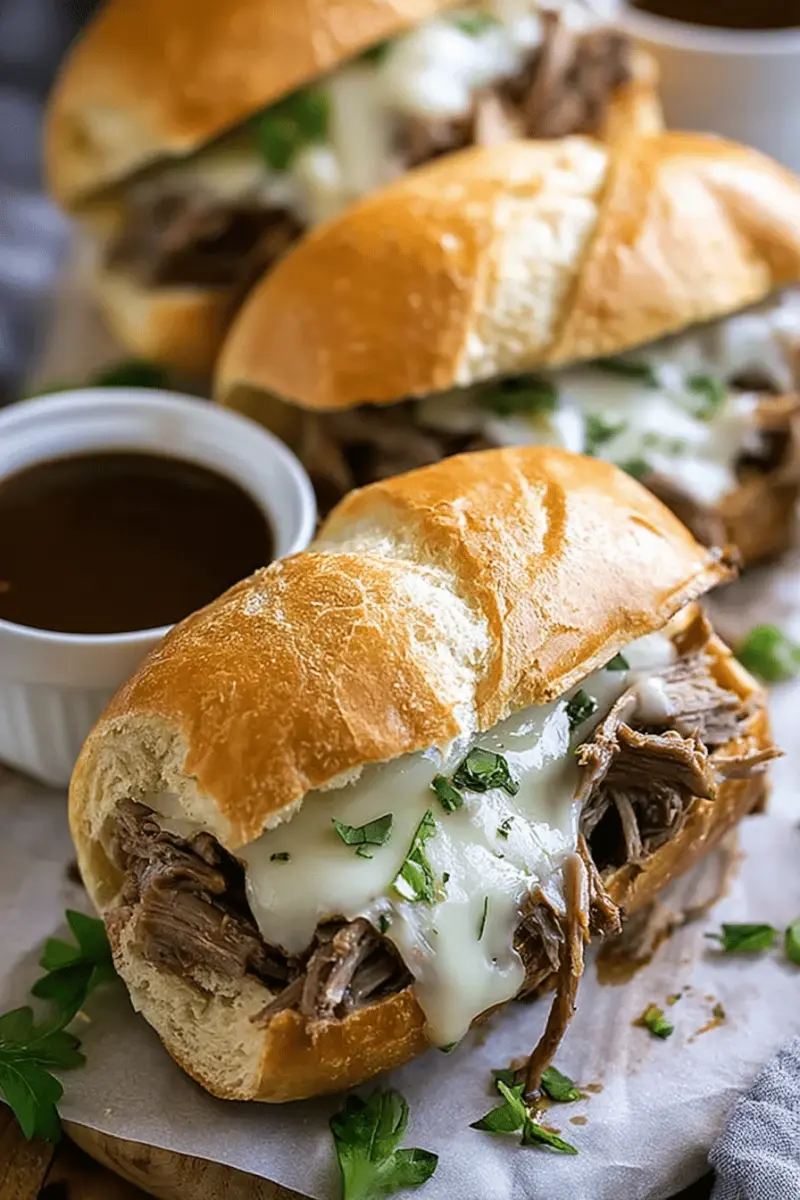
- Sandwiches – Pile shredded roast on crusty bread with a slather of gravy or horseradish mayo for a satisfying sandwich.
- Pot roast tacos – Warm shredded beef with a squeeze of lime, pickled onions, and cilantro for a lively twist.
- Freezer portions – Freeze meat and sauce separately for best texture; thaw overnight in the fridge and reheat slowly.
Frequently Asked Questions
What is a Yankee pot roast? A Yankee pot roast is a type of pot roast featuring tender meat cooked with vegetables like carrots, potatoes, and onions. It’s known for its rich flavor and comforting, homestyle character. How do I achieve tender meat in my slow cooker pot roast? To achieve tender meat, sear the roast before placing it in the slow cooker and cook it low and slow. That gentle breakdown of connective tissue is what gives you melt-in-your-mouth tenderness. What cut of meat is best for a Yankee pot roast? The best cuts are top round roast, chuck roast, or round tip roast. These cuts have enough fat and connective tissue to become flavorful and tender when cooked slowly. Can I cook Yankee pot roast on high heat? Yes — you can cook it on high, but shorten the time (roughly about five hours) compared with the low-and-slow approach of eight to nine hours. Low heat generally produces the most tender results. How do I store leftover Yankee pot roast? Store leftovers in an airtight container in the refrigerator for up to three days. You can also freeze the pot roast for later use; thaw in the refrigerator and reheat gently when you’re ready to enjoy it again.Recipe Card
How I Make Slow Cooker Yankee Pot Roast for Cozy Family Dinners
- Prep
- 20 min
- Cook
- 640 min
- Total
- 660 min
- Serves
- 6
- Calories
- 384 kcal
- Protein
- 9.00 g
- Carbs
- 71.00 g
- Fat
- 5.00 g
Ingredients
- 1 3.5 - to 5-poundtop round roast (or chuck roast or round tip roast)
- —Kosher or sea salt
- —Freshly ground black pepper
- 3 tablespoonsvegetable oil
- 1 cupred wine (or beef broth)
- 1 cupbeef broth (low sodium)
- 1 largeonion (quartered)
- 2 largecarrots (cut into chunks or 2 cups of baby carrots)
- 10 minired potatoes (washed)
- 1 tablespoonminced garlic
- 1 teaspoondried thyme
- 1 teaspoondried rosemary
- 1 14.5oz candiced tomatoes
- 2 tablespoonsWorcestershire sauce
- 1 tablespooncornstarch
- 2 tablespoonswater
- —Fresh chopped parsley
Instructions
- 1
Season beef with salt and pepper.
- 2
Place a large cast iron pan or Dutch oven on the stove over heat. Once hot, add oil, and sear roast on all sides.
- 3
Place the roast in the slow cooker and add the remaining ingredients. Stir well to combine.
- 4
Cover and cook on Low for 480 minutes (8 hours) or High for 300 minutes (5 hours) until the beef is tender.
- 5
Mix water and cornstarch in a small bowl until the cornstarch is fully dissolved.
- 6
During the last 30 minutes of cooking, add the slurry to the slow cooker to thicken the gravy. Gently stir to combine the ingredients.
- 7
Cover and cook for 30 minutes on High. If needed, add more slurry.
- 8
Serve the roast with the veggies and topped with the gravy sauce. Garnish with fresh chopped parsley.
You might also like

Reviews
Be the first to review this.