- Prep
- 15 min
- Cook
- 25 min
- Total
- 40 min
- Serves
- 5
- Calories
- 559 kcal
- Protein
- 15.00 g
- Carbs
- 73.00 g
- Fat
- 25.00 g
Introduction
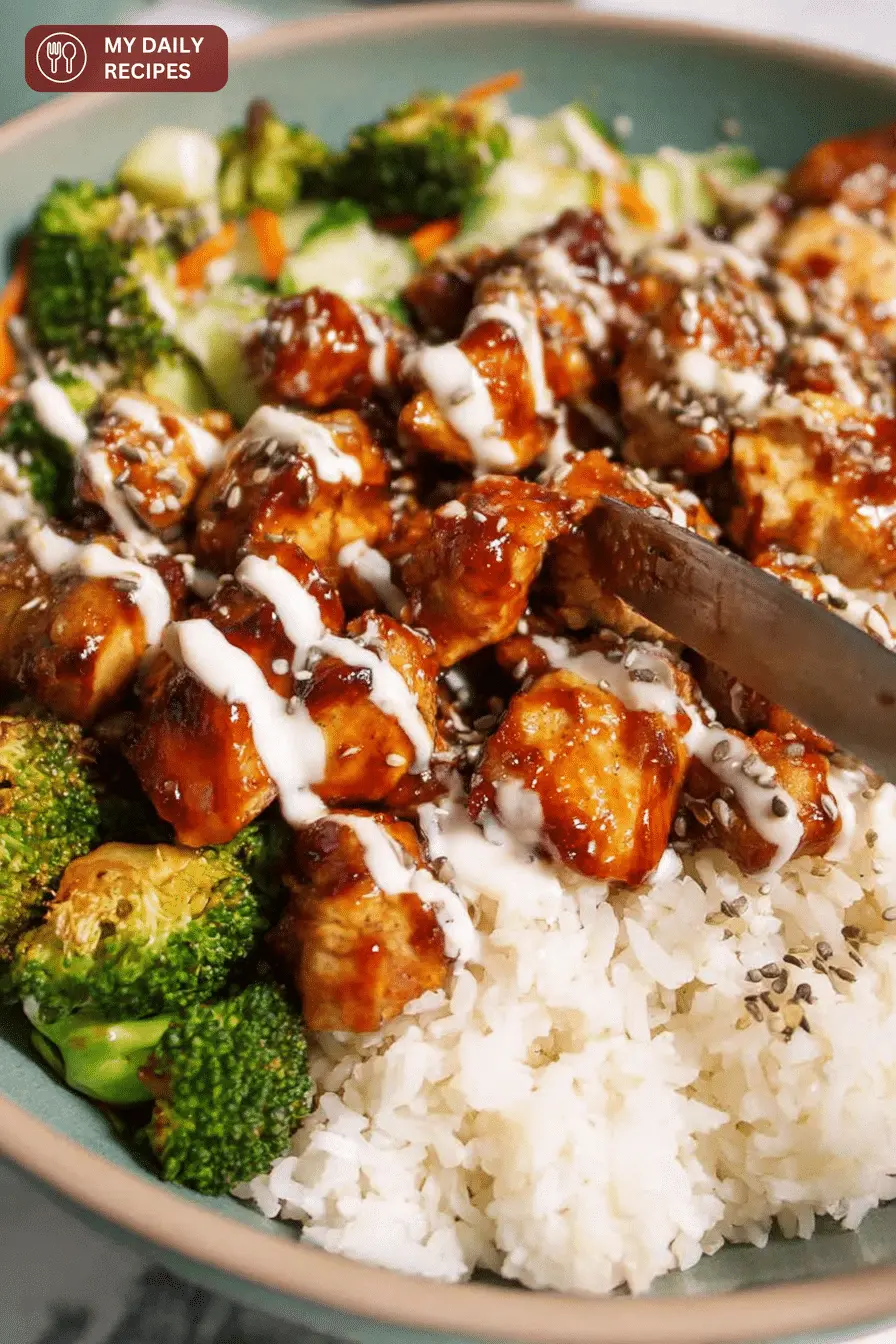
Sticky chicken bowls are one of those weeknight heroes: tender pieces of chicken in a glossy sweet-and-savory glaze, nested on a bed of steaming rice with crisp vegetables for contrast. They hit salty, sweet, tangy, and a little spicy if you like — and they come together fast enough that I routinely make them on busy evenings when I don’t want to spend forever at the stove. I tested the recipe several times in my own tiny kitchen, swapping thighs for breasts, trying different sweeteners, and adjusting how long I reduced the sauce so each bite stays glossy without turning into candy. The first time I made it I thought the sauce was too thin — but give it an extra 3–4 minutes over medium-low heat and it suddenly clings to the chicken like it’s supposed to. The smell while it cooks is addictive: garlic and honey caramelizing, a quick hit of umami from the soy, then the bright lift of rice vinegar. This is the version I keep coming back to.Ingredients You'll Need
- Boneless chicken – the tender base for the bowl; thighs stay juicier than breasts if you want more forgiving meat.
- Oil – a drizzle of neutral oil to sear the chicken and build flavor without smoking.
- Garlic – minced to give a warm, aromatic backbone to the sauce.
- Soy sauce – provides salt and umami; swap for tamari for a gluten-free option.
- Honey – the sweet component that caramelizes into the sticky glaze.
- Brown sugar (optional) – a touch more depth and stickiness if you want it extra glossy.
- Rice vinegar or lemon juice – adds brightness so the bowl doesn’t taste cloying.
- Chili flakes (optional) – for a subtle heat that balances the sweet.
- Cooked rice – the comforting base that soaks up the sauce; swap with cauliflower rice for low-carb.
- Green onions – fresh, sharp contrast and color on top.
- Sesame seeds – a toasty garnish that gives a slight crunch and nutty finish.
Step-by-Step Cooking Instructions
- Cut the chicken into small, even pieces. I aim for roughly 1-inch cubes so they cook evenly and finish in the glaze at the same time. Uneven pieces are the number-one reason bites end up dry while other pieces are still underdone.
- Heat a skillet over medium heat and add the oil. When the oil shimmers, add the chicken in a single layer. Don’t overcrowd the pan — you want a little sizzle. Cook for about 4–5 minutes, turning occasionally, until the pieces are lightly browned. That browning builds flavor through the Maillard reaction; if you skip it the sauce will still be tasty but won’t have the same depth.
- Stir in the minced garlic and sauté for 20–30 seconds until fragrant. The smell changes quickly here: raw garlic is sharp, and it softens to a warmer, sweeter note when it hits the pan. Don’t let it burn — burnt garlic tastes bitter and will spoil the glaze.
- In a small bowl, whisk together the soy sauce, honey, brown sugar (if using), and rice vinegar or lemon juice. If you like a little heat, add the chili flakes. Pour the sauce over the chicken and stir to combine.
- Let the mixture simmer for 6–8 minutes, stirring occasionally, until the sauce thickens and becomes glossy. You’ll see the sauce reduce and cling to the chicken; that’s the cue it’s ready. If the sauce looks too thin after 8 minutes, turn the heat up slightly for a minute or whisk in a small cornstarch slurry (about 1 tsp cornstarch mixed with 1 tbsp water) and cook until glossy.
- Check doneness with a quick cut into the largest piece or by using an instant-read thermometer — the internal temperature should reach 165°F (74°C). If the pieces are overcooked they’ll be dry; if undercooked, toss them back in the glaze for another minute or two. I prefer thighs because they forgive a bit more.
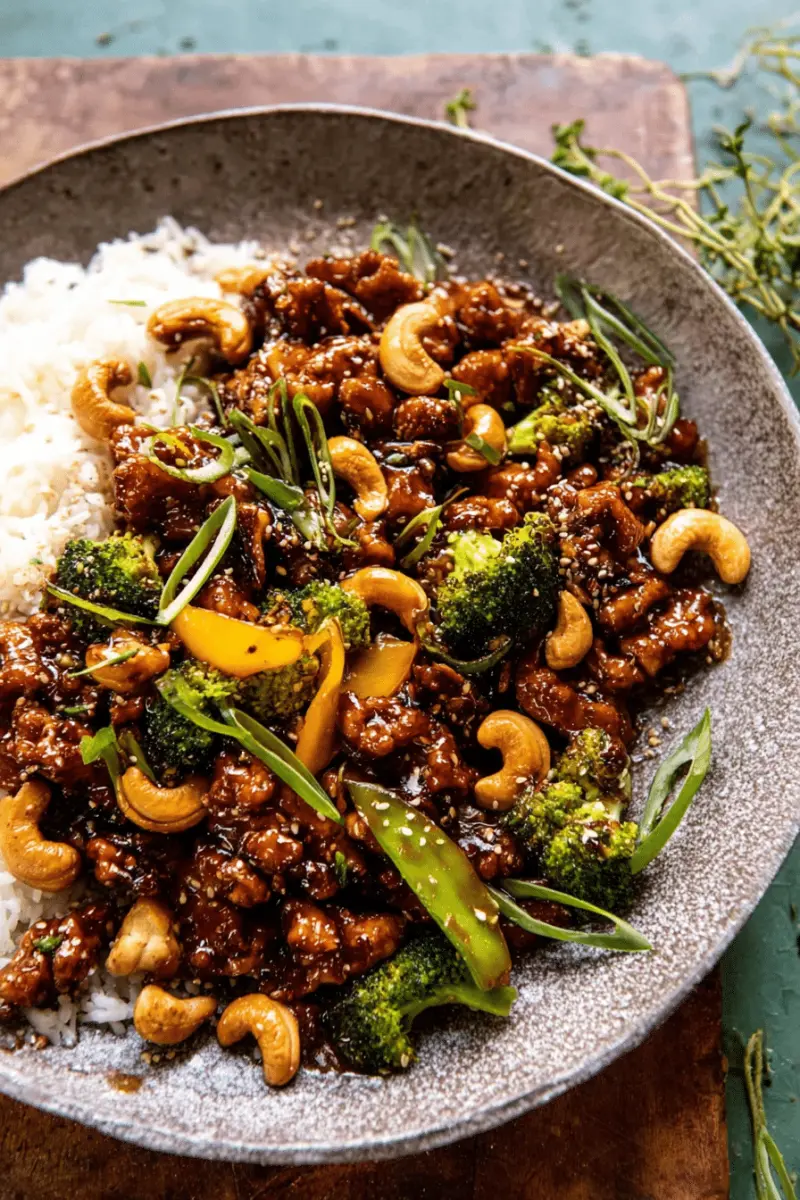
- Spoon warm rice into bowls, top with the sticky chicken, and garnish with sliced green onions and sesame seeds. The contrast between the glossy, slightly sticky chicken and the fluffy rice is what makes this bowl sing.
Nutritional Information (Per Serving)
Estimated per serving: 559 kcal, 25 g fat, 73 g carbohydrates, 15 g protein. Notes on nutrition: this is a balanced bowl that gives you protein from chicken, quick energy from rice, and healthy flavors from minimal oil and fresh vegetables. Honey adds natural sugars and a small amount of antioxidants, while garlic contributes beneficial compounds. If you want lower calories or more protein, use cauliflower rice or serve with a double portion of veggies and reduce the rice.Tips for Perfect Chicken Every Time
- Choose the right cut: Boneless, skinless thighs are forgiving and stay juicy; breasts can be used but watch cooking time closely.
- Cut evenly: Uniform pieces mean everything finishes at the same time. If pieces vary a lot, remove smaller ones early so they don’t dry out.
- Don’t crowd the pan: Overcrowding steams the chicken instead of browning it. Work in batches if needed.
- Watch the garlic: Add it when the chicken is mostly cooked and sauté for only a few seconds. Burnt garlic ruins a glaze quickly.
- Reduce the sauce properly: Patience matters. Medium-low heat for a few extra minutes gives you that clingy, glossy finish. If you’re in a rush, a tiny cornstarch slurry will thicken quickly — but add it sparingly.
- Fixing bland sauce: If your sauce tastes flat, add a pinch of salt or another splash of soy. If it’s too sweet, a squeeze more rice vinegar or lemon juice balances it immediately.
- Internal temperature: Aim for 165°F (74°C) for safety. Pull the chicken off the heat just as it hits that temp — carryover cooking will keep it juicy.
Gluten-Free or Low-Carb Variations
It’s simple to adapt these bowls. For gluten-free: use tamari or a certified gluten-free soy sauce, and double-check rice vinegar and any condiments for hidden wheat. Serve over rice or cauliflower rice depending on your carb preference. For low-carb: swap the white rice for cauliflower rice (store-bought or pulsed raw cauliflower sautéed quickly until tender). You can also serve the chicken over a bed of mixed greens or shredded cabbage for a warm salad-style bowl. Sauce alternatives: coconut aminos is a great gluten-free, slightly sweeter substitute for soy sauce and gives a darker, milder umami flavor.Customizing Your Chicken Bowl with Veggies
Veggies make these bowls pop with color, texture, and nutrition. Here are my favorite options and how I prepare them for the best results:- Broccoli – steam or blanch briefly so it stays bright and crisp, or roast at 425°F for 12–15 minutes to get tiny charred edges.
- Bell peppers – sauté quickly over high heat so they keep some bite and a sweet char.
- Snap peas or snow peas – toss in the pan for the last 1–2 minutes of cooking so they stay crunchy and sweet.
- Carrots – thin ribbons or quick-pickled slices add sweet crunch and acid to cut the glaze.
- Edamame – shelled edamame adds texture and extra protein; toss them in at the end to warm through.
- Pickles or quick-pickled cucumbers – a spoonful brightens the entire bowl and cuts richness.
Suggested Side Dishes and Pairings
These bowls stand well on their own, but if you want to round out the meal or serve a crowd, here are easy pairings:- Simple green salad – a lemony vinaigrette keeps things bright and light.
- Steamed or roasted veggies – extra broccoli, bok choy, or green beans work great.
- Asian-inspired slaw – shredded cabbage with a rice vinegar, sesame oil, and a touch of honey dressing adds freshness.
- Pickled cucumbers – acid and crunch cut the sweetness of the glaze.
- Drinks: hot green tea, a crisp lager, or a dry white wine complements the sweet-salty profile.
Storage, Meal Prep & Reheating
I meal-prep these bowls all the time. Store chicken, sauce, and rice separately in airtight containers for up to 3–4 days in the fridge. When reheating, warm gently in a skillet with a splash of water or soy sauce to loosen the glaze; microwaving works fine too but the skillet keeps texture better. You can freeze the cooked chicken and sauce for 2–3 months — thaw overnight and reheat on the stove.FAQ
- Can I make these sticky chicken bowls gluten-free?Yes — swap regular soy sauce for tamari or a certified gluten-free soy sauce, verify your rice vinegar and other condiments are gluten-free, and serve over rice or cauliflower rice. Use gluten-free hoisin or omit sauces that contain wheat.
- How can I make the sauce extra sticky and glossy?Simmer the sauce a little longer to reduce it, or whisk in a cornstarch slurry (about 1 tsp cornstarch mixed with 1 tbsp water) and cook until glossy. Adding a touch more honey or brown sugar also increases stickiness.
- How do I prevent the chicken from drying out?Cut chicken into even pieces, cook over medium heat until just done, and avoid overcooking. Using boneless skin-on thighs gives juicier results. You can also marinate briefly and finish the chicken in the sauce so it stays moist. Aim for an internal temperature of 165°F (74°C).
- Can I meal prep these bowls and how should I store/reheat them?Yes — store chicken, sauce, and rice separately in airtight containers for up to 3–4 days. Reheat in a skillet or microwave; add a splash of water or soy sauce when reheating to loosen the glaze. You can freeze the cooked chicken and sauce for 2–3 months; thaw overnight before reheating.
- What vegetables and sides work best with sticky chicken bowls?Crisp veggies like broccoli, bell peppers, snap peas, carrots, or edamame work great. Steam, roast, or quickly sauté them. Pair with steamed rice or cauliflower rice, a simple salad, Asian slaw, or pickled cucumbers. Drinks: green tea, light beer, or sake.
Conclusion and Final Thoughts
Sticky chicken bowls are a dependable, flexible weeknight supper that’s forgiving enough to adapt to what you have in the fridge. I make a version of this at least once a month — it’s fast, the kids like it, and I love that it reheats well for lunches. The small details matter: even browning, watching the garlic, and letting the sauce reduce to a glossy syrup. Try the variations above, and don’t be afraid to tweak the sweet-sour balance to your taste. If you try it, tell me how you customized it — I always trade tips with readers about the best veggie combos or how they got that perfect glaze. Enjoy the bowl and the little ritual of spooning glossy chicken over steaming rice. It’s simple, comforting, and reliably delicious.Recipe Card
Sticky Chicken Bowls: A Quick and Satisfying Asian-Inspired Dinner
- Prep
- 15 min
- Cook
- 25 min
- Total
- 40 min
- Serves
- 5
- Calories
- 559 kcal
- Protein
- 15.00 g
- Carbs
- 73.00 g
- Fat
- 25.00 g
Ingredients
- 1 Ibboneless chicken (cut into small pieces)
- 1 tbspoil
- 2 clovesgarlic (minced)
- 3 tbspsoy sauce
- 2 tbsphoney
- 1 tbspbrown sugar (optional for extra stickiness)
- 1 tbsprice vinegar or lemon juice
- 1 tspchili flakes (optional)
- to tastecooked rice
- to tastegreen onions
- to tastesesame seeds
Instructions
- 1
Cut the chicken into small, even pieces.
- 2
Heat oil in a skillet over medium heat.
- 3
Add the chicken and cook until lightly browned.
- 4
Stir in the minced garlic and sauté for a few seconds.
- 5
Mix soy sauce, honey, brown sugar, and vinegar in a bowl.
- 6
Pour the sauce mixture over the chicken.
- 7
Let the mixture simmer until it begins to thicken.
- 8
Spoon warm rice into serving plates.
- 9
Top the rice with the sticky chicken and garnish with green onions and sesame seeds.
You might also like
Reviews
Be the first to review this.