- Prep
- 2 min
- Cook
- 20 min
- Total
- 22 min
- Serves
- 8
- Calories
- 107 kcal
- Carbs
- 12.00 g
On this page11 quick jumps
TOC
11 quick jumps
Introduction
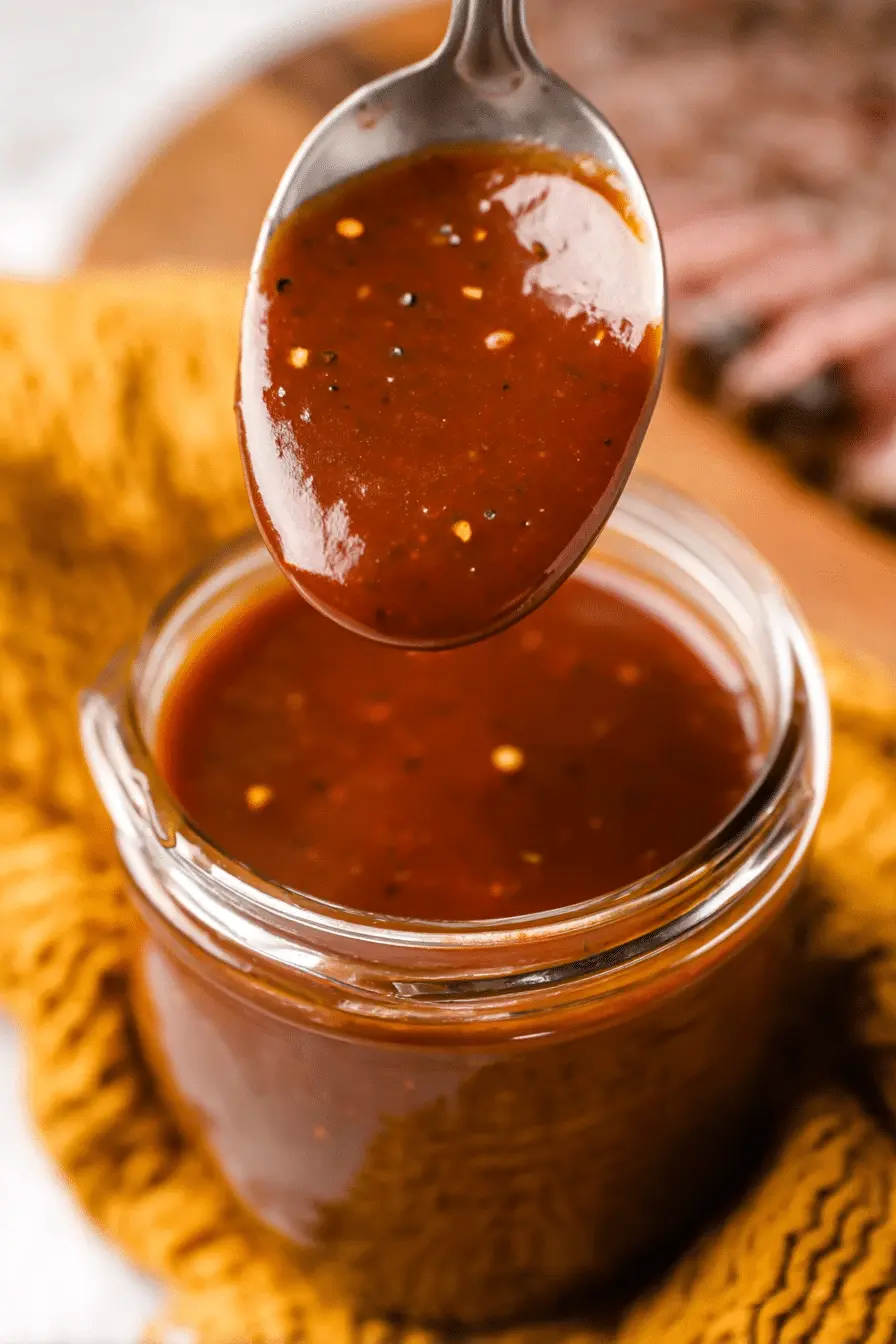
There’s something almost ritualistic about the little ramekin of Texas Roadhouse steak sauce that arrives with your steak — tangy, smoky, a little sweet, and quietly addictive. I set out to recreate that exact balance at home: something thick enough to cling to a fork, glossy, and with a background of savory umami that keeps you going back for one more bite. I made this recipe several times over a few weeks — once on a weeknight with a cast iron sear, once slow-simmered on a lazy Sunday, and once doubling it for friends — and each time I learned a small tweak that made it feel truly finished. The result below is what I now reach for whenever I want that Roadhouse vibe without leaving the house.Ingredients You'll Need
- Butter – builds the base for a quick roux and adds a silky mouthfeel; swap for olive oil for a lighter finish.
- All-purpose flour – thickens the sauce into that glossy, clingy texture; use a gluten-free blend if needed.
- Beef stock – the backbone of the flavor; concentrated beef broth or a good-quality stock gives depth.
- Minced garlic – provides aromatic bite that mellows when cooked; fresh is best but jarred works in a pinch.
- Liquid smoke – gives that charred, grilled note you expect from restaurant steak sauce; use sparingly if you’re new to it.
- Worcestershire sauce – adds tang and savory complexity; it’s a key umami layer.
- Black pepper – a bold, peppery edge; freshly cracked brings more aroma than pre-ground.
- Apple butter – contributes sweet fruitiness and body; apricot preserves or reduced applesauce can substitute.
- Soy sauce – salt and additional umami; use low-sodium if you’re cutting salt.
- Distilled white vinegar – brightens and lifts the sauce; apple cider vinegar gives a fruitier note if you prefer.
- Lime juice – a pop of fresh acidity to balance sweetness; lemon works too.
- Tomato paste – anchors the savory side and helps thicken; it gives that subtle tang and color.
- Corn syrup – smooth sweetness and glossy finish; use light corn syrup or substitute a neutral sugar syrup to avoid crystallization.
- Anchovy paste – provides invisible umami and a savory backbone; can be swapped for miso, fish sauce, or extra soy in a pinch.
Step-by-Step Instructions
Yield: about 8 servings. Prep time: 2 minutes. Cook time: ~20 minutes. Total time: ~22 minutes. Below I give the precise amounts I used every time I tested this. If you want to scale the batch, keep the ratios and the roux technique the same.- First, measure the ingredients so you’re not scrambling while the sauce is hot. You’ll need 4 tablespoons butter, 2 tablespoons all-purpose flour, 3/4 cup beef stock, 1 teaspoon minced garlic, 2 tablespoons liquid smoke, 2 tablespoons Worcestershire sauce, 2 teaspoons freshly cracked black pepper, 1/2 cup apple butter, 2 tablespoons soy sauce, 2 tablespoons distilled white vinegar, 1 tablespoon lime juice, 1 tablespoon tomato paste, 1/2 teaspoon corn syrup, and 1 tablespoon anchovy paste.
- Heat a saucepan over medium heat and add the butter. When the butter foams and the smell turns nutty and warm (watch for a faint crackling sound), whisk in the flour to form a roux. Cook this roux for about 3 minutes, whisking constantly. You’re aiming for a pale blond color — too dark and you’ll taste toasted flour. The roux is important because it’s what thickens the sauce without grit; undercooked roux will leave a raw flour taste, while overcooked roux can taste bitter.
- While the roux is cooking, combine in a bowl the beef stock, minced garlic, liquid smoke, Worcestershire, black pepper, apple butter, soy sauce, distilled white vinegar, lime juice, tomato paste, corn syrup, and anchovy paste. Whisk until smooth. This makes it easier to add to the roux without clumps. If the tomato paste is stubborn, press it through the whisk or a spoon to break it up — it dissolves best when well-mixed.
- Reduce the heat to low-to-medium and slowly incorporate the seasoned stock mixture into the roux. I add about 1/4 cup at a time, whisking vigorously after each addition. Pause to let the mixture come to a low boil between pours — you should see a few steady bubbles, not an aggressive rolling boil. This gradual mixing prevents lumps and gives the flour a chance to hydrate and thicken properly.
- Once everything is incorporated, bring the sauce to a gentle simmer and lower the heat. Let it simmer for about 10 minutes, stirring occasionally. During this time the sauce will deepen in color and become glossy and slightly slow-moving — that’s when it’s ready. If the sauce seems too thin after simmering, let it reduce another 2–4 minutes, but watch closely; over-reducing will intensify salt and sugar.
- Taste and adjust. If it tastes flat, don’t reach for sugar; add a pinch of salt or a splash more vinegar. If it’s too salty, a touch more apple butter or a teaspoon of honey can soften it. If it’s too sweet, a squeeze more lime or a dash of extra vinegar helps balance. If you get an overly smoky or anchovy-forward note, a little extra tomato paste and simmering time will round it out.
- Let the sauce cool slightly before serving. It thickens as it cools; if it becomes too stiff for your liking, whisk in a tablespoon or two of warm water or stock to loosen. Store any leftovers in an airtight container in the fridge.
- If the roux forms lumps, don’t panic: push the sauce through a fine-mesh sieve while stirring with the back of a spoon, or use an immersion blender to smooth it out.
- High heat is tempting for speed, but it often browns the roux too quickly and can make the sauce taste bitter. Patience on medium heat pays off.
- Anchovy paste is salty and powerful. I usually add 1 tablespoon and taste; if you’re anchovy-averse, start with half and build.
- The aroma shift when garlic cooks is a reliable cue: it goes from bright and sharp to sweet and mellow. Let it cook gently in the stock mix, not directly in the heated butter, to avoid scorching.
How to Use the Sauce: Marinades and Dips
This sauce is versatile — thicker than a pourable vinaigrette but looser than a gravy. Here are the ways I use it around the house:- As a finishing sauce for steaks: spoon warm sauce over rested steaks just before serving so it glosses the meat without making it soggy.
- As a marinade: use it to marinate steaks for 30 minutes up to 4 hours in the refrigerator. Because the sauce has sugars, pat the meat dry before high-heat searing to avoid burning. Reserve some sauce to serve on the side.
- As a dip for appetizers: it’s great with crispy fried mushrooms, onion petals, or steak fries — the acid and umami cut through fried fat.
- Sandwich spread: thin it slightly and use it on steak sliders for bold flavor — it’s great on toasted rolls with a smear of butter.
Dietary Variations: Low-Sodium and Sugar-Free Options
Not everyone eats the same way, and this sauce adapts well. Here are tested swaps and what to watch for when you make them.- Low-sodium version: Use low-sodium beef stock and low-sodium soy sauce. Reduce or omit the anchovy paste and add a teaspoon at a time if you need more umami. Because lowering salt can make flavors feel muted, increase acidity slightly (a bit more lime or vinegar) and taste as you go to keep the sauce bright.
- Sugar-free / reduced-sugar: Cut the apple butter and corn syrup. Replace apple butter with unsweetened applesauce reduced on the stove to concentrate flavor, and use a sugar-free syrup (erythritol or monk fruit syrup) sparingly to maintain body and gloss. Note: sugar substitutes don’t caramelize the same way; the sauce may be slightly less glossy and will have a different mouthfeel. Add a little extra tomato paste or a teaspoon of xanthan gum (very small pinch) to help retain thickness if needed.
- No anchovy option: Anchovy paste is primarily umami. Substitute with 1 teaspoon soy sauce plus 1/2 teaspoon miso or a dash of fish sauce if you tolerate it. If you want none of those, skip it and boost Worcestershire and tomato paste slightly.
- Gluten-free: Use a gluten-free flour blend for the roux and tamari instead of soy sauce.
Pairing Suggestions for Perfect Steaks
This sauce plays beautifully with lots of steak cuts, but the way you cook the steak changes the experience.- Ribeye: Rich, well-marbled ribeyes stand up to the sauce’s intensity. I like to sear them in a screaming-hot cast iron pan for 2–3 minutes per side and finish in the oven. Let rest 5–7 minutes before saucing.
- New York strip: The strip’s firm texture and beefy flavor pair well — the sauce’s sweetness complements the cut’s char.
- Filet mignon: A milder cut benefits from thinner application; spoon the sauce sparingly so the filet’s tenderness isn’t lost.
- Grilling vs. pan-searing: Grilling brings a smoky char that works with liquid smoke in the sauce; if you heavily smoke the meat, consider reducing the sauce’s liquid smoke by half. For pan-seared steaks, the sauce adds the missing grilling note.
User Testimonials and Experiences
Over the weeks I was testing, I passed the sauce to friends, family, and a couple of neighbors. Here are a few real reactions I collected while standing at the stove and in my kitchen doorway handing out spoons:- "I made this on a Tuesday and my husband asked if I’d called in a takeout order — that’s how dead-on it was." — Maya, Cleveland.
- "I swapped the apple butter for apricot preserves when I ran out, and it still worked great. The sauce clung to fries like magic." — Hector, Austin.
- "As someone who avoids anchovies, I tried the miso swap. It was rich and missing nothing. Kept a jar in the fridge and used it for three dinners." — Jenna, Seattle.
Conclusion and Final Thoughts
If you want the Texas Roadhouse steak-sauce experience at home, this copycat is a practical, do-able path to it. The technique is straightforward: build a pale roux, whisk in a well-seasoned stock mixture slowly, simmer, and taste. The real trick is tasting and adjusting — salt, acid, and a touch of sweetness are the levers you’ll use most. I keep a jar in the fridge now; it’s one of those small things that turns a simple steak into a plate that feels considered. Try it once as written, then experiment: lighten the smoke, reduce the sugar, or make a double batch to freeze. If you do make it, tell me how you used it — a comment with your pairing or swap helps others, and I read them all. Pull a steak from the oven, spoon the warm sauce over it, and listen for that soft sizzle as the sauce hits the hot meat — that’s the good part.Frequently Asked Questions
Can I make this sauce ahead of time and how should I store it? Yes. Cool completely, store in an airtight container in the refrigerator for up to 7–10 days. You can freeze it up to 3 months in a freezer-safe container. Reheat gently on the stove before serving. Do I have to use anchovy paste? What's a substitute? No—anchovy paste adds savory umami but can be omitted. Substitute 1 teaspoon soy sauce, 1/2 teaspoon fish sauce, or 1 teaspoon miso for a similar depth, or leave it out for a milder flavor. How can I adjust the sweetness or saltiness of the sauce? To reduce sweetness, cut the apple butter or corn syrup, or swap for unsweetened applesauce. To lower salt, use low-sodium beef stock and low-sodium soy sauce and taste as you go. Adjust in small amounts until balanced. Can I use this as a marinade, and if so, for how long? Yes. Use as a marinade for steaks for 30 minutes up to 4 hours in the fridge. Because it contains sugars, pat the meat dry before high-heat searing to avoid burning, and reserve some sauce for serving. What can I substitute for apple butter if I don't have it? Use unsweetened applesauce reduced on the stove to thicken, apricot or peach preserves, or a raisin paste (similar to the original). Flavor will vary slightly—taste and adjust vinegar/sweetness as needed. If you enjoyed this copycat, leave a note on what you swapped and how you served it — I love hearing the little kitchen victories and the mistakes that turned into happy accidents.Ingredients
- 4 tbspbutter
- 2 tbspall purpose flour
- 3/4 cupbeef stock
- 1 tspminced garlic
- 2 tbspliquid smoke
- 2 tbspWorcestershire sauce
- 2 tspblack pepper
- 1/2 cupapple butter
- 2 tbspsoy sauce
- 2 tbspdistilled white vinegar
- 1 tbsplime juice
- 1 tbsptomato paste
- 1/2 tspcorn syrup
- 1 tbspanchovy paste
Instructions
- 1
Heat a saucepan over medium heat.
- 2
Add butter. Once melted, whisk in the flour. Cook for 3 minutes, or until thickened and bubbling.
A well-seasoned pan is worth more than a drawer of gadgets.
- 3
Combine beef stock, minced garlic, liquid smoke, Worcestershire sauce, black pepper, apple butter, soy sauce, distilled white vinegar, lime juice, tomato paste, corn syrup and anchovy paste in a bowl and whisk well.
- 4
Slowly incorporate this into the roux, whisking as you add about ¼ cup at a time. Allow sauce to come to a low boil in between pours.
- 5
Once fully incorporated, lower heat to a simmer for 10 minutes, or until thickened and enjoy!
Recipe Card
Ultimate Texas Roadhouse Steak Sauce Copycat: Easy & Delicious
Keep it handy for later, send it to someone cooking with you, or open the clean print view.
- Prep
- 2 min
- Total
- 22 min
- Serves
- 8
You might also like

The Salad My Guests Always Ask For: Strawberry Watermelon & Burrata
May 23, 2026
The Smashed Asian Cucumber Salad I Make for Hot Weeknights
May 23, 2026

The Kid-Approved Orange-Honey Fruit Snacks That Boost Immunity
May 21, 2026
How I Stash Summer in Jars: Watermelon Jelly (Quick & Easy)
May 21, 2026
Reviews
Be the first to review this.