- Prep
- 10 min
- Cook
- 12 min
- Total
- 142 min
- Serves
- 24
- Calories
- 161 kcal
- Carbs
- 19.00 g
Introduction
I still remember the first time I browned butter for cookies — the kitchen filled with a warm, toasty aroma that was almost caramel-like, and I thought, why haven’t I been doing this all along? Brown butter (beurre noisette) is simply butter melted slowly until the milk solids toast and turn golden brown. The result is deeper, nuttier butter flavor that makes chocolate chip cookies feel more grown-up and layered. Paired with sourdough discard — the tangy, unused portion of your starter — these cookies end up with a chewy, slightly tangy lift and extra moisture that keeps them soft for days. I made this batch on a rainy afternoon with a cup of coffee at my side and one of those sourdough jars in the back of my fridge that never gets fed. I browned the butter slowly — watching it foam, then subside, then turn a deep amber flecked with toasted bits. It smelled like toasted hazelnuts. After chilling the dough overnight, the cookies baked into thick, crackled rounds with chewy centers and browned edges. They weren’t just good; they were the kind of cookie I found myself sneaking after dinner and then emailing photos of to friends.Benefits of Using Sourdough Discard in Baking
Using sourdough discard in cookies is one of those small acts that feels both practical and a little magical. It reduces waste, adds complexity, and usually improves texture. Here’s what I’ve learned after testing this recipe several times. If you're looking for more creative ways to use sourdough discard, try our sourdough discard brownies for a delicious dessert.- Reduced waste – The discard would otherwise be tossed; baking with it turns something wasted into flavor and saves money.
- Depth of flavor – The mild tang of unfed discard gives cookies a subtle brightness that balances the brown butter’s nuttiness and chocolate’s sweetness.
- Moisture and chew – Discard adds hydration to the dough, which helps cookies stay soft and chewy rather than dry.
- Digestibility and nutrients – While discard is not a probiotic in baked goods (heat kills live cultures), sourdough fermentation can break down some phytic acid in flour, which may improve mineral availability and digestibility.
- Versatility – Any unfed starter will work: whole grain, rye, or white — just make sure it’s the discard (unfed) version to keep the dough hydration consistent.
Ingredients and Tools Needed
Below I list the ingredients conversationally with quick notes, then provide the exact measured ingredient list so you can follow the recipe precisely.- Unsalted butter – browned for a nutty, caramel-like backbone; control salt separately.
- Brown sugar – adds molasses depth and chew to the cookie.
- Granulated sugar – helps with spread and crisp edges.
- Egg + egg yolk – provide structure and extra tenderness from the yolk.
- Sourdough discard (unfed) – lends moisture and tang; use what you usually discard.
- Vanilla extract – lifts and rounds the flavors.
- All-purpose flour – the base; swap for a blend for gluten-free versions.
- Baking soda & baking powder – work together for gentle rise and texture.
- Salt – balances sweetness; flaky sea salt for finishing is optional but lovely.
- Ground cinnamon – barely-there warmth that complements brown butter and chocolate.
- Chocolate chips or chopped chocolate – I prefer dark or semi-sweet for contrast, but use what you like.
- Flaky sea salt – optional topper for a sweet-salty pop.
- Tools – heavy-bottomed saucepan (for browning), silicone spatula, mixing bowls, whisk, baking sheet, parchment, cookie scoop (2 tbsp), wire rack, and a small cookie cutter or glass for ‘scooting’ if you want perfect circles.
- 1 cup unsalted butter
- 1 cup light brown sugar (packed)
- 1/2 cup granulated sugar
- 1 large egg + 1 large egg yolk
- 1/2 cup sourdough discard (unfed)
- 1 tablespoon vanilla extract
- 2-1/3 cup all-purpose flour
- 1 teaspoon baking soda
- 1/2 teaspoon baking powder
- 3/4 teaspoon salt
- 1/2 teaspoon ground cinnamon
- 1-1/2 cups dark or semi-sweet chocolate chips or chopped chocolate (plus extra for topping)
- Flaky sea salt for garnish (optional)
Step-by-Step Instructions
For a classic cookie experience, check out our bakery style chocolate chip cookies recipe as a great comparison. Note on timing: active prep is short — about 10 minutes to brown the butter and mix — but chilling the dough for at least 2 hours (and up to 72) is essential. Bake time is 10–12 minutes at 350°F. This recipe yields approximately 24 cookies when scooped in 2-tablespoon portions.- Brown the butter. Melt 1 cup unsalted butter in a heavy-bottomed saucepan over medium heat. Stir and swirl occasionally. You’ll see the butter foam, then the foam will subside and the color will shift from yellow to golden to amber. The solids will sink and become speckled brown. This is where smell matters: it should smell toasty and nutty. The whole process takes about 5–8 minutes. Scrape every bit (the brown bits hold a lot of flavor) into a large mixing bowl. Let it cool for 10–15 minutes so it’s warm but not hot — too-hot butter cooks the eggs when combined.
- Mix sugars into brown butter. Add the brown sugar and granulated sugar to the warm brown butter and whisk until combined. The mixture will be loose at first; whisking helps dissolve sugar and smooth the mixture. If you see any lumps, they’ll melt as the butter cools a touch.
- Add eggs and vanilla. Whisk in 1 large egg, 1 large egg yolk, and 1 tablespoon vanilla until glossy and smooth. The yolk gives extra richness; I always include it for chewier texture.
- Incorporate sourdough discard. Stir in 1/2 cup unfed sourdough discard until fully incorporated. At this stage, the dough will look softer and slightly looser — that’s normal. The discard adds hydration, which the flour will absorb during chilling.
- Combine dry ingredients. In a separate bowl, whisk together 2-1/3 cup all-purpose flour, 1 teaspoon baking soda, 1/2 teaspoon baking powder, 3/4 teaspoon salt, and 1/2 teaspoon ground cinnamon. The small amount of baking powder helps give a gentle lift alongside the baking soda.
- Bring it together. Add the dry ingredients to the wet mixture and stir with a spatula until just combined. Overmixing develops gluten and can make cookies tough — stop when the last streak of flour disappears. Fold in 1-1/2 cups chocolate chips or chopped chocolate.
- Chill the dough. Cover and refrigerate the dough for at least 2 hours or up to 72 hours. Chilling is essential: it firms the butter, gives the flour time to hydrate, and deepens the flavors. I usually chill overnight because it fits my schedule and yields thicker cookies with better texture.
- Preheat and shape. When ready to bake, preheat the oven to 350°F and line baking sheets with parchment paper. Scoop the dough into 2-tablespoon-sized balls (I use a cookie scoop) and place them about 2 inches apart. If the dough is very cold and firm, you may need to let it sit 5 minutes on the counter to soften slightly for easier scooping.
- Bake. Bake for 10–12 minutes. Look for golden edges and centers that still look slightly soft — they’ll set as they cool. An oven thermometer helps; ovens vary, and 350°F in one oven can behave like 335°F in another. For a slightly flatter, crisper edge, bake 12 minutes; for a thicker cookie, aim for 10–11 minutes and err on the side of underbaking.
- Finish. Immediately after baking, press extra chocolate chips on top and, if you want perfectly round cookies, use a large round cookie cutter or the rim of a glass to gently 'scoot' the warm cookie into a circle. Cool on the baking sheet for 5 minutes, then transfer to a wire rack to cool completely. Sprinkle with flaky sea salt if using.
Troubleshooting Common Baking Issues
Even baked goods that feel forgiving can go sideways. Here are the problems I encounter and the fixes that actually work.- Cookies spread too much – Usually the butter was too warm or the dough wasn’t chilled long enough. Make sure the brown butter mixture is cooled to warm (not hot) before adding eggs. Chill dough for at least 2 hours. If your kitchen is very warm, chill the scooped dough balls on the baking sheet before baking.
- Cookies are too dry or crumbly – You may have overmeasured flour (scooping flour with the measuring cup packs it). Spoon flour into the cup and level off, or weigh flour for precision. Also, discard helps moisture — if you accidentally used less, the dough will be drier.
- Edges burn while centers are underdone – Your oven may have hot spots or run hot. Lower temperature by 10–15°F and extend bake time slightly. Rotate the sheet halfway through baking.
- Chocolate burns or seizes – Use good-quality chocolate and avoid placing large chunks under direct broiler or in super-hot ovens. Press extra chips on top right after baking rather than before to preserve smooth melt.
- Cookies are too flat – Insufficient leavening or overmixing can cause flat cookies. Make sure baking soda and baking powder are fresh. Don’t overwork the dough once flour is added.
Variations for Dietary Restrictions
I’ve tested a few ways to adapt this recipe. Each change alters texture slightly — here’s what to expect and how to compensate.- Gluten-free option – Swap the all-purpose flour for a gluten-free 1-to-1 baking blend that contains xanthan gum or a similar binder. The cookies will be slightly more tender and sometimes less chewy; a tablespoon less flour by weight can help keep them moist. Chill dough thoroughly to help structure.
- Vegan option – Use plant-based butter (choose a high-fat spread designed for baking) and replace the egg + yolk with 2 tablespoons aquafaba (chickpea liquid) plus 1 tablespoon of neutral oil, or use a commercial egg replacer. Expect a slightly different mouthfeel — a touch less richness — but brown butter flavor from vegan butter still lands deliciously.
- Lower sugar – Reduce granulated sugar by up to 25% and increase brown sugar slightly for chew. Texture will change; the cookies may be less crisp at the edges.
- Different chocolates – Swap in milk or white chocolate for a sweeter, creamier cookie. With white chocolate, I reduce brown sugar by 2 tablespoons to keep balance.
Serving Suggestions and Pairings
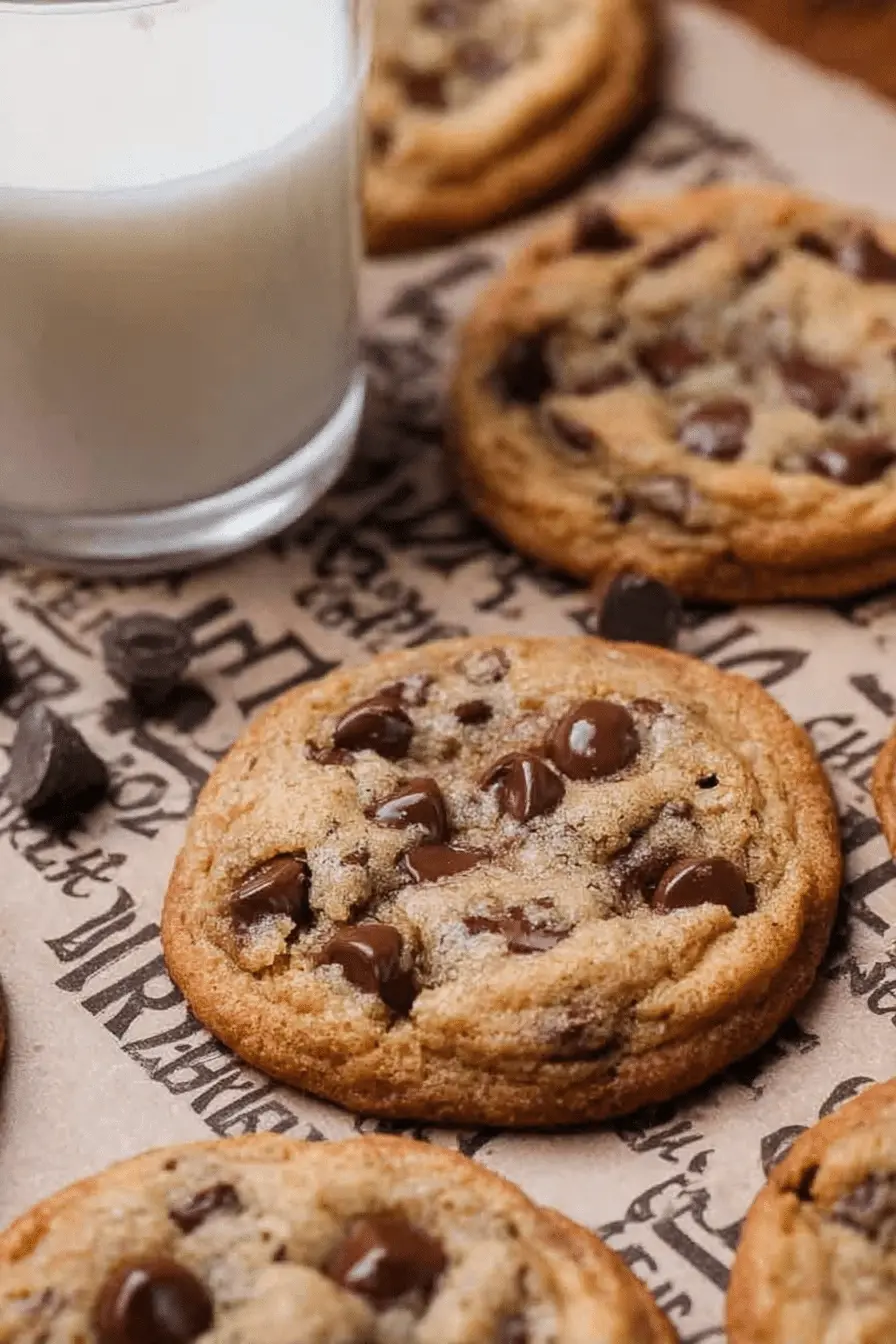
These cookies are wonderful warm, slightly sticky in the center, with melted chocolate pooling in the cracks. For drinks, I like a strong coffee or espresso to cut the richness, or a glass of cold milk for classic comfort. If you want an indulgent dessert, serve a warm cookie with a scoop of vanilla ice cream. For a delightful dessert combination, serve your cookies with our festive pumpkin cheesecake truffles.- Breakfast twist – Crumble a cookie over yogurt and fruit for a decadent parfait.
- Party platter – Arrange with salted nuts and dark chocolate pieces for texture contrast.
- Ice cream sandwich – Use two cooled cookies with a thick scoop of ice cream between them; press gently and freeze for 30 minutes to set.
FAQ
What is brown butter, and how do I make it? Brown butter is regular butter that has been melted and cooked until it turns golden brown. To make it, melt butter over medium heat and stir frequently until it foams, then turns brown and smells nutty. Just be careful not to burn it! Can I use sourdough discard from any type of sourdough bread? Yes, you can use discard from any type of sourdough bread! Just make sure it's unfed (no additional flour or water added) for the best flavor and texture in your cookies. How can I make these cookies gluten-free? To make these cookies gluten-free, substitute all-purpose flour with a gluten-free flour blend. Just ensure the blend has a good starch base to mimic the texture of regular flour. How should I store the cookies? Store the cookies in an airtight container at room temperature for up to a week. For longer storage, you can freeze them for a few months, just make sure to wrap them well! Can I skip chilling the dough? Chilling the dough is important for thicker, more flavorful cookies, so it's best not to skip this step. However, if you're in a hurry, you can bake them right away, but they may spread more. If you give this recipe a try, tell me how you browned your butter (short and hot or slow and patient?) and what kind of chocolate you used. I tinker with the bake time and chill length depending on whether I want soft centers or more pronounced crisp edges — and I’ve found these cookies are forgiving, so don’t be afraid to experiment. Happy baking!Conclusion and Recipe Recap
This recipe proves two simple upgrades — brown butter and sourdough discard — can transform an everyday chocolate chip cookie into something layered, chewy, and unforgettable. Brown butter brings nutty, toasty notes and depth, while the discard adds moisture, tang, and sustainability. Follow the key steps: brown the butter carefully, cool it before adding eggs, and don’t skip the chilling. The result is a batch of thick, caramel-kissed cookies with melty chocolate pockets and edges that brown beautifully. Don't forget to try making our homemade chocolate turtles for another sweet treat after enjoying your cookies!Recipe Card
Ultimate Brown Butter Sourdough Discard Chocolate Chip Cookies
- Prep
- 10 min
- Cook
- 12 min
- Total
- 142 min
- Serves
- 24
- Calories
- 161 kcal
- Carbs
- 19.00 g
Ingredients
- 1 cupunsalted butter
- 1 cuplight brown sugar (packed)
- 1/2 cupgranulated sugar
- 1 largeegg
- 1 largeegg yolk
- 1/2 cupsourdough discard (unfed)
- 1 tablespoonvanilla extract
- 2-1/3 cupall-purpose flour
- 1 teaspoonbaking soda
- 1/2 teaspoonbaking powder
- 3/4 teaspoonsalt
- 1/2 teaspoonground cinnamon
- 1-1/2 cupsdark or semi-sweet chocolate chips or chopped chocolate (plus extra for topping)
- —flaky sea salt (for garnish, optional)
Instructions
- 1
Melt the butter in a saucepan over medium heat. Stir and swirl occasionally until it foams, then turns golden brown and smells nutty. Scrape all the browned bits into a large mixing bowl. Let it cool for 10–15 minutes.
- 2
Add brown sugar and granulated sugar to the brown butter and whisk to combine.
- 3
Add the egg, egg yolk, and vanilla extract and whisk until smooth and glossy.
- 4
Stir in the sourdough discard until fully incorporated.
- 5
In a separate bowl, whisk together the flour, baking soda, baking powder, salt, and cinnamon.
- 6
Add the dry ingredients to the wet ingredients and stir with a spatula or wooden spoon until just combined. Fold in the chocolate chips or chunks.
- 7
Cover and refrigerate the dough for at least 2 hours or up to 72 hours.
- 8
When ready to bake, preheat oven to 350°F and line baking sheets with parchment paper. Scoop dough into 2-tablespoon-sized balls and place 2 inches apart.
- 9
Bake for 10–12 minutes or until the edges are golden and the centers still look slightly soft.
- 10
Immediately after baking, press extra chocolate chips on top and use a large round cookie cutter or glass to gently 'scoot' the cookies into perfect circles, if desired.
- 11
Cool on the baking sheet for 5 minutes, then transfer to a wire rack. Sprinkle with flaky sea salt if using. Allow to cool completely.
You might also like

Reviews
Be the first to review this.