- Prep
- 15 min
- Cook
- 20 min
- Total
- 35 min
- Serves
- 10
- Calories
- 261 kcal
- Carbs
- 26.00 g
Introduction
I make these cheese and chive scones when time is short but I still want something satisfying on the table. They come together quickly, use pantry-friendly ingredients, and fill the kitchen with that warm, savory aroma that makes a rushed morning feel deliberate. I love how the tops brown while the centers stay tender — a small comfort that’s fast to achieve. When I’m cooking for a busy week, these scones are a reliable option: one bowl, short hands-on time, and they’re flexible enough to pair with breakfast, a light lunch, or a bowl of soup. I’ll tell you where I’ve learned to save minutes without losing texture, and which small choices — like the type of cheddar and the temperature of your butter — make the biggest difference. If you only take one thing away from my kitchen notes, let it be this: keep the butter cold and stop mixing as soon as the dough holds together. That keeps the edges flaky and the interior tender.Why These Cheese and Chive Scones Work for Busy Cooks
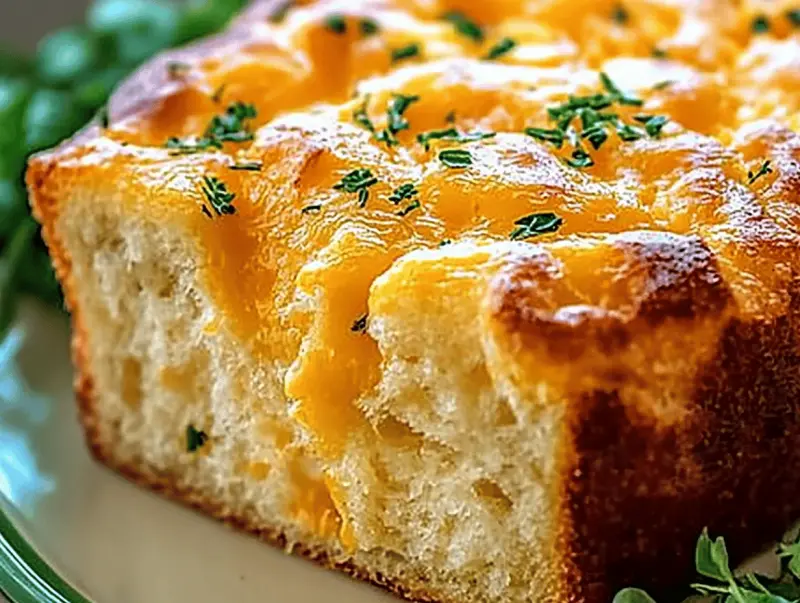
These scones fit a tight schedule because they require minimal equipment and short active time. The ingredients are commonly available and the method doesn’t demand long resting periods or complicated laminating. You get a savory, handheld offering that pairs well with breakfast dishes or as a quick snack between meetings. The aroma is immediate: sharp cheese warming, butter turning to steam, and chives releasing a mild onion scent as the oven heats. Visually, you’ll see golden tops and exposed crumb at the cut edges — that crumb should be slightly open, not dense. They also travel well — bring them to a potluck or keep a batch in the freezer for busy mornings when you need a fast, substantial option.Everything You Need for Cheese and Chive Scones
Tools matter because they control speed and temperature. Use tools that keep things cold and let you work quickly. Below I list the ingredients conversationally, without measurements, followed by the essential tools and why they help.- Ingredient checklist
- * **All-purpose flour** – The structure builder; swap for a gluten-free blend formulated for baking if needed.
- * **Sugar** – Adds a touch of balance to the savory elements; you can omit for a purely savory bite.
- * **Baking powder & baking soda** – Leavening agents that give a quick rise and a tender crumb.
- * **Salt** – Brings out the cheese and balances the dough.
- * **Unsalted butter (very cold or frozen)** – Produces flaky pockets when it melts in the oven; use a plant-based block for dairy-free versions.
- * **Sharp cheddar cheese** – Provides bold flavor and a pleasing melt; try aged cheddar for nuttier notes or a milder cheese for a subtler result.
- * **Chives** – Fresh chives give a bright, onion-like lift; dried herbs can be used in a pinch but reduce quantity.
- * **Buttermilk (or tangy milk substitute)** – Adds acidity and tenderness; make a quick buttermilk by adding a splash of vinegar or lemon to regular milk, or use a dairy-free cultured milk substitute for lactose-free scones.
- Tools
- * **Large mixing bowl** – Keeps everything contained when you toss in dry ingredients and cheese.
- * **Pastry cutter or two knives** – Helps cut butter into the flour without warming it; a chilled food processor is an alternative to speed things up.
- * **Box grater** – Great for grating frozen butter and cheese quickly; grating increases surface area so the butter stays cold while being incorporated.
- * **Baking sheet and parchment** – Prevent sticking and allow even browning.
- * **Wire rack** – Keeps bottoms from steaming and preserves crisp edges after baking.
The Secret to a Melt-in-Your-Mouth Texture
Texture comes down to two things: cold butter and minimal handling. When small bits of cold butter are suspended in the flour, they create steam as they heat, which lifts the dough and produces flakes rather than a uniform dense crumb. The goal is a dough that looks clumpy, with visible flecks of butter and strands of cheese folded in. Visually, you want small, pale lumps of butter through your dry mix before you add liquid. Tactilely, the dough should feel cool and just-cohesive — not overly sticky. When baked, you should see a crumb that yields slightly under a gentle press but springs back; the surface should be golden with an interior that’s tender and slightly open.Why Butter Temperature and Cold Tools Matter
Cold butter stays in small pockets through mixing. As the oven heat reaches these pockets, the butter turns to steam and creates lift — that’s where the lightness and layers come from. If the butter melts into the flour before baking, you end up with a uniform, dense crumb instead of flakiness. Chilling your pastry cutter, grater, or even the bowl for a few minutes helps keep the butter cold during mixing. If you use room-temperature butter in this recipe, the dough will likely spread more and lose the flaky edge you’re aiming for; it becomes more biscuit-like and less scone-like in texture.Quick Flavor Swaps: Cheese, Herbs, and Spices to Try
Small swaps change aroma and flavor quickly — sharper cheddars give a tangy, savory bite while milder cheeses create a creamier profile. Fresh herbs brighten the crumb; dry spices add warmth and color.- * Cheddar variations — Aged cheddar for nuttiness; smoked cheddar for a savory-smoky tone.
- * Other cheeses — Gruyère for a rich, buttery finish; feta crumbled into the dough for a tangy pop.
- * Herbs — Replace or combine chives with parsley, dill, or tarragon for different herbal notes.
- * Spices — A pinch of smoked paprika or ground cumin can add warmth without overwhelming the cheese.
- * Dietary swaps — Use a plant-based shredded cheese and dairy-free cultured milk for a vegan-friendly option; choose a gluten-free all-purpose blend designed for baking if needed.
How to Make Cheese and Chive Scones (Step-by-Step)
- Preheat the oven so it’s ready when your shaped dough goes in; a hot oven gives an immediate rise.
- Mix the dry ingredients first so leavening is evenly distributed.
- Grate or finely chop the cold butter into the dry mix; work quickly so the butter stays cold. You want pea-size bits, not a paste.
- Fold in the shredded cheese and chopped chives so they’re evenly dispersed through the flour-butter mix.
- Add the buttermilk (or its substitute) and stir just until the dough clings together; stop when you can form it without large amounts of loose flour.
- Lightly dust a surface with a bit of flour, pat the dough into a circle about an inch to an inch-and-a-half thick, and cut into wedges. Handle the dough as little as possible to preserve flakiness.
- Place wedges on a parchment-lined sheet, brush the tops with a little buttermilk for color, and bake until the tops are golden and a thin skewer into the center comes out clean. The scones should feel set and spring back slightly when pressed.
- Cool briefly on a rack so the bottoms don’t steam; they’re best warm or at room temperature.
Pro Tip for cheese and chive scones: Don't Overwork the Dough
- Keep actions short. I stop mixing the instant the dough holds together; continuing to knead or stir develops gluten and makes scones tough.
- Use cold tools. Chill your grater, bowl, or pastry cutter if your kitchen is warm — I sometimes pop the bowl in the fridge for a few minutes before cutting in butter.
- If you’re in a hurry. Pulse everything in a chilled food processor in very short bursts until the mixture resembles coarse crumbs, then add liquid and pulse until it barely comes together.
- Troubleshooting quick fixes.
- If the dough is too wet and sticky, fold in a little extra flour by hand and work as little as possible.
- If the scones spread too much during baking, the butter likely softened too early — next time, chill the formed wedges briefly before baking.
- If the centers are doughy after baking, the oven temperature may be low or the scones were too thick; bake until a skewer comes out clean and tops are fully browned.
How to Store, Freeze, and Reheat Cheese and Chive Scones
- To store short-term: keep scones in an airtight container at room temperature for up to 48 hours; this retains the tender interior and the flaky edge.
- To freeze: cool completely, then place in a single layer on a tray to flash-freeze before transferring to a zip-top bag. This prevents them from sticking together and keeps shapes intact.
- To reheat from frozen: warm in a preheated oven until heated through to restore crisp edges — avoid microwaving from frozen as it makes them rubbery.
- To reheat from thawed: wrap in foil and warm gently, or heat uncovered for a few minutes to refresh the crust.
Frequently Asked Questions
Can I add other herbs or spices to the scone dough? Absolutely! Feel free to experiment with different herbs and spices for added flavor. Dill, parsley, or even a pinch of cayenne can create a unique twist. How do I avoid dense scones? The key is to handle the dough gently and avoid overmixing it. Mix until just combined for that light and flaky texture. Can I replace buttermilk with regular milk? Yes, you can substitute regular milk, but for the best flavor and texture, adding a splash of vinegar or lemon juice to regular milk can mimic buttermilk's tanginess. How should I store leftover scones? Store your leftover scones in an airtight container at room temperature for up to 2 days, or freeze them in a zip-top bag for longer storage. What's the best way to reheat the scones? Reheat scones in the oven at 350°F for about 5-10 minutes, or until warmed through. This ensures they keep their texture.Recipe Card
The Best Cheese and Chive Scones — Ready in 35 Minutes

- Prep
- 15 min
- Cook
- 20 min
- Total
- 35 min
- Serves
- 10
- Calories
- 261 kcal
- Carbs
- 26.00 g
Ingredients
- 2 cupsall-purpose flour
- 1 tbspsugar
- 2 tspbaking powder
- 1/2 tspbaking soda
- 1/4 tspsalt
- 1/2 cupunsalted butter, frozen
- 1 cupsharp cheddar cheese, shredded
- 1/4 cupchives, chopped
- 3/4 cupbuttermilk
- 2 tbspbuttermilk (for brushing)
Instructions
- 1
Preheat oven to 400°F. Whisk together flour, sugar, baking powder, baking soda, and salt in a large bowl.
- 2
Grate the cold butter using a cheese grater. Blend the grated butter in with the flour mixture using a pastry cutter or 2 knives until the mixture looks like coarse crumbs.
- 3
Mix in the cheese and chives. Add the buttermilk and mix until JUST incorporated. DO NOT over mix.
- 4
Knead the dough briefly on a floured surface and shape into a circle about 1 1/2 inches thick. Cut into wedges.
- 5
Place wedges on a parchment-lined baking sheet, brush with buttermilk, and bake for 20-22 minutes until golden brown.
- 6
Cool on a wire rack.
You might also like


Reviews
Be the first to review this.