- Prep
- 10 min
- Cook
- 20 min
- Total
- 30 min
- Serves
- 10
- Calories
- 521 kcal
- Carbs
- 29.00 g
Introduction
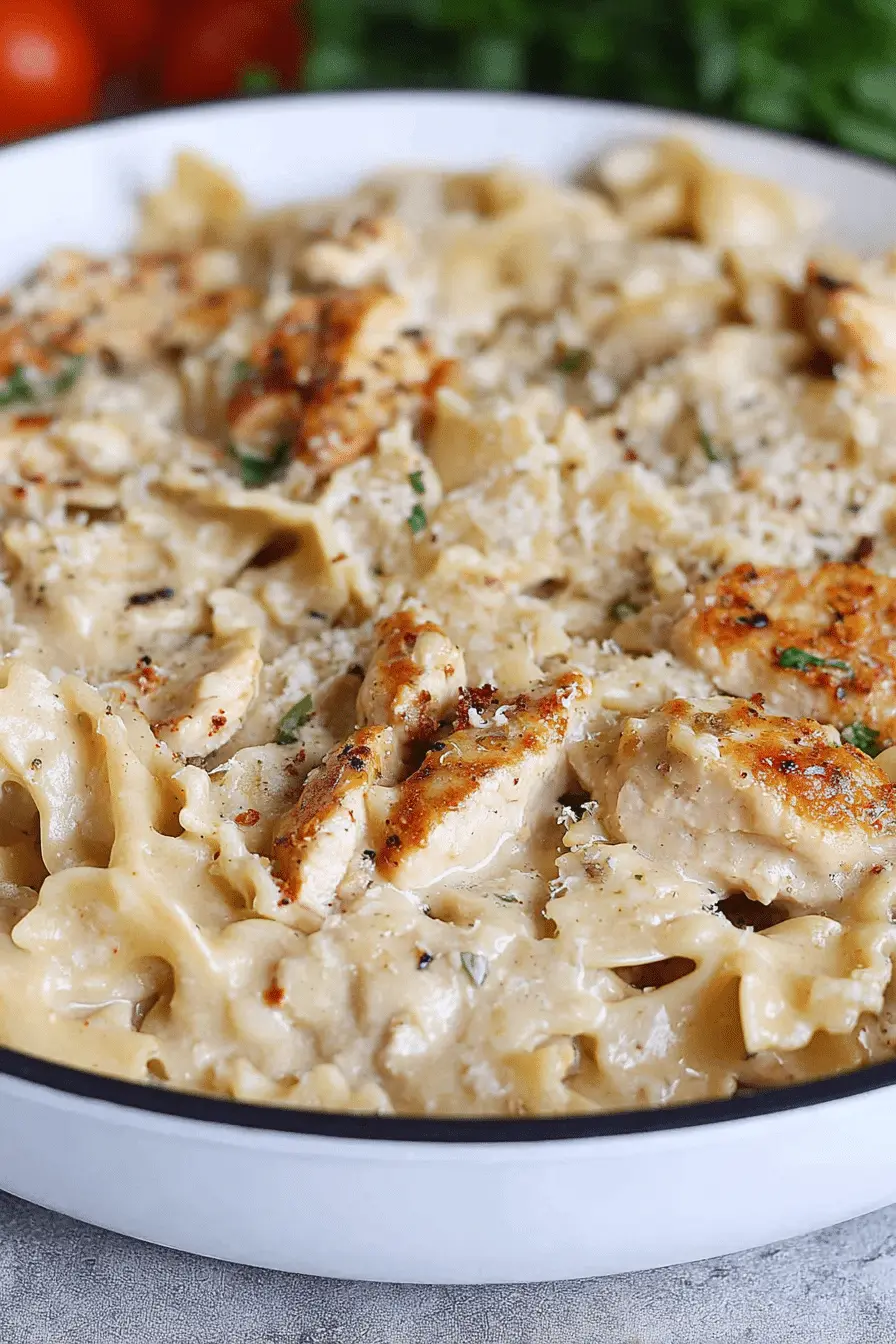
This chicken garlic parmesan pasta is the kind of dinner I find myself making when the week gets away from me: quick, comforting, and just fancy enough that guests won't suspect it came together in under half an hour. It hits the savory notes — golden, seared chicken, nutty parmesan, and an aromatic garlic cream sauce — and it's flexible enough to adapt to what’s in your fridge. If you love garlic and parmesan, you'll also enjoy our creamy garlic parmesan sausage and fettuccine recipe. I first wrote this recipe after an evening where I had cooked chicken for meal prep and a random block of parmesan staring back at me from the fridge. I sliced the chicken thin, tossed it with a pan sauce built from butter, a little chicken stock, cream, and lots of garlic, and the result was a saucy, slightly salty, very creamy bowl of pasta that disappeared faster than I expected. In my kitchen the sauce looks thin at first, but after a few minutes of gentle simmering it binds, becomes glossy, and clings to the pasta — that’s when I know it’s ready.Ingredients Needed
- Olive oil – for searing the chicken; a drizzle builds a brown crust and carries flavor.
- Chicken breast – the primary protein; pound slightly so it cooks evenly and stays tender.
- Paprika & dried herbs – paprika gives color and mild warmth; oregano and thyme add herbaceous depth.
- Garlic – the backbone of the sauce; fresh is best for aroma, but good pre-minced works in a pinch.
- Butter – helps build the sauce and gives a silky mouthfeel.
- Shallots or onion – provide sweetness and a gentle bite; dry shallots work well if you keep them on hand.
- Chicken broth – adds savory depth and helps loosen the sauce without watering it down.
- All-purpose or gluten-free 1:1 flour – used to lightly thicken the sauce; you can skip with a longer simmer or use cornstarch slurry.
- Heavy cream – creates a rich, luxurious sauce; for a lighter version, use milk plus a touch more flour.
- Parmesan cheese – freshly grated melts into the sauce and gives that nutty, salty finish.
- Pasta – farfalle is used here; any shape that traps sauce (penne, fusilli) works.
- Pasta water – starchy and gold — use a splash to loosen the sauce so it clings beautifully to noodles.
- Salt & pepper – season thoughtfully; parmesan adds salt, so taste before oversalting.
- Fresh parsley or basil – optional, for brightness and color when serving.
Step-by-Step Cooking Instructions
- Boil the pasta: Bring a large pot of salted water to a rolling boil and cook 12 ounces of gluten-free farfalle according to package directions for al dente. I always set my timer for a minute less than the box suggests and taste early — al dente should be tender with a slight bite. Reserve about 1/4 cup of the starchy pasta water before draining; that liquid is gold when you finish the sauce.
- Season the chicken: In a small bowl combine paprika, oregano, garlic powder, thyme, salt, and black pepper. Pound 1.5 pounds of chicken breasts lightly so they’re an even thickness; this prevents overcooking. Season both sides—don’t skip this: the seared exterior carries most of the flavor into the dish.
- Sear the chicken: Heat 2 tablespoons of olive oil in a large skillet over medium heat. When the oil shimmers and just starts to ripple, lay the chicken in and don’t move it for 5 minutes — this is how you get a golden crust. Flip and sear the other side 5 minutes. If your pan is too hot it will char before the center cooks; too low and you won’t get color. After searing, lower the heat to medium-low, cover, and cook another 10–12 minutes until the internal temperature reaches 165°F. I use a probe thermometer so I don’t cut into the chicken and let juices escape.
- Rest and slice: Transfer the chicken to a cutting board and let it rest 5 minutes. Resting redistributes juices so slices stay moist. Slice into strips or bite-sized pieces depending on how you like to serve it.
- Build the sauce: In the same skillet, add 4 tablespoons of butter and melt over medium-low. The browned bits from the chicken give great flavor; scrape them up with a wooden spoon. Add about 2 teaspoons of dry shallots (or a small diced shallot), 2 teaspoons Italian seasoning, and 1 teaspoon garlic powder; sauté a minute until fragrant. If the garlic smells sharp, it’s too raw — cook another 30 seconds until warm and sweet.
- Thicken: Sprinkle in 2 tablespoons of gluten-free 1:1 flour and stir to combine, coating the aromatics and scraping the pan bottom. This step creates a light roux that evens out the sauce. Cook the flour for 30–60 seconds to remove the raw taste.
- Add liquids: Pour in 1/2 cup chicken broth and whisk, then add 3 cups heavy cream. Bring to a gentle simmer — don’t boil hard, or the cream can separate. Whisk until silky and a bit thicker. If the sauce seems too thin, simmer gently a few minutes; if it gets too thick, thin with pasta water a tablespoon at a time.
- Finish with cheese: Stir in 12 ounces of shredded parmesan off the heat if possible; high heat can make the cheese clump. Stir until fully melted and the sauce is smooth and glossy. Taste for seasoning — parmesan adds salt, so adjust sparingly.
- Toss with pasta: Add the drained pasta to the skillet and toss to coat. Use reserved pasta water (a tablespoon at a time) to loosen the sauce so it clings rather than pools. The finished sauce should be thick enough to coat the back of a spoon, not watery.
- Add the chicken and serve: Slice the rested chicken and fold it into the pasta. Garnish with chopped parsley and a little more grated parmesan. Serve immediately. Expect a creamy texture with a slightly chewy pasta and tender chicken — the herbs and garlic should smell warm and lingering.
Cooking Variations
The stovetop method above is fast and keeps things simple, but here are two other ways I’ve adapted this recipe depending on time, equipment, and preference.Oven-baked method
- Sear the chicken briefly in a skillet just to get color (2–3 minutes per side). You want a crust, not cooked-through.
- Prepare the sauce on the stovetop up to the point before adding the pasta. Turn off the heat and stir the cooked pasta into the sauce in the skillet. Transfer pasta and sliced or whole seared chicken to a baking dish, top with extra parmesan, cover tightly with foil, and bake at 350°F for 20–30 minutes until everything is heated through and the flavors have married.
- Pros: Great for feeding a crowd and can be prepped ahead. Cons: You lose some of the fresh, pan-finished texture of the sauce and chicken may dry if overbaked.
Instant Pot method
- Set the Instant Pot to Sauté. Add a little oil, season the chicken, and brown both sides (2–3 minutes per side). Remove and set aside.
- Sauté the shallots and garlic in butter, add the flour to make a paste, then stir in chicken broth. Deglaze the pot well to release browned bits. Add cream, then the chicken and uncooked pasta (broken in half if needed), pushing everything into the liquid. Cook on Manual/High for 5 minutes. Quick-release carefully.
- Stir in parmesan until the sauce is smooth. Pros: hands-off and quick; great when you want one-pot cleanup. Cons: timing is trickier with different pasta shapes; it’s easy to overcook the pasta to mush if you reduce time incorrectly.
Dietary Adaptations
Make this dish work for different needs without losing the essence of what makes it great.- Gluten-free – Use a gluten-free pasta (the recipe uses gluten-free farfalle) and a 1:1 gluten-free flour for the roux. Texture will be similar, though some gluten-free pastas can be more fragile; watch them closely to avoid overcooking.
- Dairy-free – Replace heavy cream with full-fat coconut milk or a creamy plant-based alternative and swap parmesan for nutritional yeast or a high-quality vegan parmesan. Expect a change in flavor (nutty/cheesy notes are less intense) and a slightly thinner mouthfeel — thicken with a small slurry of cornstarch if needed.
- Lower-fat – Use half-and-half instead of heavy cream and reduce butter, but add an extra tablespoon of parmesan to maintain umami. The sauce will be less silky but still satisfying.
Tips for Meal Prep and Storage
I often double this recipe on Sundays and portion it for busy weekday lunches. Here’s how I handle leftovers so they stay delicious.- Cooling – Cool the pasta quickly (within two hours) and transfer to shallow airtight containers to refrigerate.
- Refrigeration – Keeps well for up to 3 days. The sauce thickens as it cools; that’s expected.
- Freezing – You can freeze for up to 2 months, but note the cream-based sauce may separate a bit on thawing. Freeze in single-serving portions for quickest reheating.
- Reheating – Reheat gently on the stovetop over low heat with a splash of milk or reserved pasta water to restore creaminess. Microwave in short bursts, stirring between, adding a tablespoon of liquid if needed to prevent drying.
- Make-ahead tips – Cook the chicken and sauce, keep pasta separate, and combine just before serving for the freshest texture. Or assemble fully and reheat covered in the oven at 325°F until warmed through.
Complementary Side Dishes
Pair this pasta with sides that add brightness, crunch, or a contrasting texture.- Arugula salad – peppery leaves with a lemon vinaigrette cut the richness of the sauce.
- Garlic bread – crunchy, buttery slices are perfect for mopping up extra sauce.
- Roasted vegetables – something like broccoli or carrots, roasted until caramelized, adds texture and color.
Conclusion
This chicken garlic parmesan pasta is one of those dependable meals that checks a lot of boxes: quick to make, flexible with ingredients, and rich without being fussy. Expect a creamy, slightly salty, garlicky sauce with tender chicken and pasta that soaks up flavor. Try the stovetop method first to get a feel for how the sauce should finish, then experiment with the oven or Instant Pot versions once you’re comfortable. If you make it, slice the chicken thinner than you think you need — it reheats more gently and blends into the pasta better. I’d love to hear how you choose to adapt it — did you add spinach? Swap in mushrooms? Share your tweaks and any timing tips that worked for you.FAQ
Can I use a different type of pasta for this recipe? Absolutely! While gluten-free farfalle is used in the recipe, you can substitute it with any pasta of your choice, such as penne or spaghetti. Just be sure to adjust the cooking time according to the pasta type. How can I make this dish dairy-free? To make this dish dairy-free, you can substitute the Parmesan cheese with nutritional yeast or a dairy-free cheese alternative. Just keep in mind that this may slightly alter the flavor and texture! What can I serve as a side dish with chicken garlic parmesan pasta? Great question! This pasta pairs wonderfully with a fresh arugula salad, garlic bread, or roasted vegetables to complement your meal. These sides add both flavor and texture! How long can I store leftovers? You can store leftovers in the refrigerator for up to 3 days. For longer storage, consider freezing the dish, which can last for about 2 months. Just remember to reheat gently to avoid drying out the pasta! Can I cook this dish in the oven? Yes! If you prefer oven-baking, you can sear the chicken first, then combine it with the pasta and sauce in a baking dish, and bake it at 350°F for about 20-30 minutes. Just be sure to cover it to retain moisture!Recipe Card
Chicken Garlic Parmesan Pasta: A Quick and Flavorful Weeknight Meal
- Prep
- 10 min
- Cook
- 20 min
- Total
- 30 min
- Serves
- 10
- Calories
- 521 kcal
- Carbs
- 29.00 g
Ingredients
- 2 tbspolive oil (Costabile Brand (use code 15GOLDENGK for 15% off))
- 1.5 lbchicken breast (Springer mountain farms)
- 1.5 tsppaprika (OliveNation)
- 1.5 tsporegano
- 1 tspgarlic powder (OliveNation)
- 0.5 tspthyme
- 0.5 tspblack pepper
- 0.5 tspsalt
- 12 ozgluten-free farfalle pasta
- 4 tbspbutter
- 2 tspdry shallots ((use code 15GOLDENGK for 15% off))
- 2 tspItalian seasoning
- 0.5 cupchicken broth
- 2 tbspgluten-free 1:1 flour
- 3 cupsheavy cream
- 12 ozshredded parmesan
- 0.25 cuppasta water
- 0.5 tspsalt
- 1 tspgarlic powder
Instructions
- 1
Boil pasta according to the directions on the box for al dente.
- 2
Mix all chicken seasonings in a small bowl: paprika, oregano, garlic powder, thyme, salt, and pepper.
- 3
Pound chicken to thin out slightly, then season both sides with the seasoning mix.
- 4
Heat olive oil in a large skillet over medium heat.
- 5
Sear the chicken for 5 minutes on each side, then reduce heat to medium-low, cover, and cook until internal temperature reaches 165°F.
- 6
Remove chicken from skillet and let rest on cutting board.
- 7
Melt butter in the same pan, then add dry shallots, garlic powder, and Italian seasoning. Simmer for 1 minute.
- 8
Stir in gluten-free flour, then add chicken broth and heavy cream. Whisk until smooth.
- 9
Add in parmesan cheese and stir until melted and sauce reaches desired consistency.
- 10
Toss cooked pasta in the sauce, adding pasta water as needed to thin.
- 11
Slice chicken and add to the pasta. Serve immediately.
You might also like
Reviews
Be the first to review this.