- Prep
- 1 min
- Total
- 1 min
- Serves
- 16
- Calories
- 124 kcal
On this page11 quick jumps
TOC
On this page
11 quick jumps
Introduction
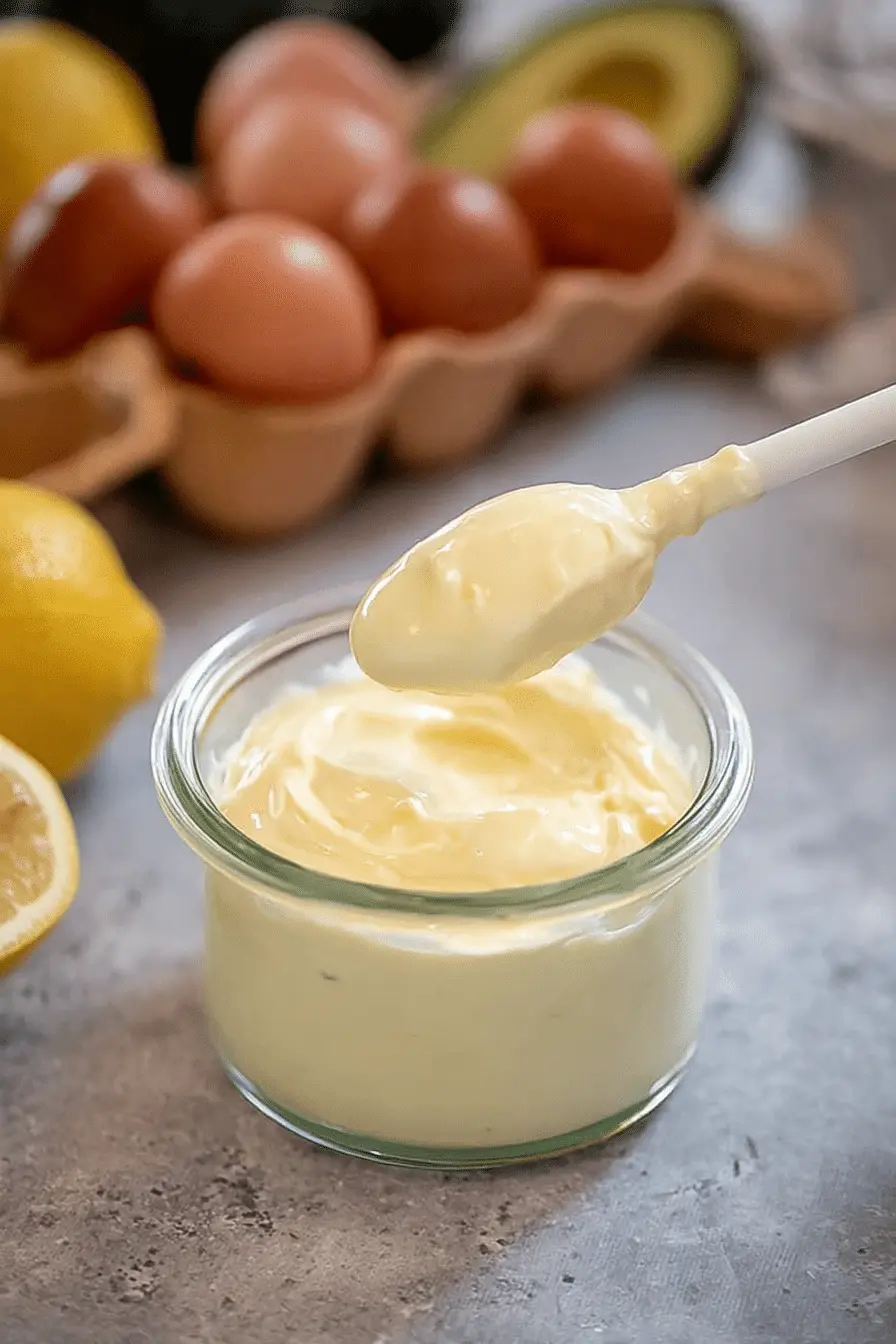
I make mayonnaise at home nearly every week, and what used to feel like a fussy task became delightfully simple once I learned a few small tricks. In my kitchen I reach for an immersion blender, a room-temperature egg, and good-quality avocado oil — and in about a minute I have a jar of silky, creamy mayo that tastes fresher and cleaner than anything from a squeeze bottle. I love how quick it is: the process is short, almost meditative, and the payoff is immediate — a glossy, pale-yellow sauce that smells bright from lemon and tenderly creamy when you taste it. There's a real, quiet satisfaction in making something so basic from scratch; it's economical, healthier because you control the oil, and the texture is unbeatable. Over the years I've tested timing, oil choices, and small fixes for when things go off track. The method I share below reliably gives me a stable emulsion and a smooth finish, and I’ll give you options for changing the flavor, fixing splits, and storing the mayo so it lasts. If you like fast, practical recipes that still feel homemade, this one is for you.Why this one-minute homemade mayonnaise recipe is perfect for busy cooks
Making mayonnaise at home may sound intimidating, but this version is built for speed and consistency. The method outpaces waiting in line at the store and beats boxed mayo on flavor and ingredient transparency. Sensory note: you’ll notice a light, creamy texture and a fresh, lemony aroma right away — and the color is a pale, appetizing yellow that looks homemade, not industrial. Using avocado oil gives the mayo a smooth mouthfeel and a neutral backdrop to the acidity from lemon or vinegar. Aside from taste, there’s an emotional payoff: I enjoy the small pride of turning simple ingredients into something rich and restaurant-quality. It’s a tiny, fast win in a busy day — healthier fats, fewer additives, and noticeable savings for your household budget.Everything You Need for One-Minute Homemade Mayonnaise
Below are the ingredients and tools that give this recipe its quick, reliable result. I include simple dietary variations so you can adapt the mayo for your needs.- Whole Egg – Provides the natural emulsifier and base for the sauce; use the egg at room temperature for best results.
- Lemon Juice – Adds bright acidity and freshness; you can swap with a mild vinegar for different notes.
- Dijon Mustard – Helps emulsify and adds subtle savory depth; omit or sub with mustard powder if you prefer a milder flavor.
- Sea Salt – Balances flavors; adjust to taste.
- Avocado Oil – A neutral, heart-healthy oil that yields a smooth, silky texture; you can substitute other neutral oils or mix with olive oil for flavor.
- Vinegar (optional) – A splash can brighten the mayo; try white wine or apple cider vinegar for different acidity profiles.
- Immersion Blender – The quickest tool for this method; it emulsifies directly in the jar and cuts cleanup time dramatically. If you don’t have one, a regular blender works too, but you’ll need a tall container for stable emulsification.
- Dietary variations – For a vegan version, consider aquafaba and neutral oil with a stabilizer like a small bit of xanthan gum; for low-carb or keto diets, this mayo is already suitable if you use appropriate oils.
Why Room Temperature Matters for Perfect Emulsions
Room temperature ingredients are not a picky extra — they’re essential. When the egg and liquids are near the same temperature as the oil, the emulsion forms quickly and stays stable. Cold ingredients slow the mixing process and make separation more likely. Think of emulsification as the oil and water learning to hold hands: when they’re both comfortable (the same temperature), they combine smoothly into a silky texture. You’ll feel the difference in the final mayo — it’s smoother and less prone to weeping. Sensory note: properly emulsified mayo glows softly and feels satiny between your fingers or on the back of a spoon. Understanding this helps you make other dressings too, like a mediterranean chickpea salad that pairs perfectly with fresh mayo.The Secret to Silky Texture: How the Immersion Blender Helps
An immersion blender puts the action right at the bottom of the jar where the oil and egg meet, which encourages a strong, even emulsion from the first second. The confined space and focused blades create tiny droplets of oil that suspend in the egg-lemon base. Visually, you’ll see the mixture go from thin and separated to thick and glossy within moments; audibly, the blender hums steadily — a reassuring, even sound that says it’s working. Cleanup is also far easier than a countertop blender. When troubleshooting separation, keep the blender steady at the bottom until the first signs of thickening, then slowly move up and down to finish. If the mixture is slow to emulsify, steady pressure and keeping everything room temperature usually corrects it.How to Make One-Minute Homemade Mayonnaise (Step-by-Step)
- Make sure all ingredients are at room temperature — this helps the emulsion form quickly.
- In a tall, narrow jar or the jar that came with your immersion blender, add the egg, lemon juice, mustard, salt, and any optional vinegar. Pour the oil on top and pause a few seconds so the oil sits above the other ingredients.
- Place the immersion blender firmly on the bottom of the jar. Blend on high for about 20 seconds without moving the blender; you’ll see the mixture begin to thicken near the blade.
- Once the base has started to emulsify, slowly lift the blender up and down to incorporate the remaining oil until the mayo is completely thick and glossy.
- Remove the blender, stir the mayonnaise with a spoon to check texture, then transfer it to a container with a lid and refrigerate immediately.
Pro Tip for one-minute homemade mayonnaise recipe: Fix splits and swap oils
Pro-tips, troubleshooting steps, and tasty variations are below — formatted as quick, scannable bullets so you can find fixes and ideas fast. Pro Tips:- If your mayonnaise splits, whisk a teaspoon of warm water or an extra egg yolk in a clean bowl, then slowly whisk in the split mayo until it re-emulsifies.
- Start blending at the bottom and keep the blender steady until the mixture thickens — that first 10–20 seconds are crucial.
- To adjust acidity, add tiny amounts of lemon or vinegar after emulsification and taste as you go.
- Mayonnaise too thin: continue blending slowly while keeping the blender blade at the bottom until it thickens.
- Mayonnaise split: use the fix above (water or yolk) or start a fresh yolk and slowly add the broken mayo into it.
- Flavor too sharp: balance with a touch more oil or a pinch more salt; chilling it for a bit also rounds the flavors.
- Olive oil blend: swap part of the neutral oil for extra-virgin olive oil for grassy, peppery notes — keep some neutral oil so the texture remains silky.
- Garlic-herb mayo: add minced garlic or herbs after emulsifying for a bright, aromatic finish.
- Spicy mayo: mix in a little hot sauce or smoked paprika for warmth and color.
How to Store, Use, and Customize Your Homemade Mayonnaise
Store your mayo in an airtight container in the refrigerator and use it within about seven days for best quality. Always use a clean spoon to scoop out portions to avoid contamination; never leave homemade mayo at room temperature for extended periods. Sensory note: refrigerated, the mayo has a tight, creamy texture and a clean, bright scent of lemon or vinegar. When you flavor it with herbs or garlic, that aroma becomes more herbal or pungent and inviting. Use your mayonnaise as a base for dips and sauces — pair it with a refreshing 10-minute healthy tzatziki sauce for a lighter dip option, or let it dress a simple cucumber caprese salad to add creaminess without heaviness. Flavor ideas to try: fold in fresh chopped herbs for a green, fragrant mayo; add roasted garlic for depth; or stir in citrus zest for a brighter note. For dietary swaps, make a vegan version with aquafaba and neutral oil and follow the same emulsifying steps for a similar texture.Frequently Asked Questions
What ingredients do I need to make one-minute homemade mayonnaise? You'll need a whole egg, lemon juice, Dijon mustard, sea salt, avocado oil (or any neutral flavored oil), and optionally, vinegar. All ingredients should be at room temperature for the best results! Can I use a regular blender instead of an immersion blender? Yes, you can use a regular blender, but an immersion blender is recommended for its convenience and ability to emulsify quickly. Just ensure all the ingredients are blended thoroughly. How long does homemade mayonnaise last? Homemade mayonnaise will stay fresh in the fridge for up to 7 days. Just make sure to store it in a container with a lid! What should I do if my mayonnaise splits? If your mayonnaise splits, you can fix it by adding a teaspoon of water or an extra egg yolk into a clean bowl, then slowly whisk in the split mayonnaise until it emulsifies again. Can I customize the flavor of my homemade mayonnaise? Absolutely! You can customize the flavor by adding herbs, garlic, or spices. Just blend your desired seasonings in with the other ingredients for a personalized touch!Ingredients
- 1 wholeEgg, room temperature
- 2 tspLemon Juice
- 1 tspDijon Mustard
- 1/4 tspSea Salt
- 1 cupAvocado Oil
- 1 tspVinegar (optional)
Instructions
- 1
Make sure all ingredients are at room temperature before blending.
- 2
In a jar, add all ingredients except the oil. Pour oil on top and let it sit.
A well-seasoned pan is worth more than a drawer of gadgets.
- 3
Blend on high for 20 seconds, moving the blender up and down until emulsified.
- 4
Stir and transfer to a container. Refrigerate immediately.
Recipe Card
The One-Minute Homemade Mayonnaise Recipe I Make Every Week
Keep it handy for later, send it to someone cooking with you, or open the clean print view.
- Prep
- 1 min
- Total
- 1 min
- Serves
- 16
You might also like
recipe
The Lemon Honey Salad Dressing I Make for Microgreens
May 23, 2026
Cook this nextExplore
recipe
The Salad I Make All Summer — Peach Avocado Green Salad
May 23, 2026
Cook this nextExplore
recipe
The Mason Jar Salad I Make Every Meal-Prep Sunday
May 23, 2026
Cook this nextExplore
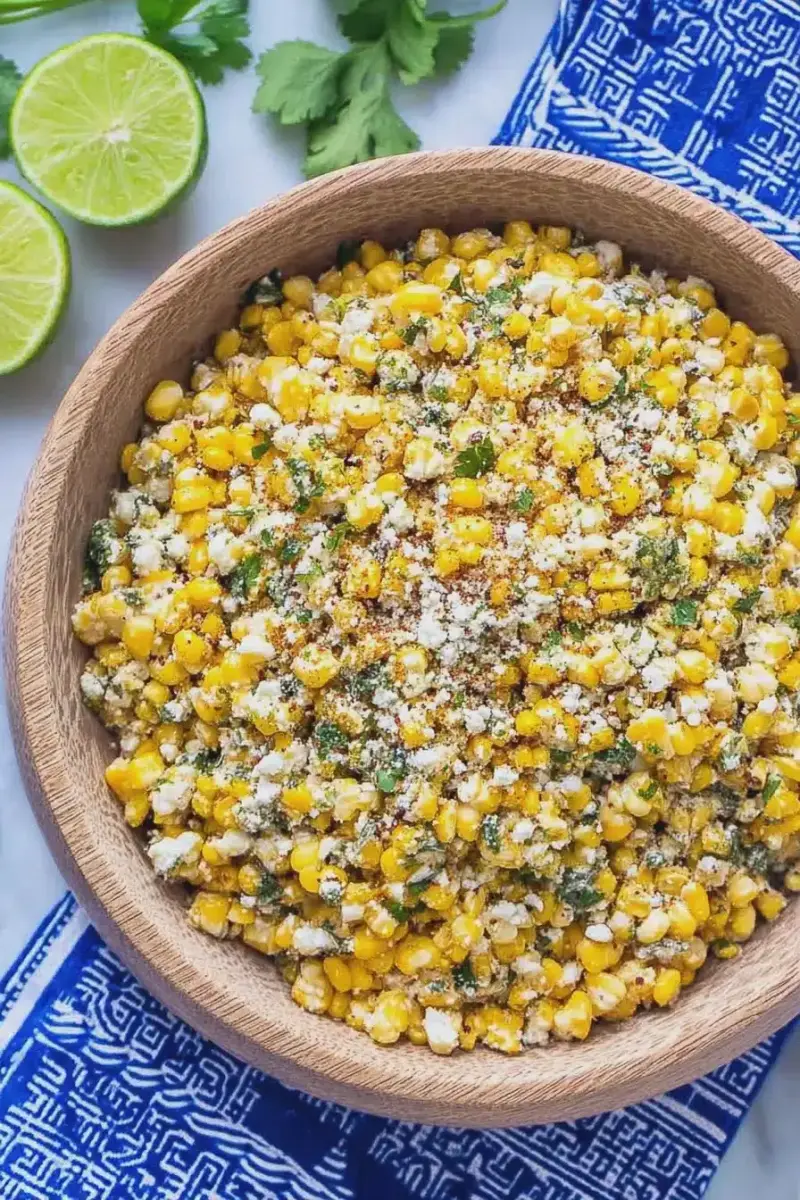
recipe
The Esquites My Guests Always Ask For — Ready in 15 Minutes
May 23, 2026
Cook this nextExplore
Reviews
Be the first to review this.