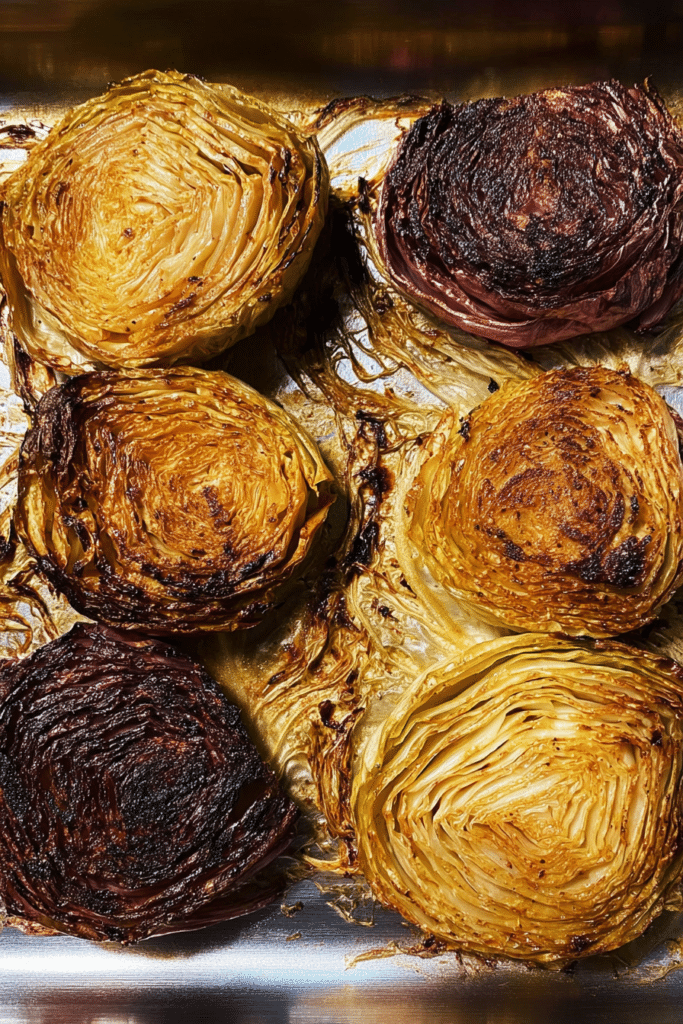
I started smoking cabbage on a slow Sunday because I wanted something that could stand up to brisket on the plate without stealing the spotlight. What surprised me most was how the smoke threaded into the layered leaves and turned something humble into a centerpiece. In my kitchen, cabbage steaks have become the lean, plant-forward option guests ask for first.
I’ve cooked batches low and slow, watched outer leaves caramelize, and learned which rubs coax out the cabbage’s natural sweetness. I love that this is an approachable way to bring texture and big barbecue flavor to a vegetarian or vegan meal—without heavy sauces. The aroma from the smoker is rich and woody; it carries through the yard and pulls people outside to peek at what’s on the smoker.
Over the years I’ve refined a few small habits—how I cut the steaks, when I brush oil, and when to cover the pan—that make the difference between a floppy wedge and a perfectly tender steak with defined layers. I’ll share those practical details below so you can replicate the result at home, even if this is your first time using a smoker.
If you’re aiming for a healthier barbecue option that still feels indulgent, smoked cabbage steaks are a terrific place to start. They hold up as a main for plant-based eaters, pair beautifully with richer sides, and turn leftovers into fast weeknight meals with minimal effort.
Why Smoked Cabbage Steaks Are the Healthy BBQ Upgrade You Need
Cabbage is low in calories and high in fiber, which helps digestion and keeps plates feeling satisfying without excess fat. It’s also a solid source of vitamin C and antioxidants, both useful for immune support and overall health—benefits that vegetarian and vegan eaters especially appreciate when building balanced, nutrient-dense meals. Imagine the vegetal brightness of cabbage softened by smoke and spice; that contrast is exactly what makes it work at the barbecue table.
Beyond nutrition, smoked cabbage carries a bold aroma that fills the air while it cooks. The wood smoke adds a depth of flavor that stands up to bold rubs and brings a meaty mouthfeel to a vegetable-forward plate. For pairings, I often serve these steaks beside something creamy like creamy garlic parmesan mushrooms or alongside grilled proteins when guests want both plant and animal options—those combinations balance the plate beautifully.
Everything You Need for Smoked Cabbage Steaks
Choose fresh, firm heads with tight leaves so your steaks hold together while smoking. You’ll also want a sharp knife and a stable cutting surface to slice clean, even steaks. Below I break down the core ingredients and the tools that make the process smooth.
- Ingredient Discussion
- Head of cabbage – This is the star; pick a firm head so the steaks retain structure. You can use green or red depending on flavor and color preference.
- Olive oil – Helps the rub adhere and promotes browning; swap for another neutral oil if you prefer.
- Barbecue rub – Use a blend with some sugar for browning; try variations that include smoked paprika, cumin, or ground coriander.
- Optional marinade – A light vinegar- or citrus-based spritz can increase smoke penetration and add brightness without weighing the cabbage down.
- Tools – Smoker (or grill with a smoking box), sharp chef’s knife, cutting board, shallow pan for the smoker, and heavy-duty foil for finishing.
- Smoker fuel – Mix hardwoods like oak and apple for a balanced smoke; avoid resinous softwoods that taste harsh on vegetables.
The Secret to Tender, Smoky Layers
Vegetables take smoke differently than meat because smoke flavors penetrate through leaf layers rather than into muscle fibers. With cabbage, you want the smoke to nestle between leaves so each bite has that woody note without becoming bitter. Controlling moisture and temperature is central: too dry and the outer leaves char, too wet and smoke won’t cling.
Using a combination of hardwoods gives you nuance: oak or hickory for backbone, a touch of apple or cherry for sweetness and fruitiness. Picture the thin ribbons of smoke slowly enveloping each steak, the surface turning amber while the inner layers stay tender and slightly crisp where they separate.
Choosing the Right Cabbage and Rub for Bold Flavor
Green cabbage is generally less dense and will smoke and cook a bit faster; red cabbage is denser, slightly sweeter, and holds up beautifully when you want more color and a firmer bite. Both are excellent—choose based on how quickly you want them done and the visual impact you’re after.
When selecting or creating a rub, think about balancing savory spices with a touch of sugar to help caramelize the surface. Popular components include smoked paprika for echoing the smoker’s flavor, brown sugar or maple sugar for caramelization, cumin for warmth, and a pinch of chili for heat. You can also add dried herbs like thyme or oregano for an herbal lift.
If you want a vegetarian plate with complementary textures, consider pairing with roasted vegetable steaks. For a hearty companion, try our cheesy cauliflower steaks—they play well with smoked cabbage and round out a satisfying meal.
Why Temperature and Time Make or Break These Steaks
Smoking at a steady low temperature allows smoke to adhere and flavors to develop without collapsing the cabbage too quickly. For green cabbage you’ll watch for faster softening; for denser red cabbage expect longer smoke times. Time deepens smoke flavor, but prolonged exposure at too-high heat risks char and bitterness.
Adjust based on your smoker: a clean-burning, steady smoker at moderate heat will yield the best results, while a smoker that runs hot or cool requires you to monitor the steaks more closely. Visually, you’re aiming for surface browning, slight separation of layers, and tender outer leaves; those cues matter more than clock time alone.
How to Make Smoked Cabbage Steaks (Step-by-Step)
- Prepare a shallow pan lined with heavy-duty foil and brush the foil with oil so the steaks won’t stick and so smoke can circulate around the base.
- Wash the cabbage and remove just the outer leaves. Trim the core only enough to flatten the base; leave some core so each steak holds together while cooking.
- Set the cabbage base down and trim the rounded sides so you can slice uniform steaks. Cut steaks about an inch to an inch and a half thick; a large head yields three or four steaks.
- Arrange the steaks in the prepared pan, brush both faces lightly with oil, and season generously with your barbecue rub so the spices coat the surfaces and tuck into the leaf folds.
- Smoke the steaks at a steady low heat. Monitor visually: you want the surface to brown and the outer leaves to soften and begin to separate. Use a meat probe only if you want to confirm internal warmth, but visual cues are most reliable for vegetables.
- Once the edges pull and the surface shows smoke-browning, cover the whole pan tightly with foil to finish; this traps moisture and helps the inner layers become tender without drying.
- You can leave the covered pan in the smoker or move it to a moderate oven to finish if you prefer to save wood—either way, continue until the steaks are tender when pierced with a fork.
- Serve whole as a main or slice into wedges for a side. Garnish with a finishing drizzle of oil, a squeeze of acid, or chopped fresh herbs if you like.
Pro Tip for Smoked Cabbage Steaks: How to Cut, Season, and Time Like a Pro
Below are concise lists to keep by your smoker. I include notes from my own trials so you can avoid the mistakes I made early on.
- Pro-Tips
- I always leave a small amount of core in each steak so the layers don’t fall apart when you lift them—trust me, it’s the difference between a steak and a crumble.
- Brush oil sparsely but evenly; too much oil can pool and prevent even smoke contact.
- If you want quick color, toss a little sugar in the rub; it helps with caramelization but watch carefully so it doesn’t burn.
- Troubleshooting
- If the outer leaves char before the interior is tender, lower the smoker temperature and cover the pan earlier to trap steam.
- If you’re not getting enough smoke flavor, try a different wood mix—add more fruitwood for sweet notes or a heavier wood for a robust profile.
- If steaks fall apart when you flip them, the cut was too thin or too much core was removed; next time cut a thicker steak and leave more core.
- Variations
- Try a citrus-miso marinade for an umami twist—brush it on before finishing under foil for a glossy finish.
- For a spicy-sweet variation, mix smoked paprika, brown sugar, garlic powder, and cayenne for the rub.
- Turn the smoked steaks into sandwiches—pair with grilled onions and a tangy sauce for a vegetarian hero.
How to Store, Reheat, and Serve Leftover Smoked Cabbage Steaks
Store leftovers in an airtight container in the refrigerator; they keep well for a few days and maintain flavor if protected from excess moisture. When reheating, gentle methods are best to avoid breaking down the layers further.
- Reheat in a moderate oven or on a skillet over medium heat with a splash of oil to refresh the surface and warm through without sogginess.
- Microwave briefly if you need speed, then crisp in a hot skillet to restore texture.
- Repurpose leftovers into bowls, tacos, or a warm salad—sliced smoked cabbage adds instant smoky depth and body to many dishes. For a comforting repurpose, try our cabbage roll casserole, which works beautifully with chopped smoked cabbage.
Frequently Asked Questions
How do I choose the right cabbage for smoking? Look for a large head of green or red cabbage with firm, tight leaves. Green cabbage is less dense and smokes faster, while red cabbage offers a slightly sweeter flavor.
Can I use a different type of barbecue rub? Absolutely! You can experiment with different barbecue rubs to match your taste. A rub with some sugar can enhance browning and add a delicious caramelized flavor.
How long should I smoke the cabbage steaks? Smoke the cabbage steaks for about 2 to 3 hours at a temperature of 275–300 degrees Fahrenheit, or until the layers start to separate and the surface has browned.
What should I serve with smoked cabbage steaks? Smoked cabbage steaks can be a main dish or a side. They pair well with grilled meats, salads, or any of your favorite barbecue sides.
How do I store leftovers from smoked cabbage steaks? Store any leftovers in an airtight container in the refrigerator for up to 3 days. You can reheat them in the oven or on a skillet for the best results.
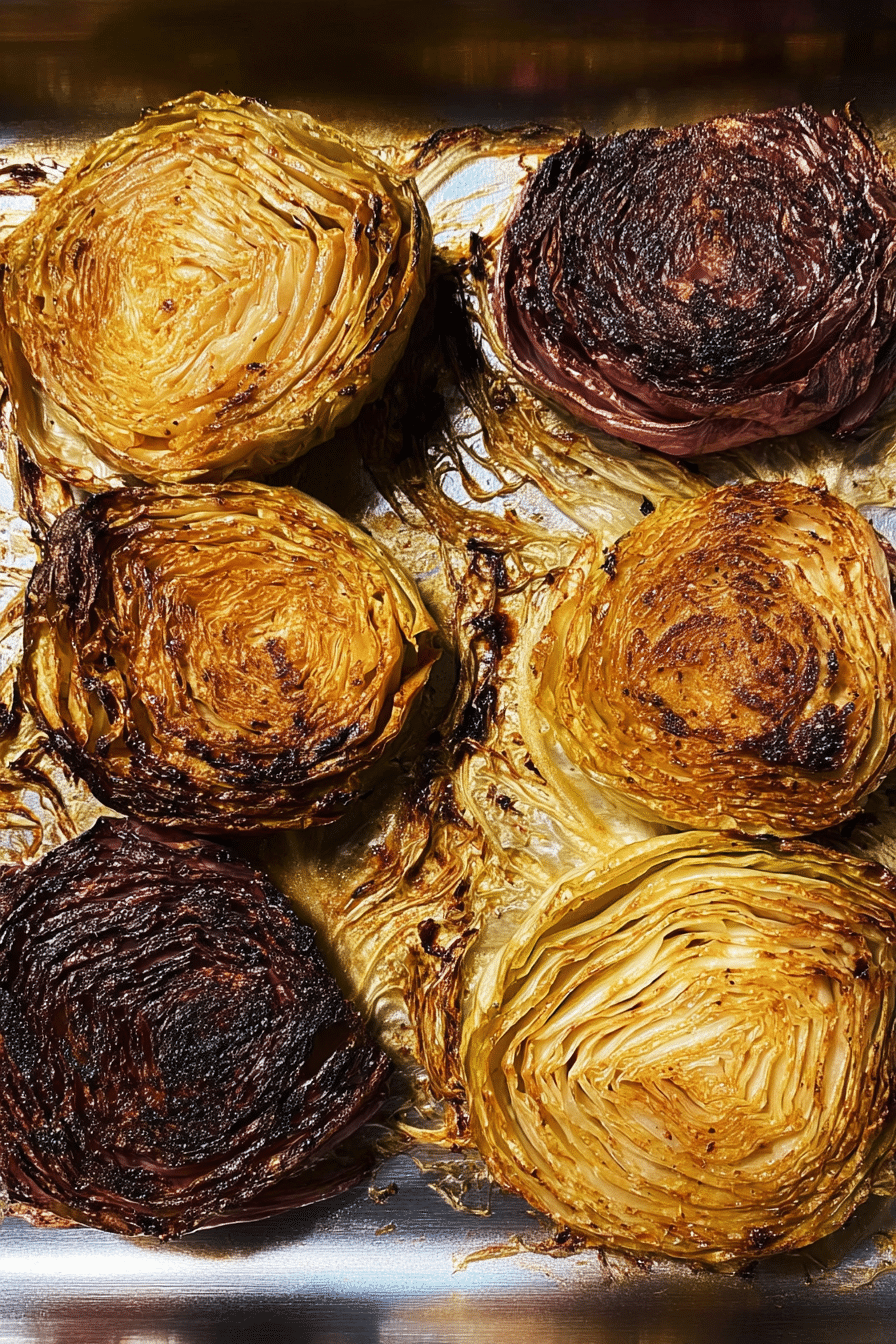
Smoked Cabbage Steaks
Ingredients
Method
- Prepare a shallow sheet pan for the smoker—use a disposable one, or cover one from your kitchen in foil. Brush the foil with about one third of the olive oil.
- Wash the cabbage and remove just the outer leaves. If necessary, trim the hard stem to flatten the base of cabbage. Set the cabbage on its base (core side down) and cut the rounded edges off the sides. From what remains, cut the head of cabbage into steaks, each about an inch and a half thick.
- Transfer the steaks to the prepared shallow pan. Drizzle remaining olive oil over the the cabbage, and coat the surface with your favorite barbecue rub.
- Smoke the cabbage steaks for two to three hours at 275–300 degrees.
- Cover the whole pan tightly with foil to finish cooking, and cook until the steaks are tender.