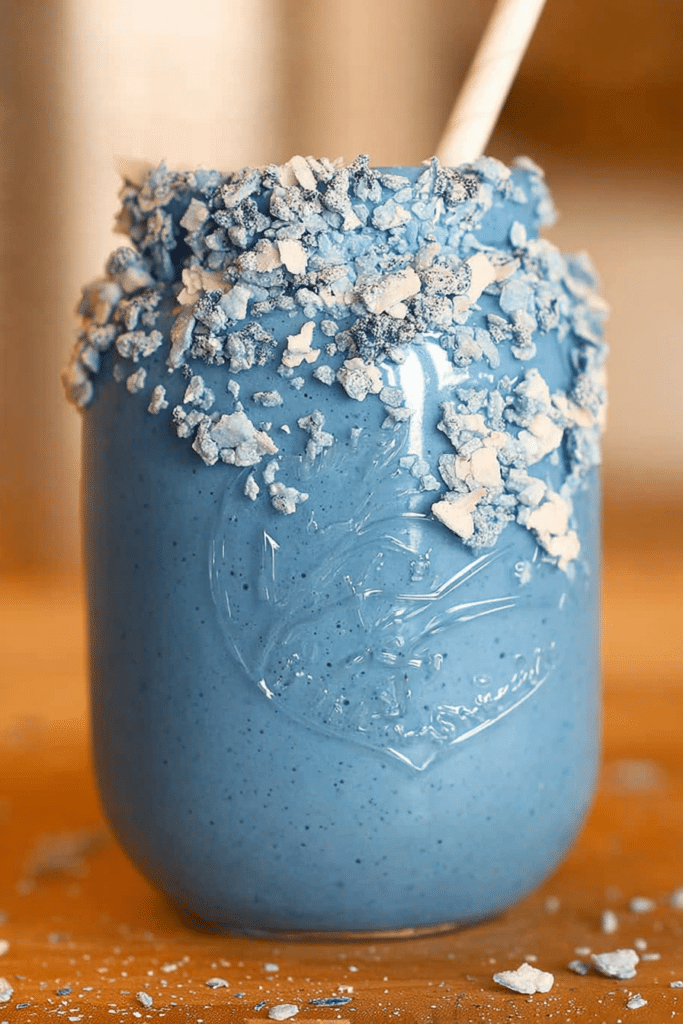
I make this blue spirulina smoothie when mornings are rushed but I still want something nourishing, colorful, and satisfying. In my kitchen it takes about five minutes from start to finish: toss a few pantry staples and frozen fruit into the blender, pulse, and you have a vibrant, creamy drink I can sip on while checking emails or walking out the door.
I like this recipe because it feels indulgent and light at the same time — a silky texture from coconut or yogurt, bright citrus notes, and that unmistakable ocean-blue color from the spirulina. The aroma is fresh and tropical from pineapple and orange, and the texture finishes smooth and slightly frothy when blended properly.
Over the years I’ve learned a few small adjustments that make a big difference: the order you add ingredients, how much frozen fruit versus ice you use, and whether you want more protein or a lighter dairy-free version. These are easy swaps you can make without slowing down your morning routine.
If you need a quick breakfast pairing, this smoothie goes well alongside a hand-held grain bar for extra staying power. For a baked pairing idea I often keep a batch of banana oatmeal bars on hand for busy mornings.
Everything You Need for Blue Spirulina Smoothie
Below I describe each ingredient by purpose and substitution so you can tailor the smoothie to your preferences and dietary needs. I don’t list exact amounts here — those belong in the recipe card handled separately — but I explain what each ingredient does and why it matters.
- Full-fat canned coconut milk or Greek yogurt – Adds creaminess, healthy fats, and mouthfeel; yogurt increases protein and tang, coconut milk keeps it dairy-free and lends a tropical richness.
- Orange juice – Provides bright acidity and natural sweetness; you can swap for a splash of apple or pineapple juice if you want milder citrus notes.
- Ripe banana – Smooths texture and adds natural sweetness and body; use a softer ripe banana for sweetness or a slightly underripe one for less sugar.
- Frozen pineapple – The primary source of chill and tropical flavor; frozen fruit keeps the smoothie thick without watering it down.
- Shredded coconut (unsweetened) – Adds light chew and toasty aroma; swap with coconut flakes or omit for fewer calories.
- Blue spirulina – Provides the signature blue color and antioxidant pigment; use sparingly to taste and color preference.
- Ice – Controls thickness and chill; add more for a thicker, slushier result or less if your frozen fruit is plentiful.
- Protein powder (optional) – Turns the smoothie into a meal replacement; choose a flavor-neutral or vanilla powder to complement the tropical profile.
Blue Spirulina 101: Benefits, safety, and how much to use
Blue spirulina is a pigment-rich extract known for its intense blue color and the pigment phycocyanin, which acts as an antioxidant. In a smoothie it lends visual appeal and contributes to antioxidant intake without a strong vegetal flavor when used in moderate amounts. The aroma is mildly sea-like and fresh; it blends seamlessly with citrus and pineapple.
Most people use a small pinch to a modest scoop in a single serving to achieve the blue color and antioxidant benefit. While blue spirulina is generally safe for most people when used in moderation, certain groups should be cautious: if you are pregnant, breastfeeding, have autoimmune conditions, or are taking medication, check with your healthcare provider first. If you ever notice an upset stomach or unusual reaction, stop use and consult a professional.
Quality matters: choose a reputable blue spirulina powder labeled for human consumption. A little goes a long way — add gradually and taste as you go so the color and any subtle flavor stay balanced with the fruit.
The Secret to the Perfect Texture: balancing frozen fruit and ice
Getting a smooth, spoonable texture depends on the frozen fruit-to-ice ratio and the base you choose. Below are practical, actionable guidelines I use every time I blend.
- Add frozen fruit first so the blades have something solid to break down; this prevents clumping and helps the blender pull ingredients toward the center.
- If the smoothie is grainy or under-blended, pause and scrape down the sides, then blend again in short bursts until silky.
- For a thicker, soft-serve texture, increase the proportion of frozen fruit and reduce ice; icy slush comes from a higher ice-to-fruit ratio.
- Using yogurt yields a richer, creamier body and less froth; dairy-free milks produce a lighter, more drinkable smoothie with more visible froth on top.
- If your blender struggles, let the frozen fruit sit for a minute to soften slightly, or pulse with short bursts to avoid overheating the motor.
Best Bases & Dietary Swaps: Almond, Oat, Keto, and Dairy-Free Options
Choose your base depending on dietary goals — here’s how each one changes the smoothie’s nutrition and mouthfeel, and when I reach for them in my kitchen.
- Coconut milk (full-fat) – Creamy and tropical, adds richness and keeps the smoothie dairy-free; higher in fat and very satiating.
- Greek yogurt – Thickens the smoothie, boosts protein, and gives a subtle tang; ideal if you want more staying power.
- Almond milk (unsweetened) – Light and low-calorie, best when you prefer a thinner, more hydrating drink.
- Oat milk – Naturally slightly sweet and creamy, a good middle ground for dairy-free creaminess.
- Keto-friendly options – Use unsweetened almond or coconut milk and swap higher-sugar fruits for lower-carb berries; add a fat source like MCT oil or nut butter for satiety.
- Plant-based protein – Choose a pea or brown rice protein for vegan options; some are flavored, so pick one that complements the tropical notes.
For a quick snack or breakfast option, try our banana oatmeal bars that are perfect for busy mornings.
How to Make Blue Spirulina Smoothie (Step-by-Step)
Follow these steps when you blend so you get even texture, vivid color, and the best flavor. Use “you” instructions — you’ll find this method reliable whether you’re making a single serving or scaling up.
- Add frozen pineapple and other frozen fruit to the blender first so the blades can break them down efficiently.
- Pour in your chosen base (coconut milk, yogurt, or plant milk) to help the blender circulate ingredients.
- Add the ripe banana, shredded coconut, and orange juice next so flavors integrate while blending.
- Sprinkle in the blue spirulina last before pulsing so you can control the intensity of color and avoid overmixing the pigment.
- Blend on high until smooth, stopping to scrape down the sides as needed for uniform texture.
- Add ice and any optional protein powder, then blend briefly until the consistency is even and frothy; add more ice for thickness or a splash of liquid to thin.
For a delicious sweet treat, check out this lemon blueberry zucchini cake that pairs wonderfully with smoothies.
Pro Tip for blue spirulina smoothie: adjust color, sweetness & protein
Note to the writer: Present the Pro-Tips, Troubleshooting, and Variations sections as bulleted lists for quick scanning.
- Color: Start with a small amount of spirulina and increase until you reach the blue tone you prefer; stirring between additions avoids overshooting.
- Sweetness: Boost naturally with a riper banana, a date, or a touch of honey or maple syrup; use citrus to brighten without adding much sugar.
- Protein: Add a neutral or vanilla protein powder, or swap in Greek yogurt for a higher-protein base; nut butter adds protein and healthy fats.
- Flavor balance: If the spirulina reads as slightly vegetal, add more citrus or pineapple to mask that note without hiding the blue color.
Troubleshooting
I use these fixes regularly when something feels off — they’re simple and fast.
- Smoothie too thin: I add more frozen fruit or a few more ice cubes and blend briefly until thicker.
- Smoothie too thick or the blender stalls: I add a splash of liquid, pulse, then blend again to ease the load on the motor.
- Color too pale: I gradually add a tiny amount more spirulina, blending and checking color after each addition.
- Grittiness or grainy texture: I blend longer and scrape the jar; switching to a higher-speed blender or letting frozen fruit thaw for 30–60 seconds helps.
- Bitter or off taste from spirulina: I reduce the amount next time and balance with more citrus, pineapple, or a sweetener of choice.
Nutrition Snapshot: Antioxidants, Protein, and Sugar Counts
This smoothie is concentrated in antioxidants thanks to the spirulina and vitamin C–rich fruits. Depending on your base and add-ins, you can make it a light snack or a filling meal.
- Antioxidants: Blue spirulina provides phycocyanin, a potent antioxidant pigment, while pineapple and orange contribute vitamin C and other antioxidants.
- Protein: Using Greek yogurt or adding protein powder raises protein substantially; with a protein boost this smoothie can provide a substantial portion of a light meal’s protein needs.
- Sugar: Most of the sugar is naturally occurring from fruit; to lower sugar, use less ripe banana, swap some fruit for lower-sugar berries, or reduce added fruit juice.
For an extra protein boost, consider adding pumpkin protein balls to your diet alongside this smoothie.
How to Store and Easy Variations to Try Next Time
Store this smoothie in a sealed container in the refrigerator and plan to drink it within 24 hours for the best color and texture. Give it a quick shake or stir before drinking, as separation is natural.
- Refrigeration: Keep in an airtight jar for up to one day; stir to recombine before serving.
- Freezing: Pour into popsicle molds for a frozen snack; note the texture and color will change slightly.
- Variation — Berry Blue: Replace some pineapple with frozen mango and a handful of blueberries for a brighter, tangier profile.
- Variation — Green Boost: Add a small handful of spinach for extra greens (the spirulina will still dominate the color).
- Variation — Keto: Use unsweetened almond or coconut milk, swap banana for avocado, and add a low-carb sweetener if needed.
If you’re looking for another refreshing drink, try our orange coconut smoothie as a fruity variation.
Frequently Asked Questions
Can I substitute the coconut milk with something else?
Absolutely! You can use Greek yogurt with water, almond milk, oat milk, or any dairy-free alternative you prefer.
How can I make this smoothie sweeter?
If you prefer a sweeter smoothie, you can add a little honey, maple syrup, or a ripe date to enhance the sweetness!
What other fruits can I use in this smoothie?
You can experiment with other frozen fruits like mango, berries, or peaches for different flavors!
Is blue spirulina safe to consume every day?
Yes, blue spirulina is considered safe for most people when taken in moderation. It’s always best to consult with a healthcare provider if you have concerns!
How long can I store the smoothie in the refrigerator?
This smoothie can be stored in the refrigerator for up to 1 day. Just give it a good stir before drinking!
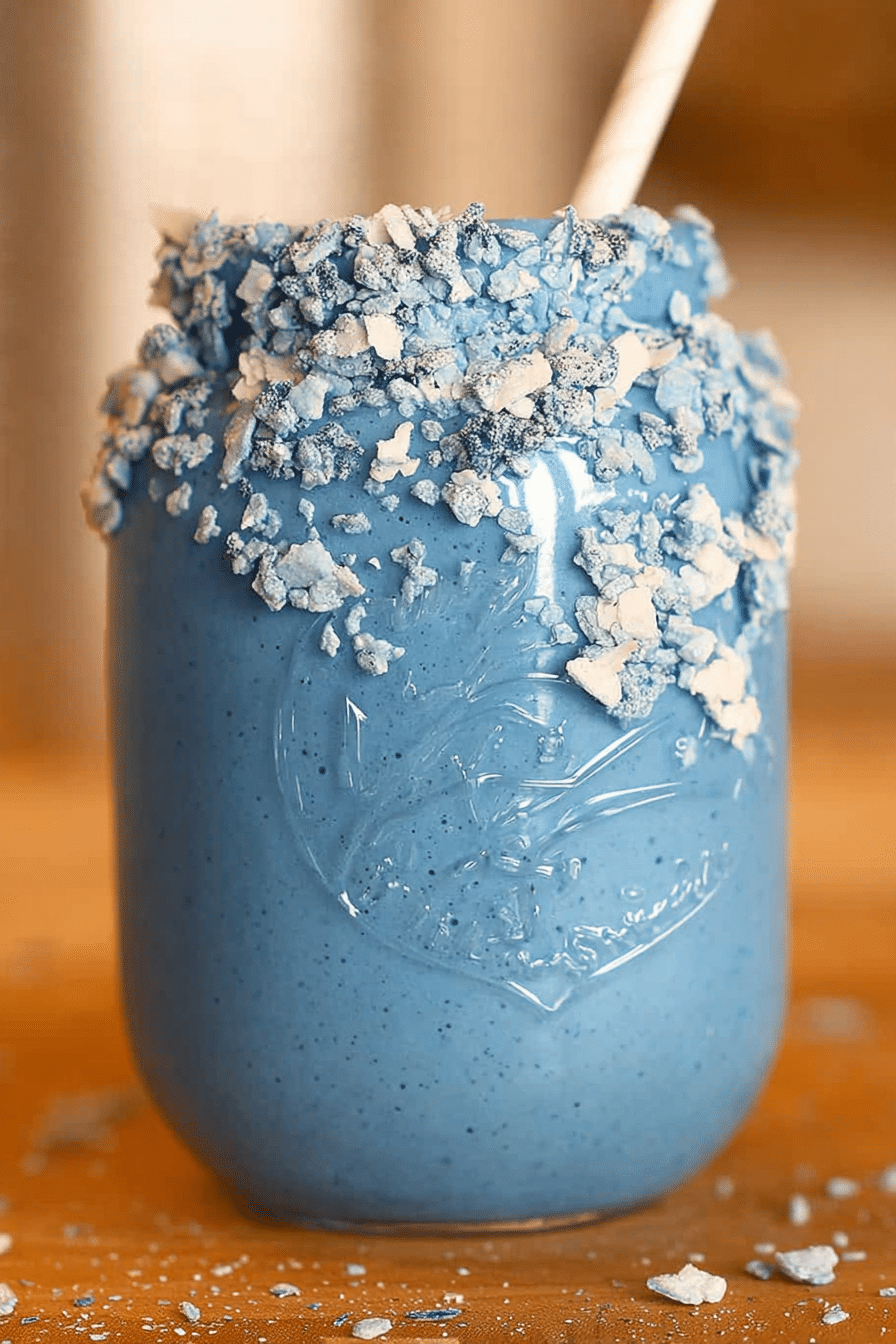
Blue Spirulina Smoothie
Ingredients
Method
- Blend everything except for the ice and 1/4 cup of the pineapple, stopping and stirring as necessary.
- Blend again with ice and the final 1/4 cup pineapple. If you’d like the smoothie thicker, you can add more ice. Stores up to 1 day refrigerated.