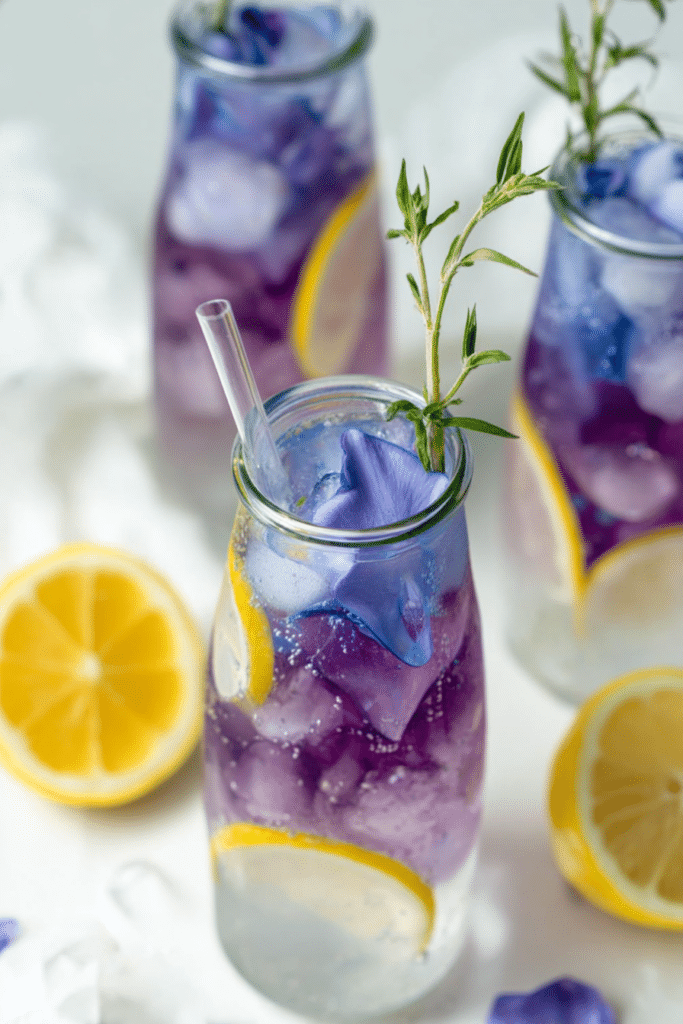
I’ve been bringing this butterfly pea tea lemonade to backyard gatherings for years, and it never fails to get a double-take. I love how the vivid blue tea transforms into shades of purple and pink the moment lemon juice hits it — it’s a small, theatrical moment that feels playful and sophisticated at the same time. In my kitchen this drink has become my go-to when friends stop by unannounced because it’s both inviting and refreshing.
Making this lemonade is refreshingly simple, which is why I use it when I’m juggling appetizers and last-minute seating. The steps are forgiving: steep, sweeten, add citrus, and finish with fizz. I’ll share the little habits I’ve learned — like timing the lemon so the color pop is at its best — and the things I avoid so you don’t end up with a muted drink or a flat soda.
If you’re hosting a summer party and want a signature beverage that looks stunning in photos and tastes balanced, this is it. The vibrant presentation pairs beautifully with light bites; guests love sipping it alongside chilled snacks. For a sweet treat to serve beside it, guests always appreciate the contrast of frozen candied grapes—try pairing them with your butterfly pea tea lemonade at your next gathering:
Guests will love the contrast of your refreshing butterfly pea tea lemonade with our frozen candied grapes for a sweet treat.
Why Butterfly Pea Tea Lemonade is Perfect for Summer Gatherings
This drink reads like a summer moment: bright, colorful, and easy to enjoy outdoors. Visually, the electric blue that shifts to violet or rose with citrus adds instant drama to a spread of simple appetizers. The taste hits all the right notes for hot weather — cool, slightly sweet, and lively with citrus lift. From a hosting standpoint, it’s low-effort: you can make the base tea in advance and finish drinks in minutes, letting you spend more time with guests and less time at the pitcher.
When you serve it over ice, the cold keeps the flavor crisp and the aromatics light; a sprig of rosemary tucked into the glass adds an herbaceous scent that guests notice as they sip. This is a vibrant, inviting option that plays well with both family-friendly and adult beverage stations.
If you’re planning a menu, consider balancing the lemonade with light, acidic or salty bites; the brightness makes it a natural foil for richer hors d’oeuvres. For another bright beverage idea, check out a fruit-forward lemonade pairing—your guests will appreciate variety on a warm afternoon.
Everything You Need for Butterfly Pea Tea Lemonade
Below is what I keep on hand so I can pull this drink together quickly. I describe each item so you know why it matters and how you might substitute if needed.
- Butterfly pea flowers – The star ingredient for the blue color; dried flowers are concentrated and easy to store, while fresh flowers give a slightly milder brew.
- Water – The steeping medium. Warm water extracts color and flavor quickly; cold-steeped tea is gentler and less bitter.
- Sugar (or sweetener) – Balances the lemon’s acidity and helps the tea take on a fuller mouthfeel; swap for honey, agave, or a sugar-free syrup to suit your crowd.
- Lemon juice – Provides the tang and triggers the color change; freshly squeezed gives the brightest aroma and cleanest flavor.
- Soda water – Adds refreshing fizz and lightness; use chilled soda just before serving to keep bubbles lively.
- Ice – Keeps drinks cold without watering them down too quickly; I like to use large cubes for parties.
- Garnishes (lemon slices, rosemary) – Visual polish and aromatic lift; rosemary adds a piney scent while lemon slices make each glass pop.
- Tools – A fine mesh strainer to remove petals, a pitcher for chilling, and measuring tools to keep consistency when scaling for a crowd.
When you steep, pay attention to texture: the dried flowers will rehydrate and swell, and the sugar will dissolve with a faint sweet aroma that tells you it’s coming together. The feel of cold condensation on the pitcher is always my sign to bring it outside for guests.
Why the Butterfly Pea Flower Changes Color
The butterfly pea flower contains pigments called anthocyanins that are sensitive to pH. When the tea is neutral or slightly alkaline it appears brilliant blue; adding acid — like lemon juice — lowers the pH and shifts the pigment to purple, magenta, or pink. This chemistry is perfectly safe and completely natural, and it’s part of the charm: a simple squeeze changes the whole look of the drink.
Historically, butterfly pea has been used across Southeast Asia in cooking and drinks, prized for both its color and subtle floral notes. In practice, the color change happens within seconds of acid contact, so timing and presentation matter: pour the blue tea into glasses, then add lemon to let guests watch the transformation. That visual surprise is part of the appeal and makes the beverage feel festive.
Step-by-Step Guide to Making Butterfly Pea Tea Lemonade
- Steep the butterfly pea flowers in warm water until the liquid is a deep, vivid blue. If you want extra intensity, let it steep a little longer or use a few more flowers.
- Strain the petals through a fine mesh strainer so the tea is clear and free of bits.
- While the tea is still slightly warm, stir in your sweetener until fully dissolved — this helps the sweetness distribute evenly.
- Add fresh lemon juice to the sweetened tea and taste; the color will shift as the acidity rises. Adjust sweetness or lemon to balance tartness with sugar.
- Fill glasses with ice and pour the butterfly pea lemonade about halfway up the glass.
- Top each glass with chilled soda water for fizz, and garnish with a lemon wheel or rosemary sprig. Serve immediately so the bubbles stay lively.
If you like similar refreshing lemon drinks, try a different fruit tea lemonade for variety:
If you’re looking for another refreshing drink, check out our blueberry tea lemonade recipe!
Sweetness, Tartness, and Fizz: Balancing Flavors for a Crowd
When you’re making drinks for many people, aim for a balanced baseline that most guests will enjoy and let folks customize from there. Start with a clearly defined sweet-to-tart relationship so the lemonade tastes lively but not cloying. The soda water’s fizz lightens the palate and lifts aromatics, making the drink feel less sweet and more refreshing — that effervescence is what makes it excellent for warm-weather entertaining.
If your crowd prefers less sugar, offer a simple station with extra lemon slices and a small pitcher of sweetener so guests can tailor each glass. Alternative sweeteners like honey, agave, or a sugar-free syrup will change mouthfeel and sweetness intensity, so adjust slowly and taste as you go.
Pro Tip: How to Deepen Color Without Extra Sugar
- Add a splash more lemon juice to deepen the purple hues — acidity changes color but won’t increase sweetness.
- Use colder temperatures when serving; chilling the tea after steeping helps retain a more saturated blue before you add lemon.
- Layer presentation: pour the blue tea over ice first, then add lemon mixture slowly so the color transition is more dramatic in the glass.
- Garnish smartly — a thin lemon wheel or a small rosemary sprig draws the eye to the color shift without adding calories.
Sourcing High-Quality Butterfly Pea Flowers
When you’re choosing flowers, look for deep, uniform color in the dried petals — that richness translates into stronger pigment and flavor. Fresh flowers have a subtler aroma and can be less concentrated, so you’ll often need more of them. Origin matters: flowers grown in clean, pesticide-free conditions will taste cleaner and produce a clearer color.
You can buy butterfly pea flowers online from specialty tea suppliers or find them at local Asian markets. If you shop online, read product descriptions for harvesting and drying methods; smaller, hand-harvested batches sometimes retain brighter color. Once you’ve got a supply, store dried flowers in an airtight container away from light to preserve both color and fragrance.
How to Store, Make Ahead, and Serve Butterfly Pea Tea Lemonade
You can prepare the butterfly pea tea base and the sweetened tea in advance and refrigerate them. Keep the soda water and ice separate until serving so your drinks stay fizzy and cold. When you’re ready to serve, combine the chilled tea with lemon and top with soda water per glass for best presentation and carbonation.
Prepared tea will keep in the refrigerator for a few days; freshly squeezed lemon juice is best used within a day or two for brightness. For a party timeline, I often brew and sweeten the tea the night before, chill it, and finish with lemon and soda as guests arrive. Make your gathering even more enjoyable by serving
Make your gathering even more enjoyable by serving garlic butter chicken with lemon parmesan pasta alongside your butterfly pea tea lemonade.
Easy Variations for Butterfly Pea Tea Lemonade
- Low-sugar option: Sweeten the tea lightly and offer a pitcher of simple syrup or honey on the side so guests can add sweetness to taste.
- Cocktail twist: Add a splash of gin or vodka for an adult version; muddle a few berries or a sprig of basil for extra complexity.
- Herbal lift: Replace rosemary with mint or basil for a different aromatic profile that complements the lemon.
- Dessert use: Freeze portions of concentrated tea into ice cubes and use them in desserts or to slowly tint drinks as they melt.
- Food pairing idea: Pair your butterfly pea tea lemonade with a
Pair your butterfly pea tea lemonade with a refreshing cucumber dill chicken salad for a delightful summer meal.
Troubleshooting
- If the color is weak, I steep the flowers a little longer or increase the flower-to-water ratio; remember dried flowers are more potent than fresh.
- If your lemonade tastes too sweet, add more lemon gradually — acidity brightens the drink without thinning it.
- If the soda goes flat quickly, keep bottles chilled until the last moment and add soda right before serving.
- If sediment clouds the pitcher, strain again through a finer sieve or cheesecloth; I’ve learned a second strain gives the cleanest pour.
Serving Suggestions
Serve in clear glasses so guests can watch the color transformation; add a lemon wheel on the rim and a small herb sprig for aroma. For larger gatherings, set up a small drink station where people can choose still or sparkling finishes and adjust sweetness at will. This setup keeps traffic moving and lets everyone enjoy a fresh, fizzy glass on their own terms.
Frequently Asked Questions
Can I use fresh butterfly pea flowers instead of dried ones?
Absolutely! Fresh butterfly pea flowers can be used in place of dried ones. Just make sure to adjust the amount as needed, since fresh flowers can have a milder flavor.
Is there a way to make the lemonade less sweet?
Yes! You can reduce the amount of sugar added or substitute it with a natural sweetener like honey or agave syrup to customize the sweetness to your taste.
How does the butterfly pea flower change color?
The butterfly pea flower contains anthocyanins, which react to changes in pH. When you add lemon juice, the acidity changes the color from blue to purple or pink, creating a stunning visual effect!
Can I make this lemonade in advance?
Yes! You can prepare the butterfly pea tea and mix it with sugar ahead of time. Just keep it refrigerated and add soda water and ice just before serving.
What can I use for garnishes?
Lemon slices and fresh rosemary sprigs make beautiful garnishes for your butterfly pea tea lemonade. They add a nice touch and enhance the flavor profile!
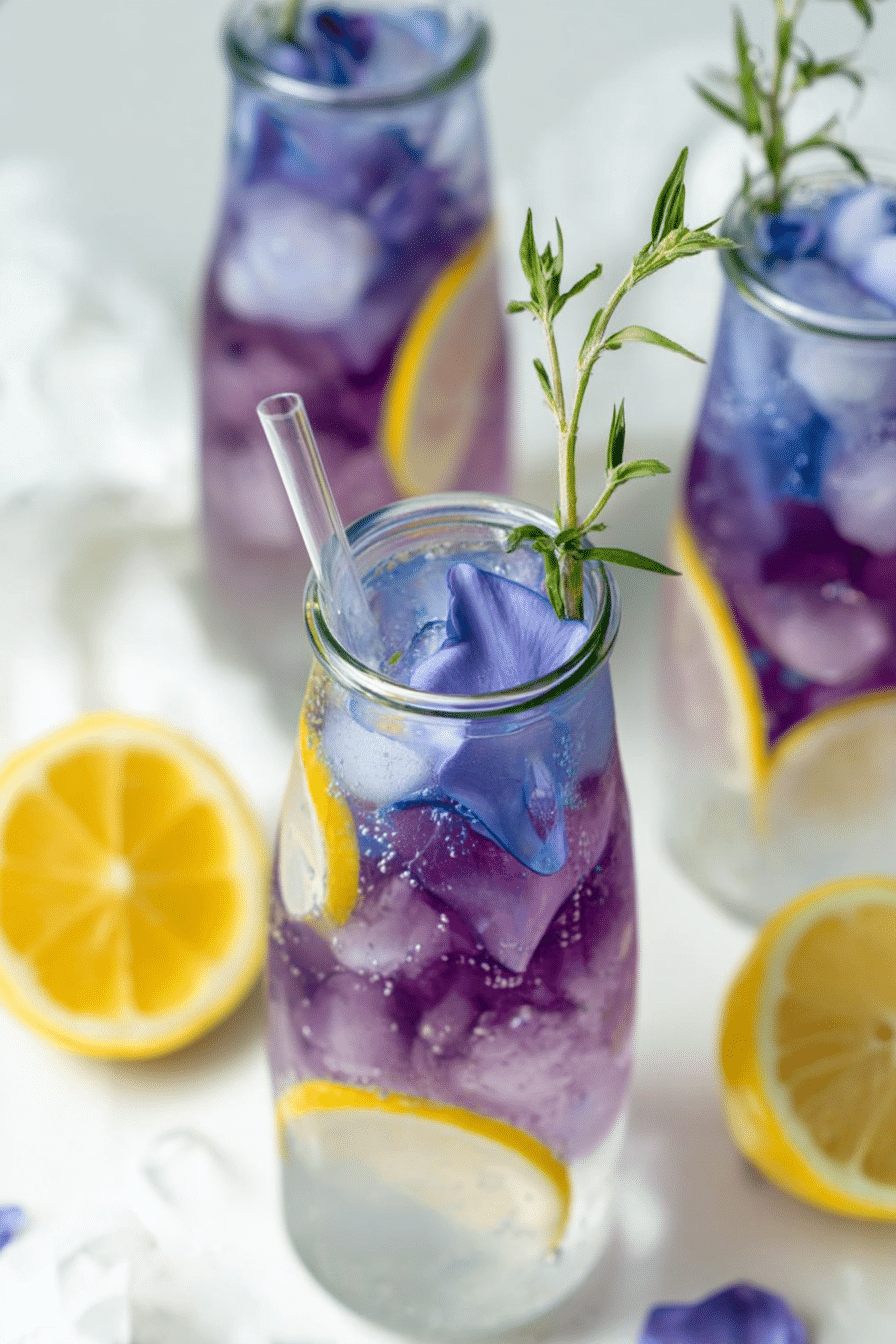
Butterfly Pea Tea Lemonade
Ingredients
Method
- Pour the water into a cup. Add the butterfly pea flowers and stir or soak for a few minutes. If the color isn't strong enough, add more flowers.
- Strain the butterfly pea tea with a mesh strainer.
- Add the sugar to the butterfly tea and use a spoon to stir until fully dissolved.
- Mix the lemon juice with the sweetened butterfly pea tea.
- Fill glasses with ice.
- Pour the butterfly pea lemonade over the ice, up to about half of each glass.
- Fill the rest of each glass with soda water and enjoy right away.