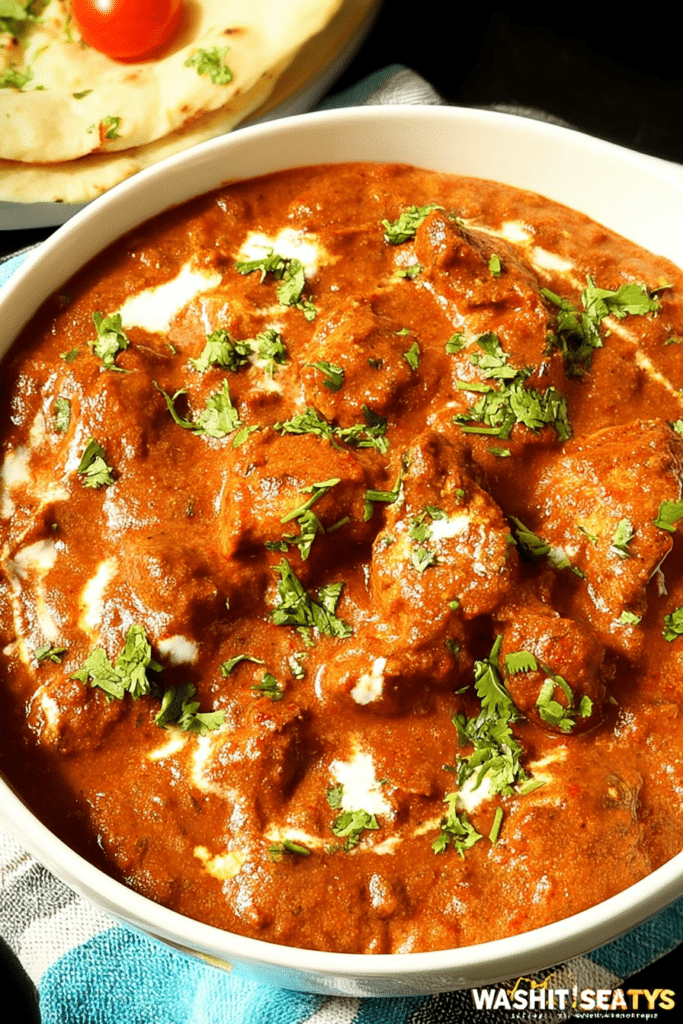
I learned to make chicken tikka masala the way my kitchen wanted me to learn it: by making it wrong several times and then fixing one element at a time. I remember the first attempt — the gravy was thin and pale, the chicken was cooked but chewy, and the whole dish tasted flat. Over the years I tuned the marinade, insisted on char, and learned to coax balance from tomatoes and cream. Those adjustments made all the difference; now the dish comes out vibrantly red, luxuriously creamy, and with little black flecks of char that announce themselves on the first sniff.
What I love about this recipe is how adaptable it is for home cooks. You can make it as weeknight-friendly or as celebratory as you like. Keep the marinade long and the heat bold for a weekend dinner, or shorten the marination and use a skillet for a quick, satisfying weeknight version. I also keep a few pantry tricks that rescue the sauce when it threatens to be too acidic or too thin — I’ll describe those as we go.
In my kitchen, the signature comes from two things: a tangy, well-salted yogurt marinade that actually seasons the meat through, and a proper char on the tikka before it hits the sauce. When those two parts are working, the final plate is a beautiful contrast of soft, juicy chicken and a silky, aromatic gravy that clings to rice and naan. If you want a comforting side, pair it with a bright, crunchy cabbage dish to cut through the richness — I often serve it that way for a balanced plate.
Before we get into the how-to, I’ll walk you through ingredients, the logic behind marination, why grilling changes everything, and easy swaps for lighter versions. This is written for cooks who care about authenticity but also want practical, home-friendly methods.
Why this Chicken Tikka Masala is Perfect for Home Cooks
Chicken tikka masala sits at the crossroads of Indian and British home cooking: rich, aromatic gravy with smoky, grilled pieces of chicken. It’s crowd-pleasing and flexible — you can tune the heat, the creaminess, and the char to suit your family. For home cooks, it’s forgiving: a long marinade does the heavy lifting, and the sauce can be corrected as it cooks.
Visually the dish is striking — a glossy, deep-red gravy speckled with charred edges of chicken and green flecks of coriander. Smell-wise, it should be warm with toasted spices, a background of ginger-garlic, and a faint fenugreek note if you add kasuri methi. Texturally you want pieces of chicken that are soft inside but edged with that Maillard char so each bite has both tenderness and bite.
This recipe is family-friendly: turn down the chili for kids, or keep it higher for adults. If you enjoy other robust chicken dinners, you might also like an easy garlic-butter chicken that pairs beautifully with pasta or rice.
Everything You Need for Chicken Tikka Masala
Below I explain the role each ingredient plays and offer sensible substitutes so you can adapt the recipe for health, availability, or dietary needs.
- Chicken (thighs or breasts) – Thighs are more forgiving and stay juicy; breasts will work but cook faster and can dry out if overcooked.
- Greek yogurt / hung curd – The backbone of the marinade: tenderizes and carries spices into the meat. Use a thicker yogurt or drain regular yogurt to get similar results.
- Red chili powder (Kashmiri preferred) – Adds color and mild heat. Use a milder red chili if you want the color without intense spice.
- Garam masala, coriander, cumin, turmeric – These form the warm, layered spice profile; toast whole spices and grind for fresher flavor if you can.
- Lemon juice – A quick acid in the marinade to brighten and assist tenderizing — omit if your yogurt is very sour.
- Ginger-garlic paste – Provides aromatic depth; freshly grated ginger and garlic will always taste brighter than jarred paste.
- Oil or ghee – Used for frying the base and for the marinade; ghee adds richness, neutral oil keeps it lighter.
- Onions – Cooked until very deep golden — this is where a lot of savory sweetness comes from for the sauce.
- Tomatoes (fresh or canned) – Fresh gives brightness; canned passata or peeled tomatoes speed things up and provide consistent color.
- Kasuri methi (dried fenugreek) – A small amount finishes the dish with a signature, slightly bitter-sweet herb note; if unavailable, fresh fenugreek or a pinch of maple-like herb tones can help but the flavor will change.
- Cream or cashew cream – For richness and silkiness; coconut milk is an option for dairy-free swaps and will lend a different but pleasant tropical roundness.
- Salt and sugar – Salt brings flavors forward; a touch of sugar balances tomato acidity.
Don’t forget to have a couple of simple sides on hand — warm, buttery naan or steamed basmati are classics. And if you want appetizers, stock up on something light and crunchy to start the meal.
The Secret to Tender Tikka: Marination Explained
Marination is where the magic happens — it’s not just flavor, it’s texture. The yogurt, salt, and time are what turn ordinary chunks into soft, yielding pieces.
- Coat your chicken well in the yogurt-based marinade so every surface touches the spices; salt in the marinade is crucial because it seasons the meat through, not just the surface.
- Include an acid (lemon or similar) only if your yogurt is not very sour; too much acid for too long can tighten the proteins and make meat firm instead of tender.
- Marinate for at least several hours; overnight (8–24 hours) is ideal for depth. I sometimes go up to 48 hours for very bold results, but I reduce acidic elements when I do.
- Store marinated chicken cold on the lowest shelf of the fridge in a sealed container. For safety and best texture, don’t leave it at room temperature.
- If you’re short on time, a 2–3 hour marination still improves flavor — but increase contact time by piercing the chicken lightly so the marinade penetrates faster.
Why Grilling (Oven, Skillet & Air Fryer) Changes the Flavor
A proper char converts sugars and amino acids in the meat into richly flavored compounds through the Maillard reaction. That char is what makes tikka pieces sing against a creamy sauce.
- Oven grilling (high heat and broil finish) – Best for even cooking and consistent char across many skewers at once. Preheat the oven to very hot and use the broiler briefly to get black edges.
- Skillet / stovetop – Gives you immediate control and is fastest for small batches; will deliver good caramelization if the pan is hot and the chicken pieces are spaced well.
- Air fryer – Convenient and quick for tidy batches; you’ll get a roasted exterior that’s close to grilled, and you can baste if the pieces look dry during cooking.
- Cooking tips: don’t crowd the pan or skewers; space promotes browning. Turn pieces once or twice to get color on all sides. Remove tikka just before they’re fully cooked because they will finish in the sauce and overcooking will dry them out.
Choosing Tomatoes, Cream, and Kasuri Methi for Authentic Taste
These finishing ingredients define the gravy’s character: acidity and body from tomatoes, silk from cream, and that unique fenugreek whisper from kasuri methi.
- Fresh tomatoes – Use ripe and slightly sweet tomatoes for a bright, fresh sauce; they take a little longer to break down but give a rounded taste.
- Canned tomato puree / passata – Gives consistent color and body and shortens cooking time; useful when tomatoes aren’t at peak season.
- Cream – Heavy cream yields a glossy, luxurious finish. For lighter options use a lower-fat cream or make a nut cream with soaked cashews blended with water for a neutral, silky alternative.
- Kasuri methi – Crush between your palms and sprinkle near the end of cooking; the heat will bloom its aroma. If you don’t have it, a couple of torn fresh fenugreek leaves can offer a closer flavor than leaving it out entirely.
How to Make Chicken Tikka Masala (Step-by-Step)
Follow these steps to build flavor in stages. Troubleshooting notes are included with each phase so you can fix problems as they arise.
- Prepare and marinate the chicken: Cube and pat-dry the chicken pieces, then toss with the yogurt-spice mixture. Refrigerate for the recommended marination time for tender, seasoned meat.
- Cook the base: Sauté finely chopped onions until deep golden — this gives you the sauce’s sweet, caramelized backbone. Add ginger-garlic and quick-cook until fragrant.
- Bloom the spices: Lower the heat and stir in powdered spices so they toast briefly without burning; this step sharpens their aroma and removes rawness.
- Add tomatoes and reduce: Stir in your tomatoes or passata and cook until the mixture is thick and oil begins to separate. If using canned puree, this will be faster than fresh tomatoes.
- Adjust consistency and acidity: Pour in hot water, bring to a simmer, and cook down to your preferred thickness. Taste and add small amounts of sugar if the tomatoes are too sharp.
- Grill the tikka: While the sauce simmers, grill or pan-sear the marinated chicken until it gets a good char but remains slightly underdone inside — it will finish cooking in the sauce.
- Finish the sauce: Off-heat or low-heat, stir in cream (or cashew cream), kasuri methi, and any final seasoning. If the sauce is too acidic, a pinch of sugar or a splash of cream will round it out.
- Combine and warm through: Add the grilled chicken to the sauce and simmer only until the chicken is tender and heated through. Over-simmering will make the chicken dry.
- Garnish and rest: Turn off the heat, drizzle a little extra cream if you like, and sprinkle fresh coriander before serving. Let the dish rest a few minutes; the flavors meld and the sauce thickens slightly.
Pro Tip for chicken tikka masala: Low-Calorie & Coconut Milk Swaps
- Use lower-fat yogurt in the marinade and cut back on ghee or oil when sautéing to reduce calories without losing the tenderizing effect.
- Swap heavy cream for full-fat coconut milk for a dairy-free, slightly sweeter finish — reduce other sweet elements to balance.
- Make a cashew cream by blending soaked cashews with a little hot water for a neutral-tasting, plant-based thickener that mimics creaminess.
- Increase onion caramelization time to add natural sweetness so you can use less sugar or cream and still achieve a rounded sauce.
Variations: Vegetarian, Seafood, and Quick Weeknight Versions
Here are easy swaps that keep the spirit of the dish while catering to different diets. These are written as quick, scannable options so you can choose what fits your meal plan.
- Paneer or tofu tikka masala — Press and marinate firm paneer or extra-firm tofu in the same yogurt-spice mix, give it a quick char in a skillet, and finish in the sauce.
- Vegetable tikka masala — Use roasted cauliflower, bell peppers, and potatoes as the tikka pieces; roast until edges are browned before folding into the gravy.
- Seafood tikka masala — Use firm, sweet fish or large prawns; marinate briefly and sear quickly because seafood cooks fast and can become rubbery if overcooked.
- Quick weeknight version — Use pre-cubed or rotisserie chicken and canned tomato puree; shorten marination and pan-sear the chicken for a fast, satisfying dinner.
- For a comforting twist, you might enjoy a creamy pasta-based soup as an alternate weeknight comfort option.
How to Store, Reheat, and Make-Ahead Chicken Tikka Masala
Leftovers keep well if stored correctly — the masala flavors actually deepen overnight.
- Cool quickly and refrigerate in an airtight container; properly stored it will keep for several days in the fridge.
- To reheat on the stovetop, warm gently over low heat with a splash of water to loosen the gravy; avoid high heat which can separate cream or dry the chicken.
- Microwave reheating works for convenience — stir halfway through and add a little liquid if the sauce looks tight.
- For meal prep, cook the sauce and keep it separate from freshly grilled tikka; combine and warm before serving for the best texture.
- Pair your Chicken Tikka Masala with a bright, quickly cooked vegetable side for balance.
Troubleshooting
- If your gravy tastes too acidic — I reduce heat and add a small pinch of sugar or a splash of cream; if still sharp, a knob of butter worked into the hot sauce calms it down.
- If the chicken is dry — I usually find it was overcooked before going into the sauce; next time I pull the tikka when slightly underdone so it finishes gently in the simmering gravy.
- If the sauce is thin — simmer longer to concentrate, or blend in a small amount of soaked-cashew paste for body without extra dairy.
- If the dish lacks depth — toast whole spices briefly before grinding or add a small pinch more garam masala at the end for warmth.
- If the tikka isn’t charred — increase searing heat, space pieces out, or finish under a hot broiler for a minute to get the desired edges.
Serve your chicken tikka masala with warm naan or steamed basmati rice and a simple salad of cucumber and onion to cut through the richness. Let the meal sit for a few minutes after plating so the aroma settles; that pause makes the first bite more rewarding.
Frequently Asked Questions
What’s the secret to a great chicken tikka masala?
The secret is a well-seasoned, salty yogurt-based marinade followed by intense grilling to achieve that perfect char and flavor.
Can I make this dish healthier?
Absolutely! You can swap regular cream for coconut milk and use less oil or ghee in the cooking process for a lighter version.
What are some good substitutes for kasuri methi?
If you can’t find kasuri methi, you can use fresh fenugreek leaves or simply omit it, but the flavor will be slightly different.
How long should I marinate the chicken?
For the best results, marinate the chicken for at least 8 hours, though you can go up to 48 hours for deeper flavor.
Can I use chicken breast instead of thighs?
Yes, chicken breast can be used, but thighs tend to be more tender and juicy in this dish.
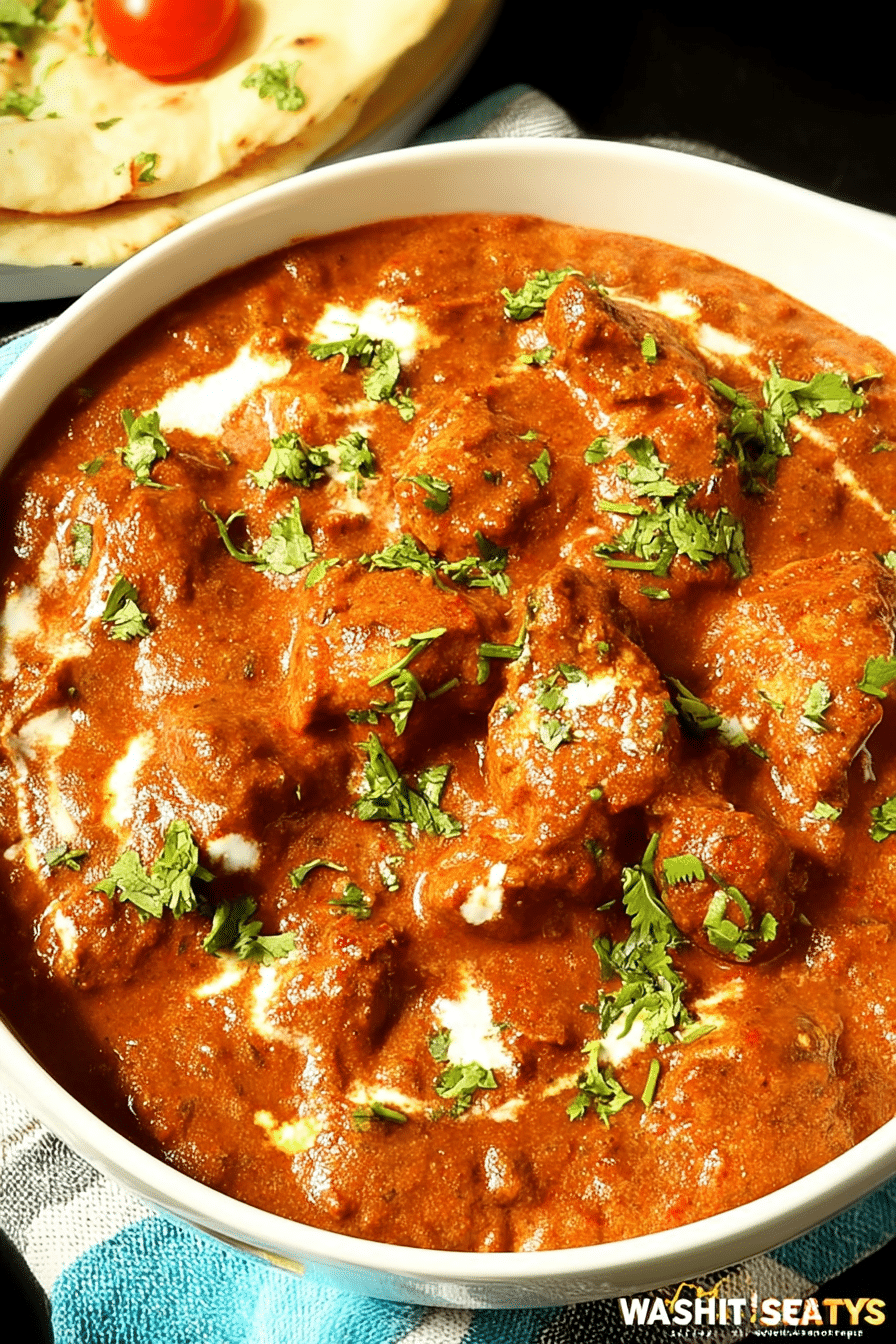
Chicken Tikka Masala
Ingredients
Method
- Cube chicken and marinate with spices, yogurt, lemon juice, and kasuri methi. Refrigerate for the minimum time.½ cup Greek yogurt, ½ to 1 teaspoon Kashmiri red chili powder, 1 teaspoon garam masala, ¼ teaspoon turmeric, 1 teaspoon coriander powder, 1 tablespoon lemon juice, 1 tablespoon kasuri methi, 1 tablespoon ginger garlic paste
- Saute onions with salt until golden brown.3 tablespoons oil or ghee
- Add ginger garlic paste and spices, and cook until fragrant.1 teaspoon salt, 1 tablespoon ginger garlic paste, ½ to 1 teaspoon Kashmiri red chili powder
- Add tomatoes and cook until thick.2 teaspoons garam masala
- Add hot water and simmer until thick.1 tablespoon coriander powder
- Grill chicken and then add to the thick gravy with cream and sugar.½ cup Greek yogurt, 1 to 1½ teaspoons cumin powder, 1 to 2 teaspoons sugar
- Garnish with cream and coriander leaves. Serve with naan or rice.1 lb. tomatoes, 1 cup hot water