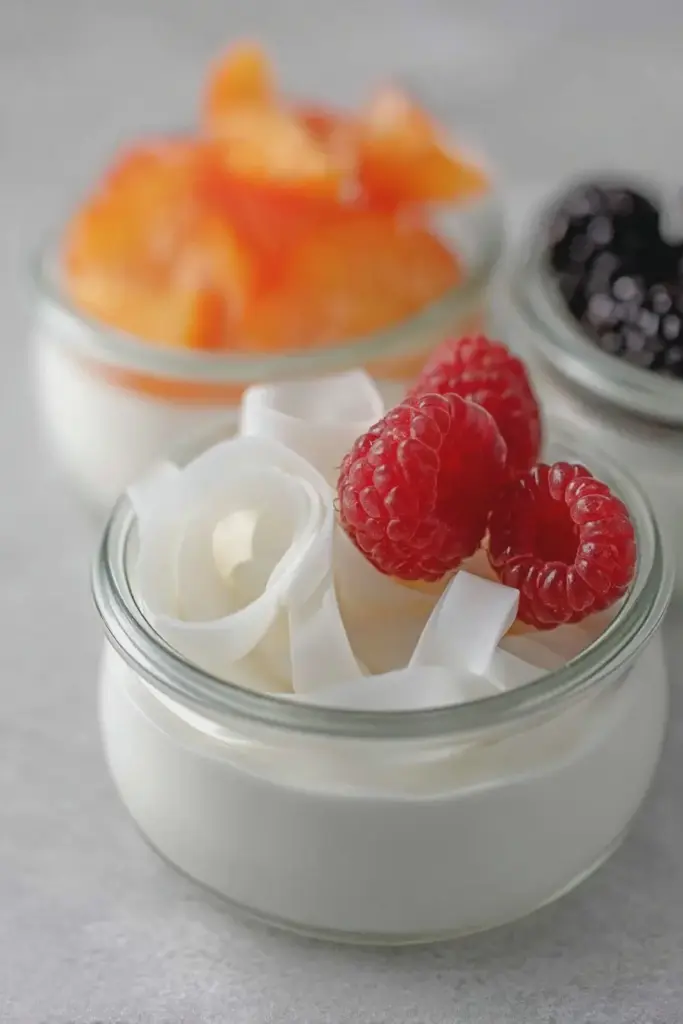
I fell in love with this coconut jelly the first summer I tried to recreate a creamy Asian-style coconut pudding without dairy. In my kitchen it became the go-to finish to warm-weather dinners: light, slightly wobbly, and cooling on the tongue. I make it when friends drop by and when my kids insist on something sweet but not heavy—it’s one of those desserts that feels like a treat without overdosing on sugar or richness.
I’ve experimented with different coconut milks, swapped sweeteners, and learned the small timing tricks that keep the surface perfectly silky and bubble-free. Over the years I’ve adjusted the technique so it’s forgiving for weeknight cooks and picky eaters alike. The result is a smooth, creamy jelly that smells faintly of coconut and carries a gentle tropical sweetness.
What I love most is how adaptable it is: you can keep it pure and simple or make it playful for kids with jewel-toned fruit on top. When it’s very hot outside, this chilled, light dessert feels like the right kind of refreshment—you almost taste the island air. It’s also an easy choice alongside heartier desserts if you’re putting together a summer spread; for example, this coconut jelly dessert is a refreshing choice for summer, perfect alongside a classic homemade blackberry cobbler.
Below I’ll walk you through everything you need, why each ingredient matters, and the simple technique that gives this jelly its hallmark wobble. I’ll also share my fail-safes so you don’t end up with lumps or a gritty texture—trust me, those small details make a big difference.
Why this Coconut Jelly Dessert is perfect for hot days and picky eaters
This coconut jelly is cooling, subtly sweet, and light enough that even folks who shy away from rich desserts will take a spoonful. The texture is creamy-but-not-heavy, with a pleasant jiggle that reads as fun to kids and elegant to adults. It has a faint tropical aroma—think clean coconut and a whisper of vanilla—that invites curiosity instead of intimidation.
For picky eaters the visual appeal helps: the surface is glossy and smooth, and the neutral coconut flavor pairs beautifully with small pops of color from fruit or coulis. You can make a single plain batch and let everyone dress their own jar, which I find reduces resistance at the table.
Everything You Need for Coconut Jelly Dessert
Gather simple ingredients and a few basic tools. Quality matters most for the coconut milk and coconut water because they define the flavor and mouthfeel.
- Coconut milk – Provides the creamy body and silky mouthfeel; choose a full-fat, canned variety for the richest texture or a lighter one if you prefer less fat.
- Coconut water – Adds a delicate coconut-fruit flavor and thins the custard so the set is tender instead of rubbery.
- Unflavored gelatin – Gives the jelly its wobbly set; powdered gelatin is easy to bloom and dissolve evenly.
- Natural sweetener (honey, maple, or agave) – Sweetens without refined sugar; each option nudges the flavor differently (honey is floral, maple is deeper, agave is neutral).
- Vanilla extract – Rounds the sweetness and brightens the coconut notes.
- Fresh fruit or fruit purees – Optional toppings that add freshness, color, and acidity.
Tools I use and recommend:
- Small saucepan for gentle heating.
- Whisk for smoothing gelatin into warm liquid.
- Fine-mesh sieve to catch any unmelted bits or bubbles for a pristine surface.
- Small jars or ramekins for individual servings.
The Secret to the Silky, Wobbly Texture
The texture comes down to a balance between creamy fat from the coconut milk, enough liquid to keep the set tender, and properly handled gelatin. If you use too little liquid the result will be firm and rubbery; too much and it won’t set. Blooming and dissolving the gelatin gently—and not overheating the coconut milk—are the technical keys.
Gelatin choice matters: powdered gelatin gives a clean, tender set that’s ideal for this dessert. If you use sheet gelatin, the bloom and hydration times differ, and you’ll need to squeeze out excess water before melting—otherwise the ratio will change.
Temperature control matters at two points: when you dissolve gelatin and when you combine it with the warm coconut mixture. Gelatin melts at low heat, so you only need warm liquid; boiling damages the texture and can create a grainy finish. After adding gelatin, strain the mixture through a fine sieve to remove tiny undissolved bits and any surface foam for a perfectly smooth top.
How Coconut Water, Coconut Milk & Gelatin Support Nutrition
Coconut water, coconut milk, and gelatin each bring more than just flavor.
- Coconut water – Naturally hydrating with electrolytes like potassium, it helps make the dessert feel light and refreshing.
- Coconut milk – Supplies medium-chain triglycerides (MCTs) and healthy fats that provide a satisfying mouthfeel and slow digestion a bit, which can help with fullness and steady energy.
- Gelatin – A source of dietary collagen-supporting amino acids; many people find it beneficial for joint comfort and skin elasticity.
When you combine these ingredients, you get a dessert that feels nourishing rather than empty—perfect after a spicy or robust main course. The use of coconut in desserts can complement savory dishes like coconut curry chicken meatballs, creating a balanced meal.
How to Make Coconut Jelly Dessert (Step-by-Step)
- Bloom the gelatin in a small amount of coconut water until it swells and softens—this prevents lumps later.
- Warm the remaining coconut water with the coconut milk and your chosen sweetener over medium-low heat until the sweetener dissolves and the mixture is hot but not boiling; watch for tiny simmering bubbles around the edge.
- Remove the pan from heat and whisk in the bloomed gelatin and vanilla until fully dissolved and smooth; don’t pour boiling liquid onto gelatin.
- Pass the mixture through a fine-mesh sieve into a pitcher or measuring cup to catch any stray pieces; skim off any surface bubbles with a small spoon or fine strainer for a glossy finish.
- Divide the strained mixture among jars or ramekins while warm and let them cool uncovered in the fridge for an hour to set the surface, then cover and chill until firm.
- When set, top with fresh fruit or flavor accents and serve chilled.
Pro Tip for coconut jelly dessert: Bloom Gelatin for Consistent Set
I always treat gelatin like a small science experiment—here are the practical steps and troubleshooting tips I use so the set is reliable every time.
- Pro tip: Sprinkle the powdered gelatin over a cool liquid and let it sit undisturbed until the granules plump up; it should look like wet sand before you melt it.
- Timing: Allow enough time for bloom—rushing this step is the most common reason for grainy or lumpy jelly.
- Heat caution: Never add gelatin to boiling liquid. If the mixture is too hot, let it rest briefly so you don’t denature the gelatin proteins.
- Troubleshooting: If you see little specks after straining, warm the mixture gently and whisk until those bits dissolve, then re-strain.
- Troubleshooting: If the jelly won’t set, check that your gelatin isn’t expired and that you used the right hydration ratio; I keep a small notebook of adjustments when I swap brands.
Toppings, Flavor Infusions & Kid-Friendly Serving Ideas
Think bright, fresh, and simple. Lightly acidic fruits cut through the creaminess and make each spoonful pop. You can also fold in small amounts of pureed fruit before setting for a marbled effect kids adore.
- Fruit toppings: Berries, diced mango, kiwi, or thinly sliced stone fruit work beautifully.
- Flavor infusions: Stir a little citrus zest, pandan leaf, or a touch of toasted coconut into the warm mixture before setting for subtle twists.
- Kid-friendly ideas: Layer jelly with fruit in a clear jar so kids can see the colors, or use cookie cutters on chilled slabs for fun shapes.
- For a delightful twist, consider serving the coconut jelly with Hawaiian pineapple coconut fluff as a topping.
How to Store, Make-Ahead and Easy Variations (including low-carb)
It stores well in the fridge for a few days. Make a big batch the day before a gathering and you’ll have a fuss-free, elegant dessert ready to go. If you want alternative sweeteners or a lower-carb version, a few simple swaps keep the dessert friendly to different diets.
- Storage: Keep the jars sealed in the fridge; chilling uncovered for the first hour helps form a smooth surface before you cover.
- Make-ahead: Prepare up to two days ahead and top just before serving for the freshest presentation. If you’re looking for make-ahead desserts, don’t miss our no-bake turtle mini cheesecakes that pair well with coconut jelly.
- Low-carb variation: Replace honey or maple with a liquid erythritol or monk fruit syrup; taste as you go because sweetness perception changes with alternatives.
- Vegan option: Use a plant-based gelling agent designed to mimic gelatin (read package directions to match texture), and swap honey for maple or agave.
- Flavor swaps: Add a thin layer of fruit coulis between two set layers for a two-tone dessert or swirl puree into the mixture before pouring for a marbled look.
With these techniques and variations you can tailor the dessert to your family’s needs—light for summer, lower-carb for special diets, and playful enough to please kids.
Frequently Asked Questions
Can I use substitutes for honey in the coconut jelly dessert? Absolutely! You can replace honey with maple syrup or agave nectar for a vegan option.
How long does the coconut jelly dessert last in the fridge? The coconut jelly can be stored in sealed containers in the fridge for up to 3 days.
Is this recipe suitable for a paleo diet? Yes! This coconut jelly dessert is dairy-free and made with paleo-friendly ingredients.
What fruits can I use as toppings for the dessert? You can use any fresh fruit you like, such as berries, mango, or kiwi, to add a delightful touch to your coconut jelly.
Do I need special tools to make coconut jelly dessert? No special tools are required! Basic kitchen items like a saucepan, whisk, and measuring cups will suffice.
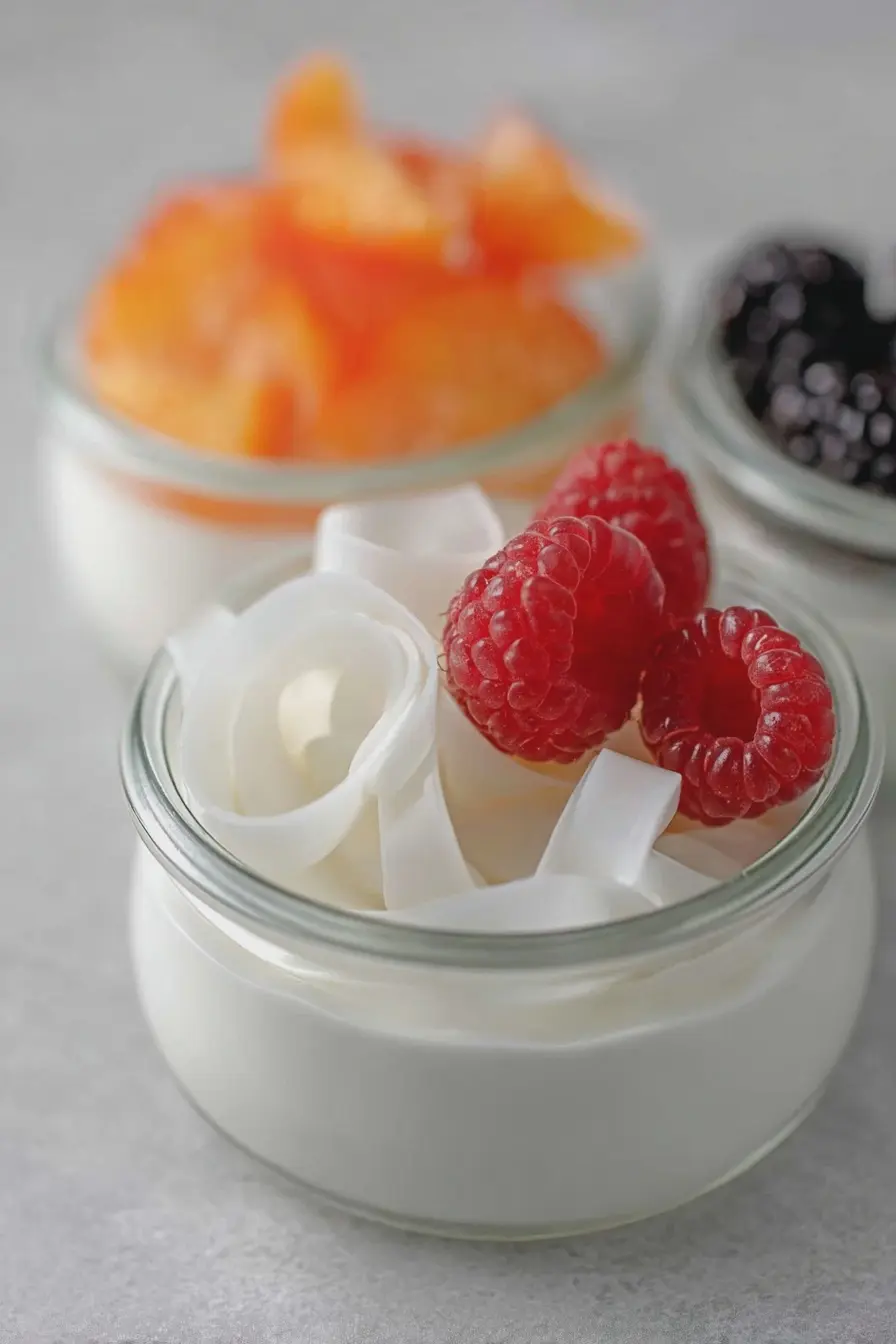
Coconut Jelly Dessert
Ingredients
Equipment
Method
- Pour ¼ cup of the coconut water into a small bowl. Add the gelatin and whisk until well-incorporated. Set aside to let the gelatin bloom and rehydrate.
- In a small saucepan, combine the remaining coconut water, coconut milk, and honey. Heat the coconut mixture over medium heat, stirring frequently until the honey is dissolved and the coconut milk is hot but not boiling.
- Remove the pan from the heat and whisk in the reserved hydrated gelatin and vanilla, making sure there are no lumps.
- Pour the mixture through a fine mesh sieve into a liquid measuring cup to catch any unmelted lumps of gelatin or honey. Skim off any bubbles on the surface with a fine mesh strainer.
- Then, evenly divide the coconut milk mixture into 6 small (6-ounce) glass jars.
- Chill the jars in the fridge for 1 hour uncovered and then add the lids and chill until solid, about 4 hours. When you are ready to serve, top with fresh fruit if desired!
- Store the coconut jelly in sealed containers in the fridge for up to 3 days.