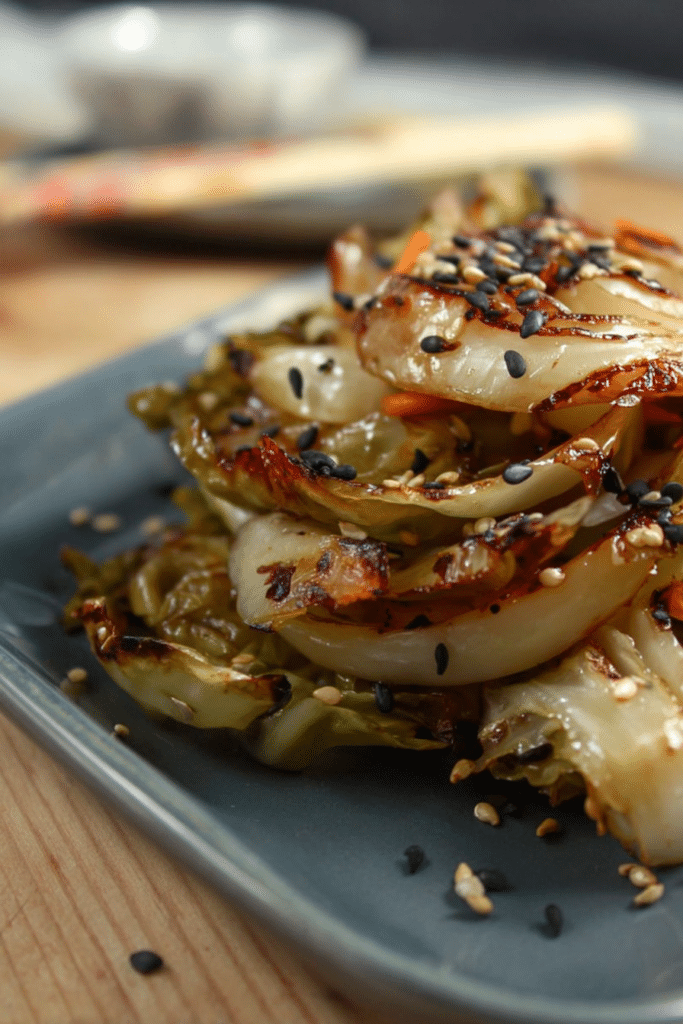
I started cooking grilled cabbage because I wanted a BBQ side that felt substantial without weighing the meal down. In my kitchen I learned that a simple head of cabbage transforms on the grill: the leaves caramelize, edges get crisp, and that mild brassica sweetness becomes deeply savory when brushed with soy and ginger. This is a dish that keeps my plate light and my guests satisfied.
I test this recipe across seasons; summer grilling brings a bright, smoky edge while a winter grill or oven roast warms the house with ginger and toasted sesame aromas. I emphasize health here — cabbage is low in calories, high in fiber and vitamin C compared with many traditional BBQ sides, and it fills out a plate without adding processed carbs or extra fat.
What keeps me coming back is flexibility. I use it as a centerpiece for a meatless meal or as a crunchy, savory side to grilled fish or chicken. The sesame seeds add a toasty hit and the tamari provides umami without the heaviness of cream- or butter-based sides. The result is nutritious, smoky, and inviting, and I can make a large sheet pan for a crowd without much fuss.
Why This Grilled Sesame Ginger Cabbage Belongs at Your Next BBQ
Why This Grilled Sesame Ginger Cabbage Belongs at Your Next BBQ
This is not a filler vegetable. Grilling pulls natural sugars from the cabbage and creates caramelized, slightly charred edges that read as smoky and rich without added calories. Compared with traditional BBQ sides that rely on oil, sugar, or heavy dressings, grilled cabbage keeps the plate lighter while delivering texture and flavor.
Sensory notes: picture glossy, browned cabbage leaves steaming with warm ginger and a soy-scented breeze. The health benefits are real — cabbage is nutrient-dense and fiber-rich, which supports satiety and digestive health while fitting clean-eating plans. It works equally well as a shared side for a group or a satiating main for two.
Everything You Need for Grilled Sesame Ginger Cabbage
Ingredients and tools chosen well make this dish fast and reliable. Use fresh produce where possible and pick pantry items that support a healthier profile: low-sodium tamari, cold-pressed olive oil, and whole sesame seeds. A serrated knife is invaluable for slicing cabbage into even discs; a foil pan or grill basket keeps small pieces from falling through the grates.
- Cabbage (green) – The hearty base; selects for firm heads with tight leaves so slices hold together on the grill.
- Carrots – Add color, crunch, and natural sweetness; julienne them so they mingle with the cabbage without weighing it down.
- Tamari (soy sauce) – Provides umami and salt; choose low-sodium if you want to keep sodium in check or substitute coconut aminos for a lighter option.
- Olive oil – Helps the marinade cling and promotes browning; a neutral oil can be used if you prefer.
- Sesame seeds – Offer nuttiness and texture; use untoasted seeds if you plan to toast them yourself for maximum aroma.
- Ginger (powder or fresh) – Gives the dish its bright zip; fresh ginger will be more aromatic, powdered ginger is convenient and long-lasting.
- Sea salt and black pepper – Basic seasoning to lift flavors; adjust to taste, especially if using low-sodium tamari.
- Tools – Serrated knife for clean cabbage slices, grill or grill pan, a large mixing bowl, and a grill basket or heavy-duty foil for easy handling.
The Secret to Perfectly Charred, Tender Cabbage
Getting the texture right is about managing heat and movement. Start with a properly preheated grill and use both direct and indirect zones so pieces caramelize without burning. Rotate and toss often enough to create even browning but not so often that you lose heat contact.
- Preheat the grill to medium-high so the grates are hot and ready to sear — aim for a surface heat that gives a quick char without instant blackening.
- Use a foil pan or a grill basket to prevent small bits from falling through while still allowing smoke to reach the cabbage.
- Start on direct heat for brief searing, then move to indirect heat to let the core soften without burning the edges.
- Turn and toss every few minutes during the first 20 minutes to promote even caramelization; after that, check more frequently to capture crispy edges without overcooking.
- Look for color change from bright green to a warm yellow-brown with scattered charred bits; the leaves should be tender at the core but still hold some bite at the edges.
Why Grill vs. Roast: Flavor, Texture, and Nutrition Explained
Grilling concentrates flavor quickly through high, direct heat and smoke contact, producing more immediate caramelization than a long oven roast. That fast browning allows you to develop savory notes while using less oil than sautéing or basting-heavy oven dishes.
From a nutrition standpoint, quicker cooking times generally mean less nutrient loss for heat-sensitive vitamins, and grilling reduces the need for added fats. Cabbage retains most of its fiber and many of its beneficial compounds even after grilling; glucosinolates change with heat but continue to contribute to a healthful profile. If you don’t have a grill, roasting at high heat for a shorter time is the best oven alternative to get similar browning.
Sesame-Ginger Flavor Balance — Tips for Seasoning and Toasting Seeds
The sesame and ginger profile hinges on contrast: nutty seeds, fragrant ginger, and salty umami from tamari. Toast the seeds and control the salt so the ginger pops instead of getting lost.
- Toast sesame seeds in a dry skillet over medium heat, stirring constantly until they turn golden and fragrant — this takes only a couple of minutes; remove them immediately to avoid burning.
- If you use powdered ginger, add a pinch more than you think; powder has a milder heat than fresh. If you prefer fresh ginger, grate it fine and add it near the end of tossing so it stays aromatic.
- Balance saltiness by tasting the marinade before it hits the cabbage; if your tamari is robust, dial back added salt. A small splash of an acid (rice vinegar or lemon) brightens the finish if it tastes flat.
- For texture contrast, reserve a portion of toasted sesame seeds to sprinkle at the end so they remain crunchy against the softened cabbage.
How to Make Grilled Sesame Ginger Cabbage (Step-by-Step)
- Trim the cabbage base so each head forms stable discs, then slice crosswise into roughly 1-inch thick rounds so they hold together on the grill.
- Julienne the carrots so they distribute evenly and mingle with the cabbage; this keeps the texture varied and colorful.
- In a large bowl combine tamari, oil, sesame seeds, ginger, salt, and pepper; toss the cabbage and carrots until every piece is well-coated. Taste a small leaf and adjust seasoning if needed.
- Preheat your grill to medium-high. Prepare a foil pan or use a grill basket to contain the cabbage and catch juices while still letting smoke in.
- Place the cabbage mixture on the grill. For the first 20 minutes, check and toss every 5 minutes so the cabbage browns evenly and prevents one-sided charring.
- After 20 minutes, increase the frequency of tossing to fine-tune the char — you want a golden yellow-brown with some crisp, browned bits but not complete drying out.
- When the cabbage has softened and the edges are nicely browned, remove from the grill. Let it rest briefly so the flavors settle before serving.
- If you don’t have a grill, line a baking sheet with foil and roast at high heat for about 30 minutes, stirring once or twice, until softened and browned.
Pro Tip for grilled sesame ginger cabbage: How to Keep It Crisp and Smoky
- Don’t overcrowd the foil pan or basket — leaving space lets smoke and heat caramelize the edges instead of steaming the cabbage.
- I like to use a two-zone grill setup: sear briefly over direct heat, then finish over indirect heat so the leaves tenderize without burning.
- Brush rather than drown the cabbage in oil; too much oil will weigh it down and make edges limp instead of crisp.
- If smoky flavor is your priority, add a handful of soaked wood chips to a gas grill smoker box or toss a few unsoaked chips directly onto charcoal to increase smoke intensity without extending cook time.
How to Store and Reheat Grilled Sesame Ginger Cabbage
Proper storage keeps the cabbage from going soggy and preserves texture for up to a few days.
- Cool the cabbage to room temperature before refrigerating to avoid condensation that makes it limp.
- Store in an airtight container in the refrigerator for up to three days; separate any reserved toasted sesame seeds and add them at serving to maintain crunch.
- Reheat on a skillet or on the grill over medium heat to revive some char and crispness; avoid microwaving for best texture unless convenience is key.
Easy Ways to Serve: From Bowls and Tacos to Meal-Prep Slaws
This grilled cabbage is a chameleon. Toss it into grain bowls with brown rice, steamed edamame, and a squeeze of lime for a balanced meal. Pile it into warm tortillas with black beans and avocado for a smoky vegetable taco. Or chill a portion and fold it into a light slaw for lunches—its charred edges add interest and chew.
Pair it with simply grilled proteins like salmon or chicken for a complete plate, or use it as a hearty centerpiece in vegetarian bowls that include legumes and whole grains. For drinks, think bright and acidic options — a citrusy white wine or a ginger-lime spritzer complements the sesame-ginger notes beautifully.
Pro-Tips, Troubleshooting, and Variations
- I use low-sodium tamari when possible; if the cabbage tastes flat, add a small splash more and re-toss to balance.
- If your cabbage browns too fast, move the pan to indirect heat and cover loosely with foil to let the core soften without burning the edges.
- For extra heat, add thinly sliced chili or a pinch of red pepper flakes to the marinade before grilling.
- To make this gluten-free and soy-free, swap tamari for coconut aminos — the finished flavor is slightly sweeter but still satisfying.
- Seasonal twist: swap green cabbage for savoy or napa to change the texture; napa will soften faster and offer a silkier bite.
Frequently Asked Questions
Can I use a different type of cabbage for this recipe? Absolutely! While green cabbage is the main star, you can also experiment with napa cabbage or savoy cabbage for a different texture and flavor.
How do I store leftover grilled sesame ginger cabbage? Store any leftovers in an airtight container in the refrigerator for up to 3 days. Reheat in the microwave or on a skillet to maintain its flavor.
Is there a vegetarian or vegan alternative for tamari soy sauce? Yes! Tamari is already gluten-free and often vegan. If you’re looking for an alternative, you can use coconut aminos for a similar flavor profile.
What can I serve with grilled sesame ginger cabbage? This dish pairs well with grilled meats, rice, or as part of a veggie taco. You can also enjoy it on its own as a healthy main dish!
Can I bake the cabbage if I don’t have a grill? Yes! You can bake the cabbage in the oven by lining a baking sheet with foil and cooking at 400°F (200°C) for about 30 minutes or until softened and browned.
Grilled Sesame Ginger Cabbage
Ingredients
Method
- Chop off the base of the cabbage and then cut it crossways into discs about 1 inch thick. I find that a large serrated knife works best for this.
- Julienne the carrots.
- Place the chopped cabbage into a large bowl and add carrots, tamari, olive oil, ginger, salt, pepper, and sesame seeds. Mix together until the cabbage is well-coated.
- Preheat the grill on medium-high.
- Empty the cabbage into a large foil tin or onto several layers of aluminum foil and place onto the grill.
- Within the first 20 minutes, check the cabbage every 5 minutes to toss it and stir it up.
- After 20 minutes on the grill, keep a closer eye on the cabbage, tossing it more often.
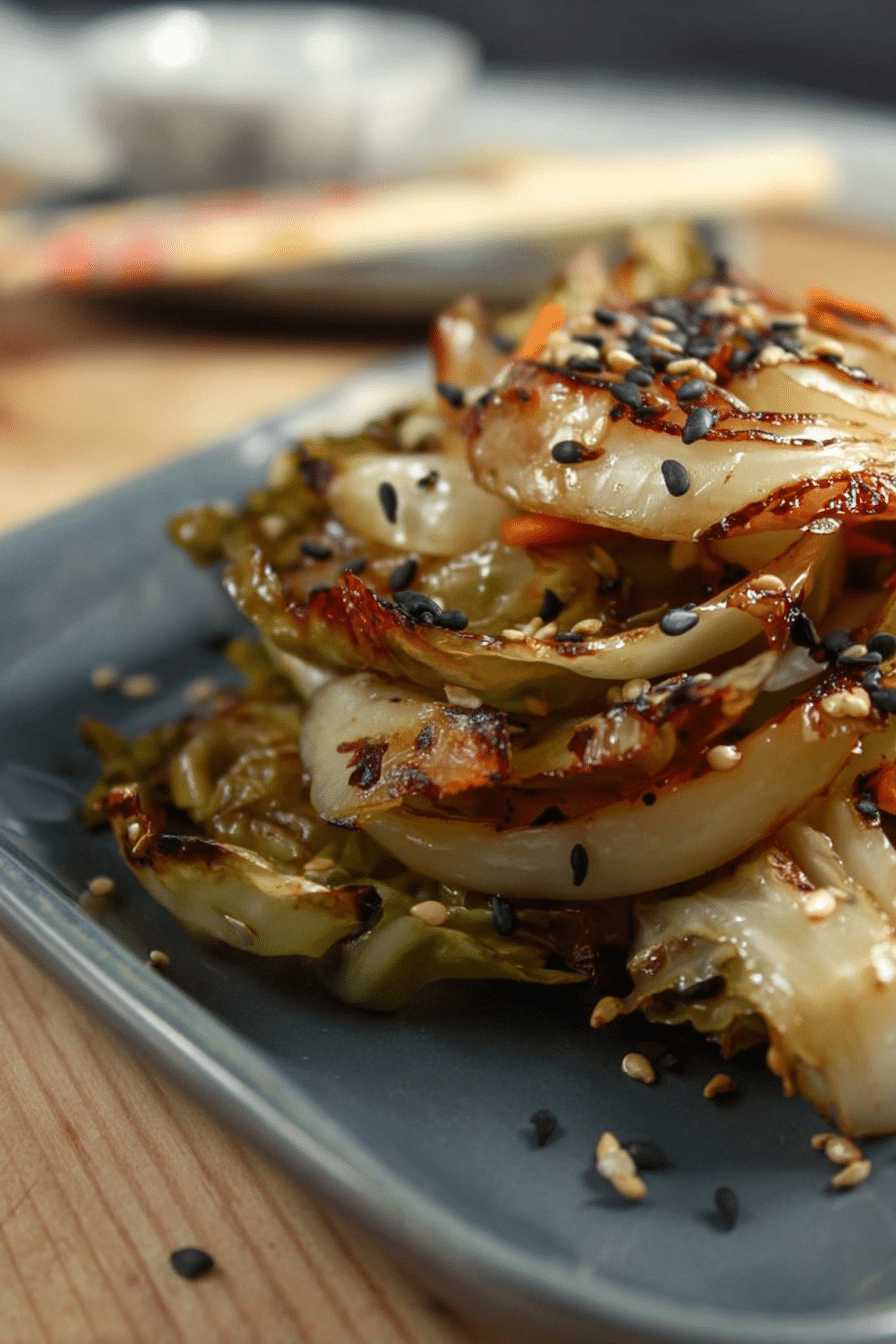
- When it has turned from green to a yellow-brown color with some crispy pieces, it's done!
- Serve as a main dish to split between 2 people, or as a side to split between 4-6 people.
- Alternatively, if you would like to bake the cabbage in the oven, you can line a baking sheet (or multiple sheets) with aluminum foil and bake for 30 minutes or until most of the cabbage has softened and browned.