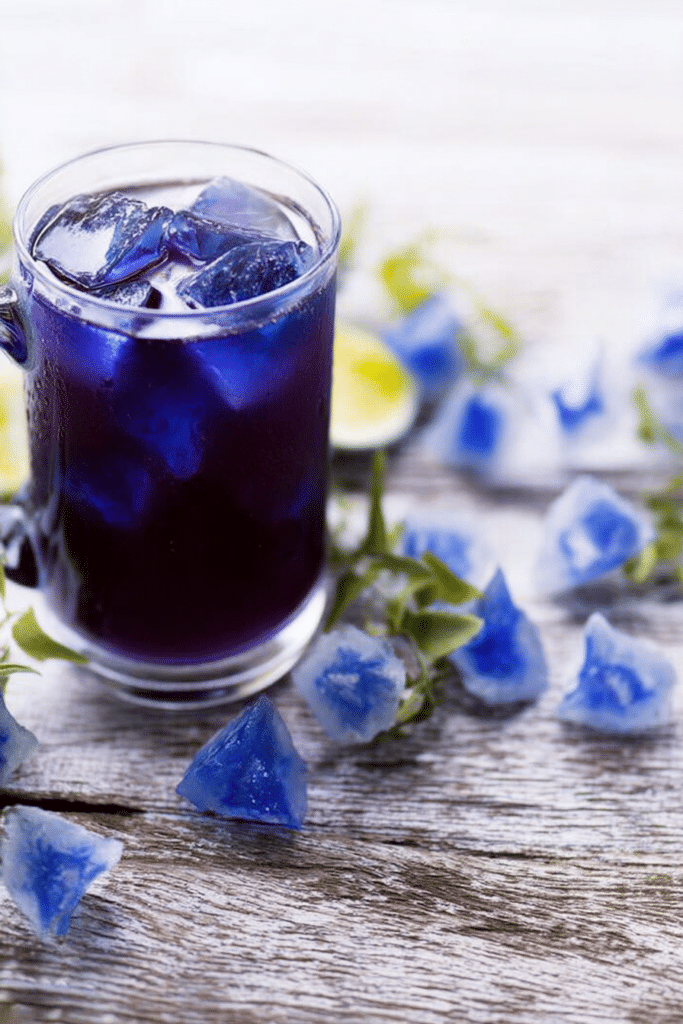
I remember the first time I served a pitcher of iced blue tea at a summer get-together in my backyard. The color stopped conversations: friends paused mid-sip to admire the vibrant azure, while the floral aroma—soft chamomile, lemongrass and rose—floated across the table. I kept the prep simple so I could focus on the presentation, and the result felt both elegant and effortless.
I make this iced blue tea when I want a crowd-pleasing cooler that looks as good as it tastes. In my kitchen I balance a delicate blue infusion made from butterfly pea flower blend with a brisk English Breakfast base, bright lemon juice, and just enough sweetness. The contrast—floral and vegetal notes against a robust black tea backbone—makes it an unexpected favourite every time.
For parties I think visually: a clear glass pitcher, thin lemon wheels, a scatter of rose petals or edible flowers, and ice made from brewed tea so the color and flavor stay intense. Guests often ask for the recipe; what I love most is how adaptable it is—you can keep it bright and simple or dress it up into a show-stopping refresher for a hot afternoon or an evening soiree.
Below I’ll walk you through everything you need, why that intense blue happens, how to balance the flavors, and several styling and make-ahead tips so your pitcher looks impeccable and tastes even better.
Why this Iced Blue Tea Is Perfect for Parties
This drink is a party win because it delivers on three things guests notice first: appearance, aroma and refreshment.
- Visual impact: The vivid blue immediately elevates any beverage table. A pitcher of deep indigo or sky-blue tea draws eyes and frames the whole spread.
- Floral aroma: The blend of butterfly pea with chamomile, lemongrass and rose petals gives a layered fragrance—sweet, herbaceous and gently floral—that guests comment on before they even taste it.
- Versatility: It works from poolside daytime events to chic evening gatherings; add sparkling water or a splash of spirit to suit the occasion.
Everything You Need for Iced Blue Tea
High-quality ingredients and a couple of simple tools make a big difference. Here’s how I think about each component and where to source the essentials.
- Blue Tea (butterfly pea flower blend) – The star for color and floral notes; look for dried whole flowers or a composed blue tea that includes chamomile, lemongrass, rose petals and moringa. Sourcing tip: buy from reputable specialty tea shops, health-food stores, or established online tea retailers; choose organic when possible and prefer whole petals over dusty blends.
- English Breakfast Tea – Provides the robust, malty backbone that prevents the drink from tasting one-dimensional. Choose a full-leaf black tea for cleaner flavor.
- Lemon Juice – Freshly squeezed for brightness and to trigger the color shift if you want a purple-pink gradient; fresh juice tastes cleaner than bottled.
- Sugar Syrup – A neutral sweetener that blends smoothly into cold drinks. For parties I prepare a simple syrup so sweetness disperses evenly.
- Crushed Ice (or ice molds) – Consider clear or decorative ice molds (ice spheres or large blocks) to slow dilution; I often freeze brewed tea into ice cubes to preserve color and strength as they melt.
- Equipment – A heatproof pitcher or large jar for steeping, a fine mesh strainer, a stirring spoon, and pretty serving glassware. For presentation, edible flowers and thin citrus slices make a big impression.
Why Butterfly Pea Flower Turns Tea Blue (and Its Benefits)
Butterfly pea (Clitoria ternatea) owes its brilliant blue to anthocyanin pigments—same family as the pigments in berries but expressed here as deep blue. Those pigments react to pH: when you add acid like lemon juice the tea shifts toward purple and pink, which makes color play part of the experience.
- Sensory note: watch the liquid change color before your eyes—this visual transformation is always a crowd-pleaser.
- Potential benefits: Butterfly pea flower is rich in antioxidants. Traditional uses include supporting cognitive health and providing mild anti-inflammatory and stress-relieving effects. It’s also caffeine-free when used on its own, making it a good base for daytime sipping.
- Interactive touch: offer a slice of lemon at the table so guests can see the blush of purple when acid hits the blue for a fun, interactive serving moment.
Balancing Flavors: Lemon, English Breakfast & Sweetness
Balance is the reason this tea feels sophisticated rather than gimmicky. Here’s how to think about the interplay of components.
- Tartness vs. floral – Lemon cuts through the floral sweetness and adds lift. Add lemon slowly and taste, because the acidity also changes the color.
- Black tea’s role – English Breakfast brings tannins and warmth that anchor the floral notes, preventing the drink from tasting too faint or purely floral.
- Sweetness control – Use a syrup so sweetness is even. Offer a lower-sugar base and keep extra syrup on the side for guests who want it sweeter; this preserves the tea’s clarity and keeps it refreshing.
- Tasting technique – When you compose the pitcher, stir and taste between additions. Small changes to acid or sugar have outsized effects on both flavor and color.
Styling & Garnish Ideas for a Show-Stopping Pitcher
Presentation makes people reach for the drink before they even taste it. I use simple, deliberate styling choices that photograph well and travel easily across party tables.
- Glassware: use clear, tall pitchers so the blue is uninterrupted. For individual servings, thin-walled tumblers or stemmed glasses let the color sing.
- Garnishes: float thin lemon wheels, edible flowers (rose petals or pansies) and a few whole butterfly pea flowers for texture and contrast.
- Ice tricks: freeze lemon slices or edible flowers inside large ice molds so the cubes look bespoke and melt without diluting flavor immediately.
- Table styling: place the pitcher on a tray with a bowl of extra lemon wedges and a small syrup carafe so guests can customize sweetness and acidity at the table.
How to Make Iced Blue Tea (Step-by-Step)
- Steep the blue tea: pour hot (not boiling) water over the butterfly pea flower blend and steep until the water is richly blue—this usually takes a few minutes; strain and set aside to cool slightly.
- Steep the English Breakfast: brew the black tea in a separate small batch with hot water for the recommended short steep to avoid excessive bitterness; strain and cool.
- Combine liquids: in your pitcher, add fresh lemon juice and sugar syrup first, then pour in the cooled blue infusion followed by the English Breakfast. Stir gently to blend.
- Ice and serve: add crushed ice or tea ice cubes and stir briefly. Taste and adjust acidity or sweetness if needed. Garnish with a slit lemon and edible flowers before serving.
- Troubleshooting (I speak from experience):
- If the black tea tastes bitter, I find it’s usually from oversteeping or water that was too hot—restart with a shorter steep at slightly lower temperature.
- If the blue is pale, increase steep time or use slightly more butterfly pea flowers next batch; avoid boiling water which can flatten delicate floral notes.
- If the drink dilutes too quickly, I freeze brewed blue tea into large ice cubes—this keeps the color and flavor steady as the ice melts.
Pro Tip for iced blue tea recipe: Sourcing Butterfly Pea & Sugar-Free Swaps
- Butterfly pea sourcing: I buy whole dried flowers from specialty tea merchants or trusted online sellers—look for deep-blue petals that aren’t dusty. Organic options reduce pesticide concerns and whole petals give a cleaner infusion than powders.
- Storage tip: keep dried flowers in an airtight container away from light to preserve color and aroma.
- Sugar-free swaps: use erythritol, monk fruit, or a liquid stevia concentrate to replace simple syrup; taste as you go because sweetness intensity varies between substitutes.
- Concentrated syrup for parties: make a sugar-free syrup by dissolving your alternative sweetener into hot water so it blends evenly into cold drinks.
How to Store, Make-Ahead & Scale Iced Blue Tea for Parties
Planning ahead preserves both the visual impact and the flavor. My approach separates components until service to keep everything vibrant.
- Make-ahead: brew the blue infusion and the English Breakfast, cool, then refrigerate each in airtight containers. Keep lemon juice and syrup separate until serving.
- Storage window: stored this way, the brewed teas keep well for 2–3 days in the fridge; fresh lemon juice is best used within 24–48 hours.
- Scaling: scale the brewed tea and syrup proportionally. For large batches, steep in multiple vessels for even extraction, or use a large heatproof container and strain into pitchers for service.
- Pouring at the party: assemble the pitcher shortly before guests arrive and add ice last to prevent quick dilution. Offer extra syrup and lemon on the side so guests can customize.
Variations and Customizations of Iced Blue Tea
- Herbal twist: add a sprig of mint or basil to the pitcher for a green herbal lift.
- Fruit-forward: muddle a few berries or add a splash of sea buckthorn juice to introduce tart fruit notes and a warm orange hue mixed with the blue.
- Sparkling version: top individual glasses with chilled sparkling water for a fizzy refresher—add it at the table to preserve fizz.
- Alcoholic options: pair with a light gin or a floral vodka for an elegant cocktail; keep a non-alcoholic pitcher for guests who prefer it sober.
- Color play: to make layered drinks, pour a denser syrup or juice slowly over the back of a spoon; or let guests add lemon at the table to watch the blue shift toward purple.
Serve this iced blue tea in clear glassware with a few decorative ice cubes and a scatter of edible petals. It’s an easy, show-stopping beverage that reads festive and refined on any table.
Frequently Asked Questions
What is blue tea made of?
Blue tea is made from a blend of Butterfly Pea Flower, Chamomile, Lemongrass, Moringa, Sea Buckthorn, and Rose Petals combined with Green Tea for a floral aroma and unique flavor.
Can I use fresh lemon juice?
Absolutely! Fresh lemon juice enhances the flavor of the iced blue tea and adds a refreshing citrusy twist.
How can I make this recipe sugar-free?
You can use a sugar substitute like stevia or erythritol in place of sugar syrup to make a delicious sugar-free version.
How do I store leftover iced blue tea?
Store any leftover iced blue tea in an airtight container in the refrigerator for up to 2-3 days.
What is the best way to serve iced blue tea at a party?
Serve iced blue tea in a large pitcher with plenty of ice and garnish with lemon slices or edible flowers for a visually stunning presentation!
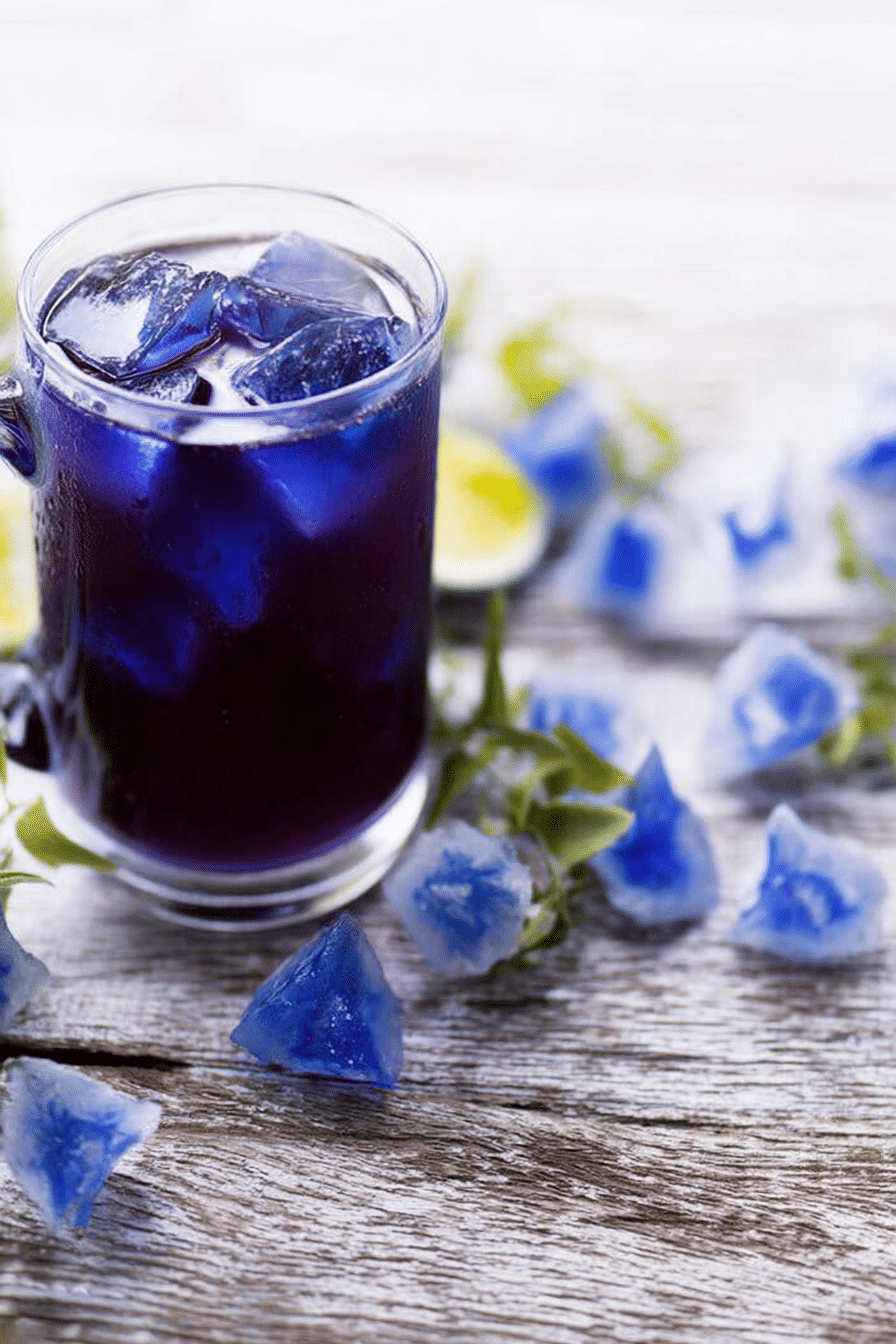
Iced Blue Tea Recipe
Ingredients
Method
- Put 1 tbsp Blue tea in 100 ml hot water. Steep for 4-5 minutes till the blue color is infused in the water and then strain. Place aside and let it cool for 15 minutes.
- Pour 1 tbsp English Breakfast tea in 50 ml hot water. Steep for 3-4 minutes and then strain. Place aside and let it cool for 15 minutes.
- Pour the lemon juice into the glass of your choice.
- Then add the sugar syrup into the glass.
- Pour the strained Blue tea as well as English Breakfast tea into the glass.
- Throw the crushed ice into the cold tea blend and stir well with a tea bar spoon.
- Garnish it with a slit lemon and serve.