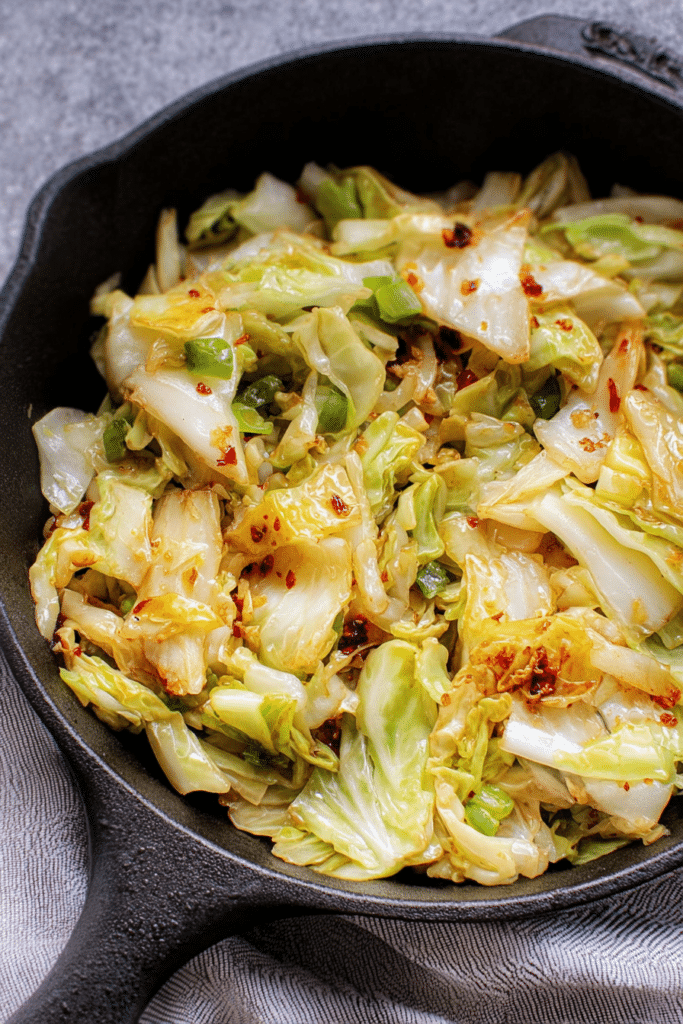
I make this japanese cabbage any time I want a fast, bright side that feels thoughtful without slowing dinner down. In my kitchen I reach for a head of crisp cabbage and a couple of pantry staples, and ten minutes later the whole house smells like sesame and caramelized garlic. It’s one of those dishes I return to when time is short but I still want something satisfying.
What I like most is how forgiving it is: the cabbage holds up to high heat, the aromatics brown quickly, and the sauce is short but powerful. I’ve cooked this dozens of times and learned a few small tricks that keep the cabbage crisp at the center and deeply flavored at the edges.
If you’re juggling work or family dinners, this is the kind of side you can put together while the main protein rests or rice finishes steaming. It pairs with grilled meats, quick pan-fried fish, or just a bowl of plain rice and a fried egg on top.
You’ll hear the garlic crackle as the cabbage hits the skillet, smell the soy deepen into that savory umami, and see the outer leaves pick up a little color while the inside stays tender-crisp — exactly the texture you want from a speedy vegetable side.
Why this Japanese cabbage is perfect for busy weeknights
This recipe is built for speed and simplicity. Cooking time is short, the ingredient list is minimal, and most items are pantry staples. You can have a flavorful side ready in the same time it takes to cook rice or heat a store-bought protein.
- Cooking time is under 20 minutes, so it fits into tight weeknight schedules.
- Minimal ingredients that you likely already have — garlic, soy, a sweetener (mirin or a substitute), and sesame oil.
- Very versatile: it complements grilled or pan-seared proteins, and works as a quick veg side or tossed with tofu to make a simple main.
Everything You Need for Japanese Cabbage
Measure precisely for consistent results, and use the freshest produce you can find. Below are the ingredients and tools I rely on; I list each ingredient with its purpose and easy swaps so you can adapt what you have on hand. Keep your knife sharp — a clean cut helps the cabbage shred evenly.
- White or green cabbage – The backbone of the dish; shreds hold texture under high heat. Napa works for a softer result.
- Olive oil (or neutral oil) – For quick, hot sautéing; neutral oil gives a cleaner sesame finish if you prefer.
- Garlic – Adds aromatic depth; finely chopped so it browns quickly without burning.
- Soy sauce – Provides primary savory umami and seasoning.
- Mirin (or a sweet substitute) – Balances savory notes with gentle sweetness and helps caramelize edges.
- Sesame oil – Finishing oil for toasted, nutty aroma; added at the end for brightness.
- Optional toppings – Chili crisp for heat, chopped chives or green onions for freshness.
- Tools – A large skillet or wok for even searing, a sharp chef’s knife or mandoline for even shredding, and a spatula for quick stirring.
The one ingredient that makes it irresistibly umami
Soy sauce paired with mirin is the duo that turns plain cabbage into something savory and rounded. Soy contributes glutamates that our brains read as umami; mirin adds a touch of sweetness and a slight glaze that makes the edges glossy and caramelized.
For japanese cabbage, that savory-sweet balance is key — it keeps the flavor interesting without needing a long sauce. If you need a gluten-free option, choose tamari. If you’re watching sodium, use a low-sodium soy or dilute with a splash of water and add a pinch of sweetener to retain balance.
How to get crisp-tender cabbage every time
High heat is your friend here: it drives off surface moisture quickly so the leaves brown slightly while the inside remains crunchy. Timing and the order you add ingredients matter — garlic first for aroma, cabbage next to sear, sauce at the end to finish without turning the cabbage soggy.
- Use a hot, large skillet so the cabbage spreads out and steams off quickly instead of stewing.
- Add a pinch of salt early to help draw out a little moisture, then let the cabbage sit for short intervals to brown.
- Stir often but not constantly — brief rests let the edges color, which adds flavor.
Troubleshooting — common mistakes and fixes (presented as a bulleted list):
- If the cabbage turns floppy, I usually blame low heat or overcrowding; flash-cook in batches or raise the heat.
- If garlic burns, I start over with fresh oil and lower the initial heat slightly; add the cabbage sooner next time.
- If the final dish tastes flat, add a small splash more soy or a tiny pinch of sugar to lift the flavors.
How to Make Japanese Cabbage (Step-by-Step)
- Heat a large skillet over high heat until very hot, then add the cooking oil and swirl to coat the pan.
- Add the chopped garlic and cook just until fragrant, about a few seconds; don’t let it brown too much.
- Toss in the shredded cabbage, season lightly with salt, and let it sit undisturbed for a short burst to get a little color.
- Stir and reduce the heat to medium-high; cook, stirring often, until the cabbage is bright and mostly tender but still has snap.
- Add the soy, mirin (or substitute), and sesame oil, toss to combine, and cook for another minute so the sauce coats the cabbage.
- Finish with chili crisp or chopped chives if you like, then serve immediately while warm and slightly glossy.
For a quick side dish, consider pairing your Japanese cabbage with our delicious tuna cakes with spicy mayo.
Note to writers: The Pro-Tips, Troubleshooting, and Variations sections are presented as bulleted lists for quick scanning.
Quick variations: turn it into a salad, pickle, or stir-fry
- Quick salad: Toss blanched or raw shredded cabbage with a light sesame-ginger vinaigrette, add shredded carrot and toasted sesame seeds for crunch.
- Light pickle: Mix rice vinegar, a bit of sugar, and salt; pour over shredded cabbage and let sit briefly for a tangy side.
- Protein stir-fry: Add cubes of tofu, thinly sliced chicken, or shrimp during the last minute of cooking to make a full meal.
Try our cabbage stir fry for another quick and flavorful preparation of cabbage.
Pro Tip for Japanese cabbage: Marinate briefly for extra crunch
- Dress shredded cabbage with a splash of rice vinegar and a pinch of salt for 10–15 minutes before cooking — it firms the texture and adds brightness.
- Try alternate marinades: a light soy-sesame mix, or a citrus-based dressing for a fresher finish.
- When in doubt, add the finishing sesame oil off heat so the aroma remains vibrant.
For more exciting cabbage flavors, check out our recipe for fried cabbage with sausage.
How to Store, Reheat, and Make-Ahead Japanese Cabbage
Store leftovers in an airtight container in the refrigerator to keep the texture as good as possible. Plan to eat within a few days for best flavor.
- Reheat gently in a skillet over medium heat so moisture escapes and the cabbage doesn’t go mushy; avoid microwaving for long periods.
- To make ahead: cook the cabbage almost to the desired doneness, cool quickly, and refrigerate; finish in a hot skillet for a minute when ready to serve.
- If you expect leftovers, leave toppings like chives and chili crisp off until serving to preserve texture.
Nutritional Benefits of Japanese Cabbage
japanese cabbage is low in calories and high in fiber and vitamin C, making it a great vegetable to stretch a meal without adding much fat. The fiber supports digestion, and the vitamins and antioxidants help round out a balanced plate.
If you’re watching calories or carbs, this side is a smart swap for heavier vegetable preparations. Pair it with lean proteins for a satisfying, nutrient-forward meal.
Another nutritious way to enjoy cabbage is through our cabbage roll casserole, packed with flavor and nutrients.
Simple, fast, and reliably tasty — that’s how I think of this japanese cabbage. It’s one of those small dishes that makes a weeknight meal feel complete. Try the quick marinate trick if you want extra crunch, and don’t be afraid to toss in leftover protein at the end to make it the main event.
Frequently Asked Questions
Can I use other types of cabbage for this recipe?
Yes, you can use other types of cabbage such as green cabbage or Napa cabbage. Each will bring a slightly different texture and flavor, but they will all work well in this recipe!
How can I make this dish vegetarian or vegan?
To make this dish vegetarian or vegan, simply replace the honey in the mirin substitute with agave syrup or another vegan sweetener!
What can I serve with Japanese cabbage?
Japanese cabbage makes a great side dish for any Asian-inspired meal, including stir-fries, grilled meats, or even rice dishes. It pairs well with tofu for a vegetarian option too!
How do I store leftovers?
Store any leftovers in an airtight container in the refrigerator for up to 3 days. To reheat, simply sauté in a skillet over medium heat until warmed through.
Can I add protein to this dish?
Absolutely! You can easily add cooked chicken, shrimp, or tofu to this dish to make it a complete meal. Just toss them in during the last minute of cooking!
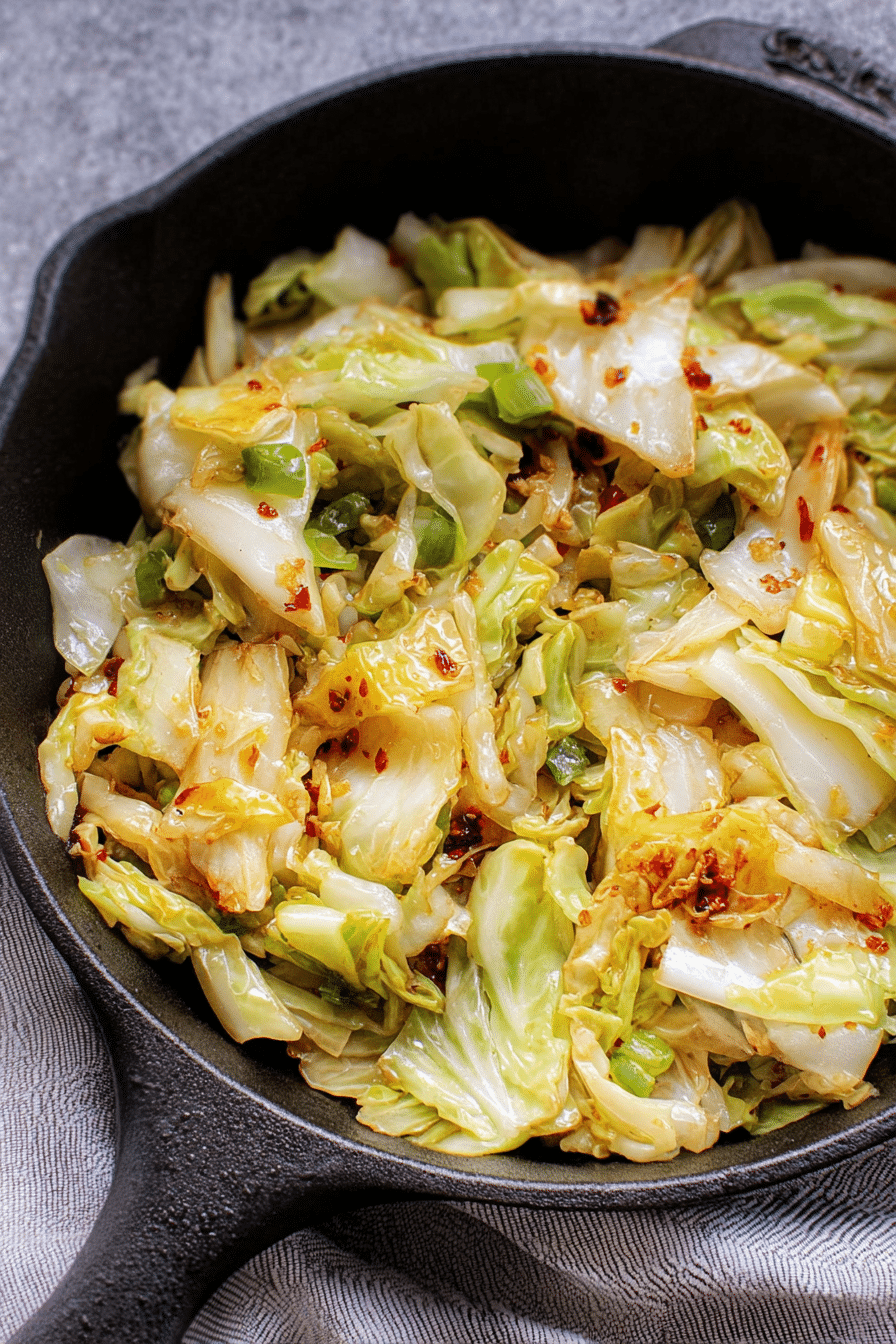
Japanese Cabbage with Soy & Mirin
Ingredients
Method
- Heat oil in a large skillet over high heat.
- Add garlic, cook 10–15 seconds.
- Add cabbage, season with a pinch of salt. Let sit 30 seconds.
- Stir, lower to medium-high. Cook for 2 minutes, stirring often.
- Add soy sauce, mirin, sesame oil. Stir and cook 1 more minute.
- Top with chili crisp and chives, if using.