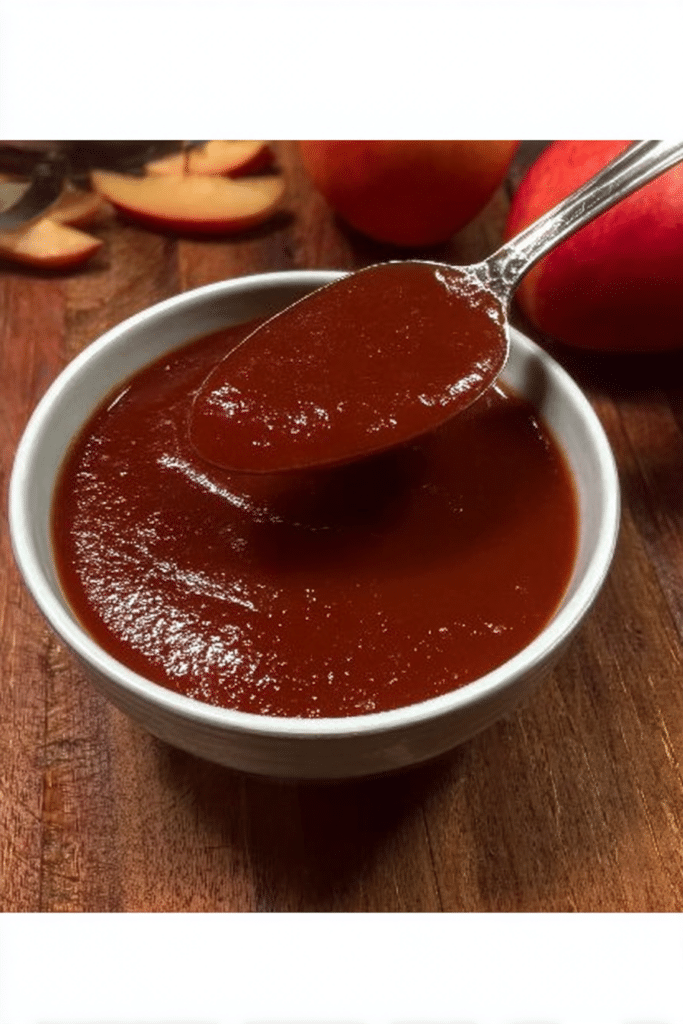
I make this nectarine barbecue sauce all summer long because it’s quick, bright, and forgiving. In my kitchen it started as an experiment when the peaches were scarce and a bushel of nectarines insisted on a purpose. Ten minutes of prep and a half hour on the stove give you a glossy, slightly caramelized sauce that clings to grilled chicken, pork ribs, or roasted vegetables.
What I love most is how the fruit keeps the sauce lively — not cloying — and how the Worcestershire and a strip of orange peel lend a faint savory and citrus backbeat. The first time I caramelized the nectarines a little before adding the vinegar, the sauce deepened in color and gained that lightly smoky edge that makes people keep reaching for seconds.
I’m writing this for busy cooks who want flavor without fuss. You won’t need fancy equipment — just a pan, a spoon, and something to blend the sauce smooth. Keep tasting as you go: a little more heat or a touch more sugar is all it takes to make the sauce suit your crowd.
When I bring this to a backyard cookout I often warm a small pot and set it out with skewers and bowls of grilled veg. The scent — bright stone fruit with garlic and a hint of smoke — always gets compliments before the first bite.
Everything You Need for Nectarine Barbecue Sauce
Below I describe the ingredients conversationally so you understand each one’s role and possible swaps. When you read this, picture the bright orange flesh of ripe nectarines and the glossy, deep-red finish of the finished sauce.
- Nectarines – The starring sweet‑tart fruit; use ripe, fragrant ones for the best flavor. Canned nectarines can work in a pinch but they’ll dilute texture and brightness.
- Tomato paste – Provides body, color, and that tomato backbone you expect in a barbecue sauce; you can use concentrated tomato purée if that’s what you have.
- Apple cider vinegar – Brings tang and balance; white vinegar is a sharper swap, while rice vinegar will be milder.
- Brown sugar – Adds depth and a molasses note; for a less sweet version try coconut sugar or a sugar substitute designed for cooking.
- Worcestershire sauce – Gives savory umami and a touch of anchovy complexity; use a vegan Worcestershire if you need the sauce to be plant‑based.
- Garlic – Fresh minced garlic brightens the sauce; garlic powder can substitute but the flavor is less immediate.
- Hot sauce – The easiest way to add heat; swap in chopped chiles or cayenne for a different spicy profile.
- Orange peel – A thin strip or fine julienne adds bright citrus oils that lift the fruitiness; lemon zest can be used if you prefer a sharper note.
- Salt & black pepper – Essential seasoning for balance; add gradually and taste as you go.
- Tools – A medium saucepan, a wooden spoon, and an immersion blender make this fastest. If you don’t have an immersion blender, a countertop blender works fine (cool the mixture slightly first).
Why fresh nectarines make a difference
When nectarines are in season they perfume the kitchen with a floral, honeyed aroma that canned fruit can’t match. Fresh fruit contributes brighter acidity and a cleaner sweetness; that translates into a sauce that tastes lively rather than syrupy.
If you must use canned nectarines, drain them well and reduce the sauce a touch longer to concentrate flavor — but expect a softer texture and less aromatic lift. Fresh fruit also gives you the chance to caramelize edges during cooking, which adds color and a subtle smoky-sweet depth.
The secret to a smooth, glossy barbecue sauce
The trick is patient simmering and finishing with a quick blend. Slow simmering lets the nectarine sugars break down and mingle with the tomato paste and vinegar; a little time at low heat encourages gentle caramelization without burning.
- Start with medium heat to soften the fruit and let its juices release, then reduce to a low simmer so flavors concentrate without scorching.
- Stir occasionally, scraping the bottom so the tomato paste won’t stick; when you see color deepen and the sauce thicken, you’re on the right track.
- Use an immersion blender to keep the sauce fresh-tasting and silky; it crushes the fruit into a glossy finish without overworking the texture.
How to adjust sweetness and heat quickly
Taste as you go — that’s the lifeline for quick adjustments. Remember the sauce will mellow slightly as it cools, so aim for a little more brightness and heat than you want at serving temperature.
- If the sauce is too tart, stir in a touch more brown sugar or a drizzle of honey for a rounded sweetness.
- To increase heat quickly, add a splash of your favorite hot sauce or a pinch of red pepper flakes; fresh chopped chiles will build layered heat if you have time to simmer them in.
- For deeper flavor without more sweetness, add a dash more Worcestershire or a tiny splash of soy sauce (for a gluten-free version use tamari).
- If it’s too sweet, brighten with a bit more apple cider vinegar or a squeeze of fresh lemon.
How to Make Nectarine Barbecue Sauce (Step-by-Step)
- Prepare the fruit: peel, pit, and dice the nectarines so they break down quickly when they hit the pan.
- Combine fruit, tomato paste, and vinegar in a medium saucepan; stir to evenly coat the fruit with the paste.
- Add brown sugar, minced garlic, Worcestershire sauce, hot sauce, and the orange peel; stir so everything is distributed.
- Bring the pan up to a gentle boil over medium heat, stirring occasionally so the bottom doesn’t stick.
- Reduce the heat to low and let the mixture simmer for about thirty minutes, stirring every few minutes and scraping the pan as needed so it caramelizes slightly instead of burning.
- Remove the pan from the heat and use an immersion blender to purée until smooth; if you’re using a regular blender, cool briefly and blend in batches.
- Taste and adjust seasoning — add salt, pepper, extra sugar, or heat until it suits your palate — then cool to room temperature before bottling.
Pro Tip for nectarine barbecue sauce: Turn it spicy, vegan, or low‑sugar
- Spicy: I like to add finely chopped fresh jalapeño or a spoonful of chipotle in adobo for smoky heat. You can increase hot sauce gradually to avoid overpowering the fruit.
- Vegan: Swap in a vegan Worcestershire (made without anchovies) or use extra soy/tamari and a splash of miso for umami depth.
- Low‑sugar: I reduce the brown sugar and add a touch of stevia or erythritol designed for cooking; also lengthen the simmer to concentrate the fruit so you rely less on added sweeteners.
How to Store, Make-Ahead, and Use Nectarine Barbecue Sauce
Store your sauce in a clean jar in the refrigerator and it will keep for up to two weeks. For longer storage, freeze in small portions — I like freezing in ice cube trays so I can thaw just what I need.
If you plan to keep jars longer, sterilize them by boiling the jars and lids for 10 minutes before filling with hot sauce and sealing. Reheat gently before serving; a warm sauce clings better to grilled foods and wakes up the aromatics.
Pairing Suggestions
This sauce plays well across proteins and vegetables — bright enough for seafood, rich enough for pork, and lively when paired with grilled vegetables or sandwiches.
- Grilled chicken or pork ribs are classic partners; try serving on skewers or brushing onto ribs in the last stage of grilling for a glossy finish. For a complete cookout, try serving the sauce with grilled chicken skewers.
- Vegetarian option: toss with charred vegetables or glaze thick slices of grilled eggplant for a meaty texture; it also makes a great dip for roasted carrots — this nectarine barbecue sauce pairs wonderfully with honey garlic roasted baby carrots.
- For fusion ideas, spread a little on flatbreads or inside gyros for a fruit-forward counterpoint to rich fillings — enhance your barbecue experience by adding this sauce to Mediterranean chicken gyros.
Variations and Troubleshooting
- Try adding grated fresh ginger for a warming spice and a little bite; if the sauce tastes flat, a splash more vinegar often wakes it up.
- If the sauce is too thick, thin with a small amount of water or extra vinegar and reheat briefly until incorporated; if it’s too thin, simmer uncovered until it reduces and glosses.
- If the sauce lacks depth, I sometimes stir in a little extra Worcestershire or a teaspoon of smoked paprika to bring smoky notes forward.
- Feeling adventurous? Incorporate your nectarine barbecue sauce into slow cooker pineapple barbecue meatballs for a sweet-and-smoky twist.
- When seasoning, add salt a little at a time — fruit can mask saltness until the sauce cools, so re-taste at room temperature before final adjustments. I also keep a small bowl of extra hot sauce on the side for guests who like things fiery.
Frequently Asked Questions
How long does it take to make nectarine barbecue sauce?
The total time to make this nectarine barbecue sauce is about 40 minutes, including 10 minutes of preparation and 30 minutes of cooking.
Can I use canned nectarines instead of fresh ones?
While fresh nectarines provide the best flavor and texture, you can substitute canned nectarines in a pinch. Just make sure to drain excess liquid before using them.
How should I store the nectarine barbecue sauce?
Store the sauce in a clean jar or bottle in the refrigerator. It will last for up to two weeks.
What if I want a spicier barbecue sauce?
You can easily turn up the heat by adding more hot sauce or finely chopped fresh chili peppers to the sauce during cooking.
What dishes pair well with this nectarine barbecue sauce?
This sauce is great on grilled meats, burgers, or as a dipping sauce for veggies. It also complements salads and grilled sandwiches well!
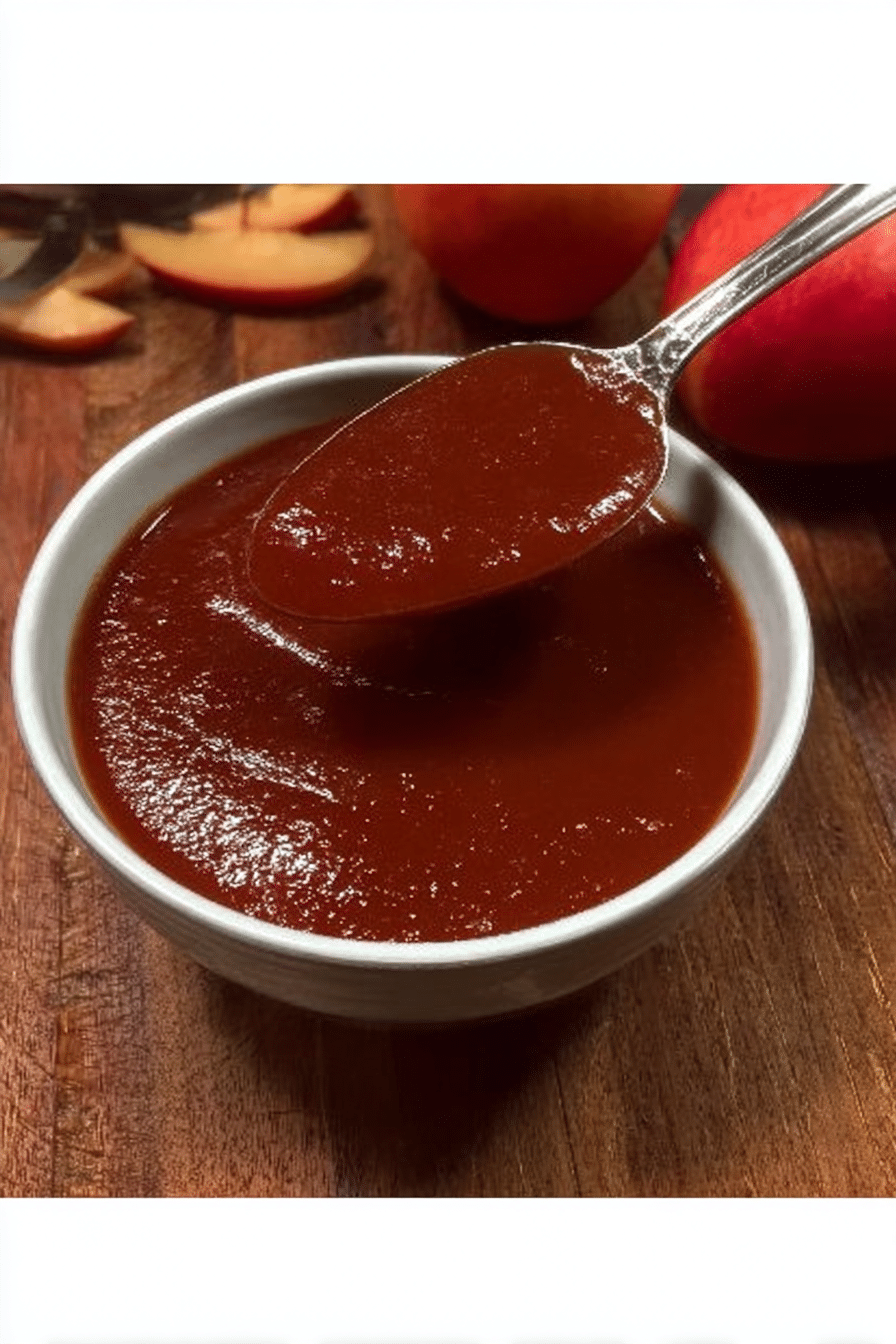
Nectarine Barbecue Sauce
Ingredients
Method
- Begin by peeling and pitting the nectarines. Dice them into small pieces.
- In a medium saucepan, combine the diced nectarines, tomato paste, apple cider vinegar, and brown sugar.
- Stir well to mix the ingredients thoroughly.
- Add the minced garlic, Worcestershire sauce, finely grated orange peel, hot sauce, salt and black pepper to the pan.
- Stir to combine all the ingredients evenly.
- Place the saucepan over medium heat and bring the mixture to a gentle boil, stirring occasionally.
- Once boiling, reduce the heat to low and let it simmer for about 30 minutes.
- After 30 minutes, the nectarines should be soft and the sauce thickened. Remove the saucepan from the heat.
- Using an immersion blender, blend the sauce until smooth.
- Taste the sauce and adjust seasoning if necessary.
- Let the sauce cool to room temperature, then transfer it to a clean jar or bottle.