Tags
- Prep
- 20 min
- Cook
- 32 min
- Total
- 52 min
- Serves
- 3
- Calories
- 438 kcal
- Protein
- 26.00 g
- Carbs
- 26.00 g
- Fat
- 26.00 g
Introduction
I made this veal parmigiana on a rainy Sunday afternoon for a small family dinner, and the kitchen smelled like caramelized garlic and warm tomato within minutes. Growing up, veal parmigiana was the dish you brought to potlucks — rich, comforting, and slightly indulgent. It’s the kind of dish that turns a weeknight into a celebration without a mess of complicated steps. In my kitchen the first time I tried this exact method I noticed the veal stayed tender while the crust stayed crispy after baking — that’s what convinced me to write this down for you. Veal parmigiana (veal parmigiana or veal parmesan) is an Italian-American classic — thin veal cutlets are breaded, pan-fried until golden, topped with tomato sauce and cheese, then baked so everything becomes glossy and bubbly. There’s a long family-style history behind it: Italian immigrants adapted pantry ingredients, and the result is this hybrid comfort food that’s now found on both Italian restaurant menus and Sunday tables across the world. In this post I’ll walk you through sourcing the best veal, exact steps I use at home, common mistakes I’ve made (and fixed), plus plenty of sensory notes so your first—or fiftieth—attempt turns out great.Ingredients Needed for Veal Parmigiana
Below are the ingredients discussed in a conversational way and then the full measured list follows so you can prep precisely. I always lay everything out before I start cooking — it saves frantic last-minute rummaging.- Veal cutlets – thin slices that become tender when pounded; choose cutlets that are fresh-looking with a pale pink color.
- Olive oil – a drizzle for frying and sautéing; it brings fruitiness to the garlic and helps crisp the crumbs.
- Egg – acts as the glue in the breading station and helps the crumbs cling evenly.
- Flour – a light dusting gives the egg something to tack to and prevents the breading from sliding off.
- Italian breadcrumbs – seasoned crumbs give texture and flavor; panko is an option for extra crunch.
- Tomato sauce – use a simple marinara or jarred tomato sauce for ease; you want it bright, not overly sweet.
- Garlic – minced; it softens and becomes sweet as it heats in oil, forming the aromatic base of the sauce.
- Onion – finely minced for body in the sauce; it melts down and rounds out the acidity of tomatoes.
- Mozzarella – thin slices that melt into a gooey blanket over the veal.
- Parmesan cheese – freshly grated for a nutty finish and golden crust.
- Italian seasoning – dried herbs to season the sauce and crumbs; oregano and basil are classic.
- Sea salt and black pepper – essential for seasoning at multiple points so the final dish isn’t flat.
- Italian parsley – optional garnish that adds brightness and color to the finished plate.
- 1/2 lb veal cutlet (select thin cutlets)
- 4 tbsp olive oil (split plus additional if needed)
- 1 egg (whisked or beaten)
- 1/4 cup flour
- 1/3 cup Italian bread crumbs
- 1 cup tomato sauce (plus additional if you prefer more tomato sauce)
- 5 cloves garlic (minced)
- 1/2 small onion (finely minced)
- 6 slices mozzarella cheese (thin slices)
- 1/4 cup Parmesan cheese (freshly grated)
- 1 tsp Italian seasoning
- 3/4 tsp sea salt (split plus additional if desired)
- 3/4 tsp black pepper (split plus additional if desired)
- Italian parsley (optional garnish)
Step-by-Step Instructions
I write these steps in the order I actually cook them at home. I keep a baking tray, paper towels, and a spatula nearby — those small conveniences prevent burns and stress.- Preheat your oven to 350°F. While it warms, check your cutlets: you want them to be about a quarter-inch thick. If they’re thicker, place them between two sheets of plastic wrap and pound gently with a meat mallet until even. This tenderizes the veal and ensures even cooking.
- Season the meat lightly at this stage with a pinch of salt and pepper. I usually use half the salt and pepper I plan to finish with so the seasoning layers instead of over-salting right away.
- Set up your breading station: a shallow bowl of flour (seasoned with a little salt and pepper), a bowl with the beaten egg, and a bowl of Italian-seasoned breadcrumbs. Work in that order: flour, egg, then breadcrumbs. The flour gives the egg something to adhere to, and the egg binds the crumbs so they form an even coating.
- Dredge each cutlet in the flour, shake off the excess, dip into the egg letting the extra drip away, then press into the breadcrumbs so you get a uniform crust. I press the crumbs with two fingers to make sure they adhere — you want plenty of contact without compressing the meat too much.
- Heat about 3 tablespoons of olive oil in a large skillet (cast iron is great here) over medium-high heat. Test the oil by slipping in a tiny breadcrumb — it should sizzle immediately but not smoke. Add the breaded cutlets to the hot oil, taking care not to crowd the pan. Fry until golden brown, roughly 2–3 minutes per side. If the oil looks too dry partway through, add a splash more olive oil. Transfer browned cutlets to a plate lined with paper towels to remove excess oil.
- Wipe out the skillet carefully (it will be hot — use a towel or paper towels). Add the remaining olive oil and reduce the heat to medium. Sauté the minced garlic and onion until softened and fragrant, about 3–4 minutes — you’ll smell the sharp garlic mellow into a sweet, warm note. Add the tomato sauce, Italian seasoning, and the remaining salt and pepper; simmer for a couple of minutes to marry the flavors. Taste and adjust: if the sauce tastes flat, it usually needs salt; if too acidic, a pinch of sugar or a splash of olive oil will round it out.
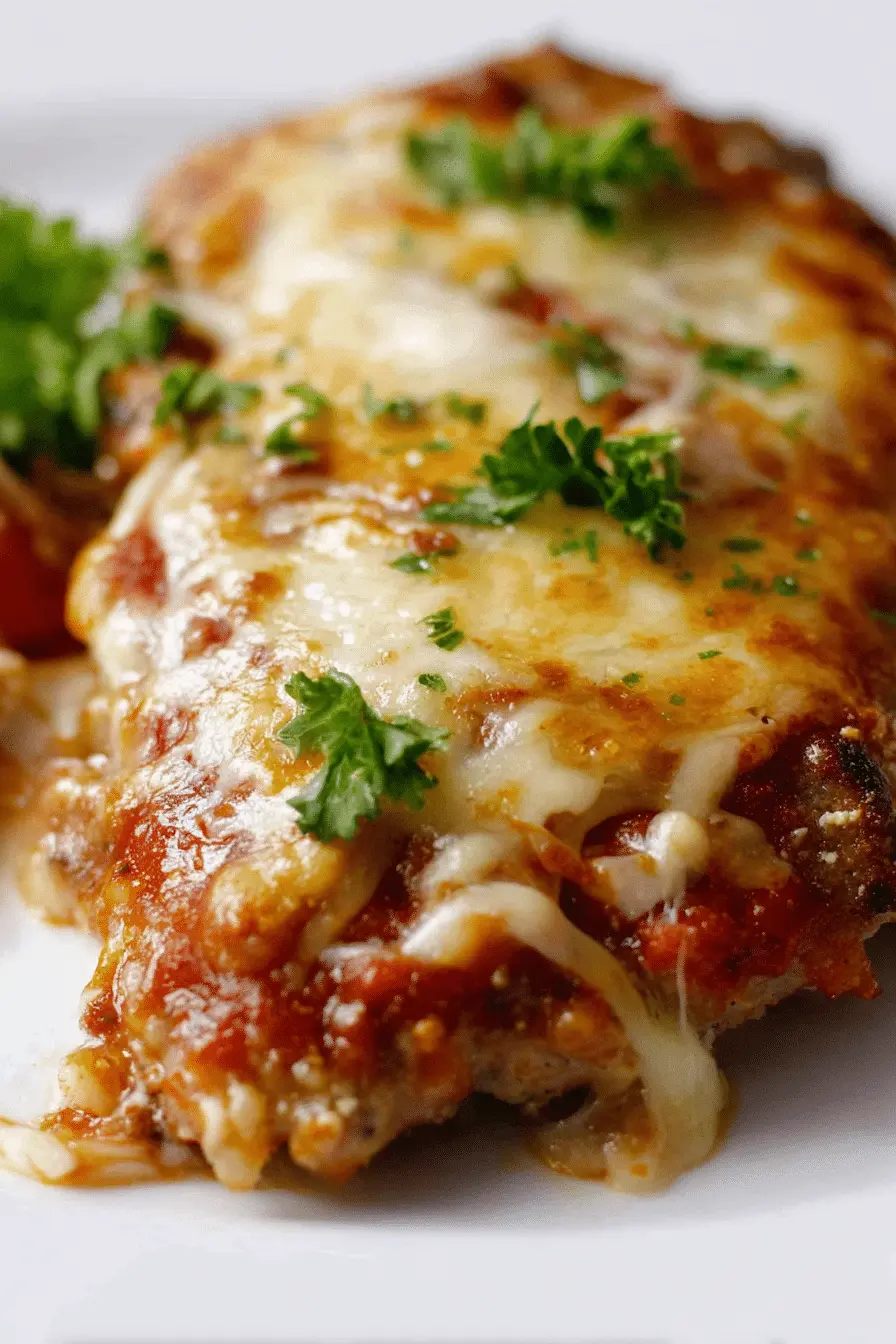
- Arrange the browned veal cutlets in a baking tray. Spoon an even layer of the sauce over each cutlet, just enough so you see the tomato peeking around the edges but not soaking the breading. Top each with slices of mozzarella and a generous sprinkle of freshly grated Parmesan.
- Bake at 350°F for 15–20 minutes. The cheese should melt into a glossy, golden layer and the center of the cutlets should be heated through. If you like a bit more color, turn the broiler on for the last 1–2 minutes — but watch it closely so it doesn’t burn.
- Garnish with chopped Italian parsley and serve hot. Expect the crust to be slightly softer than perfectly fried cutlets because of the sauce, but still pleasantly crisp at the edges.
Tips for Perfect Breaded Veal
I’ve tested this routine a number of times and these are the little tricks that reliably save the day.- Use room-temperature meat. Cold cutlets cause the oil temperature to drop and the breading absorbs more oil, making it soggy.
- Dry the cutlets with paper towels before dredging. Moisture is the enemy of crispness.
- Season every layer: lightly season the flour, the egg, and finish with a sprinkle of salt before baking. Layered seasoning is more balanced than dumping salt at the end.
- Don’t skip the flour step. It’s what gives the egg something to cling to, preventing the breading from sliding off in the pan.
- Do not crowd the pan when frying. Overcrowding lowers the oil temperature and causes uneven browning. I fry two small cutlets at a time in my 12-inch skillet.
- Let fried cutlets rest a minute on paper towels. This drains excess oil and helps the breading firm up before it meets the sauce and oven heat.
- If the breading peels while you’re flipping, it usually means the oil wasn’t hot enough or the cutlet was too wet. Reheat the oil and press the crumbs on again gently.
Cooking Techniques for Crispy Texture
There are a few reliable ways to get the crisp you want. I use one method most weeks, but I’ll explain alternatives and their trade-offs so you can choose.- Pan-frying (my go-to): Uses a moderate amount of oil and gives you control. Maintain medium-high heat and aim for a surface temperature where the crumbs sizzle on contact. If the crust is darkening too fast while the center is still raw, lower the heat and finish in the oven.
- Deep-frying: Produces very even, golden crusts quickly, but it’s heavier and uses more oil. If you deep-fry, keep the oil at a steady 350–360°F and don’t overcrowd the fryer.
- Oven-baking (healthier option): Brush the breaded cutlets with a little oil and bake at 425°F on a wire rack so air circulates. You’ll get good color but a slightly drier, less indulgent result.
Flavor Variations and Adaptations
Once you’ve nailed the basic method, these variations let you tailor the dish to your mood or dietary needs.- Cheese swaps: Try provolone for a sharper melt or burrata added after baking for a creamy center.
- Sauce changes: Fold fresh basil into the sauce at the end for a brighter finish, or add sautéed mushrooms for umami depth.
- Dietary swaps: Use thin eggplant slices (lightly salted and patted dry) for an excellent vegetarian version, or chicken cutlets if veal isn’t available.
- Breadcrumb options: Panko gives an extra-crispy edge; finely ground polenta adds a pleasant corn note.
Nutritional Information
Here's the nutrition snapshot I use when planning portions and balancing meals at home. This recipe yields about three modest servings.- Calories: ~438 kcal per serving
- Fat: ~26 g
- Carbohydrates: ~26 g
- Protein: ~26 g
Serving Suggestions and Pairings
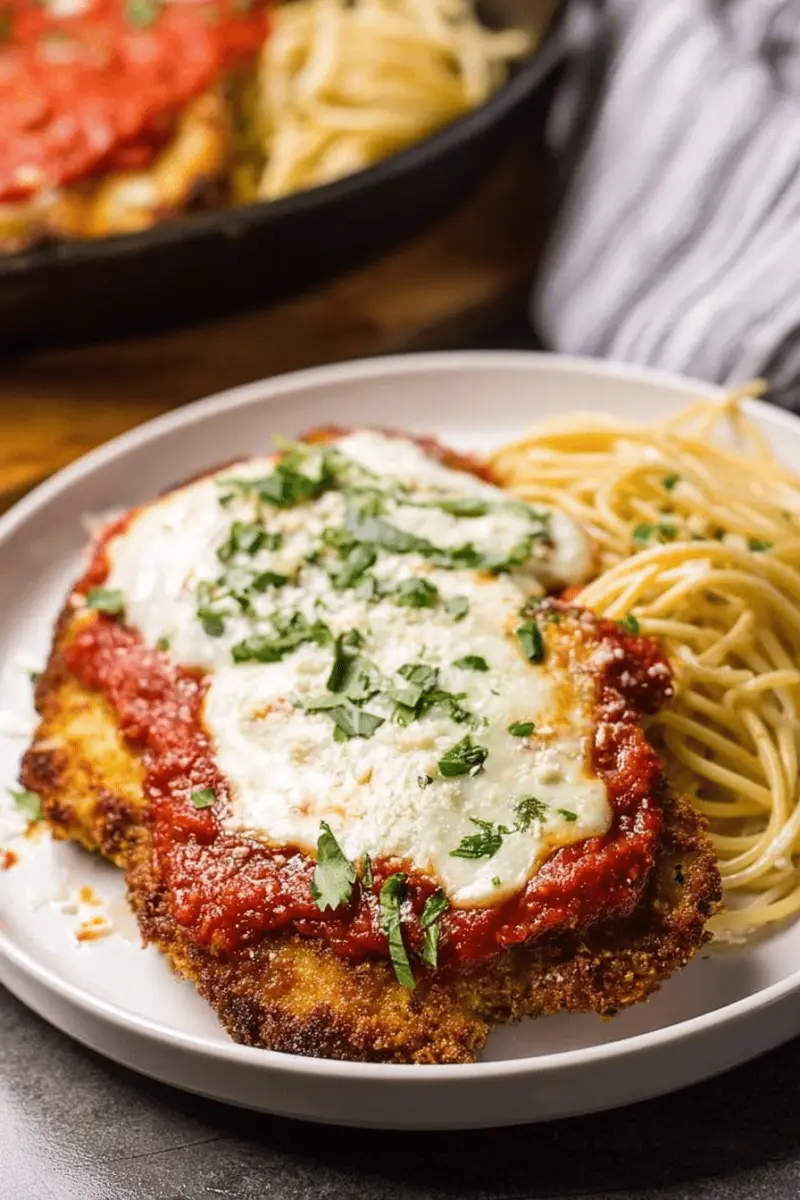
For casual family dinners I serve veal parmigiana with a simple little menu: a mound of al dente spaghetti tossed with olive oil and extra sauce, a crisp green salad with lemon vinaigrette, and some toasted garlic bread to mop up any leftover sauce. For guests, lay slices on warmed plates, add a sprinkle of fresh parsley and extra grated Parmesan at the table.- Side dishes: spaghetti with marinara, roasted vegetables, Caesar salad, or garlicky sautéed spinach.
- Wine pairings: a medium-bodied red like Chianti or Sangiovese complements the tomato-acid and cheese.
- Presentation tip: slice the cutlets across the grain and fan them slightly on the plate so everyone gets a bit of sauce and crust.
Cultural Background of the Dish
Veal parmigiana is an emblem of Italian-American home cooking. It blends old-world techniques — breading and frying — with New World ingredients and portioning. In Italy, you’ll find regional breadcrumb and cheese differences; in America, it evolved into the cozy, cheese-forward casserole-like dish many of us grew up with. In restaurants it’s often served as a star entrée; at home it’s a weekend favorite that makes a small meal feel special. For many families it’s tied to Sunday dinners, birthdays, and gatherings where comfort trumps fussiness.Storage, Make-Ahead, and Reheating Notes
Trustworthy storage advice matters — here's how I handle leftovers and prepping ahead.- Cool completely, then store in an airtight container in the refrigerator for up to 3 days. The flavors deepen overnight.
- Reheat in a 350°F oven until warmed through to preserve crisp edges; microwave will make the breading soggy, so avoid it unless you’re in a rush.
- Make-ahead method: Fry the breaded cutlets, cool, and refrigerate. When ready to serve, assemble with sauce and cheese and bake — this shortens same-day prep and keeps the crust crisper.
FAQ
What is Veal Parmigiana made of? Veal Parmigiana consists of breaded veal cutlets topped with marinara sauce and melted cheese, baked until bubbly and golden. It's a rich and comforting Italian favorite! Can I substitute veal with another meat? Absolutely! You can use chicken or eggplant as substitutes for veal. These alternatives allow you to enjoy a similar flavor profile while catering to dietary preferences. How do I ensure my breading stays crispy? To achieve a crispy breading, make sure to properly dredge the cutlet in flour, egg, and breadcrumbs. Avoid overcrowding the pan while frying, and let the cutlets rest briefly after frying before baking. What sides pair well with Veal Parmigiana? Delicious sides for Veal Parmigiana include pasta with marinara sauce, a fresh salad, or garlic bread. Pairing it with a nice red wine can also enhance the dish! What's the best way to store leftover Veal Parmigiana? Store any leftover Veal Parmigiana in an airtight container in the refrigerator. It can be reheated in the oven for the best texture. Thanks for reading — I hope these notes and the steps help you make a veal parmigiana that’s comforting, reliable, and something you’ll want to make again. I keep a copy of this recipe in my kitchen binder because it’s one of those dishes that brings people together, and now you can make it yours too.Recipe Card
How to Make Authentic Veal Parmigiana: Easy & Delicious Recipe
- Prep
- 20 min
- Cook
- 32 min
- Total
- 52 min
- Serves
- 3
- Calories
- 438 kcal
- Protein
- 26.00 g
- Carbs
- 26.00 g
- Fat
- 26.00 g
Ingredients
- 1/2 lbveal cutlet (select thin cutlets)
- 4 tbspolive oil (split plus additional if needed)
- 1 eaegg (whisked or beaten)
- 1/4 cupflour
- 1/3 cupItalian bread crumbs
- 1 cuptomato sauce (plus additional if you prefer more tomato sauce)
- 5 clovesgarlic (minced)
- 1/2 smallonion (finely minced)
- 6 slicesmozzarella cheese (thin slices)
- 1/4 cupParmesan cheese (freshly grated)
- 1 tsItalian seasoning
- 3/4 tssea salt (or Pink Himalayan salt; split plus additional if desired)
- 3/4 tsblack pepper (split plus additional if desired)
- —Italian parsley (optional garnish)
Instructions
- 1
Preheat your oven to 350F and pound the veal cutlets to about 1/4" thick, then season with salt and pepper.
- 2
Setup a breading station with seasoned flour, beaten egg, and Italian seasoned breadcrumbs.
- 3
Dredge the cutlets in flour, dip in egg, and coat with breadcrumbs. Cook in hot olive oil until golden brown, about 2-3 minutes per side.
- 4
Sauté minced garlic and onion in oil, then add tomato sauce, seasoning, and mix.
- 5
In a baking tray, place cutlets, top with tomato sauce mixture, add mozzarella and Parmesan cheese. Bake at 350F for 15-20 minutes.
- 6
Garnish with Italian parsley and serve.
You might also like
Reviews
Be the first to review this.