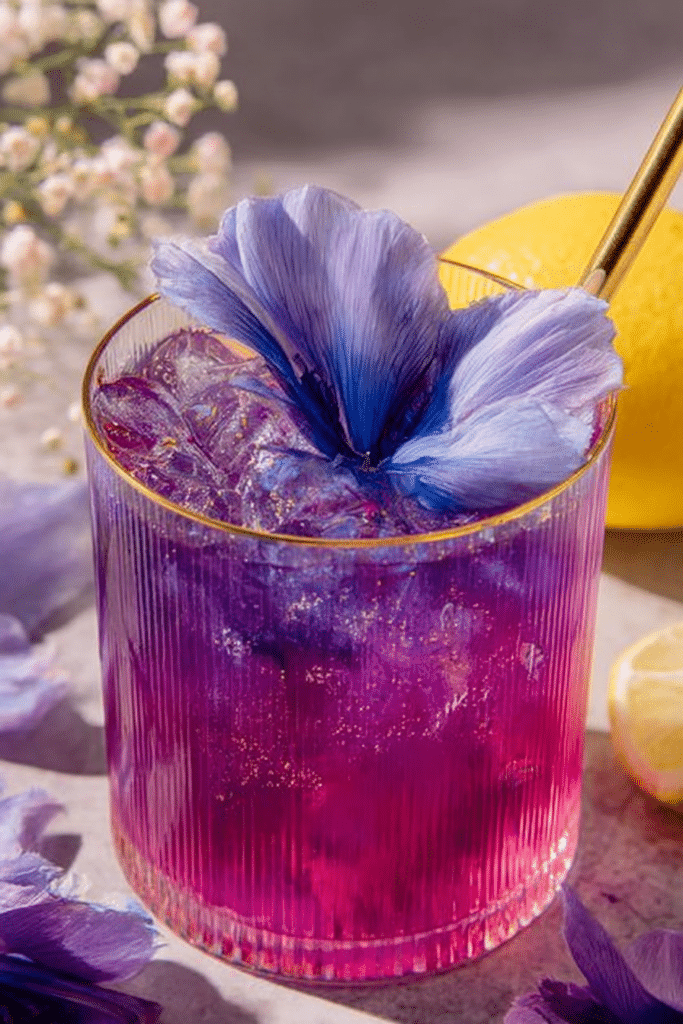
I first made this Butterfly Pea Punch on an early-spring patio party when a last-minute rain sent guests indoors. I pulled together a few pantry staples and watched the room fall silent as a deep blue pitcher became a layered purple-pink showpiece when we added lemonade. That slow, theatrical pour has become a signature moment in my kitchen — people crowd the counter just to see the colors shift.
In my years of hosting, I’ve learned that a drink should do two things: taste refreshingly good and create a moment worth sharing. This punch does both — the floral notes of butterfly pea and hibiscus sit lightly behind a bright lemon backbone, and the color change gives you a built-in reveal for a party. I make a double batch for gatherings so guests can help finish the drink at the table and feel part of the fun.
My kitchen tests taught me small tricks that make a big difference: steep just long enough to extract color without bitterness, keep the hibiscus syrup slightly thick so it sinks into the pitcher in ribbons, and use clear glassware so every hand-made ice cube and edible petal is visible. Read on for exact steps, clever garnishes, and ways to tailor the punch for sugar-free diets and vegan guests.
Below I’ll walk you through the ingredients, the science behind the color change, and party-ready serving tips that turn a simple punch into a centerpiece. I also include troubleshooting notes from my experiments so you can avoid the mistakes I made the first few times.
Why This Butterfly Pea Punch Steals the Spotlight at Your Next Party
The first thing guests notice is the color — a striking cobalt blue that shifts to violet and magenta as citrus meets hibiscus. That visual transformation makes pouring the punch into clear glasses an event in itself, and it photographs beautifully for your party feed. Unlike overly sweet punches, this recipe balances floral tea notes with bright lemonade, so it tastes spring-fresh instead of cloying.
Beyond looks, the aroma is delicate: a whiff of floral pea and a tart hibiscus note underneath. The mouthfeel is light and refreshing, perfect for daytime gatherings, bridal showers, or anytime you want a show-stopping nonalcoholic option. For contrast ideas, try serving alongside a warm, spiced pour-over like a cinnamon apple cream punch to show the difference in mood between beverages.
Everything You Need for Butterfly Pea Punch
Below I list the essentials for a perfect batch. I recommend using good-quality ingredients where possible — the colors and flavors are all on display. Remember: ingredient bullets here describe purpose and substitutions; measurements appear later in the step-by-step section.
- Butterfly pea flowers – Provide the signature deep-blue color and subtle floral aroma; use dried flowers labeled for tea.
- Dried hibiscus (flor de jamaica) – Adds tartness, a rich red hue, and floral depth; choose whole dried calyces for the best flavor.
- Sugar or sweetener – Balances the tart hibiscus; swap for a sugar substitute or simple syrup as needed.
- Fresh lemonade – Provides acidity to trigger color change and the bright citrus backbone; homemade lemonade gives the cleanest flavor.
- Water – For steeping teas and making hibiscus syrup; use freshly boiled water to extract color efficiently.
- Ice – Keeps the punch chilled and slows dilution; consider large cubes with frozen edible flowers for presentation.
- Pitcher and fine mesh strainer – A clear pitcher showcases the color layers; a fine strainer removes tea bits for a smooth pour.
- Saucepan – To make hibiscus syrup; a small, heavy-bottomed pan prevents scorching.
How the Color Change Works (and When to Reveal It)
The color change is driven by pH-sensitive pigments in butterfly pea flowers. At neutral to slightly alkaline pH the brew reads as deep blue; add acid — like lemon juice — and the anthocyanins shift toward purple and pink. It’s simple chemistry, but the result is delightfully theatrical at parties.
Timing the reveal makes the moment: prepare the blue tea and hibiscus syrup ahead of time, chill them separately, then assemble the lemonade and ice in a clear pitcher at the table. Slowly pour the butterfly pea infusion over the ice, then let a guest (or you) add the hibiscus syrup or fresh lemon at the end to trigger the color shift. The layered pour—ice above the liquid line while you add the blue tea—creates ribbons of color before they settle, making the transformation even more dramatic.
Balancing Floral Hibiscus and Bright Lemon Flavors
Balancing is all about tasting as you go. Hibiscus brings tartness and a red color that complements the pea flower’s blue; sugar or syrup softens that tang so the floral notes sing without being sharp. Lemon adds acidity and freshness that both wakes up the tea flavors and causes the color change.
- Taste the hibiscus syrup before adding it to the punch — it should be pleasantly tart with noticeable floral notes, not biting.
- If your lemonade is very sweet, reduce the syrup amount so the floral qualities remain noticeable.
- If the drink tastes flat, a squeeze of fresh lemon will brighten it without overwhelming the floral element.
Garnishes, Glassware, and Serving Tricks for Maximum Impact
Presentation makes the punch memorable. Choose clear glassware so guests can see the color layers; tall Collins glasses or clear stemless wine glasses work especially well. I like freezing edible flower petals or small lemon wheels into large ice cubes so the cubes look like tiny floating blossoms as they melt.
Garnish ideas that always get compliments include sprigs of fresh mint, thin lemon wheels on the rim, or a few whole dried butterfly pea flowers floated on top. For a savory pairing option from my entertaining playbook, consider serving the punch alongside garlic Parmesan crusted chicken for a contrast that keeps the table interesting.
How to Make Butterfly Pea Punch (Step-by-Step)
- Steep the butterfly pea flowers in freshly boiled water for a short period until the liquid turns a strong blue. Cover while steeping to trap the fragrant steam.
- In a separate pan, steep dried hibiscus in freshly boiled water, strain, then return the liquid to the pan and add sugar. Warm gently and stir until sugar dissolves; simmer briefly to slightly thicken into a syrup, then cool.
- Add plenty of ice to a clear pitcher and pour in chilled lemonade, leaving the ice above the liquid line for a layered pour.
- Slowly pour the butterfly pea infusion over the ice so the blue settles in ribbons; this keeps the visual contrast sharp.
- When ready to serve, pour in hibiscus syrup by the half-cup (or to taste) and stir once or allow guests to add it themselves for the reveal. The punch will move from blue to purple and pink depending on how much acid is present.
- Serve immediately in clear glasses garnished with lemon slices, mint, or edible petals.
Pro Tip for Butterfly Pea Punch: Maximize Color, Minimize Sugar
Pro-Tips (presented as bulleted list for quick reading):
- Steep the butterfly pea tea briefly and at high temperature to pull strong color without extracting vegetal bitterness.
- Make a concentrated hibiscus syrup so you add less sugar overall but still get a bold color and tartness.
- Use fresh lemonade with natural acidity rather than bottled sour mix; real lemon juice creates a cleaner color shift.
- Try monk fruit, erythritol, or a small amount of liquid stevia in the hibiscus syrup for a lower-sugar version — reduce syrup volume to keep the flavor bright.
- Chill components separately; cold liquids preserve color vibrancy longer than warm ones when combined.
Troubleshooting
I test things in my kitchen so you don’t have to — here are quick fixes I use when something goes sideways:
- If the blue tea tastes weak, steep longer with a little more flowers rather than adding more syrup — more flowers deepen color without extra sweetness.
- If the hibiscus is too tart, add a touch more warm syrup or a neutral sweetener to balance it.
- If the punch turns muddled brown instead of purple, you likely used too much lemon or over-steeped hibiscus; dilute slightly with water or more lemonade to reset the balance.
- If the color fades over time, keep the pitcher cold and assemble the final color-change at the last minute.
How to Store, Make-Ahead, and Easy Variations (Vegan & Sugar-Free)
Make-ahead tips and storage:
- Store the butterfly pea infusion and hibiscus syrup separately in airtight containers in the refrigerator for up to 4–5 days.
- Keep lemonade chilled separately and combine just before serving for the best color and fizz if adding sparkling water.
- Freeze hibiscus syrup into ice cube trays to portion for later parties; drop one cube into each glass for a sweet visual burst.
Variations (presented as bulleted list for scannability):
- Sugar-free: Use erythritol or monk fruit in the hibiscus syrup; taste and adjust so tartness remains balanced.
- Vegan (if needed): This recipe is naturally vegan when using plant-based sweeteners and store-bought lemonade made without honey.
- Adult version: Add a splash of gin, vodka, or sparkling wine to individual glasses for a spirited twist.
- Fruit-forward: Swap half the lemonade for chilled pineapple or white grape juice for a sweeter, tropical note.
Detailed Health Benefits and Nutritional Information of Butterfly Pea Flower
Butterfly pea flowers and hibiscus are both rich in plant compounds that have been studied for antioxidant properties. The anthocyanins in butterfly pea give it the intense blue color and act as antioxidants, while hibiscus contains polyphenols and vitamin C that contribute tartness and potential health benefits.
Potential benefits noted in research and traditional use include support for skin health (via antioxidant activity), mild anti-inflammatory effects, and a low-calorie profile that makes this punch a lighter choice compared with sugar-laden cocktails. If you have specific health conditions or are pregnant, check with your healthcare provider before consuming new herbal preparations.
As a party drink, this punch can be made lower in sugar without sacrificing color or flavor, making it a crowd-pleasing and mindful option for guests watching calories.
Unique Serving Suggestions or Pairings for Meals that Complement the Punch
This punch pairs beautifully with light, bright dishes that echo its floral and citrus notes. For a tropical companion, consider serving a complementary tropical hibiscus tea smoothie that amplifies the hibiscus element on a dessert or beverage station.
For more luxurious pairings, the punch contrasts nicely with rich seafood mains — try it alongside creamy garlic butter lobster tails for an elegant surf-and-sip combo at a special celebration. If you prefer savory snacks, a platter with crisp crostini, fresh goat cheese, and herbaceous toppings complements the punch’s citrus lift.
Try thematic pairings for different gatherings: tea sandwiches and lemon shortbread for a bridal shower, or grilled shrimp skewers and a citrus-green salad for a summer backyard party.
Frequently Asked Questions
What flavors can I expect in butterfly pea punch?
Butterfly pea punch has a delightful blend of floral notes from the butterfly pea flower and hibiscus, balanced with the bright and tangy taste of lemonade. It’s refreshing and perfect for spring!
Can I make butterfly pea punch ahead of time?
Absolutely! You can prepare the butterfly pea tea and hibiscus syrup in advance and store them in the refrigerator. Just mix them into your lemonade right before serving for the best flavor.
Are there any variations or substitutions for this recipe?
Yes! You can switch out the sugar for a sugar substitute to make it sugar-free, or use different fruit juices if you want a twist. Just be mindful of the flavor balance!
How do I achieve the best presentation for butterfly pea punch?
Use clear glassware to showcase the beautiful color layers of the punch. Garnish with edible flowers or lemon slices for an elegant touch!
Is butterfly pea tea safe for everyone to consume?
Yes, butterfly pea tea is generally safe for most people. However, if you’re pregnant or on certain medications, it’s best to check with your doctor before trying new herbal teas.
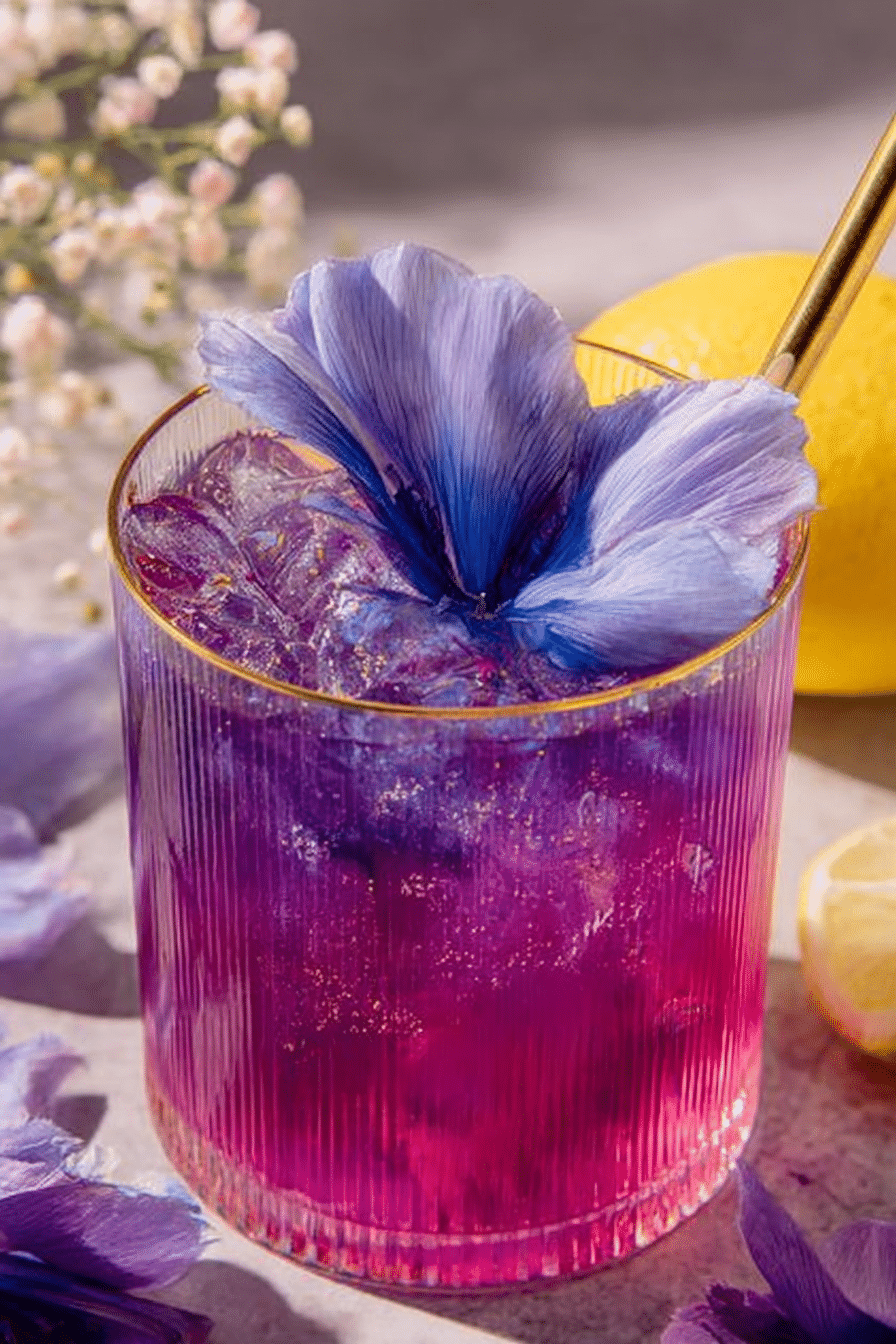
Butterfly Pea Punch
Ingredients
Method
- In a large measuring cup, add the boiling water and pea flowers. Cover loosely with a lid or towel and steep for 5 minutes.
- In a large saucepan, add the boiling water and hibiscus tea. Cover with lid and steep for 5 minutes. Strain or remove the hibiscus tea and add the sugar. Heat over low, stirring until all of the sugar is dissolved. Continue to cook on low for 3-5 minutes to thicken.
- Add ice to a large pitcher and pour in the lemonade. Make sure ice is above the liquid line before slowly pouring in the butterfly pea tea.
- Next, slowly pour in ½ cup of the hibiscus syrup and stir to combine. We like to leave this step for the end because the presentation is magical!