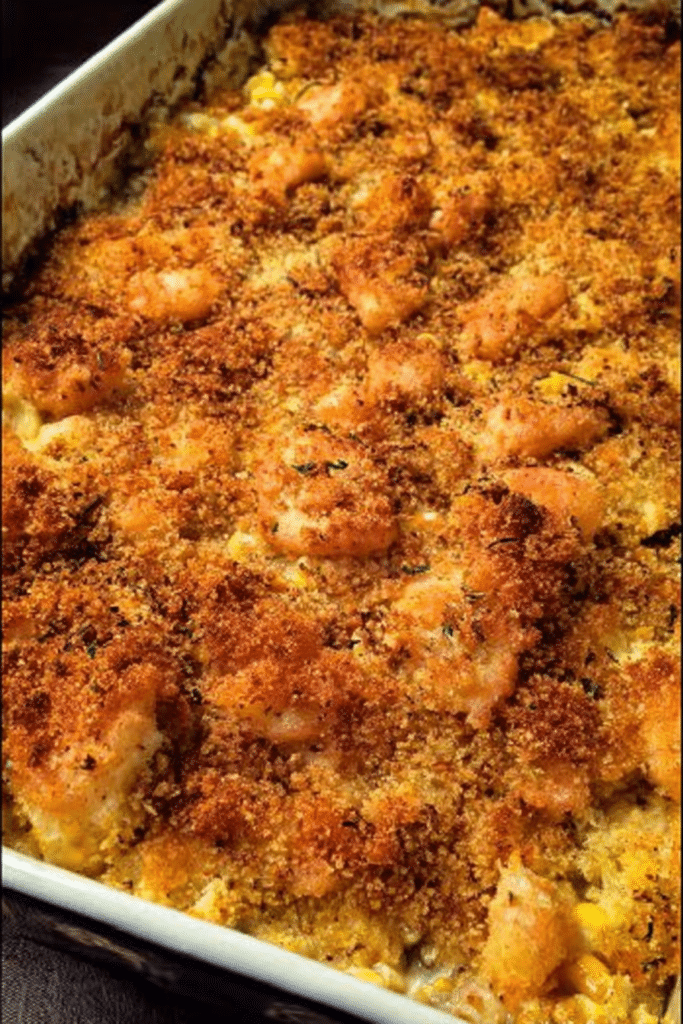
I grew up watching my grandmother crumble leftover cornbread into a buttery, cheesy cabbage pan and slide it into the oven while the house smelled like Sunday. I still make this casserole on gray evenings and holidays; the golden top and that soft, savory center always bring the room back to our table. Over the years I learned which shortcuts keep it simple and which details — like draining the cabbage just right — keep it from turning soggy.
There’s a particular comfort in a dish that’s both thrifty and indulgent. I often double my cornbread recipe the night before, so there’s plenty to crumble into the casserole the next day. When this bakes, the air in my kitchen carries browned butter and melting cheese, and everyone drifts by the oven to sneak a forkful before dinner is even plated.
This casserole is the sort of food that heals a cold and feeds a crowd. It’s forgiving — you can stretch it with onions, add a smoky counterpoint with ham or bacon, or keep it meatless and still get that cozy, stick-to-the-ribs feeling. In my kitchen it’s a go-to when I want something familiar and substantial, the kind of recipe that tastes like family.
Everything You Need for Cornbread-Cabbage Casserole
Before you begin, gather fresh ingredients and a modest set of equipment so the assembly is quick. Use fresh, crisp cabbage to keep texture, and a dense, slightly crumbly cornbread that you’d happily eat on its own. You’ll also want a sturdy casserole dish and a saucepan for the sauce.
- Cabbage – The backbone of the dish; use a firm head for good texture and shred or chop it coarsely so it holds up during baking.
- Cornbread – Stale or day-old cornbread works best because it crumbles without turning to paste and soaks up the sauce evenly.
- Butter or margarine – For the roux and flavor; butter gives a richer finish, margarine will keep the dish lighter in profile.
- Flour – Thickens the sauce; you can swap with a gluten-free blend if needed.
- Milk – Creates the creamy sauce; full-fat gives the best mouthfeel, but lower-fat milks will still work.
- Cheese – Sharp cheddar is traditional for tang and color; other melting cheeses change the character (see variations).
- Peppers and onion – Add sweetness and bright color; green peppers keep it classic, yellow or red add more sweetness.
- Garlic and seasonings – Small amounts go a long way; salt and pepper are essential to balance the cornbread’s sweetness.
- Optional ham or bacon – For smoky, savory depth; add near the beginning so the fat flavors the sauce.
- Equipment – A medium saucepan for cooking cabbage and sauce, a mixing bowl for crumbling cornbread, and a 2-quart (or similarly sized) casserole dish for baking.
Consider making a sweeter, richer cornbread variation if you want a slightly more indulgent pairing; for a recipe that complements this casserole beautifully try a honey-butter and sweet potato cornbread option to serve alongside: Honey Butter Sweet Potato Cornbread.
The Secret to the Perfect Texture: Cabbage, Sauce, and Cornbread
Getting the texture right means treating each component with intention. Cook the cabbage until it’s tender but still holds a little bite; if you overboil it becomes waterlogged and the casserole loses its structure. A properly thickened sauce clings to the cabbage and cornbread, creating layers rather than a soggy mash. Finally, the top layer of crumbled cornbread should brown slightly in the oven so you get contrast — crisp on top, yielding beneath.
- Par-cook the cabbage: boil briefly, then drain and pat dry so excess water doesn’t dilute the sauce.
- Build a quick roux in the saucepan, add milk gradually, and stir until the sauce just coats the back of a spoon; it should be creamy, not gluey.
- Fold in cheese off the heat so it melts smoothly without separating; the sauce should envelope the cornbread pieces, not drown them.
- Layer cornbread on the bottom, add the cabbage and sauce, then finish with a light top of cornbread to brown and protect the filling.
For a richer dinner, serve this alongside an elegant buttery seafood course — the contrast between rustic casserole and a luxurious side can be striking: Creamy Garlic Butter Lobster Tails.
A Note on Traditional Flavor: Why Ham or Bacon Makes a Difference
Adding ham or bacon lends a salty, smoky umami that plays beautifully against sweet cornbread and mellow cabbage. If you’re serving this with pork chops or ham, fold a little of the same meat into the casserole so the flavors echo across the plate. In regions where pork isn’t central, smoked sausage or even a splash of soy-based liquid can mimic that depth.
- Ham or bacon provides savory fat that seasons the sauce as it cooks; crisp the bacon first and reserve some fat to sautée the onion for maximum flavor.
- For a vegetarian depth, use smoked paprika, a splash of tamari, or a small amount of miso dissolved in the sauce to bring umami without meat.
- Regional variants might add greens, different cheeses, or mustard in the sauce — these shifts change the identity of the dish but keep the same comforting spirit.
If you like classic cabbage preparations, try a cabbage-forward casserole that leans into traditional pairings for a different kind of comfort: Irish Cream Colcannon.
How to Make Cornbread-Cabbage Casserole (Step-by-Step)
- Preheat your oven so it’s ready when the casserole is assembled; the hot oven helps the top set and brown evenly.
- Cook the cabbage: place chopped cabbage in boiling, lightly salted water and cook briefly until just tender, about a few minutes; drain thoroughly and press out excess moisture with a towel.
- Make the sauce: melt butter in the saucepan, stir in flour to form a paste, then whisk in milk gradually. Cook over medium heat, stirring, until the sauce thickens and becomes glossy and bubbly.
- Season the sauce with salt, pepper, and minced garlic. Stir in diced peppers and chopped onion so they soften slightly in the warm sauce.
- Remove the sauce from heat and stir in the shredded cheese until melted and smooth; taste and adjust seasoning before combining with cabbage.
- Assemble: place a layer of crumbled cornbread in the casserole dish, top with the drained cabbage, pour the cheese sauce over, and finish with a final layer of crumbled cornbread to form a golden crust.
- Bake uncovered until heated through and the top is lightly browned — check at the lower end of the time range to prevent drying out.
- Let the casserole rest briefly after removing from the oven so the sauce sets; serve warm and spoonable rather than molten.
- Safety tip: handle the hot casserole dish with oven mitts and let it cool slightly before transferring to plates to avoid burns.
Pro Tip for Cornbread-Cabbage Casserole: Gluten-free & Vegan Swaps That Work
- Gluten-free cornbread and a gluten-free flour blend work cleanly in the roux; the texture will be nearly identical if the cornbread is slightly drier before baking.
- For a vegan version, use plant-based butter and a full-fat plant milk; swap cheese for a meltable vegan cheddar or a nutritional yeast–thickened sauce for cheesy flavor.
- Adjust seasoning when using substitutes: vegan cheeses can be milder, so boost smoked paprika or a little mustard powder to maintain depth.
- If avoiding dairy entirely, add a spoonful of olive oil to the sauce for mouthfeel and a touch more seasoning to compensate for lost richness.
Pro-Tips
- I usually make the cornbread a day ahead; it dries slightly and holds up better when crumbled into the casserole.
- Drain cabbage well and press it in a towel — excess moisture is the number one reason the casserole becomes runny.
- Stir cheese into the sauce off the heat to keep it creamy; overheating can make it grainy.
- For a golden top, brush the final layer of cornbread with a little melted butter before baking.
Troubleshooting
- If the casserole is watery: next time reduce the cabbage cooking time and press out moisture before assembling.
- If the sauce is too thin: simmer a few extra minutes to reduce, or whisk in a touch more flour cooked with butter to thicken.
- If the top burns before the center is hot: tent with foil and continue baking until warmed through.
- If flavor feels flat: finish with a pinch of salt or a squeeze of acid (lemon or a vinegar splash) to brighten the dish.
Variations
- Smoky Meat Lover: Fold cooked, diced ham or crisped bacon into the cabbage layer for extra umami.
- Cheesy Twist: Use Monterey Jack or Gruyère for a creamier melt and slightly different flavor profile.
- Greens Boost: Stir in chopped collard greens or kale for a heartier, more vegetable-forward casserole.
- Slightly Sweet: Add a spoonful of honey to the cornbread or a touch of caramelized onions for contrast.
How to Store, Reheat, and Make-Ahead Cornbread-Cabbage Casserole
Store leftover casserole in an airtight container in the refrigerator for up to three to four days. To reheat, warm gently in a 325°F (ish) oven until heated through; this helps revive the top texture. If reheating from chilled, cover with foil for the first part of warming to prevent the top from over-browning.
To make ahead, prepare through the assembly step, cover tightly, and refrigerate. Bake when you’re ready; you may need to add a few extra minutes to account for the chilled interior. You can also assemble and freeze the unbaked casserole — thaw overnight in the refrigerator before baking.
Creative Ways to Use Leftover Cabbage and Cornbread
- Turn leftover cabbage into quick fried rice with bits of cornbread crumbled like croutons on top for crunch.
- Make cornbread croutons: cube stale cornbread, toss with oil and salt, and toast until crisp for salads or soups.
- Stir leftover casserole into a skillet with an egg or two for a savory breakfast scramble the next morning.
- If you want more cabbage ideas, try a different casserole that celebrates cabbage in a new way: Cabbage Roll Casserole which is packed with flavor and makes great use of cabbage.
In short: this cornbread-cabbage casserole is forgiving, comforting, and endlessly adaptable. Whether you keep it classic with cheese and a bit of ham or make it vegan-friendly, it’s the kind of dish that brings people together at the table and warms you from the inside out.
Frequently Asked Questions
Can I use a different type of cheese in the casserole?
Absolutely! While cheddar cheese adds great flavor, you can experiment with other cheeses like Monterey Jack or mozzarella for a different taste.
What can I serve with cornbread-cabbage casserole?
This dish pairs wonderfully with pork chops or ham, but it can also be enjoyed on its own as a hearty meal.
Can I make this casserole in advance?
Yes, you can prepare the casserole ahead of time. Just combine all the ingredients, store it in the refrigerator, and bake it when you’re ready to serve!
How do I store leftovers?
Store any leftovers in an airtight container in the refrigerator for up to 3-4 days. You can reheat it in the oven or microwave.
Is there a gluten-free version of this recipe?
Yes! You can use gluten-free cornbread and flour alternatives to make this dish suitable for a gluten-free diet.
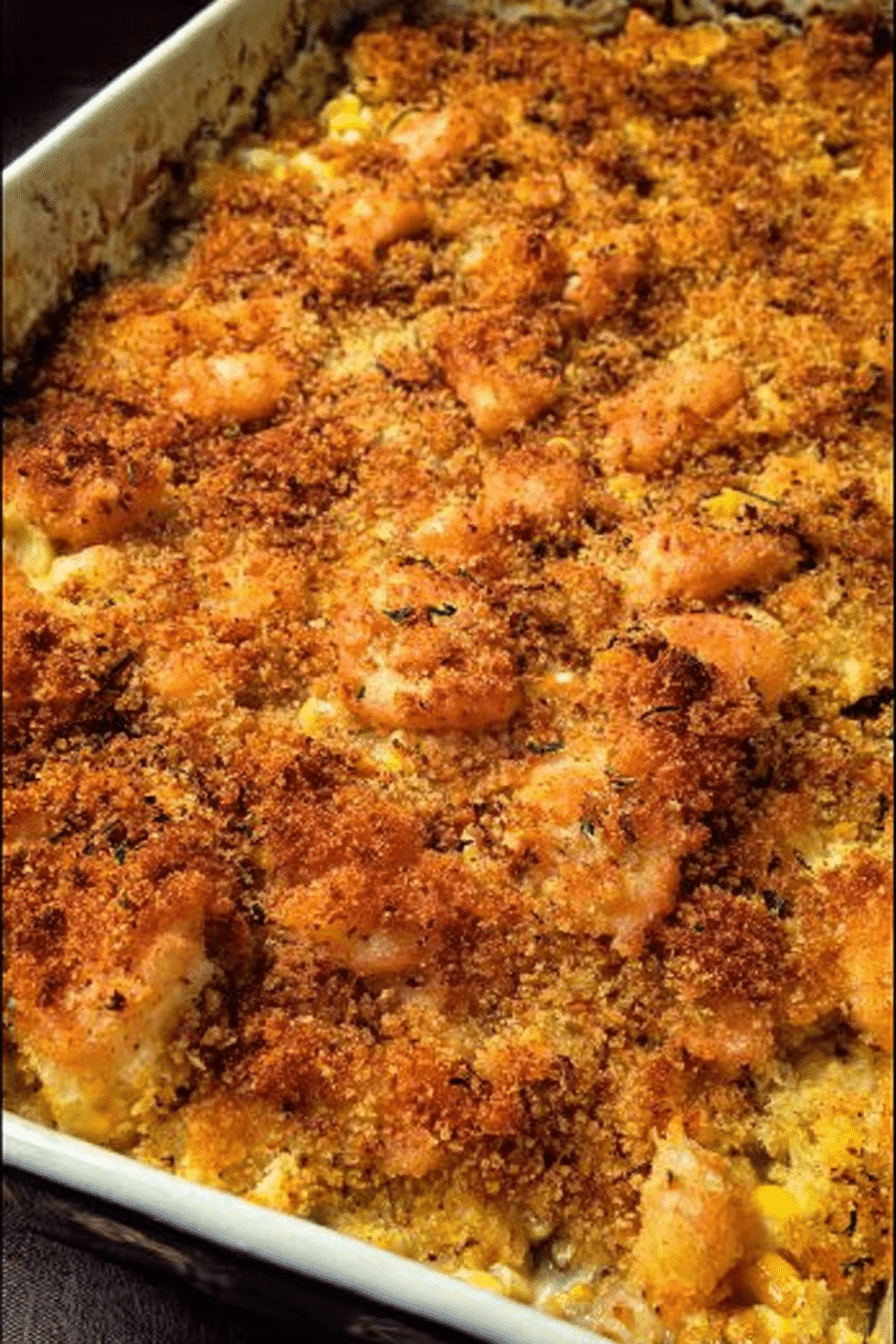
Cornbread-Cabbage Casserole
Ingredients
Method
- Preheat oven to 375 degrees.
- In medium saucepan, cook cabbage, covered, in small amount of boiling, lightly salted water for 5 min, then drain.
- In same saucepan melt margarine or butter.
- Stir in flour, salt, pepper, and garlic.
- Add milk and cook, stirring over medium heat until thickened and bubbly.
- Stir in bell pepper, cheese, and onion until cheese is melted, then remove from heat.
- Place 3 cups of cornbread in a 2-quart casserole dish.
- Top with cooked cabbage and sauce, then remaining 1 cup of cornbread.
- Bake, uncovered, for 30-35 minutes or until heated through.