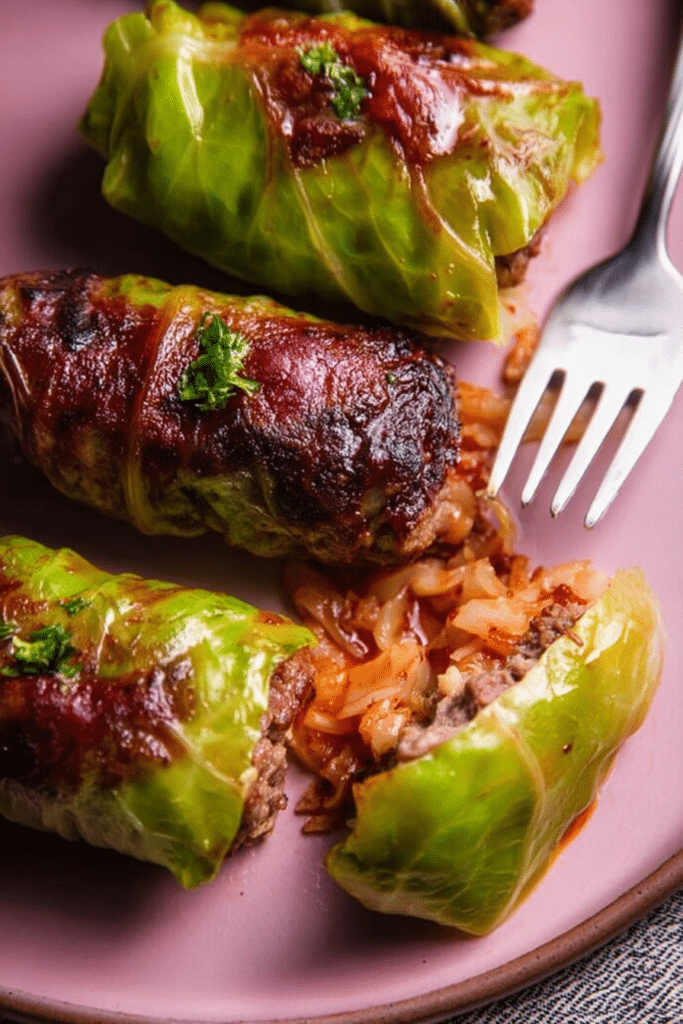
I grew up with a kitchen that smelled like onions sizzling in bacon fat and a pot of tomato sauce quietly bubbling on the back burner. My grandmother folded cabbage leaves around a simple meat-and-rice filling on rainy afternoons and fed the whole neighborhood from a single ovenproof dish. Those afternoons taught me that good food is more than flavor; it is ritual and memory.
I learned the hard way that cabbage can be stubborn. My first attempts ended in torn leaves and crushed filling, but over the years I found small adjustments that made the whole process calm and reliable. Now, when I make these rolls, I pay as much attention to the way the leaves feel in my hands as I do to the seasoning of the filling.
This is a recipe for weeknight warmth and Sunday company alike. It’s forgiving, stores well, and invites improvisation. If you’ve been wary of rolling cabbage, I’ll share the tricks that keep the leaves tender and intact, and a few variations if you’d like to skip the meat or travel to another pantry with spices and grains.
A Taste of Home: Why These Easy Cabbage Rolls Belong on Your Table
There’s a reason cabbage rolls appear at holiday tables, church suppers, and kitchen counters when neighbors come to visit. In Polish cuisine they are a humble celebration—simple ingredients stretched into something that feeds many and comforts more. The smell of simmering onions and garlic, the sight of tomato sauce slowly glossing each roll, and the first forkful of tender cabbage and savory filling all anchor the memory of home.
When I serve them, I want people to slow down. These rolls are a social dish: they invite conversation, sharing, and second helpings. If you have a family recipe, bring it to the table; if you don’t, use this as a way to start one. Share your story while the rolls are bubbling in the oven.
Everything You Need for Easy Cabbage Rolls
Good results come from good ingredients and a couple of simple tools. Use the freshest cabbage you can find and quality ground meat or hearty vegetarian substitutes. Below I list what each component does and some easy swaps so you can adapt the recipe to your pantry or dietary needs.
- Cabbage – The vessel for the filling; choose a head with flexible, unblemished leaves. Savoy has beautiful texture, but green cabbage works well too.
- Ground meat – Provides richness and structure. A blend of beef and pork gives classic flavor and juiciness; you can use one type alone if you prefer.
- Sausage or bacon – Adds savory depth and a hint of saltiness; optional but traditional in many homes.
- Rice or a grain – Binds the filling and keeps it tender; substitute cooked quinoa, bulgur, or barley for a different texture.
- Onion and garlic – The aromatic backbone; sauté until soft to build flavor early.
- Tomato elements – A tomato paste or sauce coats the filling and forms a gentle braise; ketchup or a simple tomato sauce can be used to glaze the tops.
- Seasonings – Salt and black pepper are essential; herbs like dill or parsley and a pinch of smoked paprika or allspice shift the regional character.
- Vegetarian swaps – Lentils, mushrooms, crumbled tempeh, or a mix of beans and grains can replace meat. Add an egg or a starchy binder if you need extra hold.
- Tools – A large pot for blanching, a skillet for the filling, and an ovenproof baking dish make the process smooth. A sharp paring knife and tongs keep leaf handling tidy.
The Secret to Tender, Not-Torn Cabbage Leaves
Handling cabbage is the part that intimidates most home cooks, but the trick is simple: soften the leaves enough to be pliable without cooking them to mush. To avoid tearing the cabbage leaves, make sure to cook the cabbage just until tender, and then carefully peel each leaf off. Use a sharp knife to trim the thick part of the stem if needed, which makes it easier to roll the leaves. Whether you blanch the whole head briefly or steam quartered wedges, watch the clock—overcooking is what makes leaves fragile.
- Blanching basics – Bring a large pot of water to a gentle boil, lower the head in, and time short intervals so leaves become flexible but still hold structure.
- Knife work – Trim the thick rib where needed so the leaf will fold without splitting; a neat, shallow cut helps with rolling.
- Cool and peel – Lay the cabbage core-side down to cool slightly; this makes peeling easier and lets you remove the large outer leaves intact.
- Troubleshooting – If a leaf tears, overlap two smaller leaves to finish a roll. If your leaves are too firm, give the head a minute more in the hot water; if they’re falling apart, shorten future blanching times.
Why Grandma’s Simple Filling Works Every Time
My grandmother’s filling was never showy, but it was balanced: savory meat, soft grain, sautéed aromatics, and just enough acidity from tomato to tie everything together. The rice softens when the rolls bake, giving the filling a satisfying but not stodgy mouthfeel. Salt and pepper highlight the natural flavors, while sausage or bacon gives little pockets of fat that keep bites juicy.
You can lean into that same logic with other fillings: use a starchy element (rice, barley, or even mashed potato) for body, an aromatic base (onion, garlic, leek) for aroma, and a binder (egg or cooked lentils) if needed. Mixing meats gives complexity, but a single protein is fine—what matters is seasoning evenly and tasting the cooked filling before you roll.
How to Make Easy Cabbage Rolls (Step-by-Step)
- Preheat your oven and prepare the cabbage so the leaves are soft and ready to roll—see the blanching tips above for timing cues.
- Sauté the onion in a bit of fat until translucent, add ground meats or your vegetarian base, and cook until browned. Season with salt and pepper, then stir in garlic briefly so it becomes fragrant but not bitter.
- Mix in the cooked grain and a spoonful of tomato element so the filling is cohesive and slightly glossy; it should hold together when pinched but not be dry.
- Lay a cabbage leaf flat, trim the thick vein if needed, and place a spoonful of filling near the base. Fold the bottom up over the filling, fold the sides in, and roll away from you so the seam is underneath. Roll tightly enough to hold but not so tight the leaf splits.
- Arrange the rolls seam-side down in an ovenproof dish so they sit snugly—this keeps them from unraveling during baking. Brush or spoon a thin layer of tomato topping on each roll; lay bacon or an extra ribbon of fat over the top if using.
- Cover the dish with foil and bake until heated through and tender; remove the foil near the end to let the top color. If your oven runs hot or slow, watch the finishing time and adjust by a few minutes.
Pro Tip for easy cabbage rolls: Peel Cabbage Leaves Without Tearing
- Freeze briefly for easier peeling – I sometimes put a whole head in the freezer for 20–30 minutes; the cold firms the outer leaves and makes them easier to separate before blanching.
- Trim the vein – A small V-shaped cut at the base of the leaf where the rib is thick lets you fold without a crack.
- Work with warm leaves – Leaves are most flexible when still slightly warm after blanching; handle them with tongs and lay them on a damp towel to keep them pliable.
- Use two leaves for small tears – Overlap a second leaf under a torn one to reinforce the roll without wasting filling.
- My note – I noticed that peeling from the core outwards keeps leaves intact more often than starting at the outermost layer.
Make-Ahead, Freeze, and Reheat: Meal Prep for Busy Weeks
- Refrigerator storage – Prepare the rolls and store them assembled in an airtight container for up to a few days before baking. They keep their shape well when chilled.
- Freezing – Place assembled rolls in a freezer-friendly dish or wrap tightly in plastic and foil for longer storage. You can also freeze single portions for easy meals.
- Bake from frozen – You can prepare the cabbage rolls ahead of time and store them in the fridge before baking. They can also be frozen for meal prep. Just make sure to bake them directly from frozen, adding some extra time if necessary.
- Reheating – Thaw overnight in the refrigerator for even reheating, or bake from frozen; cover with foil so they heat through without drying, and remove the foil at the end to let the top crisp slightly.
- Containers – Use shallow, ovenproof containers for immediate baking and freezer-safe rigid containers for long-term storage to protect shape and sauce.
Creative Variations: Vegetarian Fillings, International Twists, and Sauces
- Lentil and mushroom – Cooked brown lentils with sautéed mushrooms, thyme, and a bit of smoked paprika make a hearty, umami-packed vegetarian roll.
- Quinoa and roasted vegetables – Roasted carrots, zucchini, and quinoa tossed with lemon zest and herbs give a bright, modern filling.
- Middle Eastern spice – Add warm spices like cumin and coriander, pine nuts, and a splash of pomegranate molasses for a regional spin.
- Greek-style – Use lamb or beef, orzo or rice, and a touch of cinnamon and dill; serve with a lemony yogurt on the side.
- Sauces – Traditional tomato sauce or a simple tomato glaze works beautifully; for vegetarian versions try a mushroom gravy or a lemon-herb broth to keep things bright.
I like to serve these rolls with crusty bread and a simple salad to cut through the richness. Leftovers reheat beautifully and often taste even better the next day when the flavors have mingled.
Frequently Asked Questions
How can I ensure my cabbage leaves don’t tear when rolling?
To avoid tearing the cabbage leaves, make sure to cook the cabbage just until tender, and then carefully peel each leaf off. Use a sharp knife to trim the thick part of the stem if needed, which makes it easier to roll the leaves.
Can I make these cabbage rolls vegetarian?
Absolutely! You can replace the meat filling with a mixture of cooked quinoa, beans, or lentils, along with seasonings and some sautéed vegetables for a delicious vegetarian version.
How do I store leftover cabbage rolls?
Store leftover cabbage rolls in an airtight container in the refrigerator for up to 4 days. You can also freeze them for longer storage; just be sure to thaw them overnight in the fridge before reheating.
What can I serve with cabbage rolls?
Cabbage rolls pair well with a side of crusty bread, a light salad, or even some mashed potatoes to soak up the delicious sauce.
Can I make these cabbage rolls ahead of time?
Yes! You can prepare the cabbage rolls ahead of time and store them in the fridge before baking. They can also be frozen for meal prep. Just make sure to bake them directly from frozen, adding some extra time if necessary.
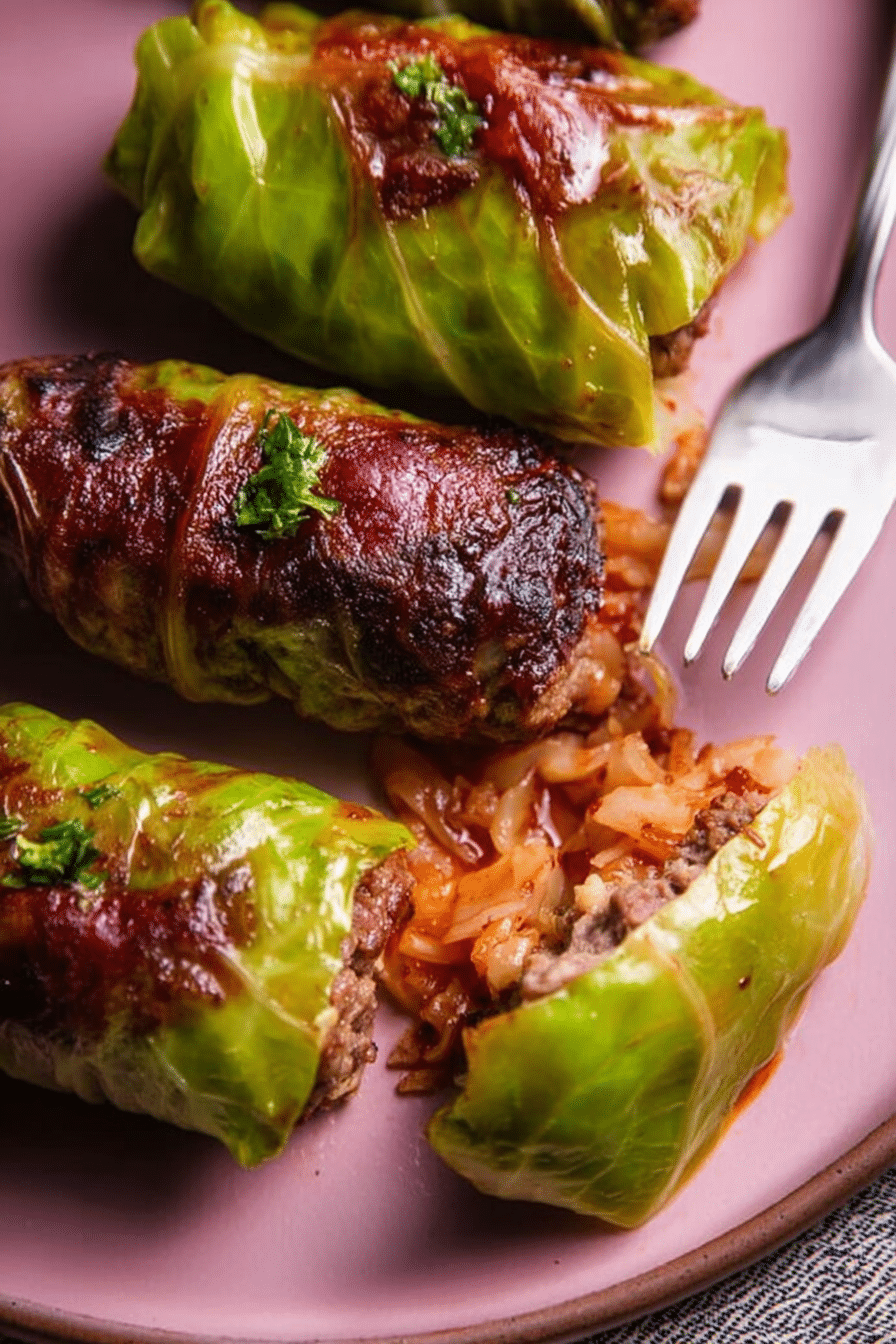
Easy Cabbage Rolls
Ingredients
Method
- Preheat the oven to 350°F with a rack in the center position.
- Bring a large pot of water to a boil. Add the head of cabbage and reduce the heat to low. Cover and cook until just tender, about 10 minutes. Transfer the cabbage to a plate cored side down and let cool.
- In a large skillet, heat the oil over medium-high heat, then add the ground beef, sausage, and onions; cook until meat is through and onions are softened, about 8 minutes.
- Add in the garlic, salt, and pepper; cook until fragrant, about 2 minutes, then remove from heat and stir in rice and tomato paste.
- Carefully peel the leaves from the cooled cabbage. Lay flat and add ½ cup filling to the center of each leaf. Roll tightly and place seam side down in a baking dish.
- Brush tops with ketchup and lay bacon over. Cover with foil and bake for 30 minutes, then remove foil and bake for another 15 minutes until bacon is crisp.
- Serve family-style.