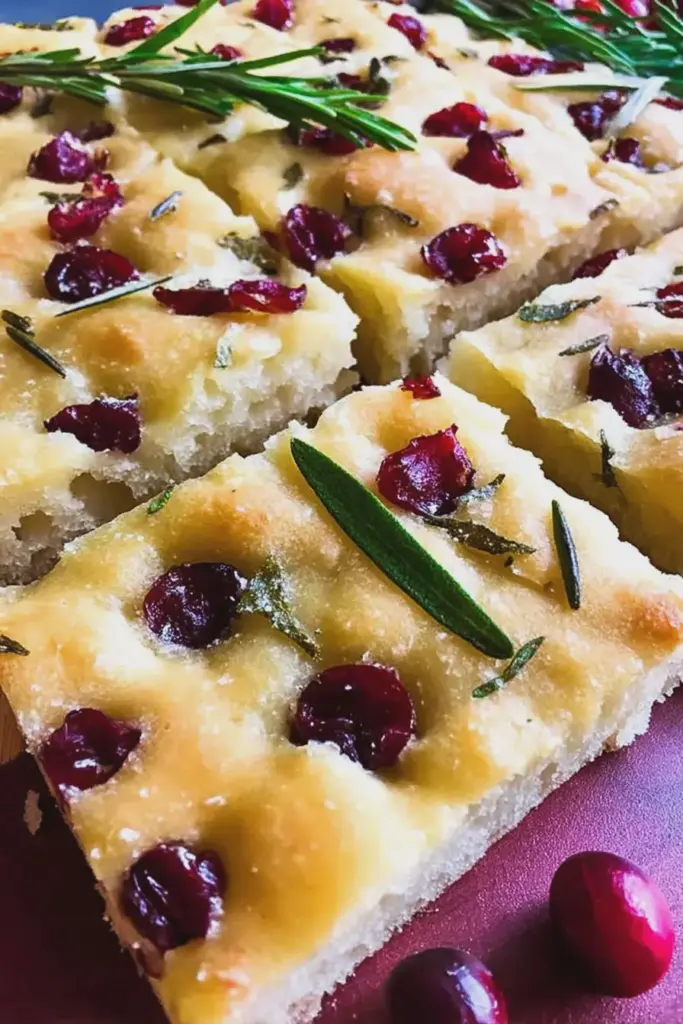
I remember the first time I brought a cherry-topped focaccia to a gathering: the board went quiet for a beat while everyone took it in. The cherries gleamed like little jewels against a warm, olive-oil–lustrous crust and the rosemary perfume braided through the air. I make this when I want something pretty, unexpected and just a little bit celebratory.
In my kitchen this focaccia doubles as a breakfast centerpiece and an appetizer that sparks conversation. I love that the bright fruit color reads festive, while the roasted-herb aroma keeps it firmly savoury. Guests always press for one more square — not because it’s showy, but because it tastes like effort made with care.
I’ve learned a few things by baking this many times: how to coax the soft crumb, where to place the cherries so they bake into glossy pockets, and how a generous drizzle of good olive oil makes the texture sing. Read on and I’ll walk you through the choices and techniques that make it impressive on a party table.
Why This Rosemary Cherry Focaccia Is Perfect for Entertaining
Visually, the contrast between deep red cherry halves and a golden focaccia is impossible to ignore — it lifts a simple bread to centrepiece status. Aromatically, the roasted rosemary and the faint fruit sweetness mingle while the focaccia bakes, filling your kitchen with an herbaceous, slightly caramelized scent that hints at both savoury and sweet.
This focaccia is highly versatile: serve thin slices alongside tea, include it on a grazing table with cheeses and charcuterie, or present it warm from the oven as an elegant starter. Its rustic, torn pieces and scattered flaky sea salt make plating effortless and sophisticated.
Everything You Need for Rosemary Cherry Focaccia
Choose good-quality olive oil and fresh cherries when you can — they make the difference between pretty and unforgettable. Fresh herbs bring brightness; dried herbs will work in a pinch but use them sparingly. Below I explain each ingredient’s role and useful substitutions so you feel prepared before you begin.
- Flour – The backbone of the dough; higher-protein flours yield a chewier crumb while softer flours give a tender result.
- Active dry yeast – For lift and that light, airy structure; check that it blooms in warm water so your rise goes smoothly.
- Water – Hydration controls texture; a slightly wetter dough creates those open focaccia pockets.
- Olive oil – Adds richness, keeps the crumb tender and gives the crust its glossy, savoury finish; use extra-virgin for finishing and a milder oil for the dough if preferred.
- Salt – Essential for flavour; flaky sea salt for sprinkling adds the final bright hit.
- Fresh rosemary (or dried) – Woody, aromatic notes that roast beautifully; fresh is best for aroma and presentation.
- Sage (optional) – Adds an earthy counterpoint; use sparingly so it doesn’t overpower the rosemary.
- Cherries – Sweet-tart fruit that caramelizes at the edges; they add color, acidity and an unexpected pop alongside herbs.
- Balsamic reduction or good finishing oil – A finishing drizzle brings balance and shine; use what complements your menu.
Health-wise, cherries bring antioxidants and a touch of natural sweetness, while rosemary and sage add micronutrients and an herb-forward aroma that keeps the focaccia from feeling cloying.
For a delightful variation, try making savory garlic rosemary focaccia muffins that your guests will love.
The Secret to a Soft, Olive-Oil Rich Crumb
- Hydration matters: a wetter dough produces a more open, pillowy crumb. When you mix, aim for a tacky, slightly sticky feel — it will smooth out during the first rise.
- Gentle handling: minimal kneading and gentle folding maintain air pockets. I find a couple of stretch-and-folds during the bulk rise creates strength without toughness.
- Resting times build structure: allow enough time for a full rise so gluten can relax and the dough becomes elastic and airy; in cooler kitchens, extend the rise rather than increasing temperature.
- Olive oil’s role: oil in the dough and drizzled on top keeps the interior moist and gives the crust a tender sheen. Don’t skip the oil bath before baking.
- Adjusting for ovens: every oven is different — if yours runs hot, lower the temperature slightly and watch for rapid browning; if it’s slow, give a few extra minutes for the interior to set without burning the top.
How to Prep Cherries and Herbs for Best Presentation
- Choose firm cherries so they hold shape when halved. Pit them carefully and slice in half through the stem; this keeps each half intact and attractive on the dough.
- Pat cherries dry after pitting to avoid adding excess moisture to the dough surface; toss them lightly in a little oil so they roast rather than steam.
- Mince rosemary finely so it disperses evenly; for visual impact, reserve small sprigs to dot on top for garnish.
- For sage, remove the central stem and tear or slice leaves thinly so they crisp rather than overwhelm the focaccia.
- Variations: try halved figs, thin slices of plum or halved grapes for similar visual appeal — keep size consistent so the bake is even.
Learn more about how to properly prep cherries and herbs for stunning presentation in your dishes.
How to Make Rosemary Cherry Focaccia (Step-by-Step)
- Bloom the yeast: warm water should feel comfortably warm to the touch; if the yeast doesn’t foam within several minutes, it’s better to start again with fresh yeast.
- Mix the dough: combine flour, salt, oil and the yeast mixture until a shaggy dough forms; add little extra water if your dough feels too dry — a tacky dough is normal.
- First rise: place the dough in a lightly oiled bowl, cover and let it rise until doubled; in a cool kitchen allow extra time rather than increased heat.
- Shape gently: transfer to a well-oiled pan, stretch the dough to the corners without deflating all the air; dimple the surface with your fingertips.
- Arrange cherries and herbs: press halved cherries and minced rosemary into the dimples, leaving some cherries on top for show; drizzle with good olive oil and sprinkle sea salt.
- Bake mindfully: start at a higher heat to encourage oven spring and crust formation, then reduce to finish baking so the interior sets without burning the top.
- Finish and rest: once golden, remove from the oven, finish with a light drizzle of olive oil or balsamic reduction and let cool briefly so the crumb firms slightly before slicing.
Why Oven Temperature and Timing Matter for Focaccia
- Oven type effects: convection ovens circulate heat and will brown the crust faster — reduce temperature slightly or shorten baking time. Conventional ovens may need the extra minute or two for equal color.
- Two-stage bake: beginning at a higher temperature creates a quick puff and a crisp top; lowering the temperature finishes the bake evenly so the interior stays soft.
- Crust vs. crumb balance: long, low bakes increase interior tenderness but bland crust; short, hot bakes give more color but risk underbaking inside — adjust to your oven’s behavior.
- Altitude and humidity: at higher altitudes dough rises faster and may need less time; in humid climates slightly reduce the dough water or add a touch more flour to maintain the right tackiness.
Pro Tip for rosemary cherry focaccia: Fixing Dense or Overly Chewy Focaccia
- If the crumb is dense, I check the yeast first — expired or poorly activated yeast is a common culprit. Always test the yeast in warm water before mixing.
- If the bread is overly chewy, it’s often overworked. Use gentler folding instead of vigorous kneading to keep the crumb tender.
- Under-hydration leads to tight structure; loosen the dough with a tablespoon or two of water if it resists stretching and seems dry.
- Overproofing can collapse structure; watch the dough rather than the clock — it should be puffy and airy, not flattened.
- If the top browns too fast while the inside is underdone, lower the temperature and bake a bit longer or tent the focaccia with foil to slow browning.
How to Store, Reheat and Scale Rosemary Cherry Focaccia
- Short-term storage: keep focaccia in an airtight container at room temperature for a day or two to retain tenderness; avoid refrigeration if you plan to eat it quickly as it can dry out.
- Freezing: wrap pieces tightly and freeze for longer storage. Thaw at room temperature and refresh in a warm oven before serving.
- Reheating for best texture: warm slices in a hot oven or under a broiler briefly to revive crispness and bring out the herb aroma; a few minutes at a moderate temperature usually does the trick.
- Scaling for a crowd: double or triple the dough and use larger pans; allow more time for the initial rise and make sure pans are well oiled so the dough spreads evenly.
For tips on how to store and reheat focaccia so it stays fresh and delicious, see our detailed post.
Pairings and Serving Suggestions for Holiday & Tea Menus
- Cheeses: soft ricotta or a mild burrata pairs beautifully; sharper options like aged manchego or pecorino add contrast to the fruit.
- Charcuterie: thinly sliced prosciutto or a light salami complements the cherries without overpowering them.
- Spreads and accoutrements: a bowl of herbed olive oil, a small dish of balsamic reduction or a honey-thyme butter expands serving options and lets guests personalise each bite.
- Beverages: for tea service choose a bright black tea or a floral green; for an evening party, a light-bodied white or a sparkling wine balances the bread’s oiliness and the cherries’ brightness.
- Presentation: tear the focaccia into rustic pieces, scatter fresh rosemary sprigs, and arrange on a wooden board with contrasting bowls for a festive, approachable spread.
Check out these pairings and serving suggestions that will enhance your holiday spread.
Frequently Asked Questions
Can I use frozen cherries for this focaccia?
Yes, you can use frozen cherries! Just make sure to thaw them and remove excess moisture before adding them to the dough.
What can I substitute for rosemary and sage?
You can use other herbs like thyme or oregano for a different flavor profile. Fresh herbs work best, but dried herbs can be a good alternative too!
How do I know when my focaccia is done baking?
Your focaccia is done when it turns golden brown on top and sounds hollow when tapped on the bottom. A toothpick should come out clean as well.
Can I make this focaccia recipe ahead of time?
Absolutely! You can prepare the dough ahead and let it rise in the fridge overnight. Just bring it back to room temperature before baking.
What is the best way to store leftover focaccia?
Store leftover focaccia in an airtight container at room temperature for up to 2 days or in the fridge for about a week. You can also freeze it for longer storage!
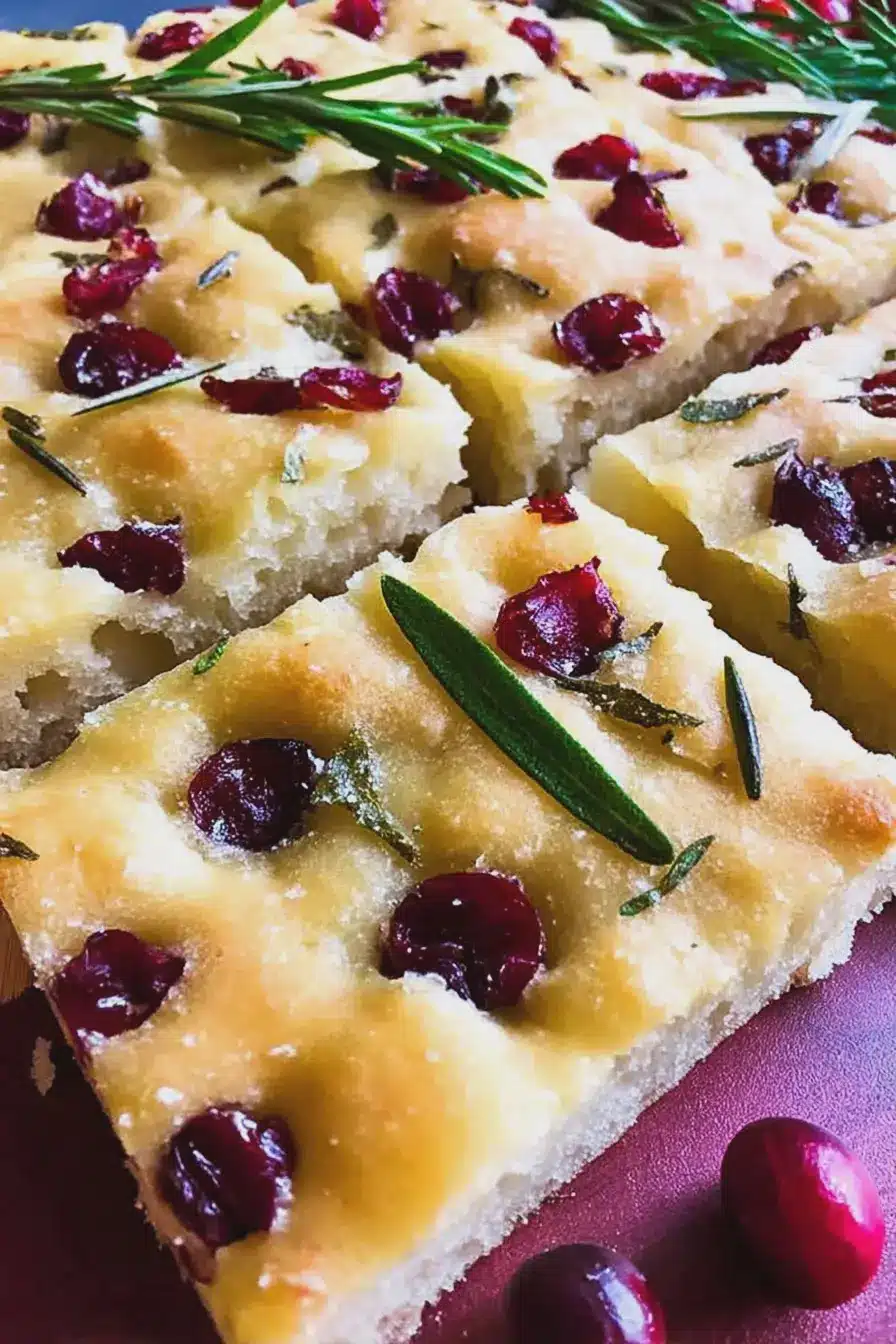
Rosemary Cherry Focaccia
Ingredients
Method
- Heat water to below boiling level. Add a pinch of sugar and add the yeast. Stir once to dissolve. In about 5 minutes you would see light foam beginning to appear on the surface.
- Take a large mixing bowl. Sieve in flour and salt. Add warm water, olive oil, and the yeast mixture. Mix the dough well, adding more water as required.
- Place the ball of dough in a large, lightly oiled bowl and cover with a cloth. Leave the dough to rise for 1.5 hours.
- Wash, wipe dry and pit the cherries. Slice into half and keep in olive oil. Wash, dry and mince the rosemary and sage leaves.
- Preheat the oven. Make holes on the surface of the dough, add rosemary or sage, olive oil, and cherries.
- Bake for 10 minutes at 250C, then reduce temperature to 190C and bake for 20 minutes until golden brown. Remove from oven and let cool.