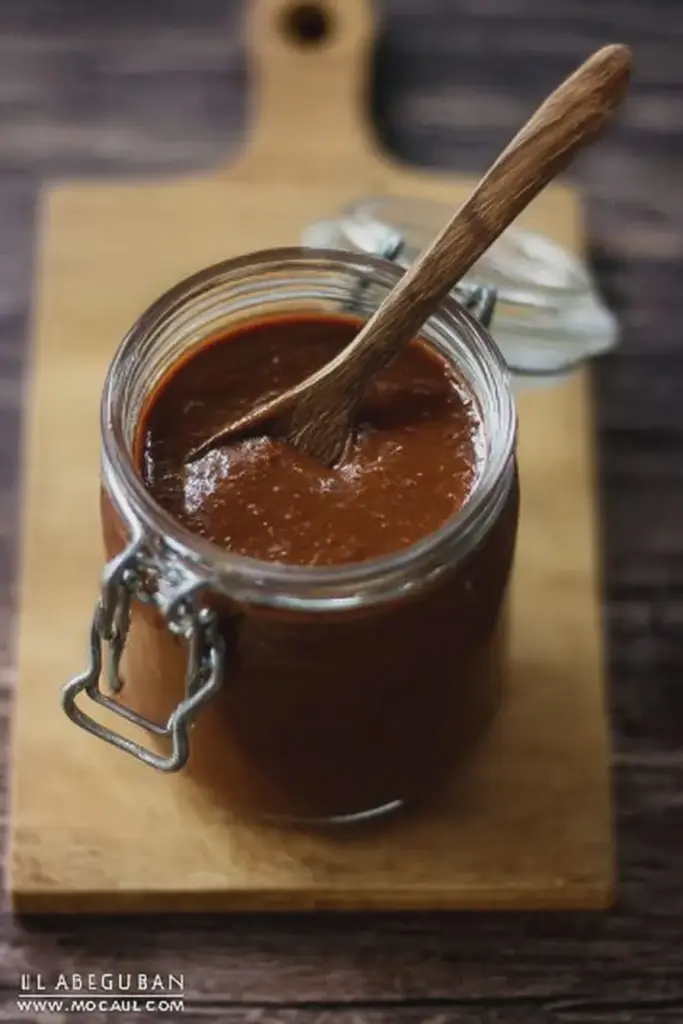
I started making this ginger peach barbecue sauce the summer my backyard filled with guests and I ran out of store-bought options that felt interesting. After a few iterations — too sweet, too thin, not enough bite — I landed on a version that keeps the grill bright and unexpected. Peaches bring that lush color and natural sugar; ginger cuts through with a warm, clean bite that makes people reach for seconds.
I cook it the way I build flavor in my kitchen: layers. I brown the onion until it’s glossy and fragrant, add garlic and fresh ginger to wake the sauce, then let the peaches and acids simmer until everything smells like late-afternoon fruit and smoke. That slow, uncovered simmer is where the sauce becomes glossy enough to cling to ribs without becoming syrupy.
Guests tell me they notice the fruit first — a ripe-peach perfume — then the ginger lingers like a polite nudge. I like to bring a jar to gatherings because it pairs with more than grilled chicken: try it with richer fish or spooned over roasted vegetables. Small tests in my kitchen taught me that tasting the fruit first saves a batch from being over-sweetened, and a little patience on the stove pays off in texture and depth.
Why Ginger Peach Barbecue Sauce Is a Game-Changer for Your BBQ
Why Ginger Peach Barbecue Sauce Is a Game-Changer for Your BBQ
This sauce gives you a different kind of barbecue balance: bright fruit sweetness tempered by gingery heat and a sturdy backbone of vinegar and tomato. Instead of one-note sugary glaze, you get layers — the peach’s sun-warmed aroma up front, a lemony lift from the vinegar, and a peppery finish from freshly cracked black pepper. Visually it’s a warm, sunset-orange gloss that looks beautiful brushed on meats and poured into a small bowl alongside sides.
On the grill it behaves differently than traditional molasses-heavy sauces: it caramelizes without choking on sugar and keeps fatty meats feeling lighter. I’ve used it on pork ribs, chicken thighs, and even as a finishing sauce on grilled salmon — it highlights the char without competing with it. It also makes a bright dressing base for salads, like a grilled chicken salad with fruit and bitter greens.
This sauce is a guest-pleaser because it’s not predictable. People often tell me it tastes homemade in the best possible way: familiar and comforting, but clearly made from real fruit and fresh ginger, not just pantry staples.
This sauce can complement dishes like a blackberry balsamic grilled chicken salad.
Everything You Need for Ginger Peach Barbecue Sauce
Below I talk through what each ingredient does and simple swaps so you can gather everything without hunting for exact brands. Remember: use the ripest peaches you can find for the best perfume and color.
- Olive oil – Starts the sauté and carries flavor; neutral oil works fine if you prefer.
- Onion – Builds savory depth and mellows the sweetness; yellow or sweet onions both work.
- Garlic – Adds aromatic backbone; crushed or minced yields more pronounced flavor than whole cloves.
- Fresh ginger – The key bright note that prevents the sauce from tasting cloying; grate for integration, thin slices for a milder bite.
- Peaches – The star: ripe peaches contribute sweetness, acidity, and that peach perfume; freestone varieties are easiest to peel.
- Orange juice – Adds fruity acidity and a citrus lift; substitute fresh citrus if you like it brighter.
- Cider vinegar – Balances sweetness and keeps the sauce tangy; apple or white wine vinegar can be used in a pinch.
- Ketchup – Gives tomato body and umami; canned tomatoes puréed work if you want less processed flavor.
- Honey – Optional sweetener; skip if peaches are very ripe or swap in maple or coconut sugar.
- Molasses – Adds color and a deep, bitter edge that keeps the sauce from tasting one-dimensional; omit for a lighter sauce.
- Worcestershire sauce – Adds savory complexity and a touch of fermented tang; for a vegan version, use a vegan Worcestershire or a splash of soy sauce and a dash of liquid smoke.
- Chili powder – Adds warmth and background spice; increase for more heat or swap in smoked paprika for a smoky profile.
- Cracked black pepper – Finishing spice; fresh cracked is more aromatic than pre-ground.
Balancing Sweetness: When to Skip the Honey (and Why)
Fruit sweetness fluctuates wildly with season and variety. Before you add any extra sugar, taste a slice of your peaches raw: if they’re syrupy and fragrant, you may not need the honey at all. If they’re firm and lightly sweet, a touch of honey brings balance without flattening the fruit’s character.
- Taste the raw peach first; if it juices easily and tastes floral-sweet, start the sauce without honey.
- After the sauce has simmered for a while, taste again — sugar concentrates during reduction, so wait until the sauce has cooked down before deciding to sweeten.
- If you need to sweeten, add small amounts, taste, and repeat until the balance feels right; the goal is harmony between acid, fruit, and spice, not overt sweetness.
- Natural alternatives: use maple syrup for depth, coconut sugar for lower glycemic impact, or a spoonful of a preserves-style spread for texture.
- For those who enjoy a spicy kick, try this homemade hot pepper jelly as a sweetener alternative — it adds heat and preserves the bright peach notes.
Texture & Body: How to Get the Right Thickness for Glazing
The thickness you want depends on how you’ll use the sauce: a brushable glaze should cling to meat; a sauce for dipping can be a touch looser. Visual and tactile cues matter more than exact measures — look for a glossy sheen and that the sauce coats the back of a spoon.
- Simmer uncovered to reduce water and concentrate flavor; steady bubbles and a gentle reduction will tighten the texture without burning sugars.
- Blend for a smooth glaze or pulse less for a chunky, rustic finish — a blender or immersion blender changes mouthfeel dramatically.
- If the sauce is too thin, continue simmering until it coats a spoon; watch closely so it doesn’t over-reduce and become sticky once cooled.
- If it’s too thick, thin with a splash of water, orange juice, or more vinegar, adding liquid a little at a time until you reach the right pour.
- For a glossy, clingy finish, finish the sauce with a small spoonful of molasses or tomato paste while it’s still hot and whisk until integrated.
The One Ingredient That Changes Everything: Fresh Ginger
Fresh ginger contains volatile aromatics — like gingerol — that give a bright, peppery lift you won’t get from dried powder. As it cooks, those aromatics mellow and become warm and slightly sweet, layering under the peaches rather than competing with them.
Ways to prepare ginger matter: grating releases intense flavor and disperses it through the sauce; thin matchsticks will give little pops of zing if you prefer texture; a light bruising and long simmer will mellow the ginger into a softer warmth.
There are added benefits beyond flavor: fresh ginger aids digestion and gives the sauce a fresh, invigorating aroma as it simmers — that first puff of steam will smell bright and peppery, signaling the sauce is coming together.
How to Make Ginger Peach Barbecue Sauce (Step-by-Step)
These are the tools and the flow I use in my kitchen so the sauce finishes glossy, balanced, and ready for the grill.
- Tools: heavy-bottomed saucepan or sauté pan, wooden spoon, blender or immersion blender, fine mesh strainer if you want a silkier finish.
- Start by heating oil and gently sautéing diced onion until it’s translucent and just beginning to pick up color — this is flavor foundation.
- Add crushed garlic and freshly grated ginger; cook briefly until fragrant but not browned, about a minute.
- Add chopped peaches, orange juice, cider vinegar, ketchup, molasses, Worcestershire sauce, and spices. Stir to combine and bring to a gentle simmer.
- Simmer uncovered for 30–45 minutes, stirring occasionally, until the fruit breaks down and the sauce reduces to a glossy consistency.
- Remove from heat and either purée until smooth or leave slightly chunky, depending on your preference; strain if you want extra silkiness.
- Adjust seasoning and sweetness after reducing: taste, then add honey or an alternative only if needed.
- Cool slightly before using as a glaze so it thickens; brush it on during the last minutes of grilling to avoid burning the sugars.
Troubleshooting:
- I once oversweetened a batch — I fixed it by brightening with extra cider vinegar and a squeeze of fresh orange to restore balance.
- If your sauce tastes flat, a pinch more salt or a splash of Worcestershire instantly lifts the savory notes.
- If your sauce separates after cooling, whisk it briefly over low heat to reincorporate, then cool and store in a clean jar.
Add a side of honey garlic roasted baby carrots to elevate your BBQ meal.
Pro Tip for ginger peach barbecue sauce: Taste Fruit First, Then Sweeten
Here are concise, practical pro tips I follow every time. These are scannable so you can check them while you cook.
- Taste raw peaches before you start — that determines whether you add honey later.
- Cook low and slow during reduction; it’s better to simmer longer than to add sugar to mask undercooked fruit flavor.
- Grate ginger with a microplane for even distribution; reserve a few thin slices if you want little bursts of freshness in the finished sauce.
- Finish with pepper after cooling slightly to preserve its aromatics; freshly cracked is more lively than pre-ground.
- Label jars with the date — homemade fruit sauces vary batch to batch; note which peaches you used for future reference.
How to Store, Make Ahead, and Easy Variations (Low‑Sugar, Vegan)
Make this sauce ahead of time and your next gathering becomes effortless. Here are practical storage notes and some easy swaps for dietary needs.
- Storage: cool completely and store in an airtight jar in the refrigerator; the sauce will keep for up to two weeks when chilled properly.
- Freezing: portion into small containers or ice cube trays for longer storage; thaw gently and reheat before using.
- Containers: use glass jars or food-safe plastic; avoid reactive metal containers for storage.
- Signs of spoilage: off-odor, visible mold, or bubbling in the jar (outside of normal fermentation) — discard if any of these appear.
Variations (scannable):
- Low-sugar – Rely on very ripe peaches, reduce or omit honey, and swap molasses for a smaller amount of dark maple to keep depth while lowering refined sugar.
- Vegan – Use maple syrup or agave in place of honey and substitute a vegan Worcestershire or tamari plus a touch of liquid smoke for that savory note.
- Tropical twist – Replace or combine peaches with mango or pineapple for a brighter, more acidic profile.
- Smoky – Add a dash of smoked paprika or liquid smoke for barbecue-forward results that pair well with pork and brisket.
Consider pairing your ginger peach barbecue sauce with cajun honey butter salmon for a delightful twist.
Serving Suggestions
I like to serve this sauce in a small bowl for guests to spoon over grilled chicken, or brushed on during the last five minutes of cooking for a sticky, glossy finish. It’s equally handsome on roasted vegetables, slathered on pork ribs, or mixed into a warm grain bowl with charred corn and greens. Keep a jar in the fridge — it’s an easy way to add a thoughtful, homemade touch to summer plates.
Frequently Asked Questions
Do ginger and peach go together? Absolutely! The spicy kick from ginger pairs beautifully with the sweetness of peaches, making for a delicious combination in dishes like this barbecue sauce.
Can I adjust the sweetness of the sauce? Yes! Depending on the ripeness of your peaches, you may not need to add honey. Always taste first, and then decide if you want to sweeten it further.
How can I get the right thickness for my sauce? To achieve the ideal glaze texture, let the sauce simmer uncovered for 30-45 minutes. This will help it thicken nicely without becoming too runny.
What is the role of fresh ginger in the sauce? Fresh ginger is crucial for bringing a vibrant flavor to the sauce. It adds a warm spiciness that complements the sweetness of the peaches.
How should I store leftover ginger peach barbecue sauce? Store the sauce in an airtight container in the refrigerator for up to two weeks. You can also freeze it for longer storage, making it easy to prepare in advance!
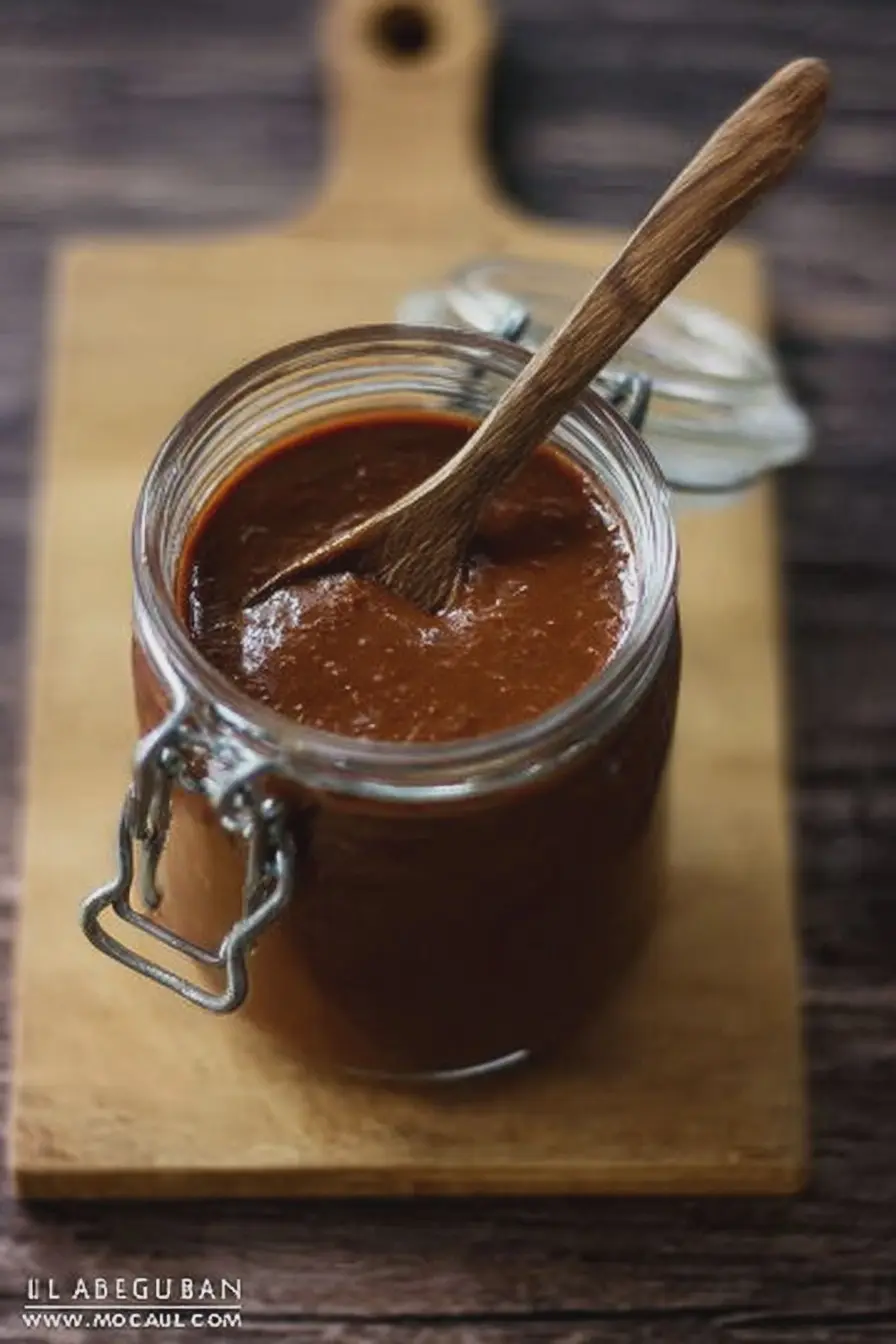
Ginger Peach Barbecue Sauce
Ingredients
Method
- Saute the onions until they get a little bit golden and soft. Then add the garlic and ginger.
- Cook a few more moments until fragrant.
- Finally, slip in the rest of the ingredients and gently simmer (uncovered) for 30-45 minutes.
- Puree and serve.