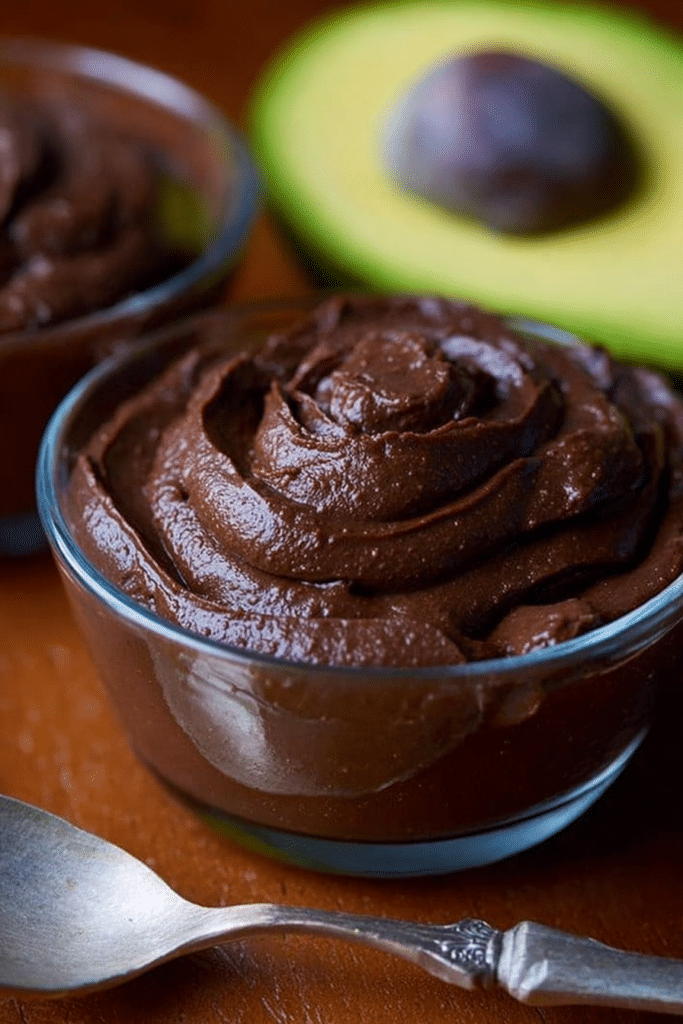
I make this avocado chocolate mousse when I need a quick chocolate fix that won’t leave me feeling heavy. In my kitchen it’s the dessert I reach for on weeknights and when friends pop over unexpectedly — it takes minutes and looks like something that took much longer. The color is a deep, glossy brown and the first spoonful gives a velvety, almost custard-like texture that surprises people every time.
What I love most is how few ingredients you need to get that lush mouthfeel: ripe avocados for creamy body, cocoa for depth, a touch of vanilla and sweetener to balance. Because of the healthy fats and fiber, it keeps you satisfied in a different way than a sugar-heavy mousse — it feels like an indulgence that also behaves like real food.
Over the years I’ve tweaked the method so the texture is consistently silky and never grainy. A short chill time helps the mousse set and intensifies the chocolate, and small adjustments to the sweetener let you tailor it to keto, paleo, or lower-sugar preferences. If you like playing with flavors, it’s a great base to riff on — from citrus zest to a hint of espresso.
Make a bowl when you need something fast and beautiful on the table; it pairs surprisingly well with savory mains when you want a light finish to a meal.
Why This Avocado Chocolate Mousse Is Perfect for Busy, Health-Conscious Eaters
This mousse hits three real needs for the time-pressed, health-minded cook: speed, satiety, and simplicity. It literally takes about five minutes of active blending — no baking, no tempering, no fuss — so it’s ideal for when your day runs long but you still want a satisfying finish.
On the nutrition side, the avocados provide mostly monounsaturated fats that support heart health and keep you full longer than a sugar-heavy treat. Because the ingredient list is minimal, shopping and prep are uncomplicated — you don’t need an arsenal of specialty items to get a dessert that feels indulgent.
Visually the mousse is convincing: glossy, dark, and thick enough to mound on a spoon. Texture-wise it’s silky and substantial, not airy like a whipped cream mousse, which makes it feel like a real, grown-up dessert rather than a diet gimmick.
Everything You Need for Avocado Chocolate Mousse
Gather ripe fruit, good-quality cocoa or chocolate, and a blender or food processor. The difference between a so-so and a stunning mousse often comes down to avocado ripeness, a measured approach to liquid, and your choice between cocoa or melted chocolate.
- Ripe avocados – The backbone of the texture; they should be soft and yielding to the touch so the mousse blends silky rather than grainy.
- Cocoa powder – Adds deep chocolate flavor and a dry richness; choose dutch-processed if you want a smoother, less acidic chocolate note.
- Melted chocolate (optional) – For a richer, more dessert-like mousse; it will increase fat and sweetness compared to using cocoa alone.
- Milk of choice – A small splash thins and smooths the blend; use almond, oat, coconut, or any plant milk that fits your diet.
- Pure vanilla extract – Brightens and rounds the chocolate flavor.
- Salt – A tiny pinch amplifies the chocolate; don’t skip it.
- Sweetener of choice – Maple, agave, low-carb sweeteners, or a sugar alternative — choose based on your dietary goals and desired sweetness.
- Tools – A high-speed blender or food processor, a spatula for scraping, and bowls for chilling and serving.
Why Avocado Works in Desserts: Nutrition & Texture Explained
Avocados are unique in desserts because their fat profile and cellular structure create an exceptionally smooth, creamy mouthfeel without dairy. The monounsaturated fats help carry flavor the way butter or cream would, yet they’re lighter on the palate and contribute beneficial nutrients.
They’re also a good source of fiber, which slows digestion and contributes to that satisfying feeling after a small serving of mousse. On top of that, avocados contain vitamins like C, E, K, and several B vitamins, plus antioxidants such as lutein and zeaxanthin. Those nutrients make the dessert feel more like nourishing food than an empty-calorie treat.
If you’re curious about other ways to enjoy avocado, try a savory preparation alongside this mousse for contrast — for example, a bright, well-seasoned guacamole can sit at the opposite end of your menu to highlight the avocado’s versatility.
To explore more about avocados and their versatility, don’t forget to try our best ever guacamole.
The Secret to Silky, Chocolatey Texture Without Dairy
The kitchen science is straightforward: avocados act as an emulsifier and binder because their oils create a uniform matrix when blended with liquids. Cocoa powder, which is dry, helps absorb some moisture and gives body, while melted chocolate contributes cocoa butter for extra silkiness.
Two technique points make the biggest difference: the order and the blending. Start with the avocados and liquids so the blades can break down the fruit uniformly, then add dry ingredients. Blend at a steady high speed and scrape the sides frequently so you don’t end up with green streaks or bits of unblended avocado.
Finally, a short chill firms the mousse and lets flavors meld — cold influences mouthfeel, making the mousse seem denser and more indulgent even though it’s made from whole-food ingredients.
How to Make Avocado Chocolate Mousse (Step-by-Step)
- Halve and pit ripe avocados, then scoop the flesh into the blender or food processor bowl.
- Add your cocoa or, if using, melted chocolate. Remember that melted chocolate will yield a richer, sweeter result than cocoa alone.
- Pour in a small amount of your chosen milk and add vanilla and a pinch of salt to balance flavors.
- Add your sweetener a little at a time and reserve some to adjust after blending.
- Blend on high, stopping to scrape down the bowl so everything becomes uniformly smooth. Continue until the texture is completely silky — no lumps or green flecks should remain.
- Taste and adjust: if it’s too bitter add a touch more sweetener; if it’s too dense add a splash more milk and blend briefly.
- Transfer to serving bowls and chill briefly to set (this also deepens the chocolate flavor). Garnish as desired and serve.
Pro Tip for avocado chocolate mousse: Adjusting Sweetness & Cocoa for Keto, Paleo, or Lower Sugar
- For keto: use a zero-calorie sweetener like erythritol or monk fruit and opt for unsweetened cocoa or a very high-percentage dark chocolate melted into the mix.
- For paleo: choose natural sweeteners such as raw honey or pure maple syrup and use cocoa powder rather than processed chocolate if you want to reduce added sugars.
- Lower-sugar approach: cut back on sweetener and rely on ripe avocados plus a pinch of salt and vanilla to bring out the chocolate notes; increase cocoa slightly for more intensity.
- If you want an ultra-rich finish without extra sugar, stir in a small amount of melted dark chocolate at the end rather than relying solely on sweetened chips.
- If you need other minimal-ingredient dessert options for quick snacking, try this simple recipe as an alternative: 3-ingredient chia pudding.
Variations: Keto, Paleo, Nut-Free, and Lower-Sugar Options
- Keto – Swap maple for erythritol or monk fruit, use unsweetened full-fat coconut milk, and boost cocoa for intense chocolate without carbs.
- Paleo – Use maple syrup or honey and choose coconut milk; stick with cocoa powder to avoid processed chocolates with added dairy.
- Nut-free – Use oat, rice, or canned coconut milk; avoid almond milk and nut toppings — seeds and toasted coconut are great alternatives.
- Lower-sugar – Reduce added sweetener and rely on very ripe avocados plus vanilla and salt; add fresh berries for a natural sweet pop.
- Flavor twists – Add a pinch of espresso powder for depth or a splash of citrus zest for brightness; for a coconut-chocolate riff, fold in a little shredded coconut or coconut cream.
- For more vegan-friendly dessert ideas that pair well with this mousse as a different sweet option, try our decadent vegan raspberry coconut fudge.
Troubleshooting
- If the mousse is grainy: blend longer at high speed and scrape the bowl thoroughly; choose very ripe avocados to avoid a fibrous texture.
- If it tastes too bitter: add a touch more sweetener and a pinch more salt to round out the cocoa bitterness.
- If it’s too thin: chill it to allow slight firming, or add a touch more cocoa powder and blend briefly to thicken.
- If it’s too thick: add small amounts of milk and blend again until you reach the desired creaminess.
- If it browns on the surface: press plastic wrap directly onto the mousse or stir in a tiny bit of acid (like a squeeze of citrus) to slow oxidation, then chill promptly.
- From my kitchen: when guests prefer a dessert that reads fully indulgent, I add a little melted dark chocolate for gloss and serve it with a flake of sea salt on top.
How to Store, Make-Ahead, and Serve This Mousse
This mousse keeps well in the refrigerator for a few days when stored correctly. It’s also lovely to make ahead for a dinner party and plate just before guests arrive.
- Storage: cover the surface directly with plastic wrap to minimize air contact and refrigerate; it will keep for up to three days with minimal change in texture.
- Make-ahead: prepare the mousse and chill; if it firms more than you like, let it sit at room temperature briefly before serving or stir in a little milk to loosen.
- Serving suggestions: top with fresh berries, a dollop of coconut whipped cream, toasted seeds or nuts, or a sprinkle of flaky sea salt for contrast.
- Not a great candidate for freezing — the texture can become watery after thawing, so I recommend keeping it chilled rather than frozen.
- This mousse can also be a light-sweet finish after a savory main; it pairs surprisingly well alongside heartier dishes — for a playful contrast try it after a rich seafood course like creamy garlic butter lobster tails.
Frequently Asked Questions
Is this avocado chocolate mousse vegan? Yes, this recipe is vegan when you use plant-based milk and a plant-based sweetener.
Can I use different types of sweeteners? Absolutely! You can substitute maple syrup with other sweeteners like agave nectar, honey (not vegan), or stevia according to your preference.
How long does the mousse last in the fridge? The mousse can be stored in the fridge for up to 3 days. Just make sure to cover it to prevent browning.
Can I make this mousse without cocoa powder? Yes — you can use melted chocolate instead of cocoa powder for a richer flavor. Be mindful of the sweetness when you choose this route.
Is this dessert suitable for keto or paleo diets? Yes, you can easily adjust the sweetness and cocoa levels to fit keto or paleo diets. See the variations section for specific swaps and tips.
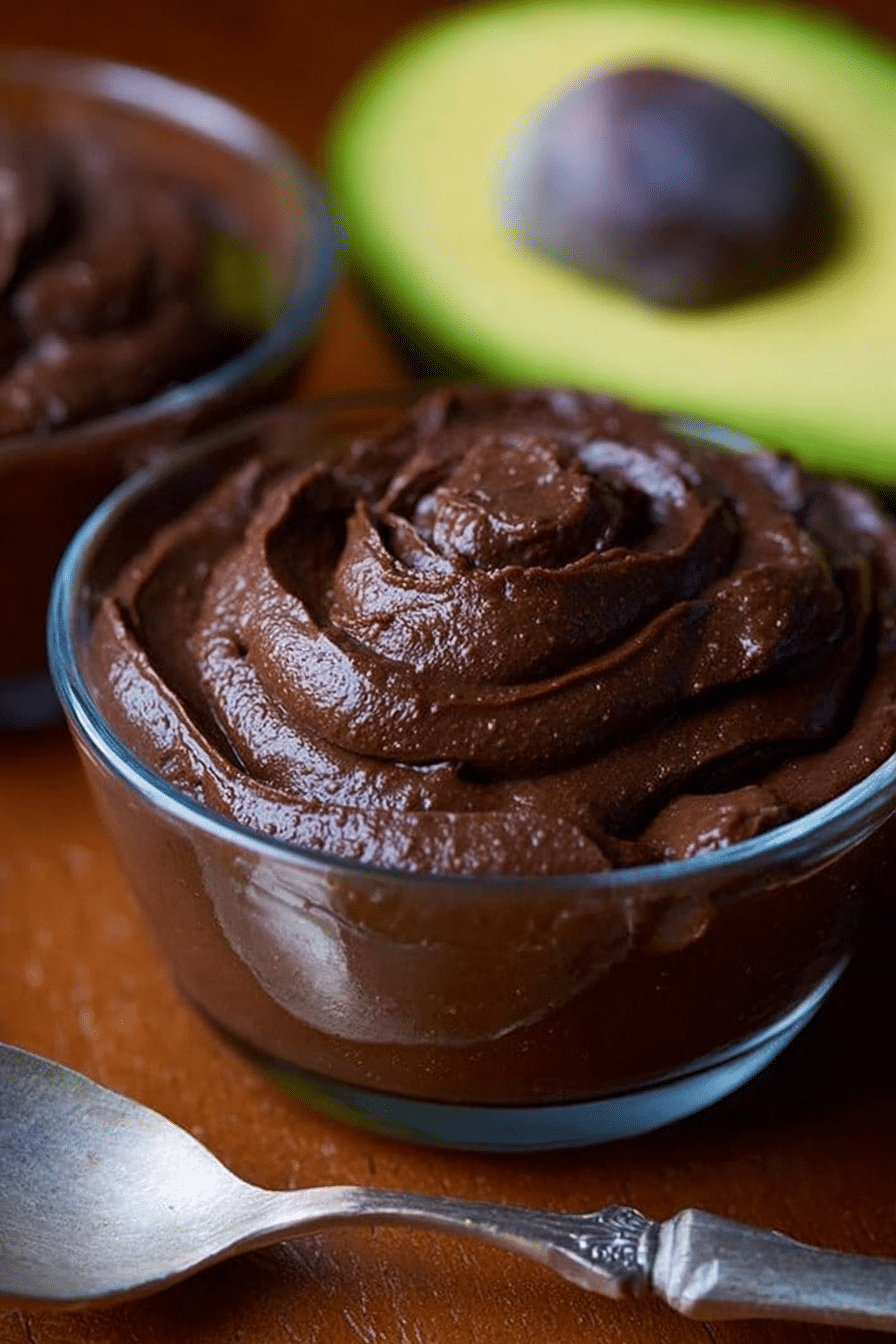
Avocado Chocolate Mousse
Ingredients
Method
- Combine all ingredients in a blender or food processor until completely smooth.