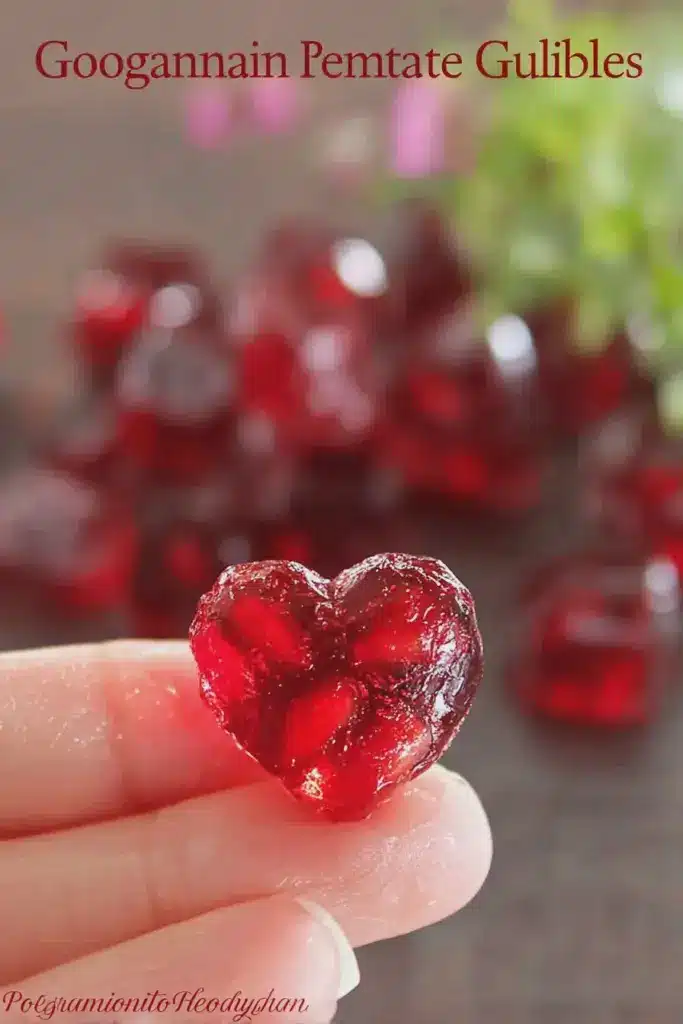
I started making these pomegranate gummies because my kids would reach for boring, packaged snacks and I wanted something bright, chewy, and genuinely nourishing to tuck into lunchboxes. I remember the first time I poured the glossy red mixture into molds — my youngest squealed before the gummies had even set. That vivid color and the sweet-tart pomegranate flavor are instant attention-grabbers for little hands.
In my kitchen I like snacks that are quick to make and forgiving when life gets messy. These gummies hit that sweet spot: they come together in minutes, set while you clean up the counter, and feel special without taking a lot of fuss. I like giving them to my kids as a midday treat or a post-play pick-me-up because they’re chewy, fun to eat, and not overloaded with artificial stuff.
Over the years I’ve tweaked the texture and sweetness for picky eaters and swapped ingredients for dietary needs. I’ll share the practical tips I learned the hard way — from avoiding clumpy gelatin to how to pack them for school. If you want to add a playful dessert later, to further engage your little ones, consider introducing our
To further engage your little ones, consider introducing our Kids’ Dirt Dessert with Gummy Worms, which adds fun and creativity to their snack time!
— the gummies make a cute topping.
Why these pomegranate gummies are perfect for picky kids
Kids typically respond to snacks that are colorful, slightly sweet, and easy to hold — and these gummies check all three boxes. The pomegranate brings a natural fruity brightness that reads as sweet without tasting cloying; kids often describe it as ‘tart and fun.’ The gummy texture gives a satisfying chew that’s very different from crunchy crackers or soft fruit — it’s hands-on and playful.
The vivid red color makes them feel special: children often choose food that looks exciting, so these are great for encouraging kids to try something new. Visually and texturally they stand out next to typical snacks, and that novelty helps even the pickiest eaters give them a chance.
Everything You Need for Pomegranate Gummies
I lay out my mise en place when I make these — having a whisk and molds ready saves a lot of scrambling while the mixture is hot.
- Pomegranate syrup or juice – Provides the fruity base and color; if you want a richer flavor, use a cooked-down syrup or a good-quality juice.
- Gelatin – This is what gives gummies their bounce and chew; use a plain gelatin powder for predictable texture. For vegetarian needs, see substitution note below.
- Honey (or alternative sweetener) – Adds balanced sweetness and a mellow aroma; gentle on tiny palates. There are reliable swaps if you need them.
- Water or additional liquid – Helps dissolve the gelatin and sets the final firmness when combined with the syrup.
- Equipment: saucepan, whisk, silicone molds or a shallow dish, and airtight container – A small saucepan and a steady whisk make dissolving gelatin easy; silicone molds release gummies cleanly.
- Substitutes and allergy notes – If someone is allergic to gelatin, you can experiment with plant-based gelling agents, but expect a different texture. For sweetener swaps, agave or maple will give a slightly different flavor profile but keep texture similar when used in similar volume.
How to Make Pomegranate Gummies (Step-by-Step)
- Warm the fruit base and water together in a small saucepan until the liquid is steaming and just at a simmer; you want it hot enough to dissolve gelatin but not boiling aggressively.
- Remove the pan from heat and add gelatin slowly, sprinkling or adding a spoonful at a time while you whisk continuously so no lumps form.
- Once the gelatin is fully incorporated and the mixture looks glossy and smooth, stir in your sweetener and any remaining syrup or juice until evenly mixed.
- Carefully ladle the mixture into silicone molds or pour into a shallow dish; tapping the molds on the counter will level the surface and release any tiny air bubbles.
- Let the molds cool to room temperature, then transfer to the refrigerator to set completely; allow enough time so the centers are firm before unmolding or cutting.
- Pop gummies from molds or cut into cubes, then store in an airtight container in the fridge.
When you add gelatin, keep the heat controlled and whisk continuously — that’s the biggest trick to avoid gritty spots. If you ever see a stubborn clump, I usually fish it out with a spoon; it’s better than overworking the mixture.
The Secret to the Perfect Gummy Texture
Texture comes down to two simple things: the amount of gelatin relative to liquid and how thoroughly the gelatin is dissolved. More gelatin gives a firmer, bouncier gummy; less gives a softer, chewier bite. The sheen and bounce you want come from fully hydrating and dissolving the gelatin in warm liquid so the strands set uniformly.
Practical adjustments:
- To make firmer gummies, increase the gelatin relative to the liquid.
- For softer, chewier pieces, reduce gelatin slightly or add a bit more juice to the mixture.
- If your gummies are sticky after setting, a quick chill in the refrigerator before unmolding helps them release cleanly; storing them with a small dusting of cornstarch can reduce tackiness for packing.
How Gelatin Supports Gut and Joint Health
Gelatin is derived from collagen; when consumed regularly it supplies amino acids that support connective tissues. For adults, these amino acids can be helpful for joint comfort, especially when paired with an active lifestyle. For kids, gelatin is an easy way to add protein-adjacent nutrients in a snack format they enjoy.
There are also potential benefits for gut health: gelatin can help support the gut lining by providing glycine and other amino acids that play a role in digestion and mucosal health. That said, gummies are a snack — they complement a balanced diet rather than replace whole sources of protein and nutrients.
Picking Pomegranate Juice or Making Your Own Syrup
Different juices vary in sweetness and tartness — a 100% pomegranate juice tends to be brighter and more tart, while some supermarket blends are sweeter and milder. If you prefer a richer, deeper flavor, I make a quick syrup from fresh juice by reducing it gently on the stove; it concentrates flavor and color and gives you better control over sweetness.
- To make a simple syrup: simmer pomegranate juice until it reduces and thickens slightly, then cool before using in the gummy mix.
- Watch the color as it reduces — it will darken and become glossy as water evaporates.
- Store extra syrup in the fridge and use it for drinks, drizzle over yogurt, or fold into other snacks.
The scent of the syrup while it reduces fills the kitchen with a fruity perfume that kids always notice — that aroma alone sells the snack.
Pro Tip for pomegranate gummies: swap sweeteners without losing texture
Here are my tested sweetener swaps and how to handle them — these are written as quick reference points so you can make substitutions confidently.
- Honey — gives a warm, rounded sweetness and mild floral aroma; it’s what I reach for most often.
- Maple syrup — offers a deeper, woodsy sweetness; it will slightly change the flavor but keeps the set consistent.
- Agave — milder and sweeter than honey; if you use it, taste the mixture before setting so you don’t over-sweeten.
- Simple syrup (sugar dissolved in water) — neutral flavor and predictable sweetness; texture remains stable.
- For sugar-free needs — use a liquid non-nutritive sweetener with similar volume to the original sweetener; be aware it can change mouthfeel, so test a small batch first.
Troubleshooting
I test these fixes frequently in my kitchen; here are quick solutions if something goes sideways.
- Grainy or clumpy gelatin — gently reheat the mixture and whisk until the gelatin fully dissolves; add a splash of hot liquid if needed.
- Gummies too soft — next batch, increase the gelatin slightly or reduce the liquid a touch.
- Gummies too firm or rubbery — reduce gelatin a little or add more juice to soften the set.
- Sticky gummies — chill fully before unmolding; toss lightly in a tiny amount of cornstarch or powdered sugar when packing.
- Off or bitter taste from juice — use a different brand or balance with a touch more sweetener; reducing fresh juice into syrup mellows sharp edges.
Variations
Try these child-friendly twists — each keeps the basic method but changes flavor or nutrition.
- Mix in vitamin-rich purees like apple or pear for a milder flavor and extra sweetness.
- Add a splash of citrus juice for brightness — it lifts the pomegranate and helps balance sweetness.
- Fold in a small amount of fruit puree for a two-tone gummy experience kids enjoy visually.
- For a protein boost, use a collagen peptide powder in addition to or in place of some gelatin (test texture, as it can change firmness).
How to Store, Pack, and Serve Pomegranate Gummies
Store gummies in an airtight container in the refrigerator to keep them firm and fresh. They hold well for about a week when chilled; for longer storage, freeze them briefly on a tray before bagging so they don’t clump together.
For lunchboxes, use a small airtight container or a silicone cupcake liner inside a lunchbox to prevent sticking. For parties, arrange gummies on a platter or use them as a colorful topper for other treats — they pair nicely with mild cheeses and fruit. Pair your gummies with a refreshing drink like our
Pair your gummies with a refreshing drink like our Cinnamon Apple Cream Punch to create a delightful snack experience.
Nutritional Benefits of Pomegranate Gummies for Adults
Pomegranate provides antioxidants called polyphenols that support general health; while gummies aren’t a replacement for whole fruit, using real pomegranate juice or a reduced syrup introduces some of those beneficial compounds. For active adults, the amino acids in gelatin can complement recovery by supporting connective tissue repair.
If you’re watching sugar, choose a less sweet juice or reduce sweetener and balance with tartness. For an elegant adult treat that highlights similar flavors, consider pairing your gummies with a complementary dessert like this one:
Community Stories: Pomegranate Gummy Recipes and Experiences
I love hearing how readers adapt this recipe — one person shared a version with added vitamin C powder for their picky preschooler, another swapped in pureed berries for a two-tone look. Please send your tweaks and photos; I collect them for inspiration and often pass practical ideas along to other parents.
For a savory-sweet pairing, try serving gummies alongside simple appetizers — for instance, these
For a delicious appetizer, try making Pomegranate Goat Cheese Bites that pair well with your homemade gummies.
work surprisingly well at small gatherings, linking sweet and savory flavors.
Frequently Asked Questions
Can I use store-bought pomegranate syrup instead of making my own? Absolutely! Store-bought pomegranate syrup works perfectly for this recipe and saves you time.
How do I prevent clumps in my gummy mixture? To avoid clumps, add the gelatin one tablespoon at a time while whisking continuously until smooth.
Can I use a different sweetener instead of honey? Yes! You can swap honey for alternatives like agave syrup or maple syrup without losing the gummy texture.
How should I store my pomegranate gummies? Store your gummies in an airtight container or mason jar in the fridge. They can last for about a week!
Are these gummies suitable for kids with dietary restrictions? These gummies are kid-friendly but do check for any allergies to gelatin or pomegranate, and feel free to adjust the sweeteners to fit dietary needs.
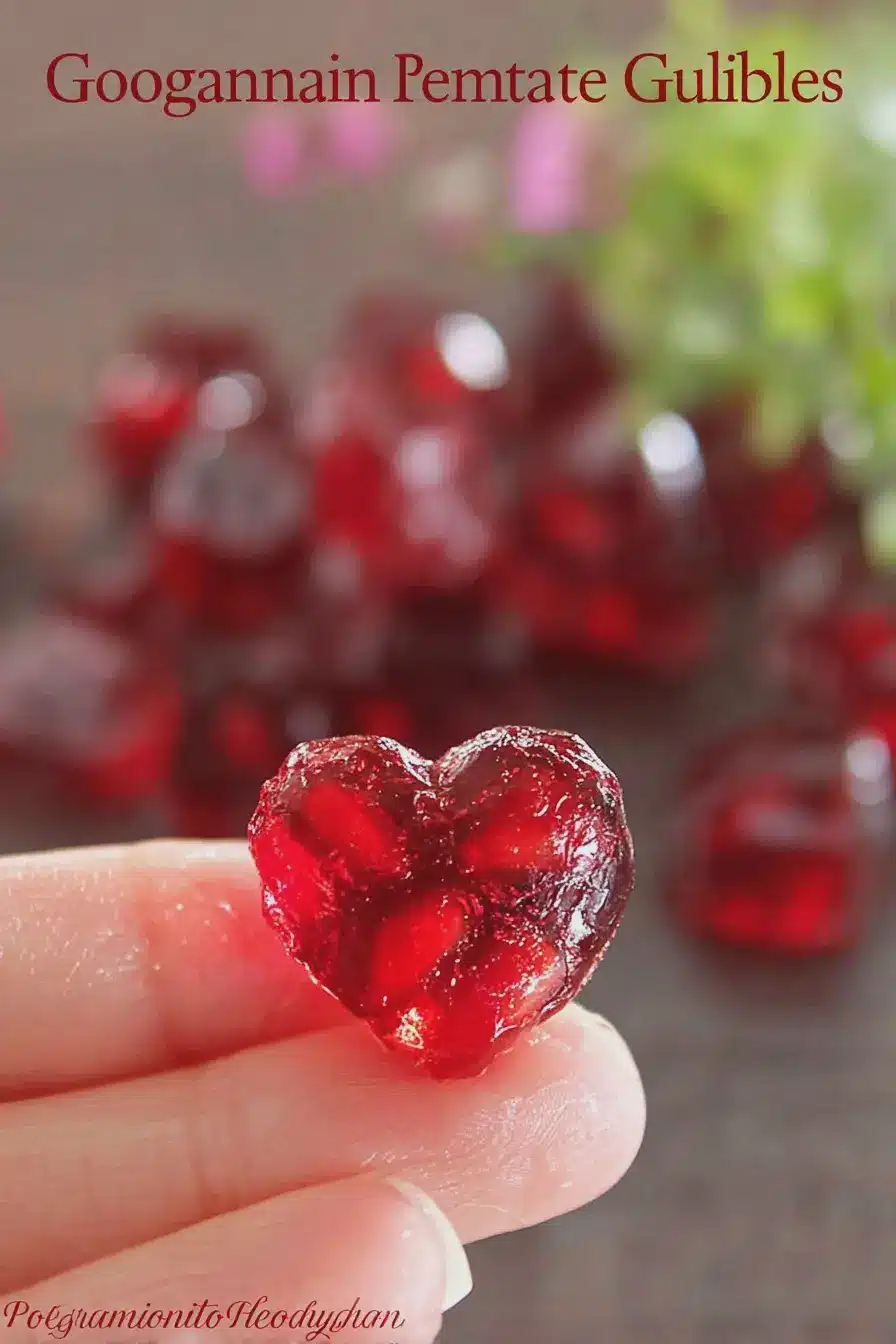
Ingredients
Method
- Pour 1 cup water and 1/4 cup pomegranate syrup into a small saucepan.
- Bring to a boil. Remove from heat and immediately add gelatin one tablespoon at a time and whisk till smooth. If there are any clumps you can't get to dissolve just remove them.
- Stir in raw honey and the other 1/4 cup pomegranate syrup. Whisk.
- Ladle into molds or glass dish.
- When solid, pop gummies out of molds (or cut into cubes if using a glass dish). Place in a mason jar or tupperware and keep in fridge. Enjoy several a day!