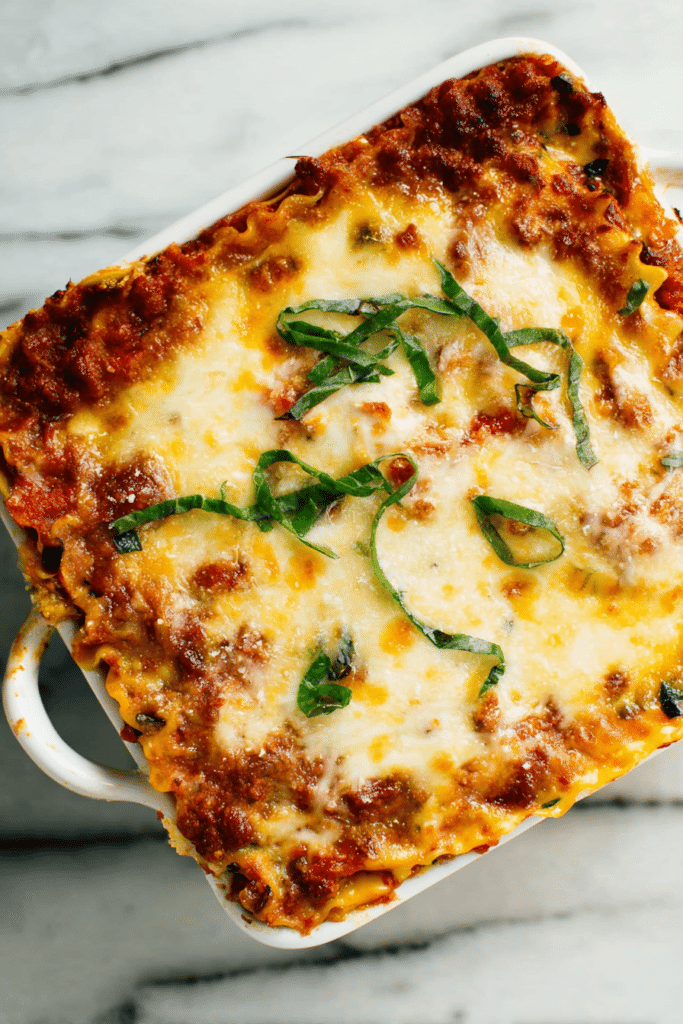
I make a big lasagna when I want a healthy, comforting dinner that feeds the whole family and leaves us with easy lunches for days. I’ve cooked this version many times—sautéing the carrots, peppers, zucchini and onion until the edges caramelize gives the filling real depth without heavy sauces. In my kitchen this dish always smells like Sunday: sweet tomatoes, warm basil and toasty vegetables melding together.
What I love most is how balanced it feels on the plate. The vegetables bring fiber, color and plant-based nutrients, while the cottage cheese keeps each slice creamy without being glued together by heavy ricotta. I’ve learned which steps matter most: sweat the veg well, drain the tomatoes, and give the lasagna time to rest so the layers set.
I also make this when I’m feeding kids who are picky about textures; the vegetables soften but keep a pleasant bite, and the bright tomato sauce makes every slice appealing. If you want a slightly different take, try our
Enhance your lasagna with the flavors of Balsamic Glazed Roasted Vegetables that can complement the dish beautifully.
Why this Best Vegetable Lasagna is a healthy, family-friendly meal
This lasagna is built around nutrient-dense vegetables and lighter dairy to deliver a satisfying, balanced plate. The carrots and bell pepper supply beta-carotene and vitamin C, zucchini adds hydration and fiber, and spinach brings iron and folate. Together these ingredients stretch the dish so smaller portions still feel filling for adults and kids.
It fits into a balanced diet because it pairs complex carbs (lasagna noodles) with protein from cottage cheese and a hearty dose of vegetables. You can easily increase the veggie-to-cheese ratio to make it more plant-forward without losing the comforting texture that makes lasagna a family favorite.
The recipe is also ideal for meal prep and gatherings: bake once, serve many times. The lasagna holds together well after refrigeration and freezes beautifully for later meals—an efficient weeknight strategy for busy families.
Everything You Need for Best Vegetable Lasagna
Collect good-quality, fresh vegetables and simple pantry staples. A food processor will speed up chopping and smoothing steps, and a large skillet helps you caramelize the vegetables properly. For tools, a 9″ square baking dish, a mesh sieve for draining tomatoes, and a box grater for fresh cheese make the process much smoother.
Look for vegetables that feel firm and vibrant at the market: glossy bell peppers, springy zucchini, and carrots without soft spots. If you can, buy organic or locally grown produce for maximum flavor. And if you want a richer roasted vegetable dimension, you can pair this lasagna with
Enhance your lasagna with the flavors of Balsamic Glazed Roasted Vegetables that can complement the dish beautifully.
- Extra-virgin olive oil – Adds healthy fat and helps the vegetables brown without sticking.
- Carrots – Bring natural sweetness and firm texture when sautéed.
- Red bell pepper – Offers bright color and vitamin C; swap with roasted red peppers if you like a milder flavor.
- Zucchini – Holds moisture and light bite; use firm, not overripe, zucchini to avoid excess water.
- Yellow onion – Builds savory depth when caramelized.
- Salt – Season during cooking to concentrate flavors; adjust at the end.
- Baby spinach – Wilts quickly and adds iron and volume without heavy texture.
- Diced tomatoes – Make the bright tomato sauce base; drain excess juice for a thicker sauce.
- Fresh basil – Adds aromatic freshness and balances acidity.
- Garlic – For savory lift; press or mince so it blends smoothly into the sauce.
- Red pepper flakes – Optional, for a gentle heat that enhances the tomatoes.
- Cottage cheese – Keeps the filling creamy with less fat than some alternatives; you can puree it for smoothness.
- No-boil lasagna noodles – Convenient and absorb sauce during baking; regular noodles are fine if you prefer a chewier bite.
- Low-moisture part-skim mozzarella – Melts and browns attractively without excessive oil.
Nutritional Breakdown: What’s in each serving
Per serving this lasagna provides a balanced macronutrient profile: roughly 335 calories, 8.5 g fat, 42.2 g carbohydrates and 19.3 g protein. The vegetables and whole ingredients contribute fiber, vitamins and minerals that help you feel full longer.
Fiber from the carrots, zucchini and spinach slows digestion and supports steady energy—useful for kids at school or adults with busy afternoons. If you need to adjust the macros for specific dietary goals, the recipe adapts well: reduce cheese for fewer calories or increase vegetables for higher fiber and lower density.
Expert Tips for Preparing Tender Vegetables and Preventing Soggy Noodles
Texture is everything in vegetable lasagna. I learned early on that the single biggest mistake is under-sweating the vegetables; they release water while baking and turn the noodles limp. Do this instead:
- Sauté hard vegetables first (carrots, bell pepper, zucchini and onion) over medium heat so they begin to caramelize and shed excess moisture.
- Add spinach in handfuls and cook until just wilted to avoid pooling water.
- Drain canned tomatoes in a mesh sieve briefly to remove excess juice so the sauce is spreadable, not watery.
- When using no-boil noodles, spread an even layer of sauce under and over the noodles so they rehydrate evenly; if you prefer regular noodles, pre-boil them until just al dente.
- After baking, let the lasagna rest for 15–20 minutes to allow the layers to set; slicing too soon yields a sloppy result.
For an extra sauce option that helps control noodle moisture, check out our
For the perfect lasagna consistency, check out our recipe for Homemade White Sauce for Lasagna to ensure your noodles aren’t soggy.
How to Keep It Lower in Calories (without losing flavor)
Here are practical swaps and techniques that reduce calories but keep the dish satisfying:
- Use low-fat or part-skim dairy like low-fat cottage cheese and part-skim mozzarella to cut fat while preserving creaminess.
- Bulk up the vegetable layers—add mushrooms or extra spinach—to increase volume without many calories.
- Roast or sauté vegetables until edges brown; that caramelized surface gives deep flavor so you can use less cheese and still feel satisfied.
- Skip extra oil finishes and rely on herbs (basil, oregano) and a touch of red pepper flakes for brightness and perception of richness.
- Control portions by serving modest slices with a crisp salad; the contrast of textures makes smaller portions feel abundant.
How to Make Best Vegetable Lasagna (Step-by-Step)
Follow these steps in order; each one exists to concentrate flavor and control moisture. Use the food processor when it’s called for to keep the filling cohesive and fast to assemble. If you want a different layering idea, try our
If you’re looking for another delicious variation, try our Creamy Spinach Mushroom Lasagna for added flavor and nutrition.
- Preheat your oven to high heat so the lasagna gets a head start on browning.
- Sauté carrots, bell pepper, zucchini and onion in olive oil until edges begin to brown and excess moisture evaporates.
- Add spinach in batches, cooking until just wilted; transfer the cooked vegetables to the food processor and pulse a few times so the mixture is chopped but not pureed.
- Drain canned tomatoes briefly, then pulse with basil, garlic, olive oil and red pepper flakes until spreadable to make the tomato sauce.
- Blend half the cottage cheese until smooth and fold in the pulsed vegetables; season this filling with salt and lots of black pepper.
- Spread sauce in the bottom of a baking dish, layer noodles, half the cottage-cheese vegetable mixture, more sauce and a sprinkle of shredded mozzarella; repeat layers and finish with sauce and the remaining cheese on top.
- Cover the dish loosely with parchment or foil and bake covered to steam and set, then uncover to brown the top. Allow the lasagna to rest before slicing so it holds its shape.
Pro Tip for best vegetable lasagna: Gluten-free and veggie-noodle swaps
I test gluten-free and vegetable-based noodles often in my kitchen. They work well when you adjust for moisture and baking time—GF noodles sometimes need a bit more sauce to rehydrate, and veggie noodles will soften quicker, so keep an eye on them.
- Gluten-free lasagna noodles: choose sturdy, rice-based or legume-based noodles and slightly shorten the uncovered baking time to avoid drying.
- Vegetable noodle swaps: slice thin strips of eggplant or zucchini lengthwise for layers; salt and press them if they seem watery to remove extra moisture.
- Plant-based dairy swaps: blend soaked cashews with a little lemon and salt for a creamy, dairy-free filling that mimics cottage cheese texture.
- Adjust sauce quantity upward when using no-gluten or veggie noodles because they absorb moisture differently than traditional pasta.
Easy Variations: Mediterranean, Dairy-Free, and Quick Shortcuts
Keep these variations short and scannable so you can adapt the lasagna quickly depending on what’s on hand or dietary needs. For Mediterranean accents, think olives, capers and oregano; for a one-pan shortcut, roast vegetables together first.
- Mediterranean: add chopped kalamata olives, roasted eggplant and a sprinkle of dried oregano or thyme; finish with extra basil.
- Dairy-free: replace cottage cheese with a cashew cream and use dairy-free shredded mozzarella to keep the texture melty.
- Quick shortcut: roast all vegetables on a sheet pan to concentrate flavor, then layer as usual to shave hands-on time.
- Veg-forward: double the spinach and thinly slice mushrooms for extra volume without much added cost or calories.
- For more vegetable ideas that pair well with lasagna, try exploring our
Consider adding some Mediterranean flair to your vegetable lasagna by exploring our Easy Sheet Pan Ratatouille variations.
How to Store, Reheat, and Freeze Best Vegetable Lasagna
Proper storage keeps flavor and texture intact. Portion the lasagna before refrigerating or freezing so you can reheat just what you need.
- Refrigerate: cool to room temperature, cover tightly and store in the fridge for up to 5 days in an airtight container or wrapped pan.
- Freeze: wrap individual slices or the whole pan tightly with plastic wrap and foil; freeze for up to 3 months. Thaw in the refrigerator overnight before reheating.
- Reheat: warm slices in a 350°F oven covered until heated through to preserve texture; you can microwave individual portions but finish briefly in the oven or toaster oven for a crisper top.
- Portioning tip: slice and wrap single servings after cooling so lunches reheat evenly and quickly.
Serving suggestions: serve slices with a crisp green salad or roasted vegetables and a scattering of fresh basil. Let the lasagna rest after baking so each piece holds together—that extra patience rewards you with neat slices and a pleasing contrast between creamy filling and lightly browned cheese.
Frequently Asked Questions
Can I use regular lasagna noodles instead of no-boil noodles?
Absolutely! While no-boil noodles can be convenient, regular lasagna noodles typically provide a better texture and flavor in the finished dish.
What can I substitute for cottage cheese?
If you’re not a fan of cottage cheese, you can use ricotta cheese or a dairy-free alternative to keep the lasagna creamy and delicious.
How do I store leftovers of the vegetable lasagna?
Store any leftovers in an airtight container in the refrigerator for up to 5 days. You can also freeze individual portions for longer storage.
What are the best vegetables to use in this lasagna?
This recipe is great with roasted red bell peppers, zucchini, onions, mushrooms, and baby spinach. Feel free to mix in your favorites!
How can I make this lasagna healthier?
You can reduce the calories by using low-fat cheese, adding more vegetables, and limiting the amount of cheese you sprinkle on top without sacrificing flavor!
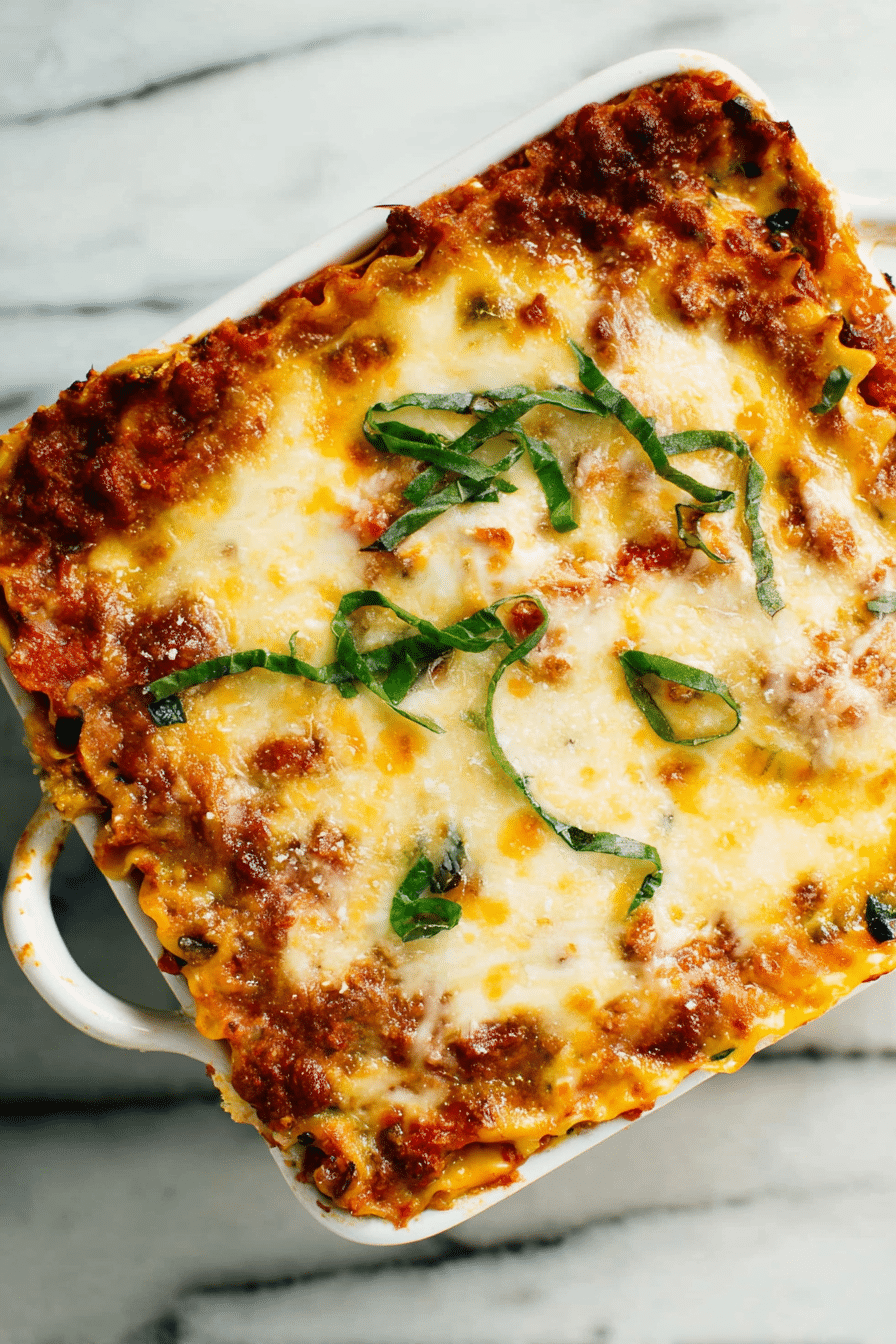
Best Vegetable Lasagna
Ingredients
Method
- Preheat the oven to 425 degrees Fahrenheit.
- In a large skillet over medium heat, warm the olive oil. Add the carrots, bell pepper, zucchini, yellow onion, and salt, cooking for 8 to 12 minutes until golden.
- Add spinach and cook until wilted.
- Prepare the tomato sauce by draining the tomatoes and processing them with basil, olive oil, garlic, salt, and red pepper flakes.
- Blend half the cottage cheese until smooth and combine with the processed veggies and remaining cottage cheese, salt, and pepper.
- Assemble the lasagna in a 9” by 9” baking dish with layers of noodles, cottage cheese mixture, tomato sauce, and mozzarella.
- Cover with parchment or foil and bake for 18 minutes, then uncover and bake for an additional 10-15 minutes.
- Let cool for 15 to 20 minutes before serving.