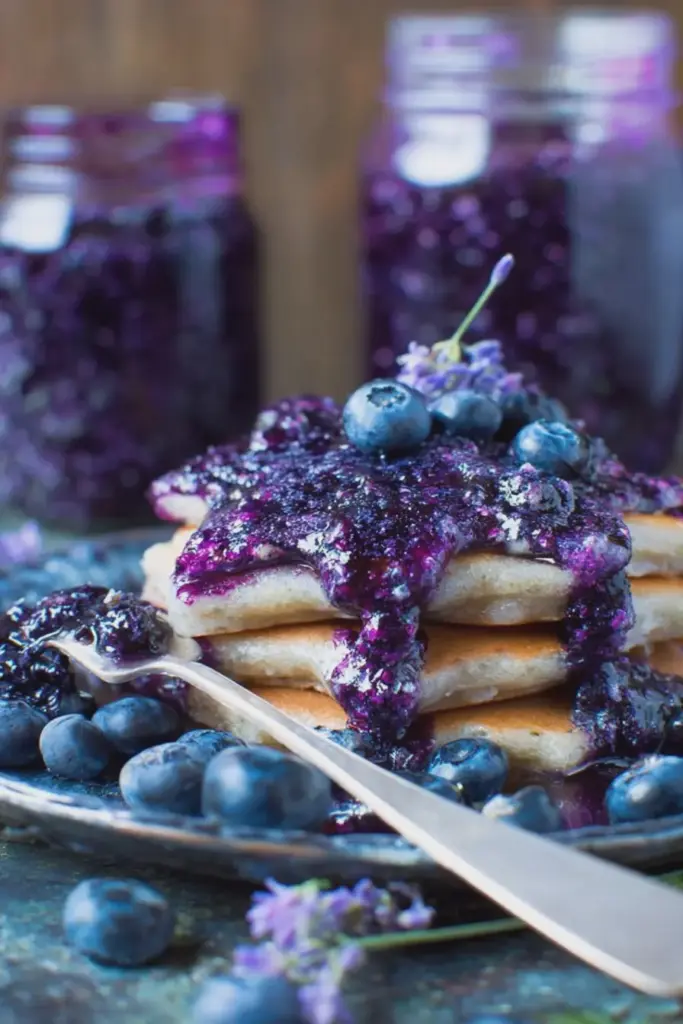
I learned to make blueberry lavender preserves the slow way: through patient batches, a few scorched pots and the occasional overly perfumed jar. In my kitchen I kept returning to the same lesson — restraint with lavender and precision with heat yield the cleanest, most aromatic preserves. The memory of the first successful jar still lingers: a deep indigo shine, the faint floral lift at the back of the throat, and a spreadable body that held on toast without sliding off.
I grew fond of the way the preserves transform ordinary breakfasts and unexpected dishes: stirred into yogurt, spooned atop a soft cheese or used sparingly as a glaze for roasted duck. Their color is arresting — a rich, jewel-toned blue — and when warm the aroma of citrus and lavender mingle with the bright, almost tart scent of fresh berries. I find the combination both restorative and celebratory.
Beyond pleasure, there are reasons to keep a jar handy. Blueberries are densely packed with antioxidants and flavonoids; culinary lavender brings not only perfume but a long culinary tradition of gentle floral notes that pair well with fruit. In this piece I’ll share what has worked for me — the sourcing choices, the heat-control tricks, and the small finishing touches that make the preserves sing.
Note to recipe writers: format the Pro-Tips, Troubleshooting, and Variations sections as bulleted lists for scannability.
Why Blueberry Lavender Preserves Belong in Your Pantry
Blueberry lavender preserves occupy a unique place in a refined pantry: they are at once versatile and distinctive. The blueberry provides concentrated sweetness and a vibrant hue; the lavender introduces a floral counterpoint that lengthens the finish and enhances both sweet and savory applications. Historically, floral-infused preserves have been used in American and European home cooking to add nuance to otherwise straightforward fruit preserves, lending subtlety where simple jams can overwhelm.
There are also practical benefits: blueberries offer antioxidants and vitamins that contribute to overall nutrition, while culinary lavender — used sparingly and correctly — adds aromatic compounds that many find calming. Sensory-wise, the preserves should present with a glossy surface, an inviting perfume of lavender on first smell, and a clean blueberry clarity on the palate.
Everything You Need for Blueberry Lavender Preserves
Source quality ingredients and the right tools; the difference between a good preserve and an exceptional one is often about provenance and preparation.
- Culinary lavender – Use a culinary variety intended for food; it provides floral aroma without medicinal bitterness. If your lavender is old or dusty, refresh it by briefly crushing to release oils.
- Sugar – Acts as preservative, sweetener and helps with gel formation. You can substitute part with a natural sweetener but know the texture will change.
- Blueberries – Wild blueberries offer concentrated flavor and a deeper color; cultivated berries are sweeter and larger but still excellent. Select ripe, firm fruit.
- Water – A splash helps coax juices out of the fruit at the start; use filtered water if your tap is heavily chlorinated.
- Lemon juice – Provides acid to balance sweetness and to help pectin set; fresh is best for brightness.
- Preserving jars and basic canning tools – Sterilized jars, lids, a wide-mouth funnel and a large pot for a water bath are essential for shelf-stable preserves. Sustainable sourcing: look for ethically grown berries and lavender sold by small farms or cooperatives; local markets often have fresher options.
The Secret to Bright, Non‑Mushy Preserves
Texture begins with pectin management and ends with timely removal from heat. Blueberries contain natural pectin, but quantities vary with variety and ripeness. I aim for a short, vigorous cook that concentrates juices without pulverizing the fruit into a puree.
Key technical points:
- Understand pectin’s role — it forms the gel network as the mixture concentrates and acid is present. If your berries are low in pectin, consider adding a small amount of high-pectin fruit (like a slice of underripe apple) or a commercial pectin tailored for preserves.
- Control simmer time — long, slow reduction breaks down fruit cell walls and produces a softer, sometimes cloudy preserve; a briefer, higher-heat boil helps concentrate without complete disintegration.
- Sterilize jars properly — inconsistent sterilization can alter cooling dynamics and texture. Jars should be hot when filled to reduce thermal shock and to help form a proper vacuum during processing.
Why Lavender Quantity and Quality Matter
Lavender is potent; too little and it disappears, too much and it becomes soapy or bitter. The chemistry behind this is simple: the volatile oils that give lavender its perfume can overwhelm the fruit if not moderated. I always measure by sight and smell, and when in doubt err on the lighter side.
Practical guidance:
- Type matters — Lavandula angustifolia (often labeled English or culinary lavender) is milder and more suited for preserves than some ornamental varieties.
- Crush gently — bruising the buds releases essential oils; a mortar and pestle or a quick pulse in a food processor perfumed sugar works beautifully.
- Storage retains potency — keep dried lavender in an airtight container away from light and heat; it will stay fragrant longer when stored cool and dark.
How to Make Blueberry Lavender Preserves (Step-by-Step)
- Prepare jars and tools for hot-water canning so they are sterilized and warm when you fill them.
- Crush the dried lavender lightly to release its oils, then rub it into the sugar until the sugar is fragrant; this infusion carries floral notes without adding plant bits directly into the jar.
- Rinse and pick over the blueberries; remove stems and any soft or shriveled fruit. Place them in a heavy-bottomed pot with a small amount of water and gently heat until they release juices.
- Remove the softened berries briefly and bring the pan juices to a rolling boil; add the lavender-infused sugar and dissolve completely to form a clear syrup.
- Return the berries to the pot, bring the mixture to a full, consistent boil and cook until the mixture reaches the visual and temperature cues you are aiming for (see temperature guidance below).
- Stir constantly toward the end to prevent scorching; remove from heat and stir in fresh lemon juice to balance sweetness and help pectin set.
- Ladle the preserves into warm, sterilized jars leaving the recommended headspace, wipe rims clean, apply lids and rings, then process in a boiling water bath to secure a shelf-stable seal.
Why Temperature and Timing Control Texture
Precise temperature is the fulcrum of good preserves. For a predictable set, aim for the traditional jam setting point: 220°F (104°C) at sea level. That temperature signals sufficient concentration of soluble solids and the activation of pectin networks. If you live at high altitude, reduce the target by a degree or two per thousand feet according to local canning guidance.
Watch for these signs:
- Rapid, full-bodied rolling boil — indicates water is evaporating and solids are concentrating.
- Skinning or film on the surface — a sign sugars are concentrating; skim if desired for clarity.
- Plate test — a small spoonful chilled briefly on a plate will show whether the preserve wrinkles when nudged.
As the mixture cools, viscosity increases; allow jars to rest undisturbed for at least 24 hours so the gel completes formation and the vacuum seal stabilizes.
Pro Tip for Blueberry Lavender Preserves: Balance Floral Intensity with Acid and Timing
I rely on tasting and restraint to balance the floral notes. Lemon juice brightens and sharpens the flavor while helping pectin set — add it at the end so the volatile citrus oils remain fresh.
- Taste as you go — I scoop a teaspoon of hot preserve, cool it briefly and taste for balance before deciding whether to add another touch of acid or a whisper more lavender.
- Add acid late — stir in fresh lemon juice off the heat to retain brightness; it will help the preserve finish cleanly.
- If the lavender seems too timid, steep an additional pinch of crushed buds in a small amount of hot syrup briefly, then strain; if it’s too strong, blend with an equal measure of plain blueberry jam to soften.
Pairings: Where to Spoon, Spread, and Splash These Preserves
These preserves play beautifully across a wide culinary spectrum. Their floral lift enhances creamy cheeses and caramelizes nicely under a broiler when used as a glaze.
Cheese pairings: serve with a young chèvre or a mild Brie so the floral notes come forward; contrast with nutty aged cheeses for a more complex juxtaposition. For simple desserts, spoon the preserves over panna cotta or ricotta toast.
Breakfast and baked goods: they are lovely over pancakes or stirred through a bowl of Greek yogurt. Try drizzling these preserves over our blueberry banana breakfast cake for an extra burst of flavor.
For special occasions, use the preserves as a finishing touch on pastries or to glaze roast pork or duck. If you are assembling an elegant dessert, these blueberry lavender preserves would pair beautifully with our blueberry cheesecake cupcakes for a delightful dessert.
How to Store, Can, and Gift Your Blueberry Lavender Preserves
Proper storage preserves both safety and flavor. Store unopened, processed jars in a cool, dry, dark place. Refrigerate after opening and use within a few weeks for best flavor.
Canning essentials and tips:
- Water-bath processing secures a vacuum seal and extends shelf life; follow time recommendations appropriate for your jar size and altitude.
- Label each jar with the production date and batch notes (lavender intensity, any substitutions) so you can assess aging over time.
- For gifting, present jars with clean labels and a short tasting note. Consider pairing homemade preserves with another small treat: gifting these preserves alongside strawberry truffles makes an elegant duo.
Dietary Variations and Swaps
- Lower-sugar option — reduce sugar and use a low-sugar pectin designed for preserves; expect a softer set and shorter shelf life, and store refrigerated.
- Natural sweetener swap — replace part of the sugar with a concentrated sweetener (such as honey) for complexity; adjust cooking time and taste for balance.
- Fruit substitutions — substitute or blend in other berries (raspberries, blackberries) for different flavor profiles while maintaining the floral pairing.
Troubleshooting
I find that most preserve problems respond to small adjustments rather than wholesale changes. Here are succinct fixes I use in my kitchen.
- Too runny — return the preserve to the pot and cook a little longer, skimming foam, or add a small amount of high-pectin fruit or commercial pectin following manufacturer instructions.
- Too firm or hard — gently reheat with a splash of water and stir until loosened; jars that set too hard can be salvaged for spooning over yogurt.
- Lavender too bitter or soapy — dilute by blending with plain blueberry jam, or make your next batch with noticeably less lavender and a lighter infusion time.
- Jars won’t seal — ensure rims were clean and dry; reprocess with new lids or refrigerate and use within weeks.
- Grainy texture from crystallized sugar — ensure sugar fully dissolves during the syrup stage; avoid stirring vigorously once the mixture reaches a boil to prevent crystallization.
Frequently Asked Questions
Can I use fresh blueberries instead of wild ones? Absolutely! Cultivated fresh blueberries work perfectly for this recipe.
How long do the blueberry lavender preserves last? When stored properly, these preserves can last up to one year.
What is culinary lavender and where can I find it? Culinary lavender is a specific variety safe for cooking. You can find it in specialty spice shops or online.
Can I reduce the sugar in the recipe? While you can experiment with reducing sugar, it may affect the texture and preservation of the preserves.
What are some ways to use blueberry lavender preserves? These preserves are versatile! Try using them as a topping for yogurt, pancakes, or even in salad dressings.
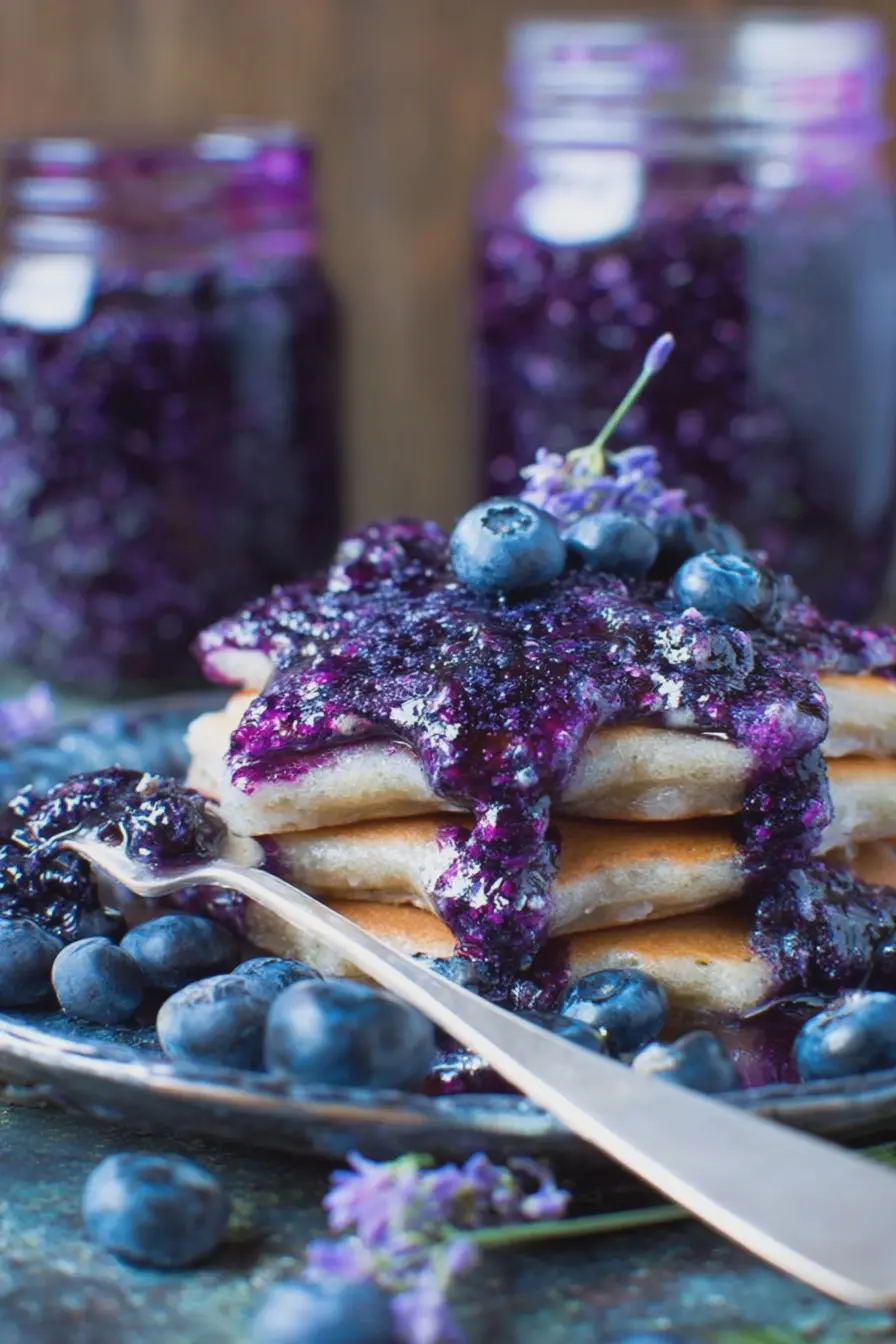
Blueberry Lavender Preserves
Ingredients
Method
- Prepare pot, tools and four 125mL jars for hot-water canning.
- Crush the lavender in a mortar and pestle, then combine it with the sugar.
- Rinse the berries and pick them over to remove any debris.
- Over medium heat, gently warm the berries until they are soft.
- Add the lavender sugar to the juices in the pot and stir to dissolve.
- Bring juice to a boil over high heat, and cook for another 3 minutes.
- Return the berries (and any juices) to the pot and bring to a boil again.
- Ladle the blueberry preserves into sterilized jars.
- Process in a boiling water bath for 10 minutes.
- Cool at room temperature for a full 24 hours.