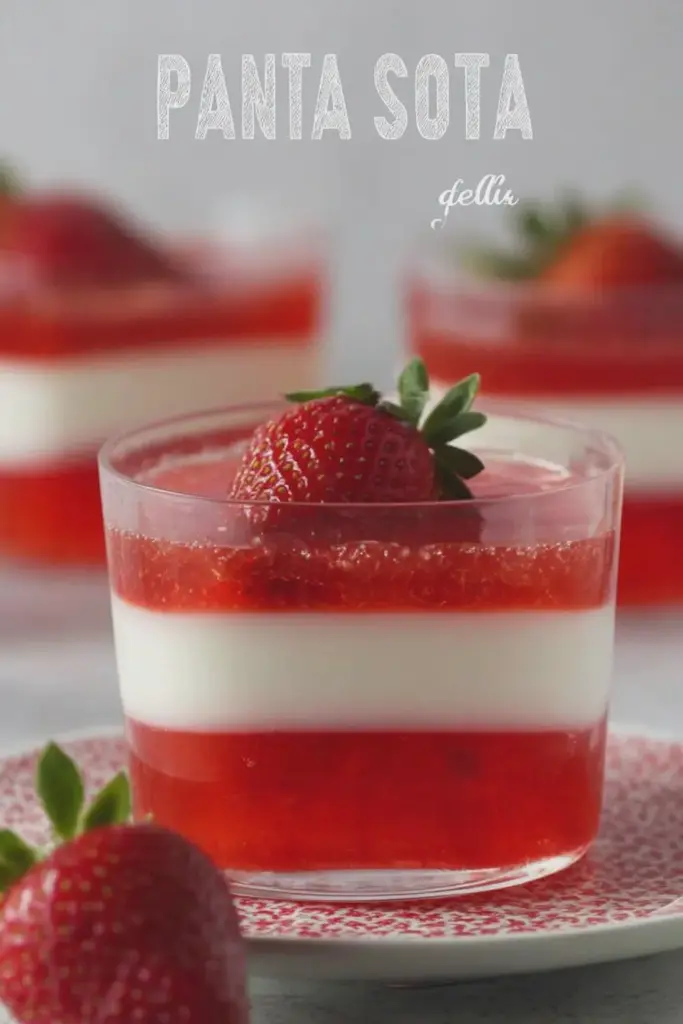
I fell for panna cotta long before I learned how patient it asks us to be. In my kitchen I’ve made every mistake—overheating the cream until it split, pouring too-quickly and marring a pristine layer, and underestimating how much color plays into a summer table. Each hiccup taught me how to coax this simple set dessert into something quietly show-stopping.
What keeps me coming back to strawberry coconut panna cotta for warm-weather entertaining is its balance: the strawberries bring a bright, acidic lift while the coconut offers a silky, indulgent mouthfeel that never feels heavy. I like to think of the strawberry layer as the sun and the coconut layer as the breeze—together they make a dessert that refreshes and comforts in equal measure.
I’ve also learned that this dessert rewards small rituals: letting a layer cool to room temperature before chilling, straining the fruit for a gleaming finish, and choosing glassware that lets the layers sing. When I bring these to a summer gathering, guests notice the color and then the texture—usually the first comment is about how light and elegant it tastes.
Over the years I’ve tweaked sweetness levels, toyed with different coconut milks, and practiced clean pours so the lines are crisp. If you want a dessert that looks refined, travels well to picnics, and can be mostly made ahead, this is one to learn and keep in your repertoire.
Why Strawberry Coconut Panna Cotta Is Perfect for Summer Entertaining
The bright acidity of fresh strawberries cuts through the gentle sweetness of coconut, creating a balanced mouthfeel that feels right for warm evenings. The aroma of cooking strawberries—warm, jammy, faintly floral—signals summer before you even taste the first spoonful. Visually, the vivid red layered against creamy white makes for a centerpiece dessert that reads as both festive and refined at any outdoor table.
Because panna cotta is served chilled, it’s naturally cooling and pairs beautifully with other light desserts. Pair this panna cotta with a tropical side like Hawaiian pineapple coconut fluff for a mini dessert spread that feels coordinated without being fussy.
Everything You Need for Strawberry Coconut Panna Cotta
Below I walk through the key ingredients and tools you’ll want on hand. These notes focus on purpose and substitutions so you can feel prepared before you measure.
- Fresh strawberries – the base of the fruit layer; they give brightness and color. Fresh is best for flavor and aroma, though frozen can work in a pinch if fully thawed and drained.
- Coconut milk (full-fat) – provides the silky, creamy texture and coconut flavor. Choose a higher-fat version for richness; lower-fat milks thin the mouthfeel.
- Light coconut milk or coconut water – used to thin the strawberry layer or lighten a coconut layer without sacrificing coconut character.
- Gelatin – the setting agent that creates a firm yet wobbly texture. If you prefer a plant-based option, agar-agar is an alternative but needs different handling.
- Sugar (or sweetener of your choice) – balances the acidity of the fruit and rounds the coconut. Natural sweeteners can be swapped; see the low-sugar section for guidance.
- Fresh citrus (lemon or lime) – a little acid brightens the strawberry flavor and keeps the strawberry color vivid.
- Fresh herbs (optional) – tiny leaves of thyme or a strip of basil can add an aromatic lift to the strawberry layer.
- Tools: fine sieve, small saucepan, measuring cup, and clear glasses – a fine sieve yields a glossy fruit layer free of seeds and pulp; clear glasses show off the layers beautifully.
For a sweet addition to your summer menu, consider serving these homemade strawberry truffles alongside the panna cotta—small bites that echo the strawberry flavor while giving a contrasting texture.
The Secret to a Silky Coconut Panna Cotta
A truly silky panna cotta comes down to gentle heat, properly handled gelatin, and patience. Here’s the technique in plain terms:
- Bloom gelatin in cold liquid first so it dissolves uniformly later; undissolved granules are the common source of graininess.
- Warm the coconut mixture just enough to melt sugar and dissolve gelatin—avoid boiling. High heat can cause separation and dull the coconut’s silkiness.
- Always cool the mixed coconut layer to room temperature before pouring it over a set fruit layer. Pouring a hot liquid onto a cold gel can create streaks or cause the bottom layer to melt.
- Straining the fruit purée through a fine sieve removes seeds and pulp and gives the strawberry layer a glossy, jewel-like appearance.
- Temperature matters: too-warm mixtures break down the structure of the set layer beneath; too-cold mixtures set instantly and can create an uneven surface. Aim for warm-to-touch, not hot, when layering.
Styling the Layers: Tips for Clean, Vibrant Lines
Presentation makes this dessert sing at a party. Small choices here give you those clean, vibrant lines that impress guests.
- Let each layer set until it’s firm to the touch before adding the next. A slightly springy surface indicates readiness.
- Pour cooled mixtures slowly and close to the set surface; use a tall measuring cup or a squeeze bottle for precision and to avoid splashing.
- Chill glasses on a level surface so layers set uniformly; an uneven fridge shelf can tilt layers during setting.
- Choose clear glassware—small goblets, mason jars, or coupe glasses—for maximum impact. Tinted glass can be interesting, but clarity highlights the contrast best.
- For a refined serving idea, top with a single halved strawberry and a tiny herb leaf right before serving to keep the garnish fresh and vibrant.
How to Make Strawberry Coconut Panna Cotta (Step-by-Step)
The process is straightforward but timing between steps is everything. Follow these steps and use a watchful eye for temperature and set times.
- Prepare the strawberry layer: macerate fresh strawberries with a touch of sugar and citrus to draw out juices, then simmer briefly to meld flavors. Mash or purée, then strain through a fine sieve for a glossy finish.
- Bloom gelatin in a small amount of cold liquid until spongy, then whisk it into the warm strawberry liquid until fully dissolved. Cool slightly before dividing into serving glasses.
- Chill the strawberry layer until set—firm but slightly wobbly—before proceeding to the coconut layer.
- Warm the coconut milk with sugar and citrus just until the sugar dissolves. Stir in bloomed gelatin off the heat and whisk until homogeneous. Let the mixture cool to room temperature before pouring over the set strawberry layer.
- Pour the coconut layer gently and refrigerate until fully set. Finish with fresh fruit or herbs when serving.
For a quick snack that shares strawberry flair but is entirely different in texture, try this playful treat: strawberry shortcake puppy chow.
Troubleshooting
- I’ve seen panna cotta turn out grainy when the gelatin wasn’t fully dissolved—if you feel grit, rewarm gently and whisk until smooth, then cool and re-chill.
- If layers bleed into one another, it usually means the bottom layer wasn’t chilled long enough; next time, give it extra time in the fridge until it’s springy to the touch.
- If the coconut layer tastes thin, use a richer coconut milk or reduce the liquid slightly; I learned this the hard way when I reached for a low-fat can and missed the creaminess.
Note: The Pro-Tips, Troubleshooting, and Variations below are formatted as bulleted lists for easy scanning.
Pro Tip for strawberry coconut panna cotta: Low-Sugar Swaps That Still Shine
- Monk fruit or erythritol – behave most like sugar in texture and won’t drastically change the set; start conservatively and adjust to taste.
- Agave or honey – natural syrups add flavor depth; reduce other liquids slightly if the mixture becomes too thin.
- Unsweetened coconut milk – cut sweetness elsewhere if you use this; a little more fruit or citrus can compensate for reduced sugar.
- Fruit purée concentrate – using a naturally sweet fruit purée can let you reduce added sugar while keeping bright fruit notes.
Make-Ahead, Storage, and Easy Variations to Try Next Time
One of the best things about this dessert is how well it fits into a make-ahead plan. I often prepare components the day before a gathering so assembly is calm and quick.
- Make-ahead: You can set both layers up to a day in advance; keep covered in the refrigerator to prevent absorbing other odors.
- Storage: Store sealed in the fridge for up to 48 hours for peak texture. Avoid freezing—the gelatin network breaks and the texture becomes grainy when thawed.
- Transport: If you need to travel with them, keep lids on the glasses and place on a flat tray; add garnish just before serving.
- Variations – try these simple swaps to change the mood of the dish:
- Mango coconut panna cotta – swap strawberries for ripe mango purée and a splash of lime for tropical brightness.
- Passionfruit layer – a tart passionfruit layer pairs beautifully with sweet coconut and makes for sophisticated plating.
- Lime-coconut – add extra fresh lime zest to the coconut layer for a lively citrus note that cuts through richness.
- Almond twist – a drop of almond extract in the coconut layer gives a marzipan-like complexity—use sparingly.
If you’re exploring more dessert options, try our delightful lemon poppy seed cupcakes for a bright twist alongside these panna cottas.
Serving these in individual glasses makes them easy to pass around and keeps portions elegant. I like to finish with a tiny herb sprig or a dusting of toasted coconut for contrast—small details that feel celebratory without fuss. With a little practice in pouring and timing, you’ll have a dessert that looks like it took hours and tastes like summer in a spoon.
Frequently Asked Questions
Can I make Strawberry Coconut Panna Cotta in advance?
Absolutely! This dessert can be made a day ahead of your event. Just store it in the refrigerator until you’re ready to serve.
What can I use instead of gelatin?
If you’re looking for a vegetarian or vegan alternative, you could try agar-agar, which works similarly to gelatin.
How do I achieve clean layers in my panna cotta?
To get those beautiful, clean layers, ensure each layer is completely set before adding the next one. Chill thoroughly in between layers!
Can I substitute the coconut milk?
Yes! You can use regular milk or a nondairy alternative like almond milk, but it may slightly alter the flavor and creaminess.
What type of strawberries should I use?
Fresh, ripe strawberries will give you the best flavor. Look for berries that are bright red and fragrant!
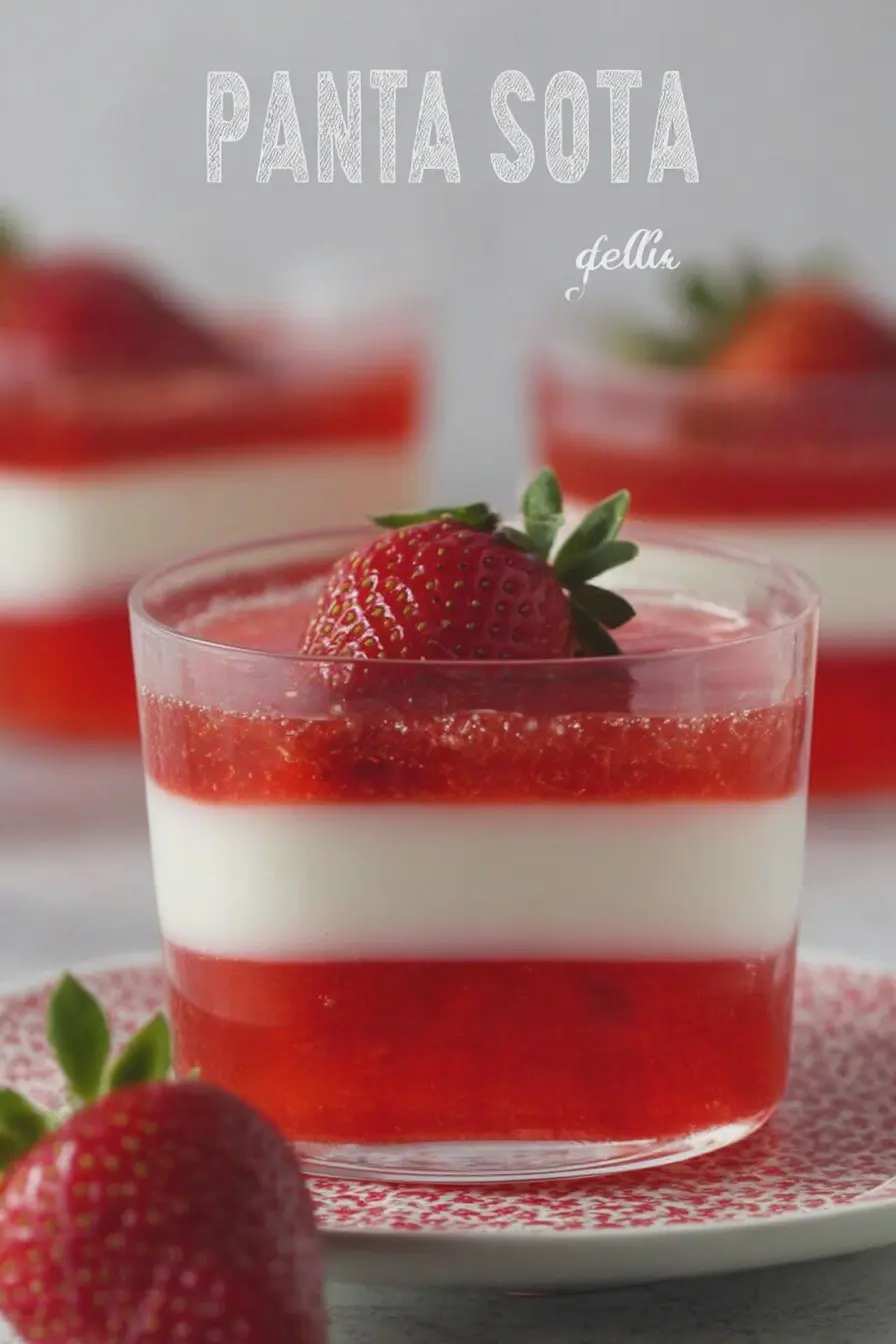
Strawberry Coconut Panna Cotta
Ingredients
Method
- Sprinkle 1 teaspoon gelatin over 1 Tablespoon water in a small bowl.
- Combine ¾ cup strawberries, 3 Tablespoons granulated sugar, and 1 teaspoon juice in a small saucepan; let stand 5 minutes. Mash mixture with a fork or potato masher.
- Place pan over medium-high heat. Bring to a simmer, cook 2 minutes or until sugar dissolves.
- Add coconut water, return to a simmer. Remove pan from heat.
- Add gelatin mixture, stirring until gelatin dissolves.
- Strain mixture through a fine sieve into a measuring cup, pressing on solids to extract as much liquid as possible. Discard solids.
- Divide strawberry mixture evenly among 4 wine glasses. Chill 1 hour or until set.
- Sprinkle ¾ teaspoon gelatin over 1 Tablespoon water in a small bowl.
- Combine coconut milks, 2 ½ Tablespoons granulated sugar, and 1 teaspoon lime juice in a saucepan and bring to a simmer. Remove pan from heat.
- Add gelatin mixture, stirring until gelatin dissolves. Cool to room temperature.
- Divide coconut milk mixture into fourths on top of each strawberry gelatin.
- Chill for 1 hour or until set.
- Combine ingredients for strawberries into a bowl, toss to combine. Let stand 5 minutes.
- Divide strawberry mixture evenly among glasses.