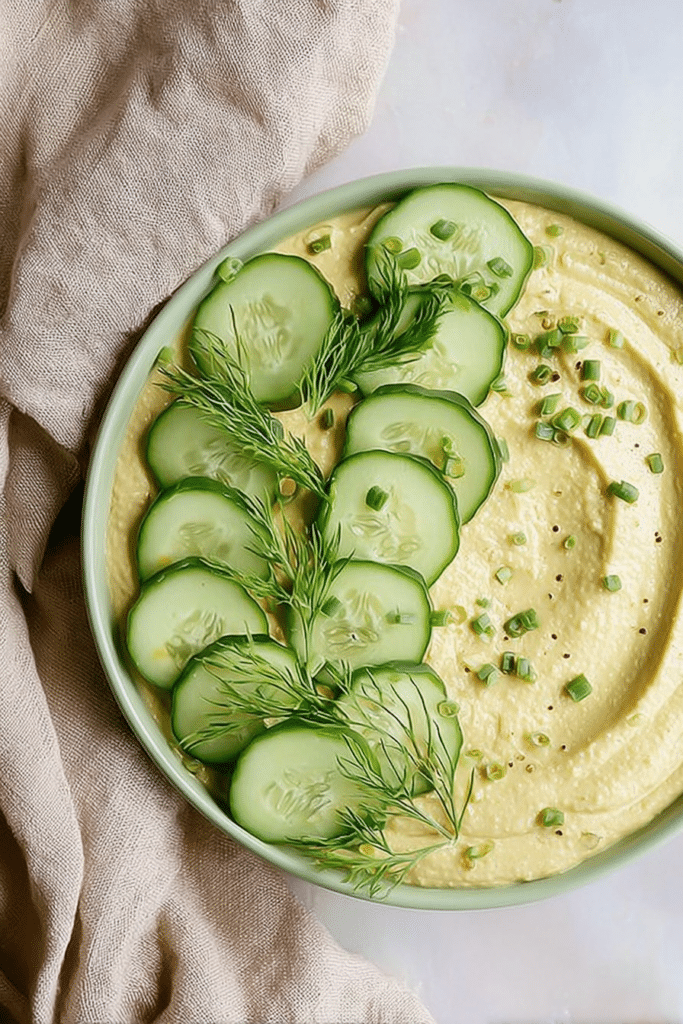
I make this dill pickle hummus on afternoons when I want something bright, creamy, and a little unexpected on the table. The first time I combined tangy pickle brine with tahini and chickpeas I was skeptical — then I tasted it and couldn’t stop spooning it onto cucumber slices. In my kitchen the aroma of fresh dill and garlic is short-lived because this dip disappears fast.
I appreciate recipes that come together quickly without sacrificing personality. This one reliably takes under fifteen minutes from can to bowl, which makes it a go-to for last-minute guests or a crunchy afternoon snack. I like that it keeps in the fridge well enough for weekday lunches and still tastes lively after a day or two.
What I love most is the contrast: silky chickpeas against the bright acidic bite of pickle juice and the cool snap of chopped dill pickles on top. The result is a zesty, inviting dip that plays well with raw veggies, crackers, or slathered on a sandwich. If you enjoy pickle-forward dishes, this pairs nicely with other dill-forward recipes like creamy dill pickle soup for a themed menu.
Why Dill Pickle Hummus Is Perfect for Quick, Flavor-Forward Snacking
The combination of creamy chickpeas and zesty pickles gives you a snack that’s both familiar and surprising. Chickpeas provide a neutral, silky base while pickle juice and chopped dill pickles add bright acidity and crunch. That contrast keeps your palate engaged and makes small portions feel satisfying.
From a health perspective, this hummus is a smart snacking option: chickpeas deliver protein and fiber that help you stay full, while the tang from pickle juice lets you use less added salt for a flavorful result. This recipe fits neatly into plant-based snacking trends and is an easy way to offer something different at gatherings.
Visually and aromatically, expect a pale, creamy dip flecked with green from dill and pickle pieces, and an enticing scent of fresh dill and garlic. Serve it as part of a spread and watch how quickly it becomes the unexpected favorite.
Everything You Need for Dill Pickle Hummus
Quality ingredients make the difference with such a simple recipe. Use a good tahini for richness, and fresh dill for that unmistakable herbaceous lift. A high-powered blender or food processor will get you the smoothest result, but a sturdy countertop blender works in a pinch.
- Chickpeas – The creamy base; use canned for speed or cooked-from-dry for a more controlled texture.
- Tahini – Adds depth and a silky mouthfeel; swap for sunflower seed butter if sesame is an issue.
- Dill pickles – Provide crunch and flavor; chop some for blending and reserve some for garnish.
- Pickle juice – The acid and salt that brings the whole dip to life; add gradually to taste.
- Fresh dill – Brightens and freshens the dip; dried dill will work but is less vibrant.
- Garlic – For savory backbone; use roasted garlic for a milder profile.
- Lemon juice – Balances the brine and adds freshness.
- Olive oil – Rounds out the texture and sheen; drizzle on top for presentation.
If you want a fun accompaniment, consider baking a quick loaf to serve alongside — dill flavors go especially well with a dill pickle bread made for dipping.
The Secret to Silky Texture in Dill Pickle Hummus
- Remove chickpea skins when you have a few extra minutes. I pinch each one between my fingers and slip the outer skin off; it’s fiddly but the resulting hummus is noticeably smoother.
- Blend in stages. Start by pulsing the chickpeas with tahini and a small amount of liquid to break them down, then run the blender for longer bursts until the texture is velvety. I aim for about one to two minutes of active blending in a high-powered food processor, stopping to scrape the bowl twice.
- Add liquid slowly. Use pickle juice first for flavor, then water a spoonful at a time to reach the texture you like. Too much liquid at once can thin the hummus beyond recovery.
- Let it rest. If time allows, chill the hummus for 30 minutes after blending; flavors meld and the texture firms up into a creamier mouthfeel.
How Much Pickle Juice to Add (and When Less Is More)
Pickle juice is the hero here — it contributes acidity, salt, and that unmistakable pickle tang — but it can quickly dominate if you add too much. I always start with a modest splash, blend, then taste. If you prefer a pronounced tang, add more in small increments until the balance feels right.
Because brands of pickles vary: some brines are saltier or more vinegary than others. Taste as you go and adjust salt only after the pickle juice is in, since the brine may supply enough sodium. If the hummus tips too acidic, a tiny drizzle of neutral oil or an extra spoonful of tahini will round it back out.
Quick Swaps: Make It Lower-Carb, Gluten-Free, or Less Tangy
- Lower-carb – Swap the chickpea base for steamed and mashed cauliflower or pureed riced cauliflower; texture will be lighter and less dense.
- Higher-protein – Blend in white beans or edamame for a similar texture with different nutrition.
- Less tangy – Reduce the amount of pickle juice and use milder pickles; you can also rinse chopped pickles before adding them to reduce surface acidity.
- Gluten-free serving – Serve with sliced vegetables, gluten-free crackers, or sturdy rice crackers.
- Non-vegan option – Stir in a dollop of Greek yogurt at the end for creaminess and tang if you don’t need it to be vegan.
How to Make Dill Pickle Hummus (Step-by-Step)
- Drain and rinse the chickpeas. If you want the silkiest result, remove the skins from a handful of chickpeas; it’s a small extra step that pays off.
- Add chickpeas, tahini, a measured splash of pickle juice, most of the chopped pickles, lemon juice, fresh dill, garlic, salt, and olive oil to your food processor or blender.
- Pulse to combine, then blend continuously until smooth, stopping to scrape down the sides as needed. If the mixture seems too thick, add water one tablespoon at a time to loosen.
- Taste and adjust: add more pickle juice for tang, more salt if it’s flat, or a touch more tahini to soften the acidity.
- Transfer to a serving bowl and garnish with the reserved chopped pickles, a little extra dill, and a drizzle of olive oil.
Troubleshooting — common issues and quick fixes:
- If the hummus is grainy, continue blending longer and add a teaspoon of water or oil to help the motor work more smoothly.
- If it’s too salty, stir in more chickpeas or a splash of plain plant-based yogurt to mellow the salt.
- If it’s too thin, add a small handful of chickpeas or a bit more tahini and blend until it firms up.
Pro Tip for Dill Pickle Hummus: Extend Freshness & Keep the Bright Flavor
- Store hummus in an airtight container with a thin film of olive oil on top to slow oxidation; I label with the date so I don’t lose track.
- Portion into small containers if you plan to freeze — this keeps thawed portions tasting fresher and reduces waste.
- Add chopped pickles and fresh dill just before serving rather than blending them all in; this preserves texture and that snap of fresh herb aroma.
- If you need to revive refrigerated hummus, stir in a splash of water or fresh pickle juice and give it a quick whisk to freshen the flavors.
How to Store, Make-Ahead, and Serving Ideas for Dill Pickle Hummus
Refrigerate the hummus in an airtight container for about three to five days. For longer storage, freeze in small portions for up to two months; thaw overnight in the fridge. When you’re ready to serve, give it a good stir and refresh with chopped dill and a few pickle pieces.
Serve cold or at room temperature. This hummus shines on picnic boards, and it pairs well with crisp vegetables, crackers, or as a sandwich spread for an extra tangy kick. For a themed spread, try pairing it with lighter, dill-accented dishes like a refreshing cucumber dill chicken salad, or add it to a party table alongside a richer dip such as buffalo chicken dip to balance heat with brightness.
Nutritional Benefits of Chickpeas: Why They Make This Hummus a Healthy Snack
Chickpeas bring plant-based protein and generous fiber to this dip, which helps with satiety and steady energy between meals. The fiber supports digestion and the protein supports muscle repair and fullness, making the hummus a more nourishing snack than many cookie-cutter dips.
Compared with high-fat creamy dips, this version uses tahini and olive oil for healthy fats, and the pickle juice allows for bold flavor without needing excess salt. Overall, a modest serving offers a balanced mix of carbohydrates, protein, and fats that fits well into a health-conscious eating plan.
Creative Serving Suggestions: Pairing Dill Pickle Hummus with Other Treats
Think beyond chips: use this hummus as a spread on sandwiches, a topping for baked potatoes, or a dip for grilled vegetables. It’s especially good as part of a picnic board—combine it with bright produce, a few salty crackers, and a creamy cheese (or a plant-based cheese) to round out textures and flavors.
For seasonal ideas, serve chilled with summer vegetables or include it on a cozy winter board that balances richer dishes. If you want a light meal, spoon some hummus onto a salad or serve it alongside a cucumber dill chicken salad to play up the herb notes.
User Reviews and Community Engagement: Share Your Experiences
I love hearing how you make this recipe your own. Try swapping in different pickles, testing lower-carb bases, or adding a smoky paprika drizzle — then share a photo and a note about what worked. Your variations help shape new takes on an already fun, zesty snack.
Frequently Asked Questions
What do you serve with dill pickle hummus? Dill pickle hummus is perfect for dipping crunchy veggies, pita chips, or even spreading on sandwiches for an extra kick of flavor!
Can I make dill pickle hummus lower in carbs? Absolutely! You can reduce the chickpeas or substitute them with mashed avocado or cauliflower for a lower-carb version while still enjoying that delicious dill pickle flavor.
How long does dill pickle hummus last in the fridge? When stored in an airtight container, dill pickle hummus can last about 3 to 5 days in the fridge. Just give it a little stir before serving!
What are the health benefits of dill pickle hummus? Dill pickle hummus is not only tasty but also nutritious! It’s high in protein and fiber from chickpeas and contains probiotics from the pickles, making it a healthy snack option.
What’s the secret to making my hummus silky smooth? For a creamy texture, peel the skins off the chickpeas before blending, and if your hummus is too thick, add water one tablespoon at a time until you reach your desired consistency.
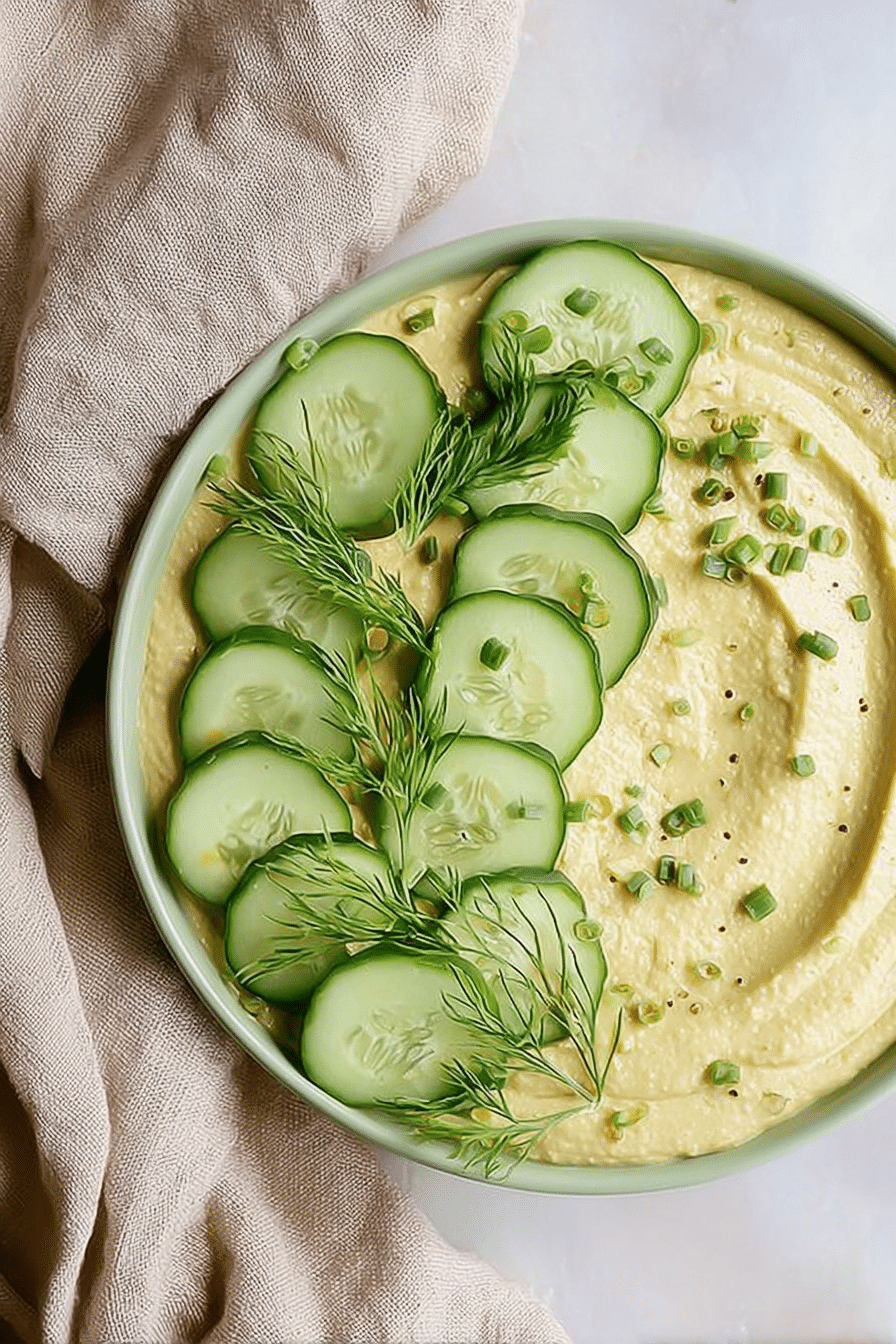
Dill Pickle Hummus
Ingredients
Method
- For an extra creamy hummus, remove the skins from the chickpeas by placing each one between your fingers and squeezing off the outer layer. Add the prepared chickpeas to a high-powered blender or food processor. Add the tahini, pickle juice, 3/4 cup of the chopped dill pickles, lemon juice, dill, salt, garlic, and olive oil.
- Pulse or blend until smooth, stopping to scrape down the sides as needed. If the hummus is too thick, add water, one tablespoon at a time, to thin. Taste and adjust seasonings as desired.
- Transfer the hummus to a serving platter and garnish with the rest of the chopped pickles and more fresh dill. Serve with cucumber slices, chopped veggies, and/or pita chips.