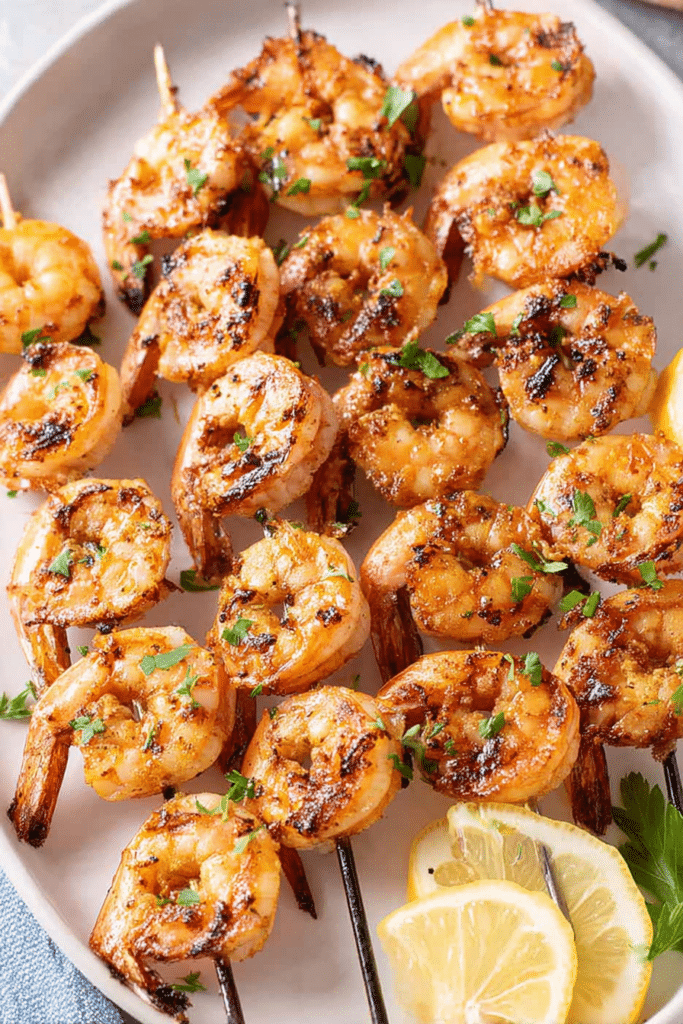
I cook grilled shrimp any time I need dinner to come together fast. In my kitchen, shrimp is the shortcut ingredient that still feels special: it takes on marinades quickly, looks beautiful on a skewer, and cooks in minutes. I like recipes that respect the ingredient — simple seasoning, hot heat, and just enough citrus to brighten without overwhelming.
I’ve learned the hard way that less is more with shrimp. Over-marinating makes the texture mealy and too much heat turns them rubbery. After a few seasons of testing, I stick to a brief lemon-and-herb soak and a hot, quick sear on the grill. The scent of lemon and oregano hitting a hot grate is one of those tiny summer pleasures I keep coming back to.
When I’m prepping for a small gathering or a weekday meal, I arrange my tools and ingredients so everything moves fast: skewers, a shallow bowl for the marinade, and a hot grill or grill pan. The result is always the same — bright, juicy shrimp with a hint of char and a fresh pop of lemon at the end.
Why Grilled Shrimp Is the Fastest Way to a Flavorful Dinner
Grilled shrimp cooks rapidly, often within minutes, which makes it ideal for weeknights or last-minute guests. The lemon-and-herb marinade does more than add flavor: the acid helps tenderize slightly while herbs and spices give immediate savory notes. Keep the tone simple — a quick marinade and high heat are the only real requirements.
Sensory note: picture glossy, pink shrimp threaded on skewers, the bright scent of lemon and oregano rising as they hit the grates, and the satisfying springy texture when you bite in.
Everything You Need for Grilled Shrimp
Gathering the right tools and ingredients lets you move quickly. Below I cover skewer types, shrimp quality, and the basic grill setup so you don’t waste time once the marinade is ready.
- Skewers – Metal skewers are reusable and slide the shrimp off easily; bamboo skewers are fine if soaked first to prevent burning.
- Fresh, quality shrimp – Buy shrimp that smell clean and look firm; if you can, chat with your seafood counter about what’s highest quality that day.
- Grill or grill pan – A hot grate gives quick sear marks; aim for medium-high heat so shrimp cooks fast without drying.
- Bowl and tongs – A shallow bowl for the marinade helps coat shrimp quickly; tongs keep turning safe and simple.
Choosing Fresh Shrimp for Grilling
Fresh shrimp makes a noticeable difference. Look for shrimp that are firm to the touch, with translucent flesh and a mild, briny scent. Avoid anything that smells overly fishy or ammonia-like — that’s a sign of age.
Wild-caught shrimp often have a slightly firmer texture and a cleaner, ocean-forward flavor; farm-raised can be milder and more consistent in size. For grilling, choose larger shrimp labeled as large or jumbo so they hold up on skewers and offer a meaty bite.
If you want to explore other recipes that rely on fresh shrimp, try a spicy pan option like Spicy Shrimp Patties to practice selecting and using top-quality shrimp.
The Secret to Tender, Juicy Shrimp
Keeping shrimp tender is about timing and technique. Here are practical methods I use every time to retain moisture and texture:
- Marinate briefly — let the flavors penetrate without breaking down the flesh. Acidic ingredients should be limited in time.
- Preheat your grill so shrimp hits a hot surface immediately; this seals juices and creates a quick crust.
- Don’t stack shrimp — single layer on skewers or the grate for even cooking and visible doneness.
- Account for carryover cooking — remove shrimp just as they turn pink and opaque; residual heat finishes them.
Why Marinade Time Matters (and How Long to Wait)
Marinading adds flavor fast, but too long in an acidic mix will soften shrimp’s structure. For a lemon-forward marinade, short is best: it brightens and mildly tenderizes without making the meat mushy.
- Minimum marinate: a short resting time lets the seasonings cling and take effect.
- Maximum marinate: limit acidic marinades — like lemon-heavy ones — to a couple of hours at most to protect texture.
- Do’s and don’ts: do refrigerate while marinating; don’t leave shrimp in a strong acid overnight.
How to Make Grilled Shrimp (Step-by-Step)
- Whisk together olive oil, lemon juice, salt, pepper, oregano, paprika and garlic powder in a shallow bowl so the shrimp can be coated quickly.
- Add shrimp and toss gently to coat; let rest in the fridge for at least fifteen minutes, up to two hours.
- If using bamboo skewers, soak them first to prevent burning. Thread 4–6 shrimp per skewer so they sit in a single layer and are easy to turn.
- Preheat your grill or grill pan to medium-high so it’s hot enough to sear on contact.
- Place skewers on the hot grate and cook for 2–3 minutes per side. Flip once for even color; shrimp should be pink, opaque, and slightly firm to the touch.
- Transfer to a plate, garnish with chopped parsley and lemon slices, and serve warm.
If you want a sweeter variation for the grill, try a honey-garlic take after cooking — here’s a recipe that adds that twist: Honey Garlic Shrimp.
Pro Tip for Grilled Shrimp: Avoid Overcooking with a Quick-Flip Sear
- I use a quick-flip method: place shrimp on the hot grate and give each side a short, confident sear — one flip only. Too many flips cook unevenly and dry the shrimp.
- Watch visual cues: when the edges curl in slightly and the flesh turns uniformly pink and opaque, it’s done.
- Trust the clock: on medium-high heat, 2–3 minutes per side is the guideline; thicker shrimp may need the upper end, thinner shrimp the lower.
What to Serve with Grilled Shrimp (Easy Sides and Salads)
Grilled shrimp is flexible — pair it with light salads, simple grains, or grilled vegetables so the shrimp remains central. Here are reliable pairings I use when I want an easy, balanced plate:
- Simple green salad with a lemon vinaigrette to echo the shrimp’s citrus notes.
- Grilled vegetables like zucchini, bell peppers, or asparagus for matching char flavors.
- Light rice pilaf or couscous to round out the meal without overpowering the shrimp.
- Crusty bread or a garlic butter pasta to soak up any juices — try pairing with a garlic shrimp pasta for a heartier option: Garlic Shrimp Pasta.
How to Store, Reheat, and Customize Your Grilled Shrimp
Leftovers can be handy, but shrimp dries quickly if handled incorrectly. Store and reheat them gently to keep texture intact.
- Refrigerator storage: cool shrimp quickly and keep in an airtight container for up to two days.
- Freezer storage: freeze in a single layer on a tray, then transfer to a bag for up to a month; thaw fully before reheating.
- Reheating: warm briefly in a skillet over low heat with a splash of oil or butter; avoid high heat which toughens shrimp.
- Customization ideas: swap oregano for dill or cilantro; add a touch of smoked paprika for depth; switch lemon for lime for a fresher finish. For a rich leftover option, try a creamy garlic butter preparation: Creamy Garlic Butter Shrimp.
Troubleshooting
- I overcooked shrimp and it was rubbery — next time I reduced the time on the grill and removed them the moment they turned opaque.
- If your shrimp tastes flat, check salt levels in the marinade and add a squeeze of lemon just before serving to brighten flavors.
- If shrimp sticks to the grill, make sure the grate is clean and well-oiled and that it’s fully preheated before you place the skewers down.
Variations
- Lemon-herb (classic): keep the lemon and oregano for a bright, familiar profile.
- Spicy-smoky: add smoked paprika and chili flakes to the marinade for a bolder edge.
- Garlic-butter finish: brush with melted garlic butter after grilling for a richer finish.
- Dietary swaps: use olive oil for dairy-free, or swap sugar-based glazes for honey or agave if you want a touch of sweetness.
Frequently Asked Questions
What kind of shrimp is best for grilling?
Large, fresh shrimp are recommended for grilling as they hold up well on skewers and cook quickly. Look for shrimp labeled as ‘jumbo’ or ‘large’ at your local seafood market.
How long should I marinate the shrimp?
Marinate the shrimp for at least 15 minutes, but not more than 2 hours. This allows the flavors to penetrate without compromising the shrimp’s texture.
What should I serve with grilled shrimp?
Grilled shrimp pairs well with a variety of sides, such as a fresh salad, grilled vegetables, or even rice. Consider serving with lemon slices for a refreshing touch!
How do I avoid overcooking the shrimp?
To prevent overcooking, make sure to grill the shrimp for only 2-3 minutes on each side. As soon as they turn pink and opaque, they’re done!
Can I use frozen shrimp for this recipe?
Yes, you can use frozen shrimp! Just be sure to thaw them properly before marinating and grilling for the best results.
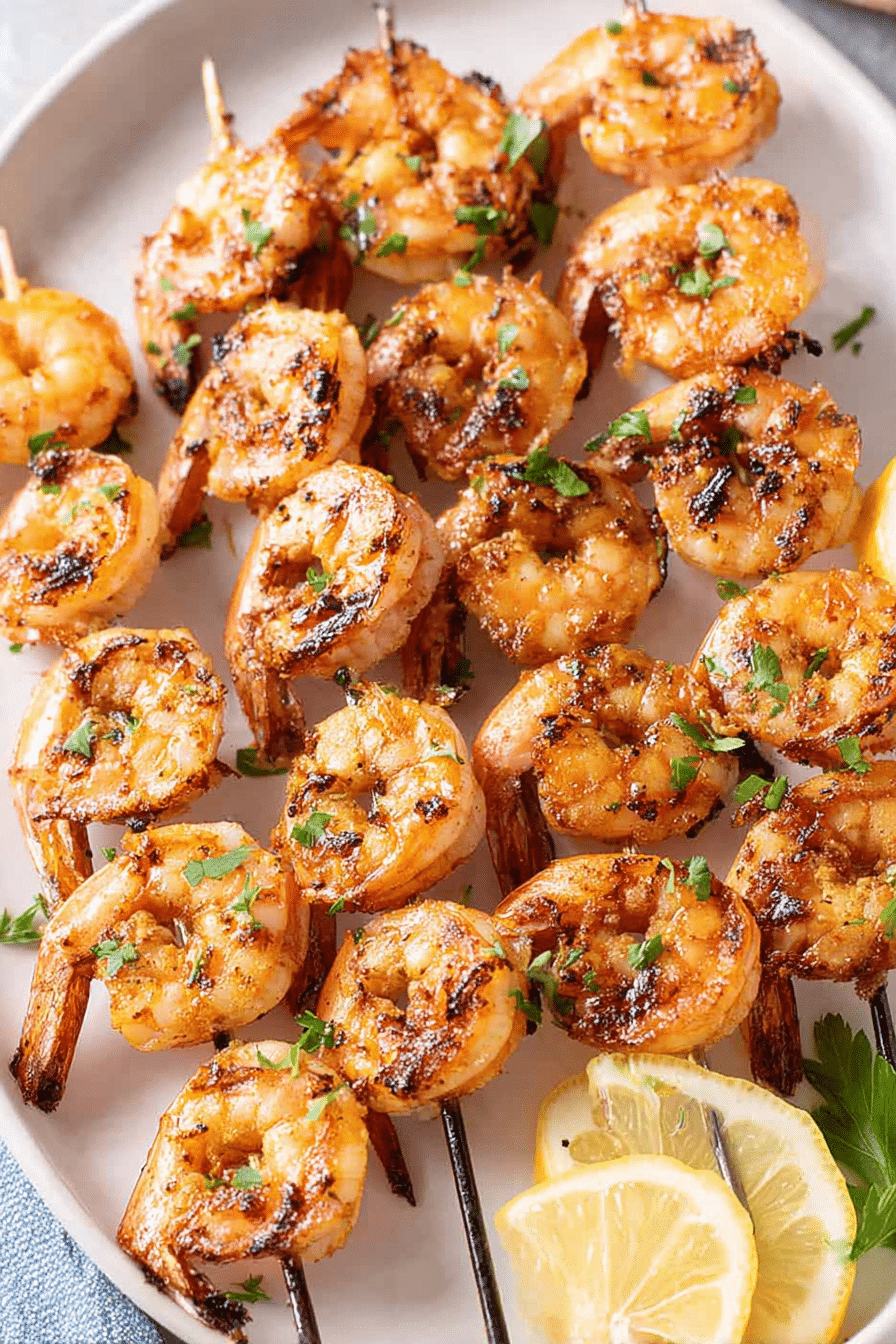
Grilled Shrimp
Ingredients
Method
- Place the olive oil, lemon juice, salt, pepper, oregano, paprika and garlic powder in a large bowl; whisk to combine.
- Add the shrimp to the bowl and toss gently to coat evenly with the marinade. Marinate for at least 15 minutes or up to 2 hours max.
- Skewer 4-6 shrimp on each soaked skewer and place on a plate while skewering the remaining shrimp.
- Heat a grill or grill pan over medium high heat and cook the shrimp for 2-3 minutes on each side until the color is pink and shrimp is opaque.
- Serve warm with fresh parsley and lemon slices, if desired.