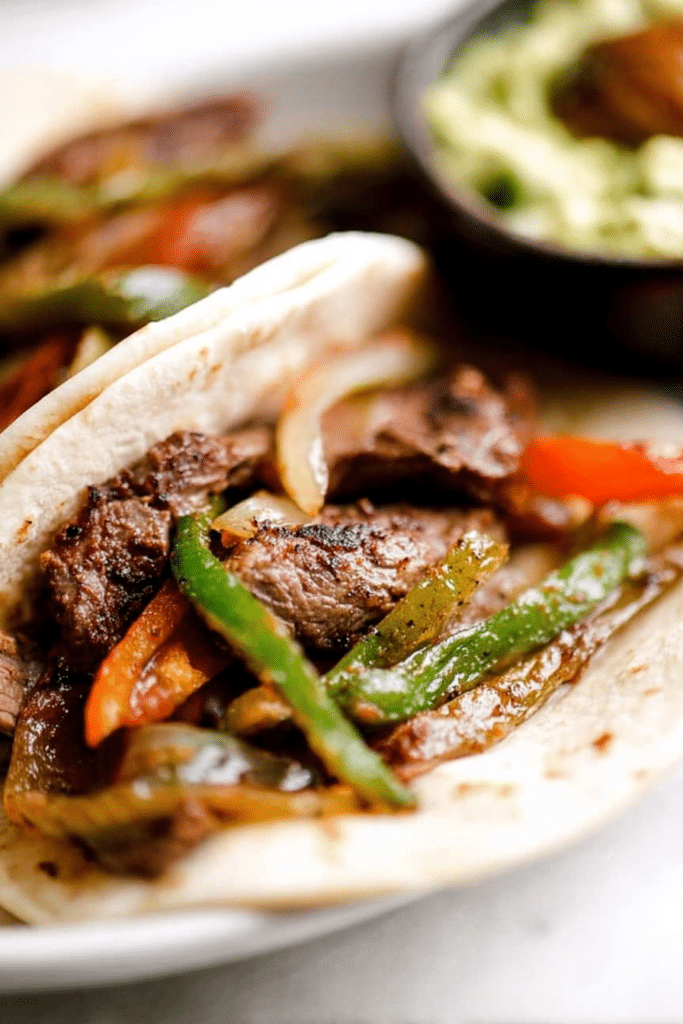
I make steak fajitas all the time when I need a fast, satisfying weeknight dinner that still feels special. I love how a short marinade transforms an inexpensive cut of beef into something juicy and tender, and how a hot pan gives those peppers and onions a quick char that smells like a restaurant. In my kitchen this is the go-to after-work meal because it’s fast, forgiving, and always gets eaten.
I learned a few hard lessons cooking fajitas: don’t overcrowd the pan or the veg will steam, and always slice the steak against the grain once it has rested. Those two small changes alone turned my fajitas from good to consistently great. I also prefer a marinade with lime and a touch of pineapple juice — the acid brightens the meat while the enzymes help break down fibers for a more tender bite.
What I love most is the one-pan payoff. Minimal cleanup, maximum sizzle: the sound of the steak hitting hot cast iron, the bright pop of peppers as they blister, and the citrusy aroma that fills the kitchen make this an easy win on a busy night. If you like, serve them in warm tortillas, over cilantro-lime rice, or spoon them onto a salad for a lighter bowl.
I keep prep simple so you can get dinner on the table fast. Prep the marinade and veg while the pan heats, cook the steak quickly on high heat, rest and slice, then toss it back with the veg. You’ll have dinner that looks and tastes like you spent more time than you actually did.
Why These Fajitas are Perfect for Busy Weeknights
These fajitas shine when you need a quick, flavorful dinner with minimal fuss. The marinade works quietly in the background, tenderizing and seasoning the steak while you handle day-to-day tasks. The whole active cooking time is short — about 15–20 minutes — and most of the work happens in one pan so cleanup is quick.
The sensory payoff is immediate: a high, steady sizzle as the steak lands on a screaming-hot pan, the sweet-charred smell of peppers and onions, and vibrant streaks of color on the plate. They’re also flexible — serve them in tortillas, on rice, or spoon them over a salad for a lighter meal.
Everything You Need for The Best Steak Fajitas
Gathering the right ingredients and tools saves time and guarantees better results. Use fresh produce, a hot pan, and a simple set of toppings to keep weeknight prep simple and delicious.
- Skirt or Flank Steak – The heart of the dish; choose based on flavor versus size and availability.
- Lime – Brightens the marinade and helps tenderize the meat; fresh is best.
- Pineapple Juice – Adds a touch of fruity acidity and tenderizing enzymes.
- Garlic & Spices – Provide savory depth; cumin and smoked paprika are fajita staples.
- Onions, Poblano, Bell Peppers – The veg trio for color, sweetness, and texture.
- High-Heat Oil – Needed to sear the steak properly without smoking out your kitchen.
- Cast Iron or Heavy-Bottomed Skillet – For even heat and a good crust; a grill pan or outdoor grill works too.
- Tortillas and Toppings – Warm tortillas, cilantro, sour cream, and guacamole make great finishing touches.
Optional tools: a meat thermometer for precise doneness and a sharp knife for thin, angled slices. If you want another beef option on a different night, try my Cajun garlic butter steak bites for a faster, bite-sized approach.
The Secret Marinade That Makes Them Restaurant-Quality
The marinade does two jobs: it seasons and it gently tenderizes. Acid from lime (and a little pineapple juice) loosens muscle fibers so the meat needs less time in the pan to feel tender. The savory notes—garlic, Worcestershire, cumin, and smoked paprika—create that familiar fajita profile without overpowering the beef.
Smell the marinade before you add the steak: bright citrus, warmed cumin, and a faint smokiness from paprika. Taste it and adjust the salt and chili level to your liking — if you prefer more heat, add more chili powder or red pepper flakes. Let the steak sit in this bath for at least a couple of hours; overnight is ideal for the deepest flavor and best tenderness.
Actionable tweaks: if you want less acidity, reduce the lime and add a touch more oil; if you want a sweeter, tropical note, add a little extra pineapple juice. Always bring the steak close to room temperature before cooking so it sears instead of steaming.
Choosing the Right Cut: Skirt vs. Flank (and a Leaner Option)
Skirt steak is flavorful and has more marbling; it takes a blistering sear beautifully and slices into tender ribbons when cut against the grain. Flank steak is leaner, slightly firmer, and benefits from the same high-heat sear but may need a bit more careful slicing to keep bites tender.
If you want a leaner protein or are avoiding red meat, chicken breast or turkey cutlets are easy swaps — they cook faster and soak up the marinade nicely. For each cut, higher heat and shorter cook time preserve juiciness; thicker or fattier cuts may need slightly longer resting and slicing adjustments.
Texture visualization: skirt will give you a rich chew with visible grain lines; flank is firmer and more uniform. If you prefer another steak style entirely, consider trying the recipe’s flavors on sirloin or ribeye for a different mouthfeel. For a weeknight twist, try my Cajun garlic butter steak bites for speedy, punchy flavor.
How to Cook Steak Fajitas Fast — Stovetop vs. Grill
Both methods can produce excellent fajitas; choose based on your setup and the flavor you want. The key is high heat, quick cooking, and not overcrowding the surface so you get a proper sear and char.
- Stovetop (Cast Iron or Heavy Skillet) – Heat the pan until very hot. Oil lightly, add steak to sear quickly on each side, then rest. Add more oil and cook the peppers and onions separately so they get blistered edges rather than steam-softened pieces.
- Grill (Outdoor) – Preheat to high. Sear steaks over direct heat to get char lines and smoky flavor, then move to a cooler part of the grill if they need a few more minutes. Grill veg in a grill basket or directly until slightly blackened.
- Temperature Control Tips – If your pan is smoking heavily, reduce to medium-high; if it’s not sizzling loudly, raise the heat. Aim for a quick crust while keeping the interior pink if you like medium-rare.
- Char Tips – Dry the steak lightly before searing, and don’t move it immediately after it hits the pan—give it time to form a crust. For peppers, let them sit undisturbed briefly to develop those sweet, charred edges.
How to Make The Best Steak Fajitas (Step-by-Step)
- Marinate the steak: combine lime, pineapple juice, garlic, Worcestershire, oil, and spices. Taste and adjust salt and heat. Refrigerate for at least a couple of hours or overnight for best results.
- Bring steak to near room temperature before cooking to ensure even searing.
- Heat a cast iron skillet or grill pan until very hot; add high-heat oil.
- Sear the steak on each side for a few minutes until a deep crust forms; timing depends on thickness and desired doneness. Remove and tent loosely to rest.
- Add a bit more oil to the pan and cook sliced onions, poblano, and bell peppers over high heat until blistered and slightly charred; season with salt and pepper. If your pan is small, cook veg in batches to avoid steaming.
- Slice the steak thinly against the grain on an angle for tender bites; add it back to the veggies to warm through if desired.
- Warm tortillas, assemble fajitas, and top as you like — sour cream, shredded cheese, extra cilantro, and guacamole are classic finishes. Don’t forget a side of best ever guacamole to brighten the plate.
Troubleshooting
- If the steak is tough: you likely overcooked it or didn’t slice against the grain. Let it rest, then slice thin and across the grain.
- If the veg steamed instead of charring: the pan was overcrowded. Cook in batches and use high heat.
- If the pan is smoking too much: reduce heat slightly and wipe any burnt bits out between batches to prevent bitter flavors.
- If the marinade tastes flat: add more acid (lime) and a pinch more salt to lift the flavors before adding the steak.
Pro Tip for the Best Steak Fajitas: Make-Ahead and Lower-Calorie Swaps
- I often marinate the steak the night before and slice the veg ahead — it shaves active time off dinner and deepens flavor.
- Lower-calorie swaps: use less oil in the marinade, bulk up with extra peppers and onions, or serve over a bed of greens instead of tortillas.
- For gluten-free options, choose corn tortillas or serve fajita meat and veg over rice or a salad bowl.
- Lean-protein alternative: swap steak for marinated chicken breast or turkey for fewer calories without losing the fajita character.
- Finish your meal with a treat if you’d like — try some easy homemade churros for a sweet contrast.
Variations
- Spicy variation: add extra red pepper flakes or a splash of hot sauce to the marinade.
- Tropical twist: increase pineapple juice slightly and finish with fresh mango salsa.
- Herb-forward: stir extra chopped cilantro into the marinade and finish with a cilantro-lime drizzle.
- Vegetarian: swap steak for thick-cut portobello mushrooms or marinated tofu and use the same high-heat technique.
How to Store, Reheat, and Serve Leftovers
Proper storage keeps the fajita components tasting fresh and safe. Store steak and vegetables separately from tortillas and any fresh toppings for best results.
- Storage – Cool leftovers quickly and refrigerate in airtight containers. Properly stored, cooked steak and veg will last 3–4 days in the fridge.
- Reheating – Reheat gently in a hot skillet with a splash of water or oil to revive the juices and avoid drying the meat. You can also reheat in the oven at a moderate temperature until warmed through. Microwave is acceptable for speed; cover loosely and check frequently to avoid overcooking.
- Repurposing – Turn leftovers into a fajita salad, toss with rice for a quick bowl, or fold into an omelet. For another creative use of extras, check out this leftover pasta frittata idea for inspiration.
Frequently Asked Questions
Can I use other cuts of meat for steak fajitas?
Absolutely! While skirt and flank steak are traditional, you can also use sirloin or ribeye if you prefer. Just remember that cooking times may vary based on the cut.
How long should I marinate the steak?
For the best flavor and tenderness, marinate the steak for at least 2-4 hours, but overnight is even better!
What if I don’t have lime juice?
If you’re out of lime juice, you can use lemon juice as a substitute. It will still add a nice acidity to the marinade!
Can I make these fajitas ahead of time?
Yes, you can marinate the steak and chop the vegetables in advance. Just store them separately and cook them together when you’re ready to serve.
What toppings do you recommend for steak fajitas?
Some great toppings include sour cream, guacamole, fresh salsa, shredded cheese, and extra cilantro. Customize them based on your preferences!
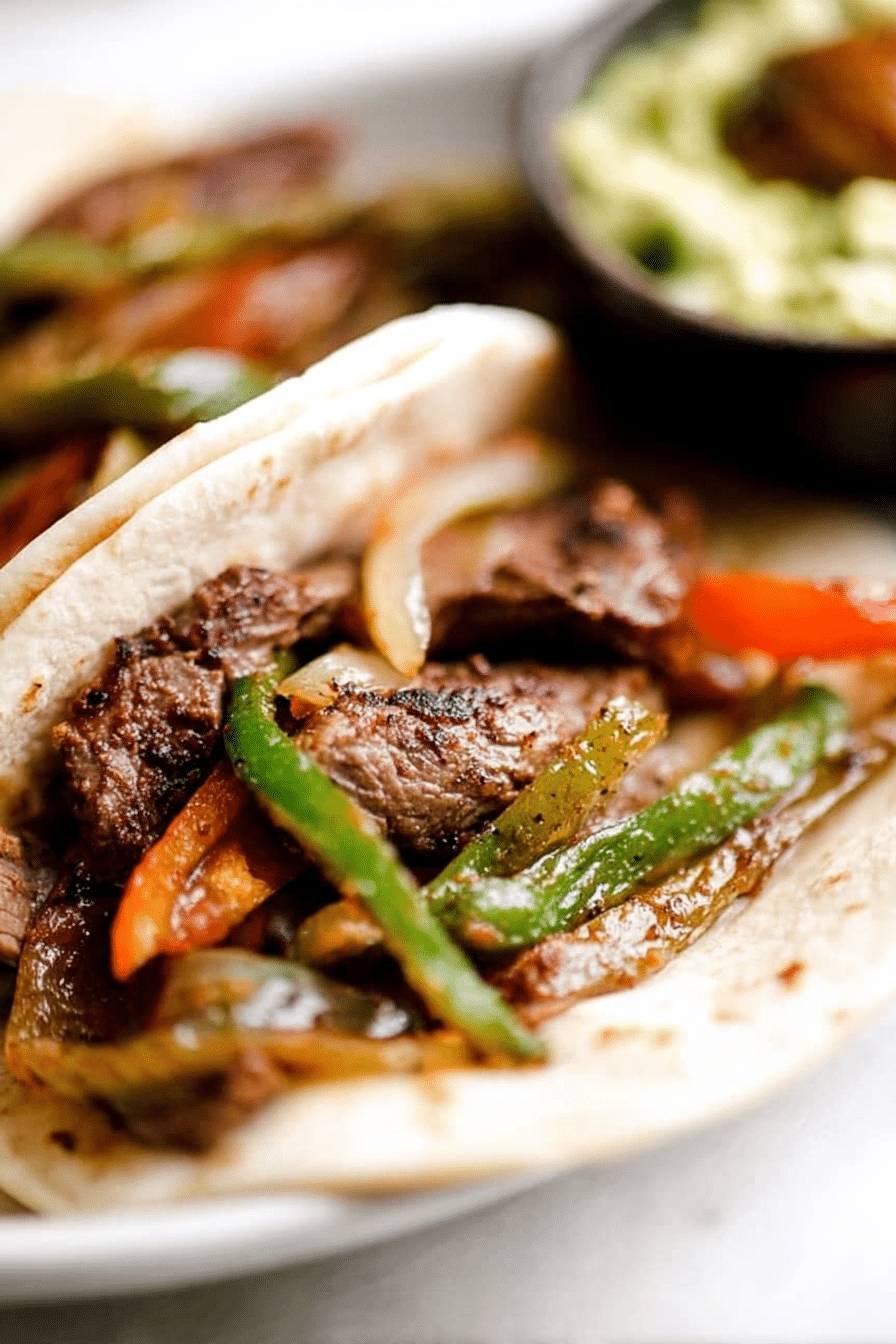
The BEST Steak Fajitas
Ingredients
Equipment
Method
- Combine the ingredients for the marinade in a bowl or zip-top bag. Marinate the steak for 2-4 hours or overnight.
- Heat a skillet or grill over high heat. Cook the steak for 3-5 minutes per side, then let it rest.
- Sauté onions, poblano, and bell peppers in the same pan until they are soft.
- Slice the steak against the grain into thin strips.
- Serve in tortillas or with rice, adding your favorite toppings.