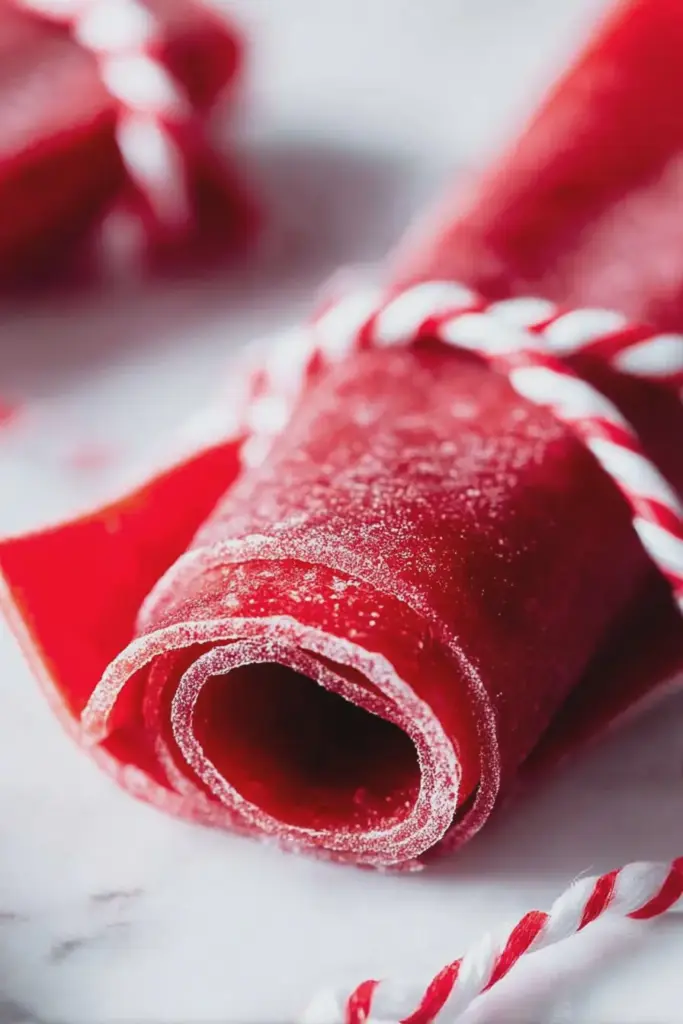
I started making fruit leather when my kids were small and our kitchen counter was always overflowing with soft, overly ripe fruit. It felt wasteful to toss those peaches and strawberries, and I needed a snack that was quick to make, portable, and actually wholesome. After a few trial runs in my kitchen I nailed a simple oven method that takes just a few minutes of hands-on time and gives you bright, chewy roll-ups the kids actually choose over store-bought junk.
What I love most is how fast the prep is — while dinner simmers I blend fruit, spread it on a sheet, and the oven does the rest. The whole family gets involved: my youngest loves pressing the spatula to spread the puree, and my older one handles the scissors when it’s time to cut strips. That small bit of cooking together turns snack time into something fun instead of frantic.
Making fruit leather at home also saves money and lets me control what goes into the snack. I often use fruit that’s on sale or a little too soft for slicing; a touch of honey or a splash of lemon brightens things up. The aroma while it dries — warm, fruity, slightly caramelized — always draws the kids into the kitchen before I even call them.
Over the years I’ve learned a few simple tricks that avoid sticky frustration and keep the leather chewy, not gummy. Below I’ll walk you through what to buy, how to avoid common mistakes, flavor ideas the kids love, and packing tips that make these roll-ups perfect for school lunches and park outings.
Why Busy Parents Love This Easy Fruit Leather Recipe
This recipe is built for real family life. The prep is short, the ingredients are flexible, and the result is a snack you can trust to be fruit-forward and simple.
- Quick prep: You’ll be blending and spreading in about ten minutes, which fits easily between errands, homework, and bath time.
- Customizable: Use whatever fruit your family likes — swap mango for strawberries or blend apples with cinnamon for a familiar fall flavor.
- Cost-effective: Homemade fruit leather stretches a basket of fruit into many servings, and it’s far cheaper than branded roll-ups that hide sugar and preservatives.
- Kid-friendly process: The tasks are safe and simple for kids to help with — blending (with adult supervision), spreading, and rolling give them ownership of the snack.
Everything You Need for Easy Fruit Leather
Gather a handful of simple tools and pantry staples. You don’t need fancy gear — a good blender and an even spread make a huge difference.
- Fresh fruit – The star ingredient; ripe fruit gives the best natural sweetness. Try berries, peaches, apples, or mangoes.
- Natural sweetener – Optional if your fruit is tart; honey or maple syrup are easy swaps.
- Acid – A splash of lemon or lime brightens color and flavor, especially for berries.
- Quality blender or food processor – Smooth puree is key for even drying and a clean texture.
- Silicone spatula – For spreading the puree into a thin, uniform sheet.
- Parchment paper – Nonstick surface for drying; do not use wax paper.
- Baking sheet or rimmed tray – Choose a shallow rim so air circulates evenly.
- Substitutions – Use maple syrup in place of honey for a vegan option; a sugar substitute can work but may affect texture slightly.
For an easy and nutritious snack to pair with your fruit leather, try our Healthy Banana Oatmeal Bars.
The Secret to Chewy (Not Sticky) Fruit Leather
The difference between a chewy, pleasant roll-up and a sticky mess comes down to evenness, moisture removal, and timing. I learned the hard way that uneven spreading or taking the leather out too soon makes it gummy in the center.
- Spread thin and even: The thinner and more uniform the layer, the more consistent the drying. The center should be the same thickness as the edges.
- Low, steady heat: Drying slowly at a moderate low temperature removes moisture without cooking the fruit into a jammy mess.
- Humidity matters: On humid days drying takes much longer. If your kitchen is damp, expect extra oven time or consider a dehumidifier in the room.
- Finish check: The leather is ready when it peels away cleanly from the parchment and the center feels leathery, not tacky.
Troubleshooting (quick fixes):
- If the middle stays wet after the edges are dry, re-spread gently thinner and continue drying.
- If it tastes caramelized or cooked, your oven temperature was too high—lower the temp next time and extend the drying time.
- If sticks to the parchment, let it cool completely on the counter before testing; premature peeling causes tearing.
Why Oven Temperature & Rack Position Matter
Oven setup is one of those details that feels technical but is easy to get right. I place my trays where the heat circulation is most even and keep the temperature low enough to remove moisture gradually.
- Use the lowest steady temperature your oven will hold: The goal is to dehydrate, not bake. Too hot and the sugars concentrate and cook; too cool and drying drags on.
- Rack placement: Position baking sheets in the middle of the oven so they receive even heat. If using two trays, stagger them with one rack above the other and swap halfway through the drying time for uniform results.
- Visual cues over clock time: Look for the fruit sheet to pull away from the edges of the parchment and for the center to lose its glossy, wet look—those are your signs that it’s done.
The warm, fruity scent that fills your kitchen is a good indicator that moisture is evaporating without burning — it’s one of my favorite parts of the process.
Flavor Boosters: Herbs, Spices & Fruit Combo Ideas
Once you have the basic technique down, tiny additions make big flavor changes. Fresh herbs and warming spices pair surprisingly well with fruit and are a fun way to introduce new tastes to kids.
- Basil + peach – Fresh basil leaf chiffonade stirred into peach puree brightens the sweetness.
- Mint + strawberry – A few mint leaves give a cool lift to berry leather.
- Cinnamon + apple – Classic and comforting; perfect for lunchbox nostalgia.
- Ginger + mango – A little fresh or ground ginger adds a warm, spicy note that balances the fruit’s sweetness.
- Mixed berries – Blackberries, raspberries, and strawberries together give depth and a pretty color.
If you want to take your fruit leather to the next level, check out our Easy Strawberry Cream Puffs for some delightful inspiration.
Variations (easy swaps to try):
- Swap honey for maple syrup for a vegan option.
- Blend in a small amount of cooked apple for pectin if your fruit is very soft and watery.
- Add a smear of nut butter between two thin layers for a peanut-butter-and-jelly-style treat (wrap tightly and chill to set).
How to Make Easy Fruit Leather (Step-by-Step)
Here’s the straightforward oven method I use in my kitchen. It’s simple enough for kids to help with and forgiving if your oven runs a little hot or cool.
- Preheat your oven to its lowest steady temperature and position a rack in the middle. If you have two trays, set a second rack just below the first.
- Line a baking sheet with parchment paper; do not use wax paper.
- Puree your chosen fruit in a blender until completely smooth; add a touch of sweetener if needed and a splash of lemon to brighten color.
- If you want a seed-free texture for berries, press the puree through a fine sieve before spreading.
- Pour the puree onto the prepared tray and, using the back of a silicone spatula, spread it into a very thin, even layer. Make the center as thin as the edges to ensure even drying.
- Bake slowly for several hours until the leather peels away easily from the parchment and the center feels dry and leathery rather than glossy.
- If using multiple trays, swap their positions halfway through to promote even drying.
- Remove trays and let cool completely on the counter for several hours or overnight; once cool, cut into strips and roll with the parchment or peel and store.
Kids can help with spreading, sealing bags, and cutting strips with safety scissors. If you’re a visual learner, consider making a short step-by-step video of your first batch — recording the spread thickness and the “peels-away” cue helps you replicate success every time.
Pro Tip for easy fruit leather recipe: Store & Preserve Without Stickiness
Proper cooling and storage are the final steps that keep your fruit leather chewable and non-sticky. I always let the sheets cool completely before handling — rushing this step is the main cause of tears and cling.
- Cool completely: Let finished sheets rest on the counter until fully room temperature before cutting or rolling.
- Roll with parchment: Cut the whole sheet into strips and roll each strip with the parchment still attached; this keeps them from sticking together and makes them lunchbox-ready.
- Prevent stickiness: If you live in a humid climate, very lightly dust the surface with cornstarch or powdered sugar between layers to keep them from clinging — use sparingly so it doesn’t alter flavor.
- Airtight storage: Place rolls in zipper bags or airtight containers. For longer storage, keep them in the fridge; in a cool, dry pantry they’ll be fine for several weeks.
How to Store, Pack & Customize Your Fruit Leather
Once your fruit leather is rolled and labeled, it becomes one of the easiest snacks to grab on the go. I keep a few labeled bags in the fridge and rotate through flavors so lunches are always a surprise.
- Single-serve rolls: Roll individual strips in parchment and place them in small zipper bags for school lunches.
- Label flavors: Use a little sticker or a piece of washi tape and a marker so kids know what they’re grabbing.
- Mix-and-match snacks: Pack a roll with nuts or a homemade energy ball for a balanced snack; it travels well and stays intact in a lunchbox. For a quick snack that travels well, consider packing our Pumpkin Spice Energy Balls alongside your fruit leather.
- Seasonal customization: Tailor flavors to the season — stone fruits in summer, apple-cinnamon in fall.
Nutritional Benefits and Comparison with Store-Bought Options
Homemade fruit leather is a simple way to give kids a fruit-forward snack without the additives found in many commercial roll-ups. By controlling the ingredients you avoid added preservatives, artificial colors, and excess refined sugar.
- Ingredient control: You choose the fruit and the sweetener, so you can minimize added sugar and skip stabilizers and preservatives.
- Calorie and sugar note: Fruit leather concentrates fruit sugars, so a small roll is satisfying — portion control matters. Homemade versions generally contain fewer additives than store-bought options.
- Use organic when possible: Choosing organic fruit reduces pesticide exposure, especially for berries and apples that kids often eat with minimal processing.
Another delicious homemade treat you can enjoy alongside your fruit leather is Homemade Strawberry Truffles — a nice option for special snack-time treats.
In short: making fruit leather at home saves money, reduces processed ingredients, and gives you endless flavor options. It’s a small weekend project that pays off all week long in lunches and snacks.
Frequently Asked Questions
How do you make fruit leather?
Creating fruit leather is simple: puree your favorite fruits, spread the mixture thinly, and dehydrate until most of the moisture is gone. After drying, you can roll it up or cut it into pieces!
Can you make fruit leather without a dehydrator?
Absolutely! You don’t need a dehydrator for this recipe—just your oven! It’s easy and fun to make, and kids will love it!
Is it cheaper to make your own fruit leather?
Yes! Making your own fruit leather can be more cost-effective than buying store-bought versions, often resulting in significant savings.
What fruits work best for fruit leather?
You can use almost any fruit! Strawberries, apples, peaches, and mangoes are popular choices that turn out delicious.
How should I store fruit leather?
Store your fruit leather rolled up in a zip bag or an airtight container in the fridge or pantry for up to a month to keep it fresh!
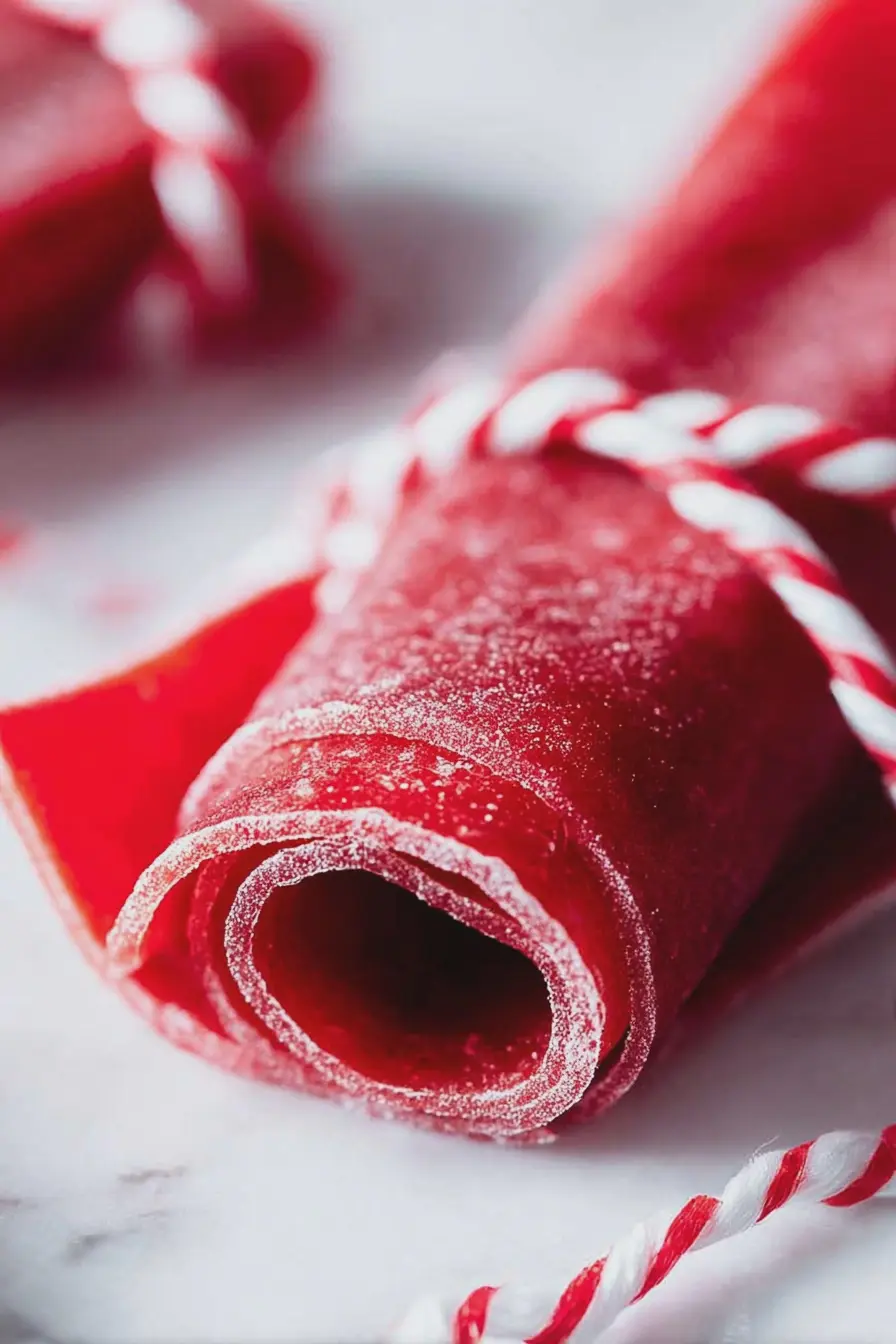
Easy Fruit Leather Recipe
Ingredients
Method
- Preheat oven to the lowest setting, between 150F to 200F, with the top oven rack in the middle position. Line a baking sheet with parchment paper.
- Blend the berries and honey until smooth, adding lemon juice if desired. Strain to remove seeds if necessary.
- Spread the mixture on the baking sheet in a thin, even layer.
- Bake for 4 to 6 hours, until the fruit leather is no longer wet.
- Cool for 4 hours or overnight, then cut and roll the fruit leather.
- Store rolled fruit leather in a zip bag or airtight container.